
This post was originally published on this site.
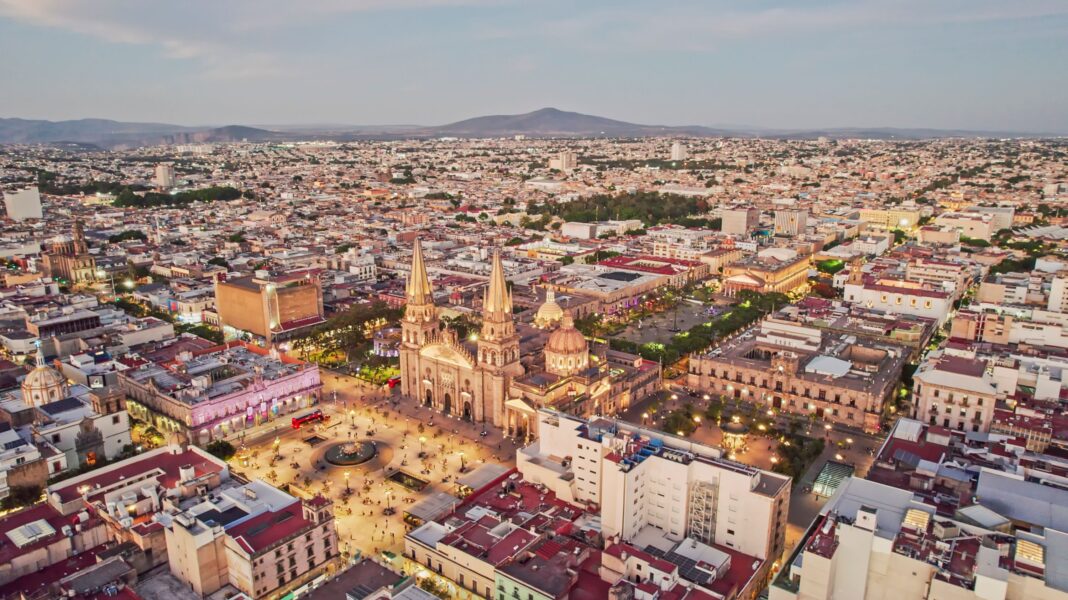
Jalisco’s capital city, Guadalajara, is an ambassador for the country. It’s rich in the vivid Mexican traditions that are seared into the collective imagination of millions of international travelers: Guadalajara is home to the brassy sounds of mariachi, the pageantry of charrería (the forerunner of American rodeo), the rich flavor of birria and countless other dishes—and it acts as a gateway to tequila country. The timeless beauty of the city spans from its blend of neoclassical buildings, Spanish Renaissance cathedrals, and historic homes that are shining examples of Mexican modernism. But it’s not stuck in the past, either. Of late, Guadalajara has seen the growth of a vibrant bar scene that’s gained international recognition, alongside a thriving design culture. With all this interest, it’s no surprise that an expansion of the Guadalajara International Airport is currently underway to improve access and service the growing demand: A complete remodel of Terminal 1 and improvements to Terminal 2 have already been completed, and an additional access road will be finished by May 2026, just in time for the FIFA World Cup for which this city will host four games.
We know, you’ve heard a lot about Mexico City, but Guadalajara rivals CDMX in its heritage-rich offerings and up-and-coming creative class, while feeling slightly less congested. We even named it one of the Best Places to Go in 2026, for this very reason. If “Jalisco es Mexico”, as the state’s slogan reads, Guadalajara is its beating heart.
Below, we cover everything you need to know before a visit—including when to go, what to do, and very importantly, what to eat.
The best time to visit Guadalajara
Guadalajara’s high season spans from the drier months of October to December. Daytime highs brush the lower 80s, but the season also coincides with festivals like Fiestas del Octubre, Guadalajara International Book Fair, and a surge of families returning from abroad for the holidays. While temperatures drop somewhat after the new year, hotels remain at a premium from January to May.
Throughout June 2026, which is the beginning of the wetter season, Guadalajara will host four World Cup matches at Estadio Akron in Zapopan, an upscale city in the municipality of Guadalajara. You can currently get World Cup 2026 tickets at FIFA’s official ticketing portal, authorized hospitality providers such as Pitchside, and secondary sites like SeatGeek and VividSeats. The games will be held on June 11, 18, 23, and 26, respectively.

Snag seats, see cities, and feast your eyes on the beautiful game.
How to get to Guadalajara
There are plenty of direct flights to Guadalajara from major US cities such as Los Angeles, Dallas/Fort Worth, Phoenix, New York, San Francisco, Chicago, Miami, and more. Both domestic and Mexican carriers American Airlines, Volaris, Viva, Alaska, United, and Aeromexico provide easy access to the city. For people living in southern California, there are lower fares from Tijuana International Airport on Viva, Volaris, and Aeromexico—and with Cross Border Xpress, passengers can walk into the airport directly for a fee.
Where to eat in Gaudalajara
A few things to understand on a high level: When it comes to Mexican gastronomy, Guadalajara is home to some of its greatest hits. The city is the birria capital of Mexico where the savory dish is made with mainly goat, but also lamb, beef, and veal; it can even incorporate seafood. Likewise, this city is a destination for sandwiches. Two musts are tortas ahogadas, consisting of salty birote bread drowned in tomato sauce and fiery salsa de chile de arbol; and lonches, for which lunch meet and local cheese are layered in a softer bread roll. You’ll find many types of tacos available throughout the day, of course, not to mention top notch seafood. Luckily some of the most imaginative chefs and bartenders in Mexico are in this city, making use of all of the above, in totally new ways.
Casual eats
If you’re arriving early in the day via Guadalajara International Airport, it’s a short taxi ride to Birriería Chololo Campestre, opened in 1920, for an iconic plate of oven roasted birria de chivo (goat birria) that’s as much a symbol of the region as mariachis and tequila. Go for the combo of peinecillo (a fatty cut of goat), ribs, macho (intestines), and carnaza (a prized boneless slice with consommé), plus sides of refried beans and queso fundido. Corn tortillas and salsas come with the array of meats for making tacos of this smoky stewed goat.