
This post was originally published on this site.
A global energy crisis is emerging, following a similar pattern to the Covid pandemic. Then, impending disaster could be seen approaching from a distance. In January 2020, the Chinese city of Wuhan was locked down. In early March, Italy followed suit. Two weeks later, Boris Johnson announced a nationwide lockdown in Britain.
Emerging Asia is already in the throes of an energy crisis. Sri Lanka and Bangladesh are rationing fuel. The Philippines has implemented a four-day work week for civil servants. Egypt has imposed a 9pm curfew for shops and restaurants. Could similar pain be heading for Britain?
Sign up to Money Morning
Don’t miss the latest investment and personal finances news, market analysis, plus money-saving tips with our free twice-daily newsletter
Don’t miss the latest investment and personal finances news, market analysis, plus money-saving tips with our free twice-daily newsletter
How are markets reacting to the energy crisis?
Brent crude oil hit $115 a barrel on Wednesday, its highest level since the summer of 2022 and a 90% rise since the start of the year. While oil futures have risen, markets remain “strangely sanguine” given the huge scale of supply destruction, says Liam Denning on Bloomberg. Oil prices for 2027 delivery are up a modest 17% since the war began.
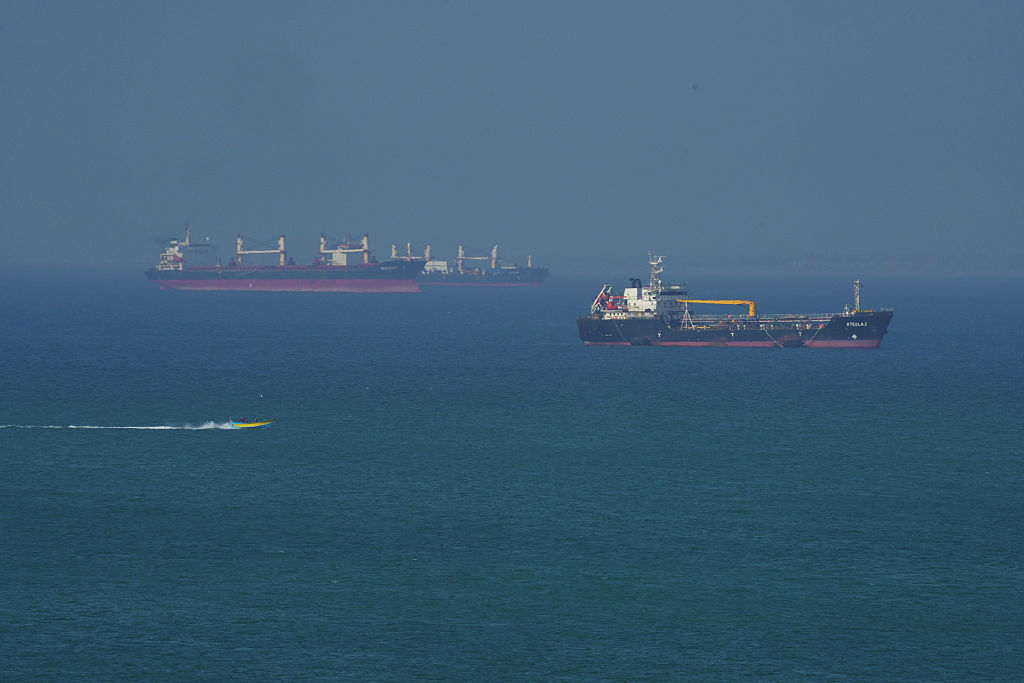
It could take years to undo the damage that has already been done to global inventories. And with “two blockades” in place and little progress on peace talks, it is still far from clear when the strait will reopen. A survey from the Federal Reserve Bank of Dallas reports that four-fifths of US oil executives now don’t expect traffic in the strait to return to normal levels before August, with 40% thinking it won’t happen until November or later.
Stock traders optimistically expect everything to be resolved soon, but energy experts and commodity traders are far more alarmed, says Robert Armstrong in the Financial Times. “Horror stories” about the prices paid to deliver diesel to Asia are rife. Those prices are sucking scarce global barrels away from European ports.
Uncertainty levels are through the roof – even the geopolitical “pointyheads” don’t have a clue what the outcome will be from US-Iran negotiations. Energy traders, who usually profit from volatility, hate the uncertainty created by Donald Trump’s Truth Social posts, which are impossible to predict and cause markets to swing wildly.
There is a growing “disconnect” between “buoyant” stock prices and a real economy suffering energy shocks, says an article by Edmond de Rothschild Asset Management. On a relative basis, the US and China look better placed to face the coming energy crisis than Europe or Japan. “Behind the facade of market rebounds, the “economic fundamentals” are slowly “deteriorating”. Investors “need to stay invested but without being led astray by illusions”.
How the energy crisis is affecting the Persian Gulf region

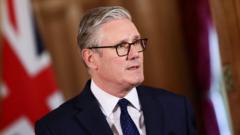
(Image credit: Alastair Grant – WPA Pool/Getty Images)
World markets have “lost their fairy godmother”, says Ambrose Evans-Pritchard in The Telegraph. The Gulf states boast vast sovereign-wealth funds – valued at $5 trillion – representing years of accumulated oil profits. Most of those funds have been invested in Western assets, keeping government borrowing costs low and “turbo-charging excesses in US private credit”. Yet with problems to solve closer to home, the region’s monarchies are about to tap those rainy-day funds.
Signs of stress are apparent. The wealthy Emiratis have reportedly raised the topic of securing an “emergency dollar swap line” from US Treasury secretary Scott Bessent, to the “consternation” of those who believe in “America First”. Swap lines are a “backbone of the global dollar system”, says the Financial Times. They see central banks or finance ministries swapping currencies at times of financial stress, when demand for US dollars often surges. Swaps prevent financial panic from spreading and are reversed once the crisis passes.
Gulf states boast large foreign reserves and are unlikely to face liquidity stress. But swaps might help “avoid financial market disruption”, says Stephen Paduano of Oxford University. Gulf sovereign-wealth funds have ample stock and bond holdings, but selling those to raise quick cash “could cause a stock market rout” and stress the US Treasury market.
“Emirati officials haven’t made a formal request for a swap line,” says The Wall Street Journal. Discussions are only “preliminary”. The idea may not be so much a request as an “implicit threat” to the global role of the US dollar. The US Treasury has been warned that if the Gulf runs short of dollars “it may be forced to use Chinese yuan” for oil sales instead.
This article was first published in MoneyWeek’s magazine. Enjoy exclusive early access to news, opinion and analysis from our team of financial experts with a MoneyWeek subscription.