
This post was originally published on this site.
The former BBC host has opened up on his exit from the corporation in a new interview
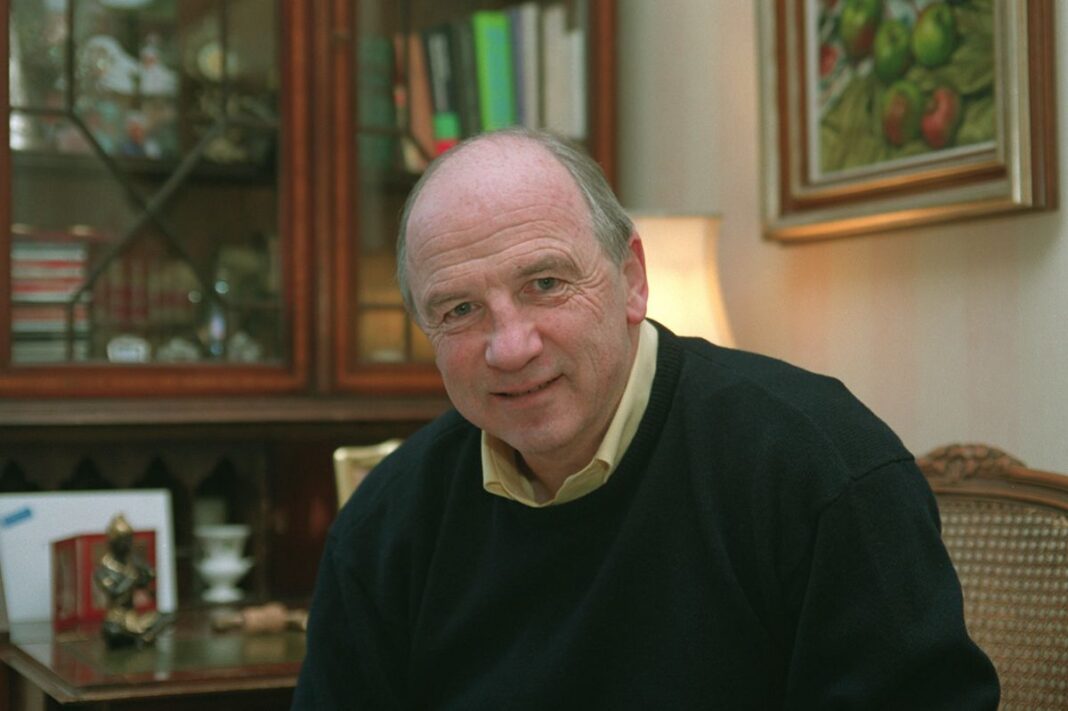
Former BBC Rugby Special presenter Chris Rea has opened up about his “devastating” axing from the iconic programme, admitting it came as a “real blow” having just gone through gruelling cancer treatment.
As a player, the former centre represented Headingley at club level as well as Scotland and the British and Irish Lions on the international stage, making 13 appearances for his country and playing 10 times for the touring side on their 1971 tour of New Zealand, scoring three tries against provincial sides.
After returning from that tour, Rea, who was then working for the BBC as an administrator in Leeds, pursued a career in the media, working with the BBC Radio sports department as well as being appointed rugby and golf correspondent for The Scotsman.
JOIN OUR WALES RUGBY FACEBOOK PAGE! Latest news, analysis and much more
He was later approached by Johnnie Watherston, brother of former Scotland flanker Rory and the corporation’s then-director and producer of rugby programmes, about conducting some interviews for Rugby Special.
After accepting, Rea went on to become presenter of the programme, fronting it between 1988 and 1994 and helping it to flourish from the “graveyard shift” to one of the most popular sports shows on TV as the game itself edged towards professionalism.
“At the time Rugby Special was probably the graveyard shift, if you were working on it, you probably knew you were not going to become the BBC’s director general,” the now-82-year-old explained in an interview with The Telegraph.
“Then Johnnie Watherston was appointed and he asked me if I would do a few interviews. One thing led to another and he asked if I would think of presenting the programme. I told him nothing would give me greater pleasure but that I won’t be doing it on a freezing Saturday night outside the clubhouse at Orrell or Harlequins or wherever, and stitching things together.
“Johnnie did a tremendous job persuading Jonathan Martin, who was the head of sport, that if we were going to build this programme up, it had to be studio-based, with guests, news from overseas and it had to be presented the following day.
“I would say they were the six of the happiest years of my working life,” he added. “We were opposite the Antiques Roadshow and followed Ski Sunday. It was a wonderful time. It was great fun.”
However, while he treasures the memories, Rea’s time as presenter came to a devastating end in 1994 when the production of Rugby Special was outsourced to an independent company and he was told that his services would no longer be required by the BBC.
A year earlier, unbeknownst to viewers, Rea had been diagnosed with bowel, liver and lymph node cancer and told that he had only had a five per cent chance of surviving the next five years. After undergoing a year of gruelling treatment, he went into remission only to then lose his job, leaving him devastated.
“I said I would do it if I could keep going with the programme,” he said of his treatment. “They said I wouldn’t lose what hair I had left but would put on weight. We came to an agreement that if there was any change to my physical state, then I would be the first to say, ‘this is not on.’ You can’t have someone looking like death warmed up presenting a sports programme.
“I felt dreadful every Monday and for a couple days after but by the end of the week I was okay. I put weight on because of the effect of the steroids, but nobody would have known, and that was a source of great pride.”
On losing his job, Rea added: “I was devastated. Johnnie lost his job too. I hadn’t sought any additional support from the BBC during my illness. It was a real blow for me.
“I was sorry that Rugby Special did go downhill a bit and they took it a different way. That’s fine, you always get to the end of a success story and things need changing, but I think it was the BBC that lost interest in rugby more than anything else. It was also a result and a consequence of professionalism.”
However, Rea would bounce back as he joined ITV’s commentary team for the Rugby World Cup in South Africa the year after his departure from the BBC, while he was also appointed rugby correspondent for The Independent on Sunday and later became head of communications for the International Rugby Board.
Follow all of our channels to ensure you stay up to date with the latest Welsh rugby news. Sign up to our free daily newsletter here and our WhatsApp channel here for all the breaking news.