

This post was originally published on this site.
Cloud-based HR software provides significant advantages that can transform your organization’s human resources operations. With improved accessibility, you can manage employee data from anywhere, which supports remote work. The subscription model offers financial flexibility, whilst automation streamlines processes, reducing manual tasks. Furthermore, robust security features guarantee compliance and protect sensitive information. As you consider these benefits, it’s worth exploring how integration with other HR systems can further improve your overall efficiency.
Key Takeaways
- Cloud HR software enhances accessibility, allowing employee data access from any location, which supports remote work and improves HR functions.
- Subscription-based pricing reduces upfront costs and offers financial flexibility through pay-per-use structures, leading to significant cost savings.
- Predictive analytics help identify HR trends and issues, enabling proactive management of employee performance and retention.
- Automation of HR processes streamlines tasks such as onboarding and scheduling, saving time and increasing overall productivity.
- Advanced security features, like data encryption and multi-factor authentication, ensure compliance with regulations and protect sensitive employee information.
Accessibility With Cloud HR Systems
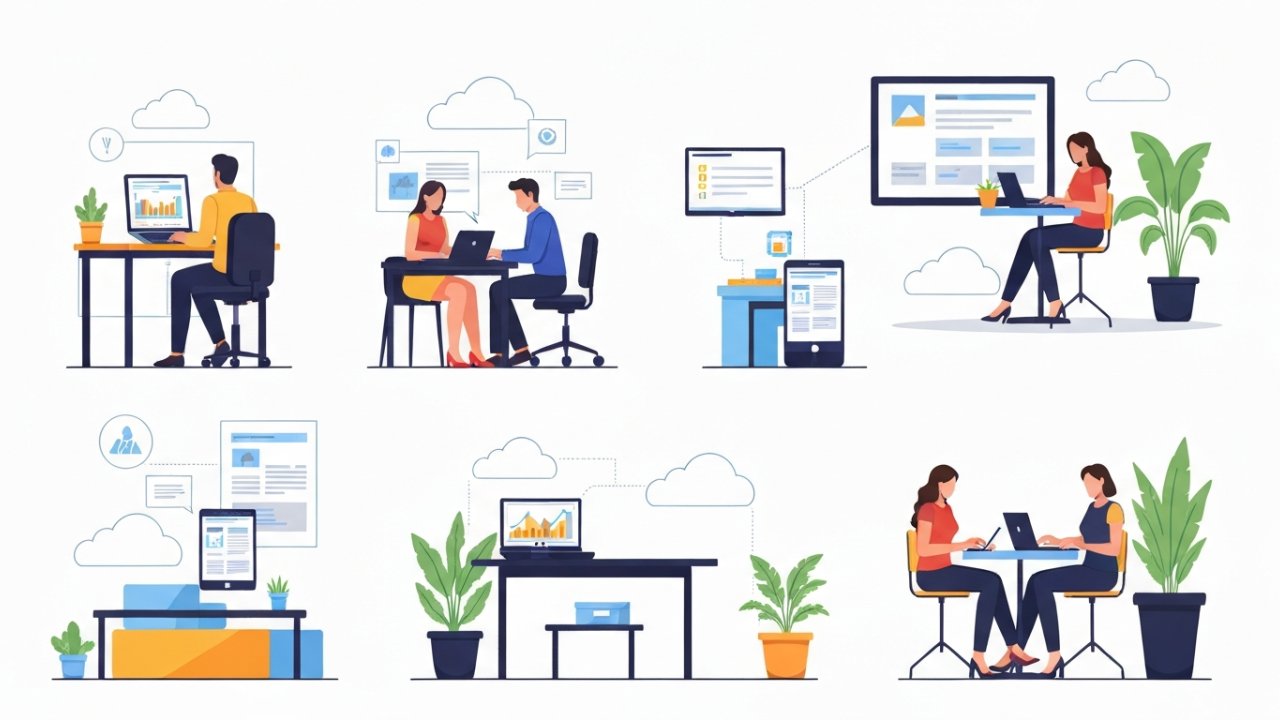
How can cloud HR systems improve accessibility for organizations? With cloud-based HR software, you gain the ability to access employee data from anywhere with an internet connection. This flexibility is vital for supporting remote work and ensuring that HR functions can be performed seamlessly across different locations.
Companies using these human capital management solutions report that 86% experience increased productivity in performance management, highlighting the effectiveness of accessible HR tools.
Mobile compatibility is another important advantage, allowing employees to quickly engage with HR requests, which cuts down on traditional follow-up time and improves response rates.
Significantly, organizations leveraging cloud HR systems are four times less likely to encounter barriers when managing employee needs, compared to those relying on non-cloud solutions. This improved accessibility promotes better communication and collaboration among departments, eventually leading to a more efficient work environment.
Cost Savings With Cloud-Based HR Solutions
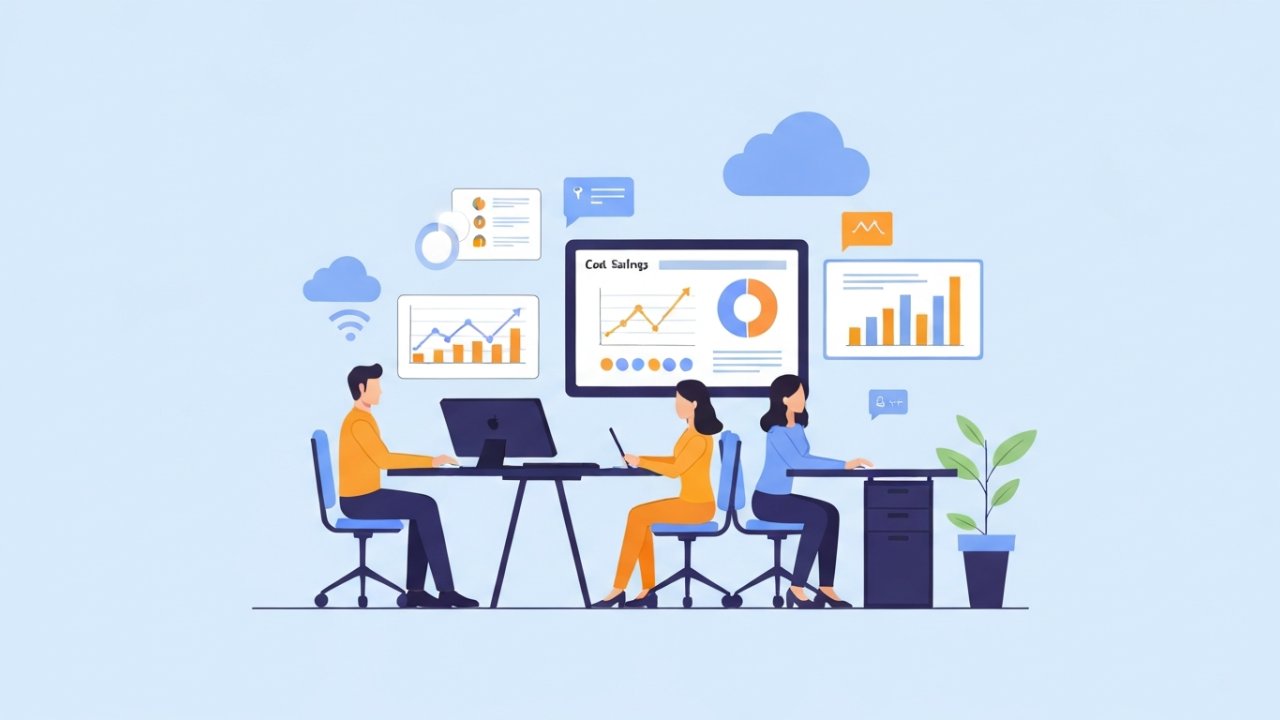
When you consider cloud-based HR solutions, you’ll find they offer a subscription-based pricing model that eliminates hefty upfront costs and unpredictable maintenance fees.
This flexibility allows you to adjust usage according to your business needs, ensuring you only pay for what you use.
Subscription-Based Pricing Model
One of the most significant advantages of cloud-based HR solutions is their subscription-based pricing model, which can substantially lower costs for organizations. This model eliminates the need for large upfront investments and ongoing maintenance fees, allowing you to focus on core HR functions.
With 51% of professionals using cloud HR systems for cost savings, it’s clear this approach is effective. You can adjust usage based on changing business needs, ensuring you only pay for the services you require. This predictability in budgeting transforms major costs into manageable monthly or annual expenses.
Furthermore, the pay-per-use structure provides financial flexibility, enabling you to scale your HR capabilities without significant financial strain.
Reduced Maintenance Costs
Cloud-based HR solutions not just provide a subscription-based pricing model but furthermore greatly reduce maintenance costs for organizations.
By eliminating the need for large upfront investments and ongoing maintenance fees, these systems allow you to allocate resources more efficiently. Typically operating on a pay-per-use or subscription model, cloud HR systems help lower costs related to deployment, maintenance, and regular upgrades.
According to Gartner, 51% of professionals choose cloud HR systems particularly for cost savings in workforce management.
In addition, by removing the burden of managing IT infrastructure, you can focus your budget on strategic initiatives rather than maintenance activities. This shift not just streamlines expenses but also improves your organization’s ability to adapt to changing business needs.
Adjusting Usage Flexibly
How can businesses effectively manage their HR needs during adapting to fluctuating workforce demands?
Cloud-based HR solutions offer the flexibility to scale usage, helping you optimize costs. With a pay-per-use or subscription model, you can adjust based on your organization’s needs without hefty upfront expenses.
Here are some key benefits:
- Reduced IT Costs: No extensive IT support or costly upgrades required.
- Scalable Solutions: Easily increase or decrease HR functionalities as workforce size changes.
- Ongoing Savings: Lower maintenance fees streamline your budget allocation.
- Proven Effectiveness: According to Gartner, 51% of professionals use cloud HR systems for cost savings.
Transitioning to cloud HR can greatly impact your financial efficiency as you meet evolving HR requirements.
Predictive Analytics in HR Solutions
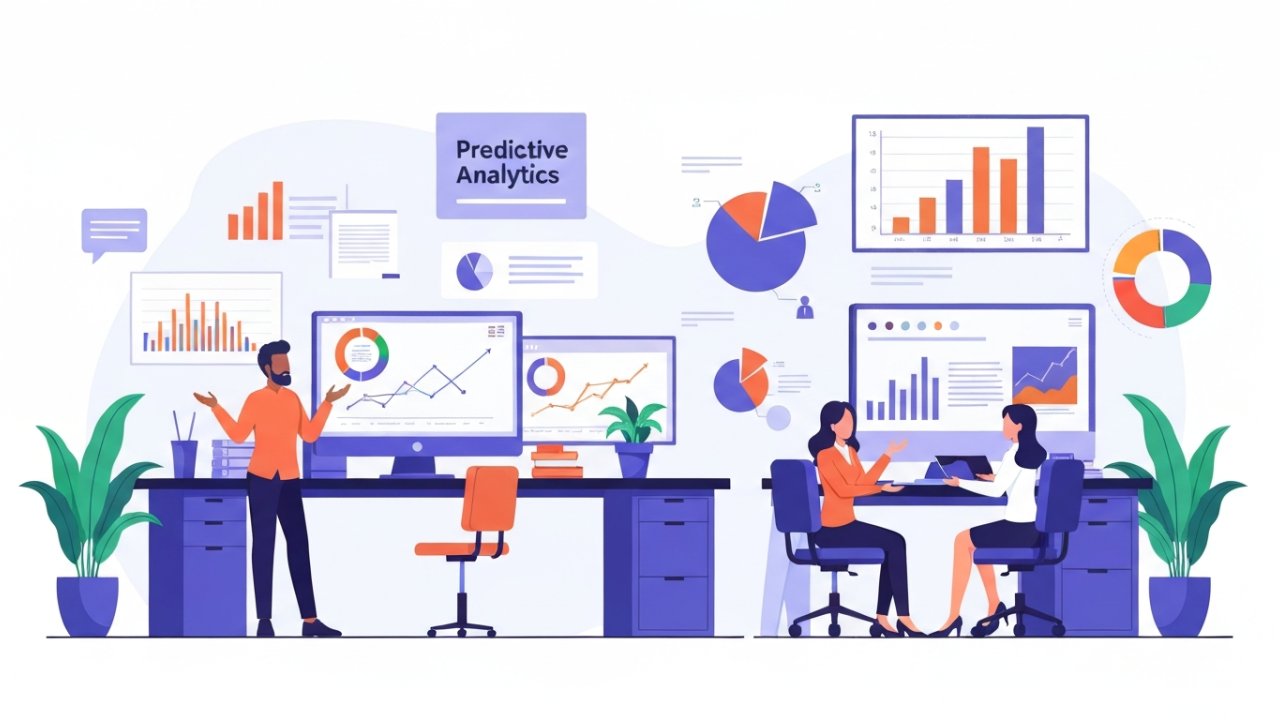
As organizations endeavor to improve their HR strategies, predictive analytics has emerged as a potent tool for optimizing employee management. By utilizing AI to track employee performance, you can address productivity losses proactively before they escalate.
Predictive analytics identifies trends and underlying reasons for HR issues, like high attrition rates, allowing you to implement early corrective measures that boost retention.
With robust reporting capabilities, you can instantly recognize turnover trends, compensation benchmarks, and skills gaps within your workforce. This data-driven approach empowers you to make strategic decisions that align with workforce dynamics and market demands, ultimately improving your organization’s competitiveness.
Automation of HR Processes
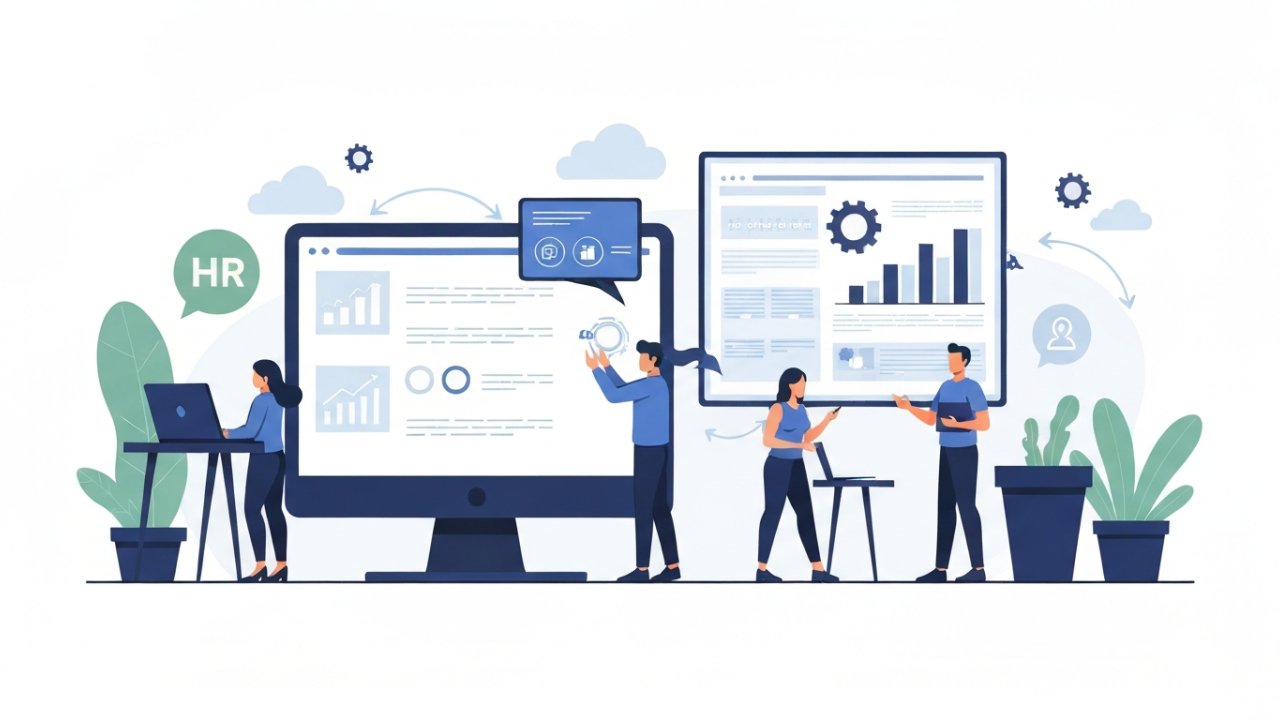
With the insights gained from predictive analytics, organizations can further refine their HR strategies through the automation of HR processes.
Cloud-based HR software automates repetitive tasks, saving time and reducing errors. This boosts efficiency, allowing HR teams to focus on strategic initiatives instead of mundane administrative work.
Benefits of automating HR processes include:
- Streamlined onboarding and offboarding, reducing manual intervention during employee changes.
- Automated scheduling of interviews and reminders, lightening the administrative burden on HR professionals.
- Increased overall productivity, with 86% of users reporting improved performance management.
- Improved employee engagement, as HR can dedicate more time to strategic planning and talent development.
Security Features in Cloud HR Software
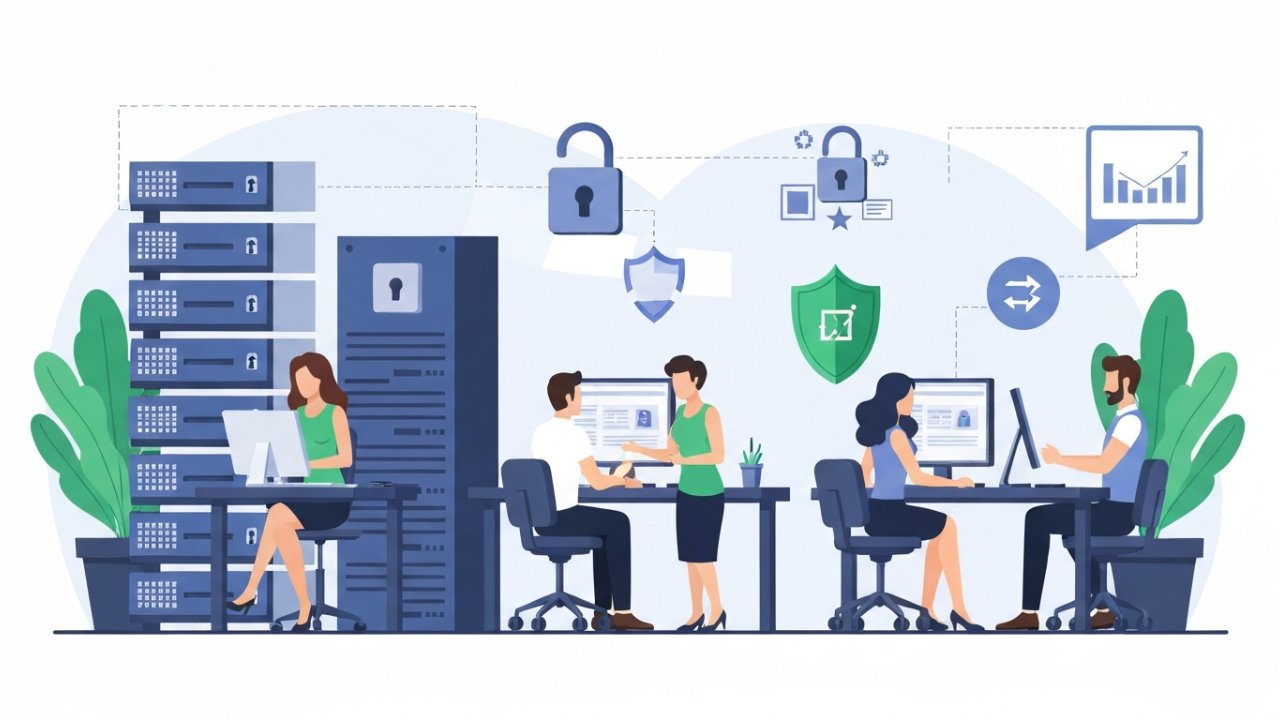
When you consider cloud HR software, security features play an essential role in protecting sensitive employee data.
With data encryption techniques and multi-factor authentication, your organization can greatly reduce the risk of unauthorized access.
Furthermore, these systems comply with regulations, ensuring that you meet legal requirements as you safeguard privacy.
Data Encryption Techniques
One key aspect of cloud-based HR software is its use of advanced data encryption techniques, which play a crucial role in safeguarding sensitive employee information.
These techniques guarantee that data remains secure during transmission and storage, protecting it from unauthorized access.
Here are some critical benefits of data encryption:
[embedded content]
- Protects sensitive employee data from breaches and unauthorized access.
- Facilitates compliance with regulations like GDPR and HIPAA, assuring legal standards are met.
- Supports routine backups, making data recoverable in case of loss or corruption.
- A 2022 PwC HR Tech survey found that 88% of respondents noted improved data security with cloud HR systems.
With these encryption methods, you can trust that your HR data is secure and compliant.
Multi-Factor Authentication
As cyber threats continue to evolve, implementing multi-factor authentication (MFA) in cloud HR software has become essential for safeguarding sensitive employee data.
MFA requires you to provide two or more verification factors to access your HR system, considerably reducing the risk of unauthorized access. A 2022 PwC HR Tech survey revealed that 88% of respondents reported improved data security because of features like MFA.
Furthermore, studies show that 99.9% of account compromises can be prevented with this security measure. By combining MFA with routine backups and encryption, you create a robust security framework that protects employee data from malicious attacks.
[embedded content]
In the end, adopting MFA is a practical step toward ensuring only authorized personnel can access sensitive information.
Compliance With Regulations
Ensuring compliance with regulations is vital for any organization handling sensitive employee information, and cloud HR software is designed to help you meet these requirements effectively.
By incorporating advanced security features, it streamlines the compliance process.
Key benefits include:
- Data Encryption: Protects sensitive information from unauthorized access.
- Multi-Factor Authentication: Adds an extra layer of security, ensuring only authorized personnel can access data.
- Routine Backups: Safeguards data against loss, ensuring compliance with privacy regulations.
- Automatic Updates: Keeps your system aligned with the latest data protection laws, reducing the risk of non-compliance.
Integration With Other HR Management Systems
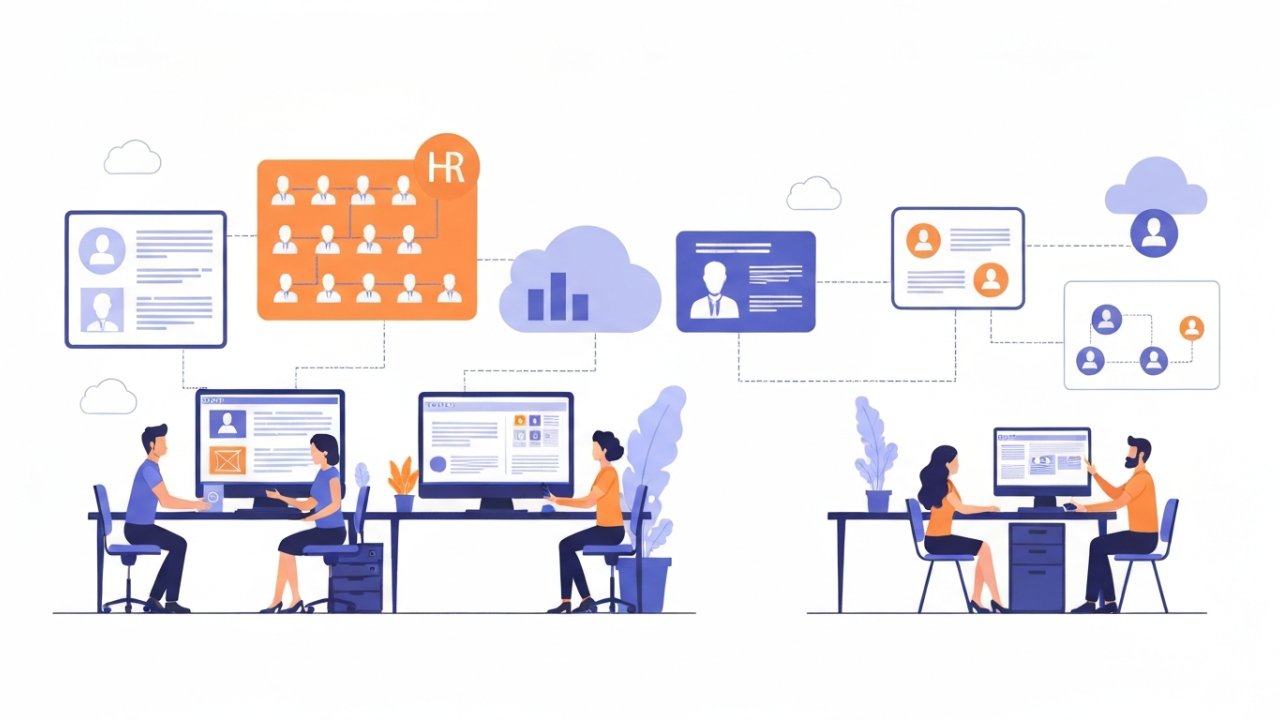
When organizations adopt cloud-based HR software, they benefit greatly from its ability to integrate seamlessly with other HR management systems like payroll, benefits, and time and attendance solutions.
This integration streamlines HR operations and considerably reduces manual data entry, saving you time and minimizing errors. Utilizing APIs, ADP, cloud HR systems improve accuracy by ensuring reliable data transfer between different platforms.
Additionally, the integration capabilities allow you to easily adapt to new innovations through secure APIs or plugins, which boosts overall efficiency.
Frequently Asked Questions
What Is a Key Advantage of Cloud-Based HR Systems?
A key advantage of cloud-based HR systems is their ability to provide remote access to employee data from any location with an internet connection. This flexibility supports various work arrangements and improves employee engagement.
Furthermore, these systems streamline HR processes through automation, allowing you to focus on strategic initiatives. By leveraging data analytics, you can gain insights that help identify potential issues early, improving overall organizational efficiency and effectiveness.
Is Cloud-Based HR Software Better?
Yes, cloud-based HR software is often considered better because of its accessibility and cost-effectiveness. You can manage HR tasks from anywhere, which supports remote work.
These systems typically require lower upfront costs and reduce ongoing maintenance through subscription models. Furthermore, they streamline processes and improve data security with features like encryption.
What Are the Advantages of Cloud-Based Software?
Cloud-based software offers several advantages. It reduces upfront costs and maintenance fees, operating on a flexible subscription model.
You’ll save time and minimize errors through automation of repetitive tasks, allowing you to focus on strategic initiatives. Mobile compatibility improves productivity, enabling access to functions anytime, anywhere.
Moreover, improved data security features protect sensitive information, as well as integration with existing systems streamlines processes and reduces manual entry errors, increasing overall efficiency in your organization.
What Is Cloud HR Software?
Cloud HR software is a digital solution that streamlines human resources functions, providing tools for payroll, benefits, and performance management over the internet.
You can access it from anywhere, making it convenient for remote work. This software reduces redundant data entry by integrating crucial HR.com processes, automating tasks like onboarding and offboarding.
Conclusion

In conclusion, cloud-based HR software offers significant advantages for organizations, including improved accessibility, cost savings, and improved automation of HR processes. These solutions additionally provide robust security features and the ability to integrate with existing HR management systems, ensuring compliance and data protection. By leveraging predictive analytics, companies can make informed decisions that drive strategic initiatives. Adopting cloud HR systems not just streamlines operations but supports a modern, flexible work environment.
Image via Google Gemini