


Benefits review to suggest quicker payment for some disabled people
-
Published
A review into the main disability benefit is set to recommend that those with the most severe conditions and terminal illnesses should get quicker payments.
The report on Personal Independence Payment (Pip), which will be published on Tuesday afternoon, will also suggest that assessments are overhauled to provide claimants in England and Wales with more appropriate support.
But despite the cost of the benefit projected to more than double between 2020 and 2030, the review is understood not to suggest major savings.
Groups representing disabled people – who had a hand in drafting the report – have broadly welcomed its findings.
The review, chaired by the Disability Minister Sir Stephen Timms, was asked by the government to explore how the benefit, claimed by around four million people, could be made “fair and fit for the future in a changing world”.
The review was set up last year after the Starmer government’s aborted attempt to cut welfare spending.
Sir Stephen set out several proposals in an article in the Times on Monday, which are likely to be accepted by ministers.
These include that disability benefit payments should be linked to real-life needs and the extra costs incurred by the claimant, rather than their diagnosis.
As part of that, those with the most severe and persistent conditions would be fast-tracked with no further assessments involved – believed to be the case for about one in 10 claimants. The aim, wrote Sir Stephen, was to create a process that was “less burdensome”.
The government is set to spend £32.1bn on Pip this financial year, a figure that is projected to rise to £41.5bn in 2030-31. In 2019-20, the year before the pandemic, Pip cost £16.3bn, when adjusted for inflation to today’s prices.
“Disability claims have risen fastest amongst young people who are the least likely to be become seriously ill as a result of the pandemic,” said Matt Ryder, a policy consultant with the free-market think tank the Adam Smith Institute.
“We need to target lower-level mental health claims. That seems to be the root cause of the rising claims, so we need to restrict eligibility for that.”
Research last month from the Resolution Foundation, a think tank focused on lower and middle earners, suggested about one in six Pip recipients said they didn’t incur any extra costs due to their disability.
The think tank suggests removing Pip from this group would save up to £4.4m a year.
-
Number of people claiming key disability benefit hits record high
-
Published15 September
-
-
Welfare cuts: What’s been happening with Pip and universal credit?
-
Published11 hours ago
-
Lindsay Judge, research director at the Resolution Foundation, said although the Timms Review did not set out to cut costs, “they should be possible nonetheless”.
“The Timms Review rightly stated this summer that the current system of Pip is not fit for purpose, and that major change is needed.
“In its final report, the review must set out clearly how the system can work better. This should include assessments that seek to better understand disabled people’s needs; awards – either through cash or services – that better reflect the actual costs that disabled people face; and more regular light touch check-ins so that changes of circumstances are fully understood.”
Ryder said fewer reassessments for people with deteriorating conditions, and making the process more accessible were “individually the right thing for disabled people” but that the think tank were concerned abut the rising costs of Pip.
“The cost at the moment is acceptable, but it’s where the cost is heading. The number of claimants has roughly doubled since before the pandemic. According to the OBR, we can expect that spending on Pip will rise to £47bn in five years’ time. And there’s no reason why it would stop at that point. Why wouldn’t it continue on growing?”
The proposals will be put forward by a steering group, led by Sir Stephen, which the government will respond to.
There were concerns from disability charities that Pip payments might become means-tested or the cash payments partially replaced with vouchers, but it is understood this will not be the case.
James Taylor, head of strategy at disability charity Scope, said the organisation agreed Pip assessments needed an overhaul.
“Disabled people have told us the process is stressful and degrading. Fast-tracking claims and ending unnecessary reassessments for people with severe conditions could make a real difference.
“A better assessment should recognise the extra costs disabled people face, and should include what they need and what they are already going without. If you can’t afford the taxi you need because public transport is inaccessible, the cost hasn’t gone away. People need reliable cash support they can use as their needs change, whether they’re in work or out of work.”
‘The process is intimidating and confusing’
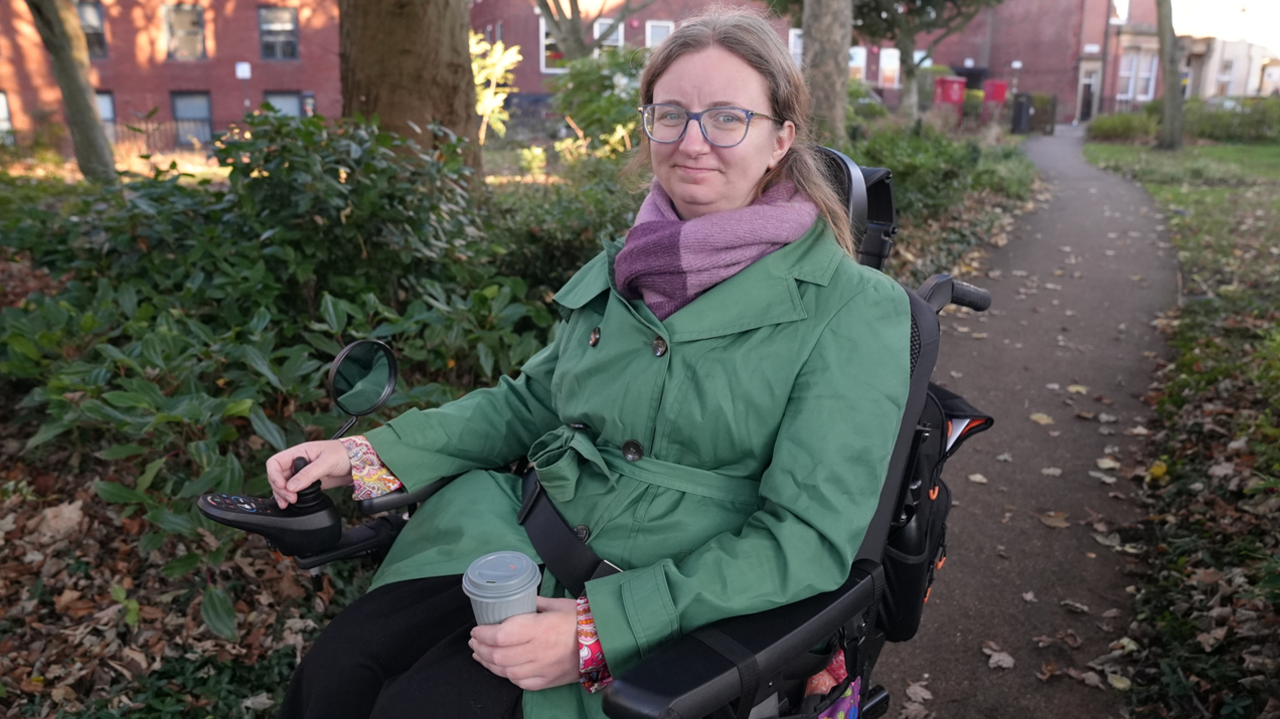
Alicia Cartwright in Preston receives the higher rate of Pip for both the daily living and mobility components, which she says equates to about £500 every four weeks.
Cartwright is a power wheelchair user and works several part-time jobs at a university.
She says the costs of her disabilities run to a further £1,500 a month which she has to pay out of her wages.
“The mobility part of it, that goes on paying for my wheelchair. And then the rest of my Pip goes entirely on paying someone to help me around the house”
The mum of two is a trained benefits advisor, but says even she finds the current assessment process “intimidating and confusing”.
“Trust disabled people to know what their needs are. Of course, have some checks in there, absolutely, but we really need to start from a place of trust.
“Currently, in any dealings with the benefits system, you feel like you’re on trial, and for a lot of people, asking for help is difficult in the first place.”
The disability benefit system is devolved in Scotland and will not change in line with England and Wales, but the Timms Review could impact the funding the Scottish government receives.
Disability benefits are also devolved in Northern Ireland, but in practice it reflects any changes made to the system in England and Wales.