
This post was originally published on this site.
Burnham’s chancellor will have to find extra £4.7bn for defence, says minister
-
Published
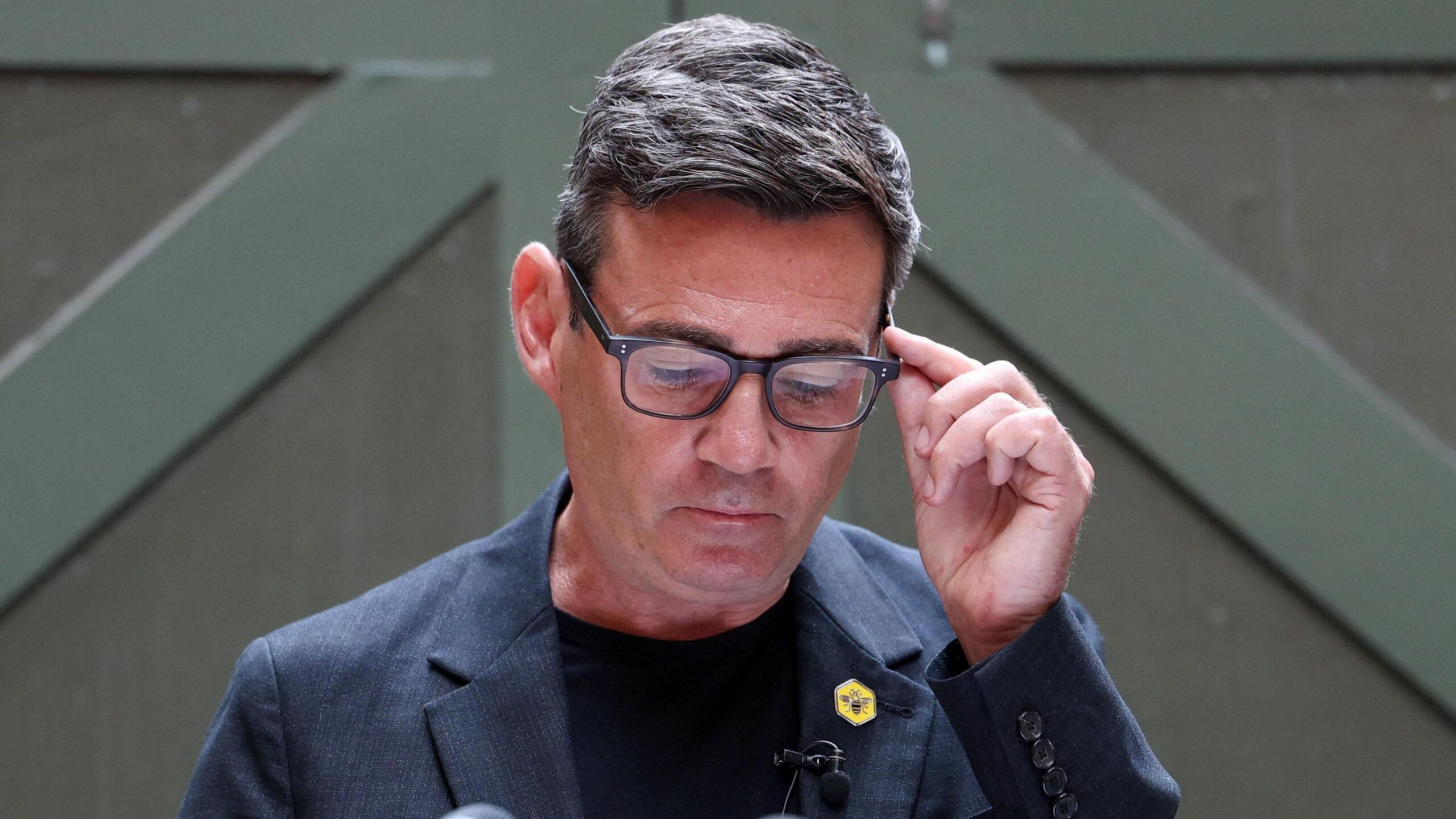
Andy Burnham’s government will have to find an extra £4.7bn to fund the defence investment plan announced by the outgoing prime minister Sir Keir Starmer, a defence minister has said.
Luke Pollard told the BBC the next chancellor “whoever that may be” will have to “find the resources” in their autumn Budget.
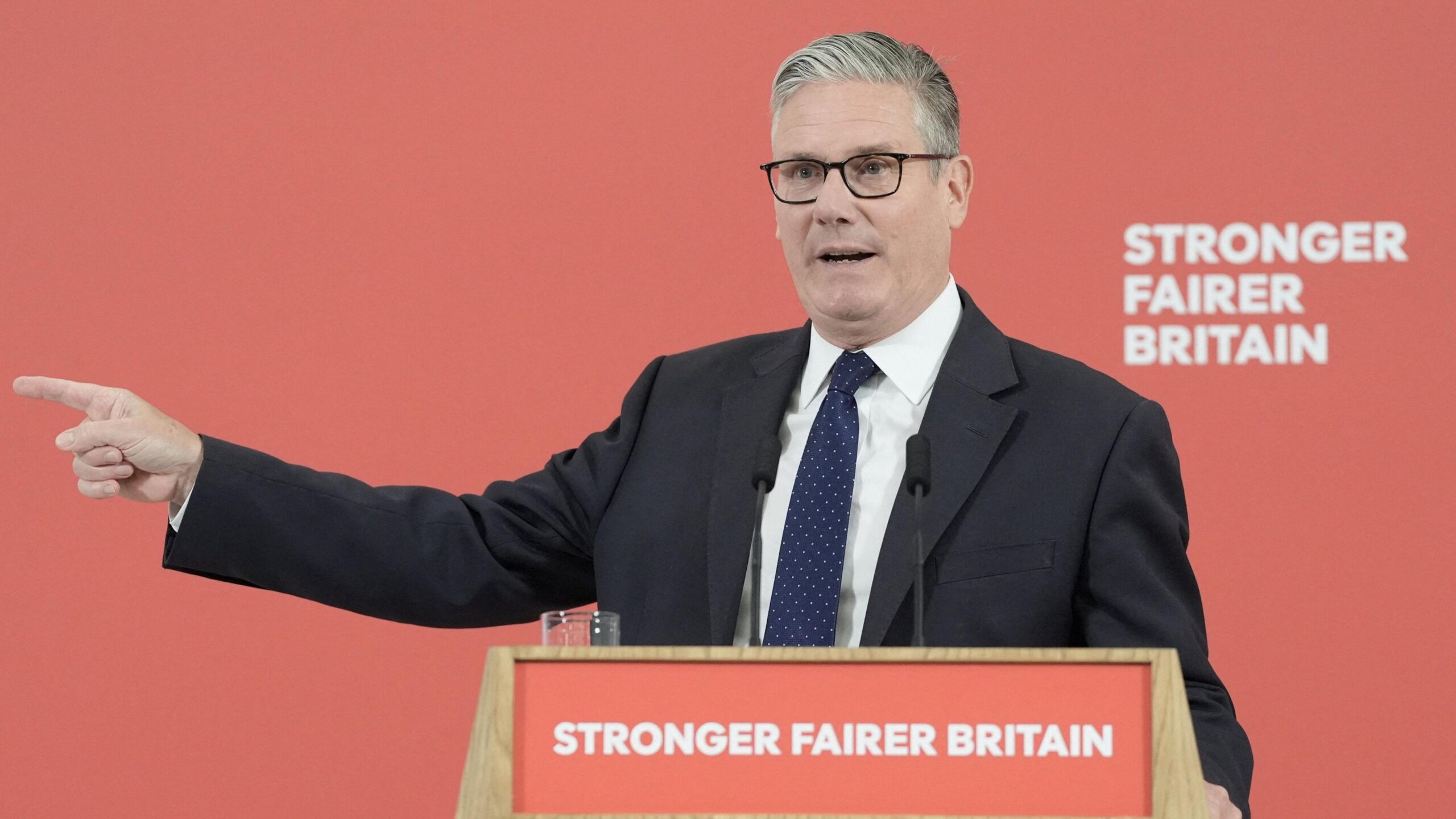
In one of his final acts as PM, Sir Keir announced £15bn of spending over the next four years to support a long-awaited plan to boost the UK’s defences.
But the Treasury said only £10.3bn in savings had currently been identified, meaning Burnham, who is widely expected to take over as prime minister on 20 July, will have to find the resources to plug the gap.
Pollard told BBC Breakfast: “Just over £4bn will be set out in the autumn Budget.
“Of course, this is pretty standard fare for the government to make an announcement and set out the details at the forthcoming budget.
“The last government did it a number of times.”
Burnham is widely expected to replace Rachel Reeves as chancellor if he becomes PM, with Energy Secretary Ed Miliband seen as the front-runner to step into the crucial role.
Pollard said Reeves had set aside more cash for emergencies and “shocks” – known as headroom – in her Budget last November and it would be “up to the next chancellor, whoever that may be, to allocate both the headroom and the resources in the budget this year”.
He said he was a “big supporter” of Burnham and hoped he would become prime minister, but also revealed that the former Greater Manchester mayor had only been told about the £4.7bn defence funding gap on Tuesday.
“Downing Street have a close dialogue with Andy’s team … I understand they’ve been keeping him close to the process, and told him yesterday when the Treasury published the statement and the breakdown of the financial costs,” he told Sky News.
Defence Secretary Dan Jarvis said there would have to be “conversations” with the next prime minister about funding the armed forces, but insisted it was “not unreasonable” to set out those plans at a “major fiscal event” like the next Budget.
Speaking to reporters on a visit to missile manufacturer Cambridge Aerospace, Jarvis said: “I think we made really good progress yesterday with the publication of the plan, and that was helpful because it ended the uncertainty that had been around it.
“But yes, I will want to do more and go further, and it’s my job, working with the chiefs, to make sure that we secure the resource, the investment that we need into defence to honour the commitments that we have made, which I am absolutely determined that we will keep.”
Burnham has yet to comment on where he will find the extra money – or whether he would be open to increasing the defence budget further.
One Burnham ally told the BBC the funding gaps in Tuesday’s defence plan were “another spending pressure” he will have to face.
In a speech on Tuesday, Sir Keir said the defence investment plan (DIP), initially expected last autumn, would reverse the “corrosive hollowing out” of the armed forces under the Conservatives.
Roads backlash
Under the plans, overall defence spending will rise from 2.6% of national income in 2027 to 2.7%, or nearly £80bn, by 2030.
He said the UK was on track to spend 3% of GDP on defence in the next five-year Parliament – but he did not set a more specific date on this target, something defence chiefs and former Defence Secretary John Healey had called for.
Sir Keir said the DIP would put the UK on track to meet Nato’s core defence spending target of 3.5% of GDP by 2035.
The outgoing PM ruled out further borrowing to fund the increase, and instead the money would be found by cutting the long-term investment budgets of other government departments by 1%.
The Department for Transport is making a further £700m in savings from roads projects, with the A38 Derby Junctions and A46 Newark Bypass scheme being considered for cancellation.
The Department for Energy Security and Net Zero (DESNZ) is finding an additional £2bn from its budget. More detailed plans are expected in the autumn.
Plans to cancel road projects have already sparked a backlash from local leaders and MPs, with Labour’s East Midlands mayor Claire Ward calling them “completely unacceptable”.
Reform UK MP Robert Jenrick, who represents Newark, also weighed in, saying: “I have written to the transport secretary and demanded an urgent explanation for local residents.
“It is shameful that such a big decision has been snuck out by the government without any debate.”
Lincoln MP Hamish Falconer, a Foreign Office minister, has said he was “disappointed by the uncertainty” around the A46 scheme, while Mid Derbyshire Labour MP Jonathan Davies said cutting transport spending risked putting a “brake on economic growth”.
-
-
Published3 hours ago
-
-
-
Published3 hours ago

-
-
-
Published14 hours ago
-