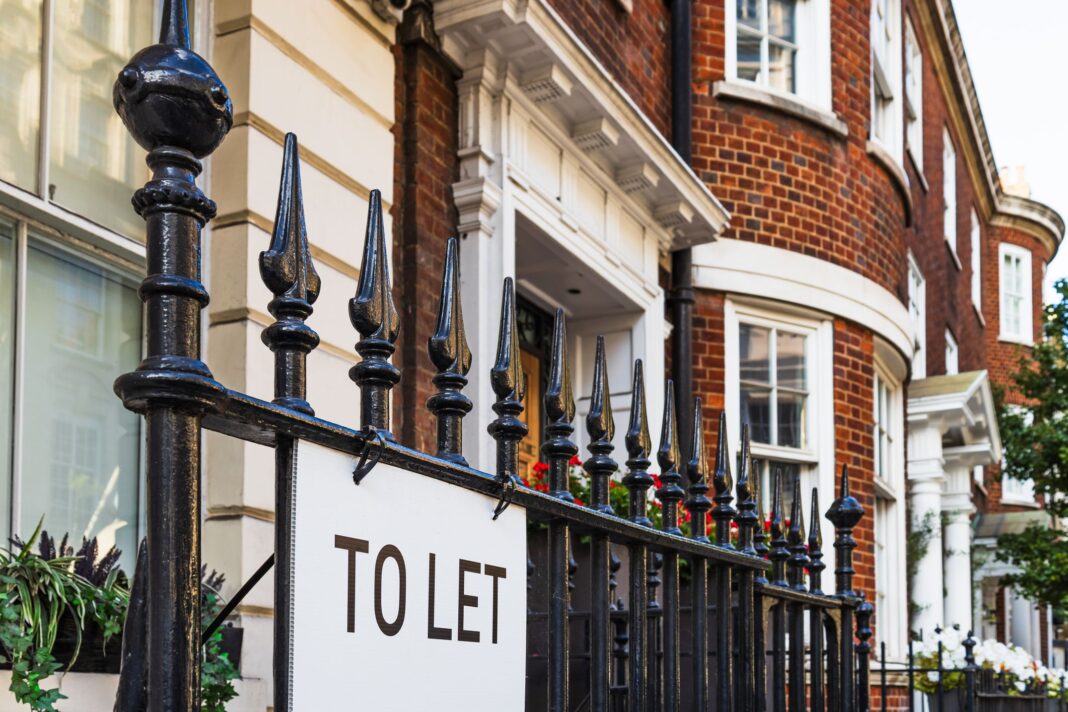
Investing in property has been a popular strategy since the first buy-to-let (BTL) mortgages came to market 30 years ago, as landlords receive rental income as well as asset appreciation.
When BTL mortgages began, buying a home was much more affordable than it is now. The average home cost just £54,900 in 1996 – adjusted for inflation, this is around £114,400 today.
That is much less than the average house price in the UK today of just over £270,000, according to HM Land Registry.
Try 6 free issues of MoneyWeek today
Get unparalleled financial insight, analysis and expert opinion you can profit from.
Start your trial
Sign up for MoneyWeek’s free twice-daily newsletter.
Join more than 165,000 subscribers and keep yourself informed with latest financial news, insights and expert analysis to help you understand what really matters when it comes to your finances.
Join more than 165,000 subscribers and keep yourself informed with latest financial news, insights and expert analysis to help you understand what really matters when it comes to your finances.
Aneisha Beveridge, head of research at Hamptons, said: “When the buy-to-let mortgage was launched in 1996, few predicted it would become one of the largest wealth-creation engines of modern British history.
Latest Videos FromMoneyWeek
“It opened the door to a new breed of middle-class investor seeking bricks-and-mortar security when buying property outright was out of reach.”
The returns that BTL landlords have made in that time beat those of stock market investors.
After 30 years of buy-to-let, landlords have enjoyed average returns of 2,130%, according to new research from estate agency Hamptons, meaning every £1 invested in buy-to-let in 1996 is now worth £22.30.
Every £1 invested in the S&P 500, the flagship US index, in September 1996 is now worth £22.05 as of September 2026, up 2,105% in the last 30 years (assuming dividends were reinvested).
The data shows that, on paper, investing in buy-to-let has delivered more growth than investing in the S&P 500. But landlords have to work hard for those extra 25 percentage points of growth.
Buy-to-let returns have historically outpaced stock markets
While BTL only narrowly beat investing in the S&P 500, a much larger gap emerges between other stock market metrics.
Since 1996, the FTSE 100 index, which comprises 100 of the largest firms listed on the London Stock Exchange, has returned just 796%.
It means every £1 invested in the FTSE 100 in 1996 is worth only £8.96, far less than the £22.30 from investing in BTL.
BTL returns are also more than triple the returns from investing in gold. Every £1 invested in gold 30 years ago is now worth just £7.36.
During that period, 62% of total BTL returns have come from rents paid by tenants, while the remaining 38% came from rising property prices, according to Hamptons’ analysis.
Stock markets are now bringing faster growth than BTL
Although BTL returns have outpaced those of the stock market in the last 30 years, the tide has turned more recently.
Over the last five years, cumulative returns from residential buy-to-let have been just 41% compared to 75% from the S&P 500 and 73% from the FTSE 100.
It means being a landlord has become far less lucrative than it once was, especially for those who are just purchasing their buy-to-let properties now.
Landlords now have to contend with an increased regulatory burden from the Renters’ Rights Act which has given much stronger powers to tenants.
Meanwhile, house price growth has been slow in recent years. House prices exploded during the pandemic, but fell shortly after, even dipping into negative growth in 2023 and 2024.
Is it worth being a buy-to-let landlord?
While renting out a property has, on average, brought better returns than investing in the stock market over the last 30 years, it also involves a lot more work.
Whereas putting your money into a low-cost index fund takes very little time and effort – you can simply put your money into an ISA and wait – being a landlord is much more time-consuming.
Unless you want to fork out for a property management agency, landlords will need to do all the work associated with renting out a flat like fixing faulty appliances or organising a flat cleaning before new tenants move in, and there is always the risk of having to deal with destructive tenants.
While this may be manageable if your property portfolio is small, it can quickly become a full-time job if you rent out multiple homes.
That is before even considering extra expenses, like having to organise repairs or having to renovate your property to keep it desirable. What is more, if you have trouble finding new tenants when your current ones move out, you will be stuck earning no rental income.
Jessica Sheldon, MoneyWeek’s deputy digital editor, said: “When choosing between a buy-to-let or investing the money in the stock market, make sure you factor in other expenses.
“Landlords will need to ensure the rental property is habitable and be prepared for unexpected maintenance costs, and there may be periods when the property might be empty, and therefore not bringing in any rent. Plus, the market has become tougher for landlords after new Renters’ Rights Act rules came into force in May 2026.”
In comparison, putting money into the stock market is easy and cheap, although investing in stocks is not risk-free.