
Consumer confidence in the UK fell by 11 points in October, the largest monthly decline outside the pandemic since the 2016 EU referendum, according to GfK’s long-running survey of households published today.
The consumer research house’s overall index fell to -24 from -13 in September, its lowest level since the aftermath of the US-Iran war in April. The drop reverses the gradual gains in sentiment that GfK recorded over the summer.
Neil Bellamy, a director at GfK, described October’s fall as an “extraordinary collapse”, adding: “These are damaging findings given the government’s priority of economic growth.”
The survey was carried out in the two weeks to 14 October. Bellamy said the downturn was not caused by a “single major economic event”.
Instead, he said, households had turned pessimistic about their finances and the economy because of “relentless cost of living pressures against an international backdrop of unresolved regional conflicts that are themselves contributing to domestic inflation”. He added: “The speed of this deterioration is alarming.”
Expectations for the general economy and intentions to make major purchases in the coming months were the biggest drags on the index, each falling by 14 points, according to GfK. Households also reported less optimism about their personal financial situation over both the past year and the coming 12 months.
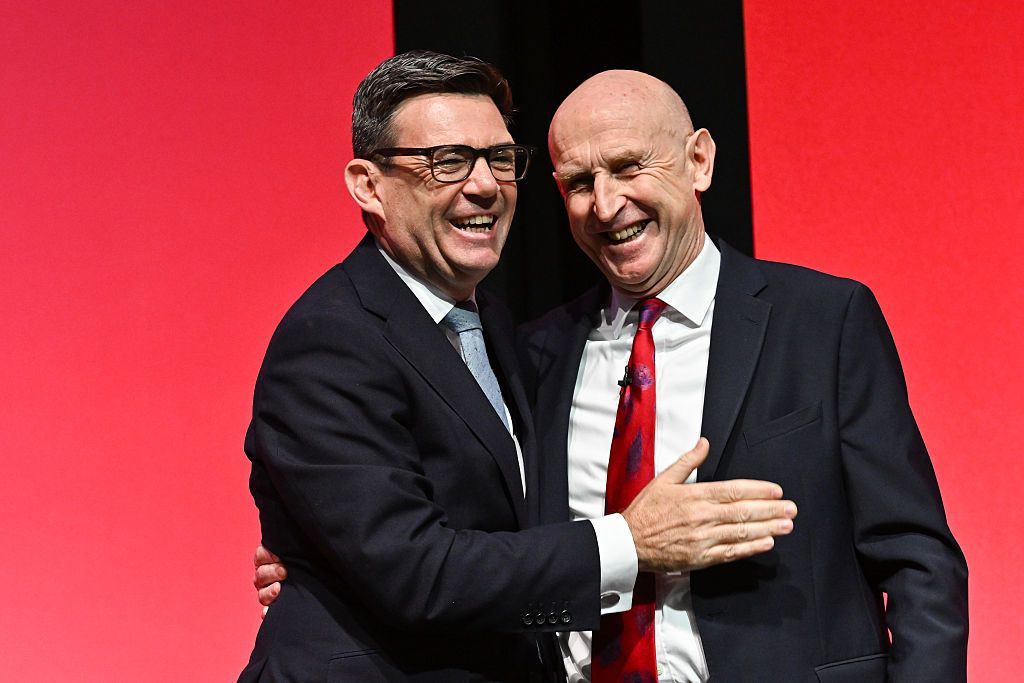
The figures arrive five days before John Healey, the chancellor, delivers his first budget on 28 October. Business and consumer confidence had rebounded steadily after Andy Burnham’s government took office in July, and the economy has been one of the best performing in the G7 this year, but recent survey indicators have turned. The British Retail Consortium’s monthly sentiment measures also lost six points in October.
Sentiment surveys do not always translate into spending. Official figures published today by the Office for National Statistics (ONS) showed retail sales volumes fell by 0.4 per cent in September, following a 0.7 per cent rise in August. The ONS said online clothing retailers reported that sales of autumn and winter ranges were affected by unseasonably warm weather, while supermarket sales also fell.
Separate ONS data this week showed inflation rose to 3.5 per cent in September from 3.1 per cent, pushed up mainly by energy costs. The labour market has performed slightly above expectations, with unemployment falling to 4.7 per cent, the lowest rate this year.
Despite the steadier jobs market, close to three quarters of firms struggled to hire in the third quarter, according to a survey of more than 4,300 businesses by the British Chambers of Commerce (BCC). Recruitment difficulties were highest in construction, where nearly eight in 10 companies said they struggled to take on new staff.
A manufacturer in the West Midlands surveyed by the BCC said: “Labour costs keep rising. Recruitment and staff retention remain challenging, requiring ongoing investment in talent development.”
Healey has promised to lower the “cost of business” and support “bloody-minded entrepreneurs” at the budget, hinting at measures such as energy price relief and cutting regulations.
He told media: “I want to be a chancellor who backs business in Britain making a profit and those entrepreneurs who, in the end, are the ones who challenge the status quo, come up with innovative ideas and are trying, some of them through sheer bloody-mindedness, to keep going through these sorts of pressures.”
Industry groups including the CBI and the BCC have urged the government to reverse the rise in employers’ national insurance contributions (NICs) made by Rachel Reeves in 2024, to bring down hiring costs, particularly for younger workers. The CBI has separately called for the employer threshold to rise from £5,000 to £6,000.
Patrick Milnes, head of people and work at the BCC, said that cutting NICs for under-25s “would lower the cost of taking on young people, help tackle youth unemployment and give businesses greater confidence to invest in skills”.
He added: “The chancellor must use his statement next Wednesday to give firms much-needed breathing space and remove hiring barriers.”