

This post was originally published on this site.
Creating an effective customer interest survey starts with defining your purpose. Decide what you want to learn, whether it’s preferences or satisfaction levels. Then, select user-friendly tools that fit your needs and allow for easy customization. Develop clear, engaging questions that mix formats to keep respondents interested. Consider offering incentives to boost participation. Finally, analyze the feedback to spot trends and improve customer engagement. Let’s explore how to implement these steps effectively.
Key Takeaways
- Define clear objectives for your survey to understand customer preferences and measure satisfaction effectively.
- Choose user-friendly survey tools that allow customization and integration with your existing systems.
- Develop concise and relevant questions, mixing formats while keeping the total to 5-10 for participant convenience.
- Offer appealing incentives that resonate with customers to boost participation rates.
- Analyze feedback thoroughly to identify trends and improve customer engagement based on insights gained.
Define the Purpose of Your Customer Survey
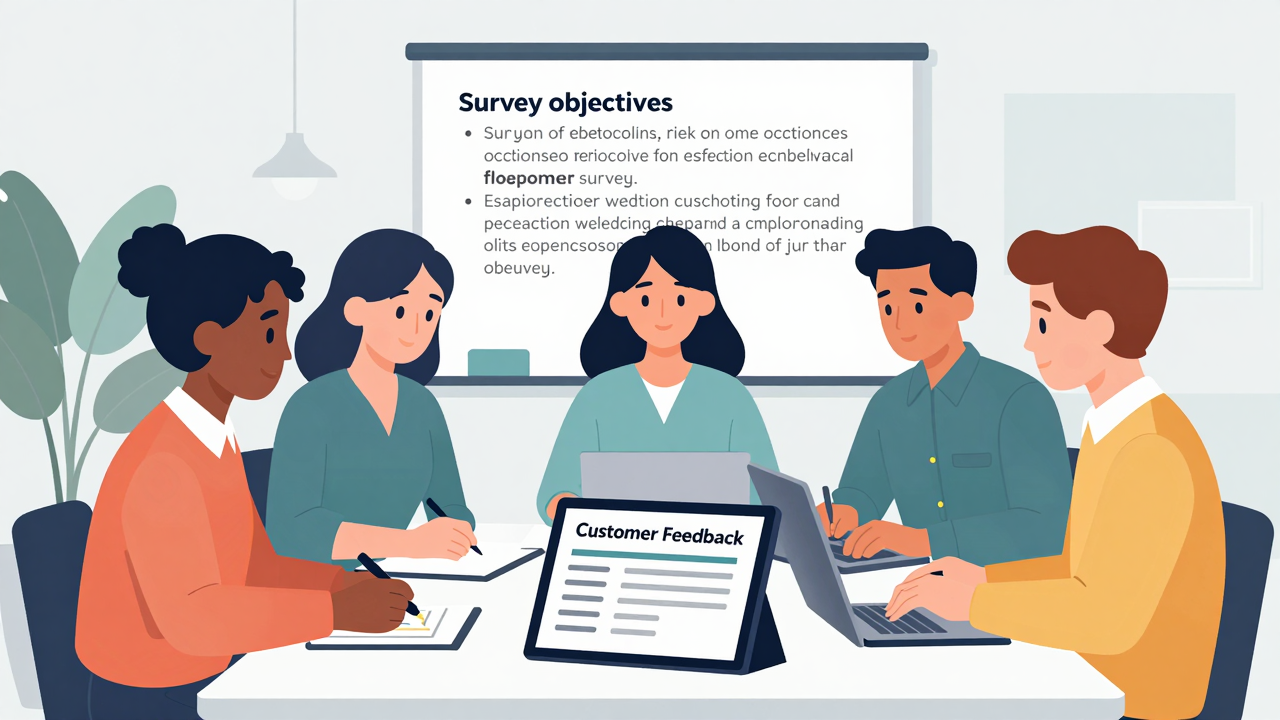
Defining the purpose of your customer survey is essential, as it sets the stage for everything that follows. Start by establishing specific objectives, like understanding customer preferences or measuring satisfaction. This clarity allows you to tailor your survey template effectively, ensuring your questions align with your business goals.
When creating your customer interest survey, focus on a clear survey format that encourages meaningful responses. Communicate the intent to your respondents; this can enhance engagement and lead to more thoughtful answers.
Using a well-structured survey questionnaire template can help you craft questions that directly relate to your defined purpose. This alignment increases your chances of obtaining actionable insights, guiding your product development or marketing strategies.
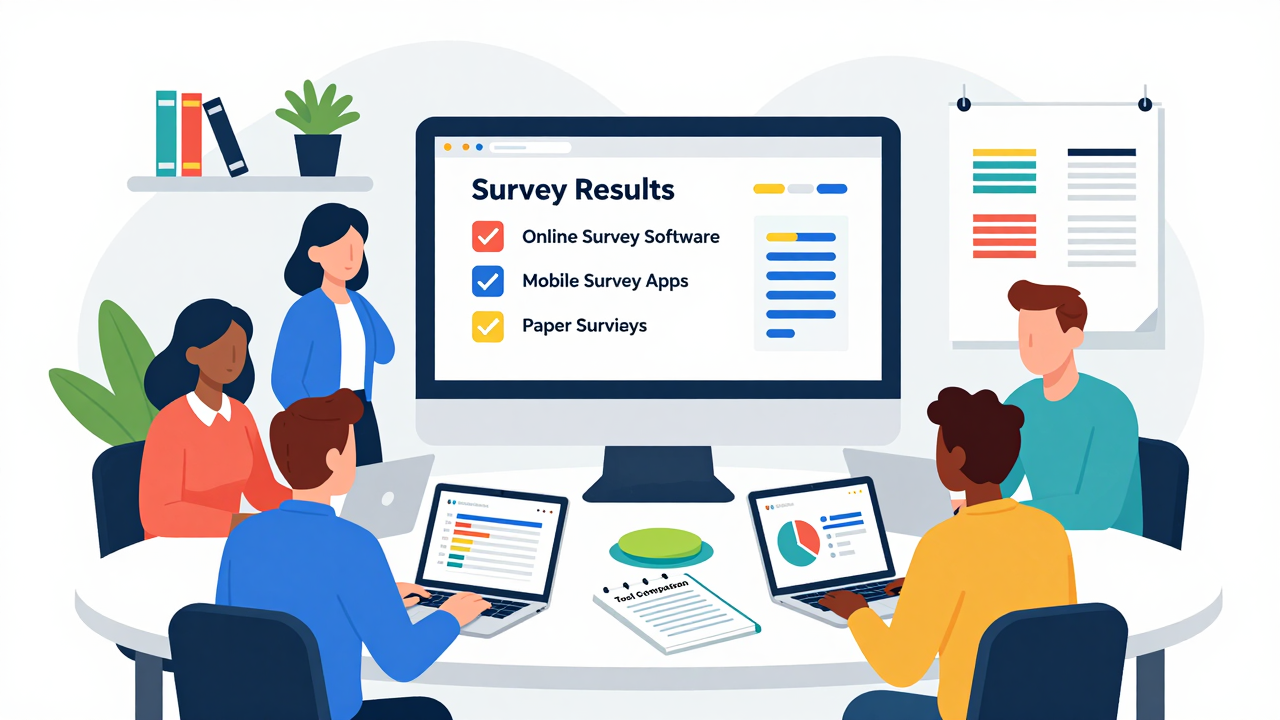
How do you choose the right survey tool for your needs? Start by looking for user-friendly options like SurveyMonkey or KwikSurveys. These platforms offer intuitive interfaces and various survey form templates, making it easy to create surveys quickly.
Next, consider customization options; select tools that allow you to tailor your survey design template and questions to reflect your brand. This personalization helps engage respondents effectively.
[embedded content]
Additionally, assess advanced features such as AI-driven insights and reporting capabilities. These can greatly enhance your data analysis, especially with a market research survey template.
Integration capabilities are also essential; make sure the survey tool works smoothly with your existing software, like Salesforce CRM systems, to streamline data collection.
Finally, evaluate cost efficiency; many tools offer free basic plans, so choose one that fits your budget while meeting your survey needs.
Develop Clear and Compelling Survey Questions

Creating clear and compelling survey questions is essential for gathering valuable insights. Start by aligning your questions with the survey’s purpose; this guarantees you collect relevant information.
Use a mix of question types, such as multiple-choice and open-ended formats, to capture both quantitative data and qualitative feedback. For instance, an employee survey template might include questions about job satisfaction, while a sample survey format might ask for open-ended suggestions.
Keep the language straightforward and avoid jargon, making it easy for all respondents to understand. Aim for 5-10 questions to respect respondents’ time and boost completion rates.
Finally, test your questions with a small audience before wide distribution. This helps identify any ambiguities and allows you to refine wording for clarity.
Incentivize Participation for Higher Response Rates

To boost survey response rates, consider incentivizing participation with rewards that resonate with your audience. Offering discounts, gift cards, or entries into a prize draw can increase participation by up to 30%.
Make sure the incentives align with your customers’ interests; relevant rewards enhance motivation. When promoting your survey using a survey sheet template or a sample survey form template, clearly communicate the incentive to create anticipation and encourage participation. This makes customers feel valued for their time and input.
Automate the distribution of incentives through tools linked to your printable survey template, ensuring timely delivery. Providing immediate rewards upon survey completion fosters a positive experience, increasing the likelihood that respondents will engage in future surveys.
Analyze Feedback and Use It to Enhance Customer Engagement
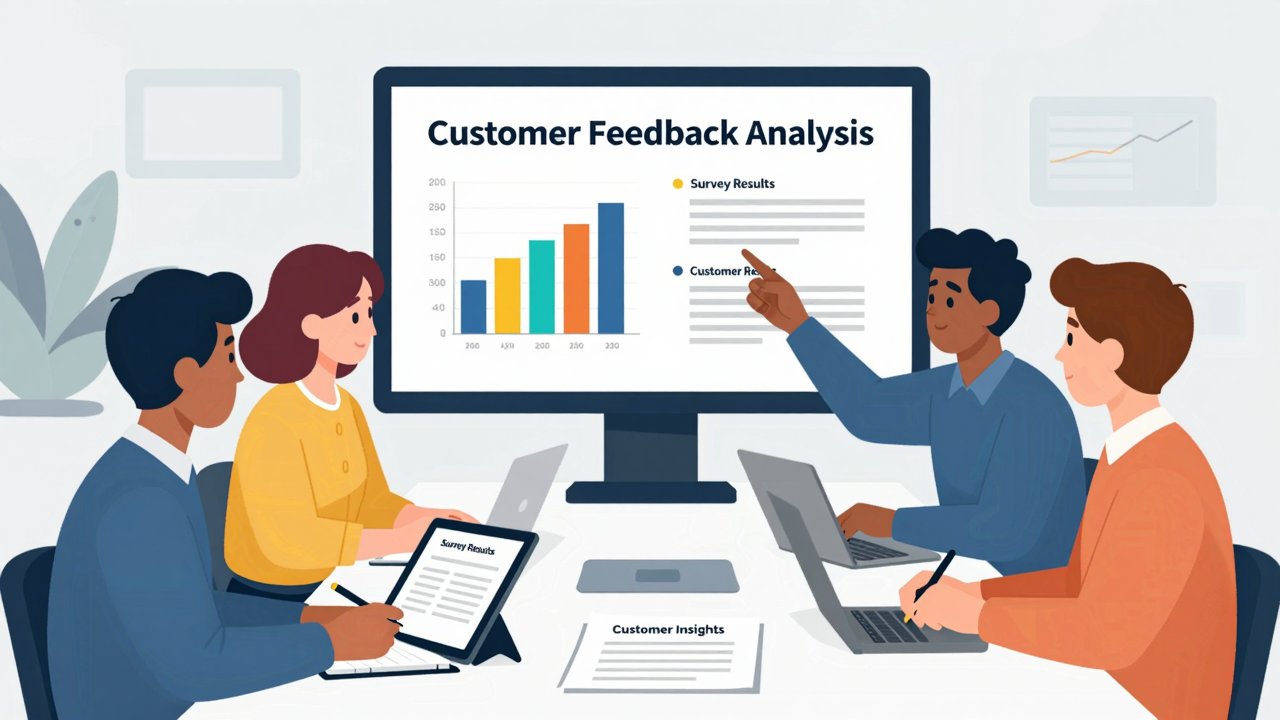
Analyzing customer feedback is essential for enhancing engagement and improving your offerings. It helps you identify trends and themes, allowing you to tailor your products and services. Use advanced reporting tools to segment data by demographics, revealing unique interests. Implement AI-driven sentiment analysis to quickly categorize responses, pinpointing areas needing urgent attention.
Regularly share feedback analysis results with your customers, fostering transparency and trust. This practice encourages ongoing engagement and participation in future surveys. Acting on feedback and communicating changes enhances customer loyalty and satisfaction.
Here’s a simple table to guide your feedback analysis:
| Action | Purpose |
|---|---|
| Identify Trends | Tailor offerings to customer needs |
| Segment Feedback | Understand different customer demographics |
| Use Sentiment Analysis | Highlight urgent areas for improvement |
| Share Results | Build trust and transparency |
| Act on Feedback | Increase customer loyalty and satisfaction |
Consider using free printable survey templates or a model questionnaire for survey design to streamline your process.
Frequently Asked Questions

What Are the 5 Steps in Conducting a Survey?
To conduct a survey, start by defining its purpose to focus your questions.
Next, design a concise survey with 5-10 questions, mixing closed and open-ended formats for rich data.
Then, choose a user-friendly tool like SurveyMonkey to create and distribute it.
Promote your survey through social media, email, or your website, and consider offering incentives for participation.
Finally, analyze the results and act on feedback to improve future surveys and build trust.
What Is the 5 Point CSAT Scale?
The 5 Point CSAT Scale lets you gauge customer satisfaction easily. Respondents rate their experience from 1 (very dissatisfied) to 5 (very satisfied).
[embedded content]
To analyze results, sum the ratings and divide by the number of responses for an average score. A score of 4 or 5 shows satisfaction, while 1 or 2 highlights areas needing improvement.
[embedded content]
Use this simple tool to identify trends and make informed decisions to enhance your service quality.
What Are the 5 P’s of Customer Service?
The 5 P’s of customer service are People, Process, Product, Physical Evidence, and Performance.
First, train your staff to be empathetic and knowledgeable.
Next, establish a clear, efficient process for interactions.
Guarantee your product meets customer expectations.
Create a welcoming environment and provide supportive materials as physical evidence.
Finally, regularly measure performance through feedback to identify areas for improvement.
What Are the 5 Key CX Metrics?
The five key customer experience (CX) metrics you should focus on are Net Promoter Score (NPS), Customer Satisfaction Score (CSAT), Customer Effort Score (CES), Churn Rate, and Customer Lifetime Value (CLV).
First, measure NPS to gauge loyalty. Next, use CSAT to evaluate satisfaction after interactions.
Then, assess CES to understand ease of use. Monitor Churn Rate to track retention, and calculate CLV to determine long-term value.
Regularly review these metrics to enhance your strategies.
Conclusion

By following these five steps, you can create an effective customer interest survey that truly meets your needs. Start by defining your objectives, then choose the right tools to gather feedback. Craft clear questions that engage respondents, and don’t forget to offer incentives for participation. Finally, analyze the results to uncover insights that can enhance customer engagement. Implement these strategies, and you’ll foster stronger relationships with your customers, leading to increased loyalty and satisfaction.
Image via Google Gemini and Small Business Trends