
This post was originally published on this site.
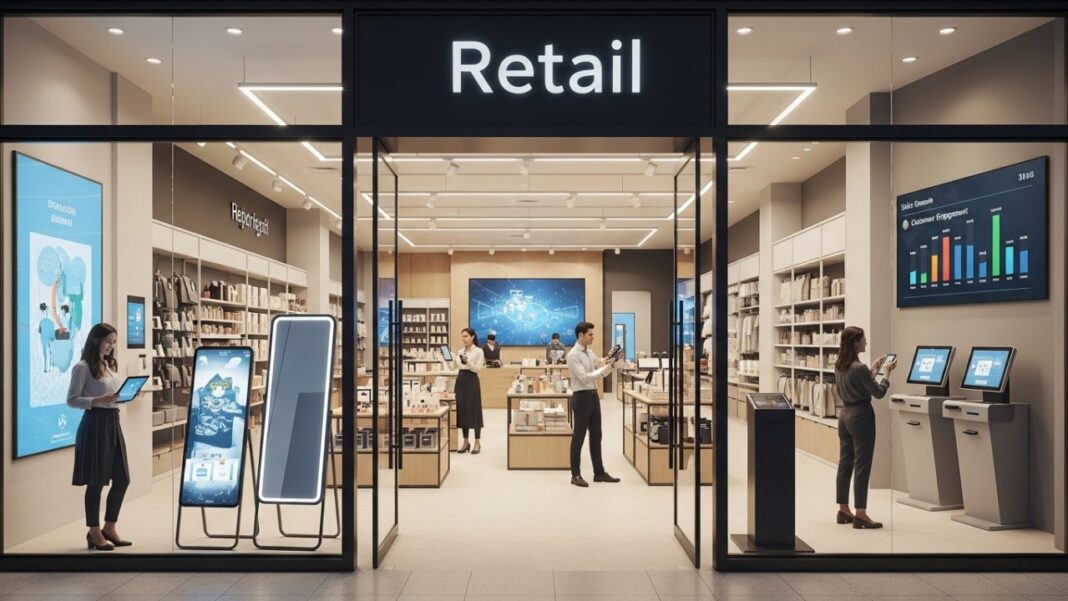
Digital transformation in retail isn’t just a trend; it’s a necessity. You need to embrace advanced technologies to enhance customer experiences and streamline your operations. Start by evaluating your current practices. Are you using data analytics to understand customer behavior? Consider implementing omnichannel strategies to provide a seamless shopping experience. As you explore these changes, you’ll find that they can greatly improve your competitiveness and profitability. Let’s look at how to initiate this transformation effectively.
Key Takeaways
- Digital transformation in retail integrates technology to improve customer experiences and operational efficiency, essential for staying competitive in a dynamic market.
- Key components include omnichannel strategies, data analytics, and automation, enhancing customer satisfaction and streamlining operations.
- Effective demand forecasting and targeted promotions can significantly reduce stock issues and increase average order values.
- Cost savings can be achieved through automated inventory management and customer service solutions, increasing efficiency by up to 30%.
- Future trends include AI for personalization, augmented reality, and a focus on sustainability, shaping the retail landscape.
What Is Retail Digital Transformation?
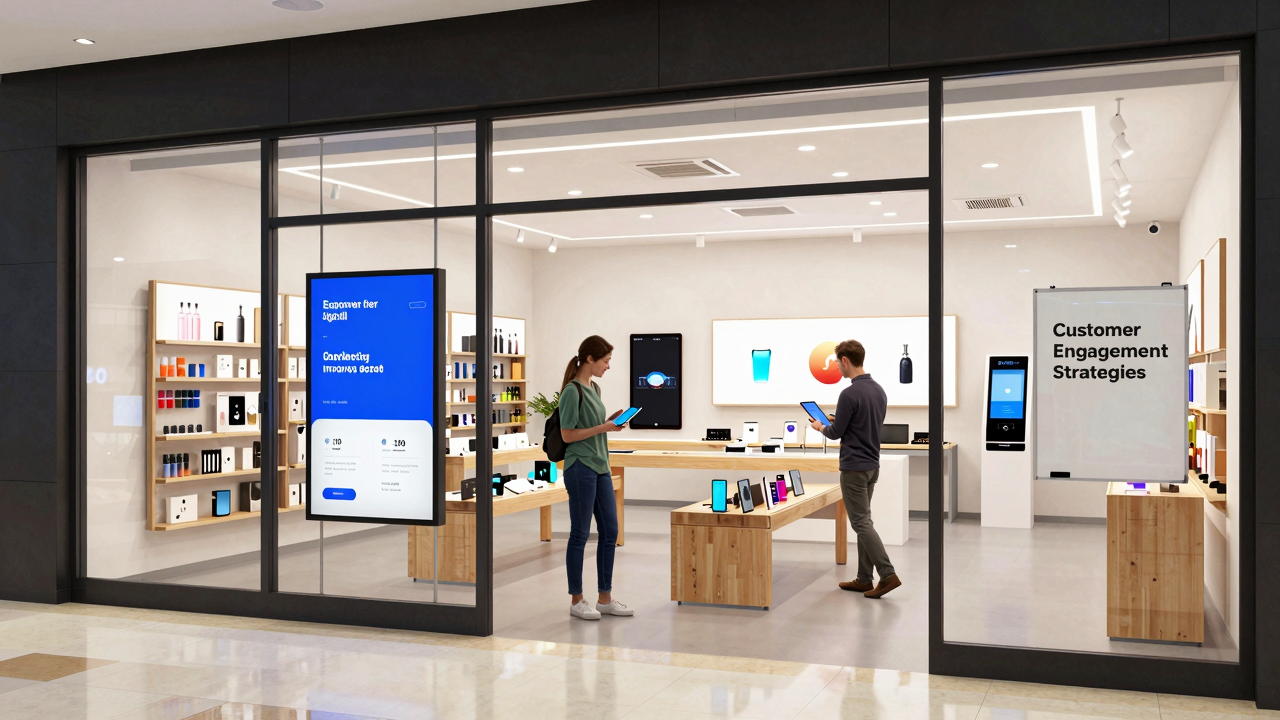
When you think about retail digital transformation, it’s all about integrating technology into your operations to improve customer experiences and boost efficiency. This process involves adopting tools like data analytics, automation, and omnichannel shopping. By doing so, you enhance your operational effectiveness and responsiveness to market demands.
In the digital transformation in the retail industry, embracing artificial intelligence is essential. It helps personalize customer experiences and manage inventory more effectively. Prioritizing this technology can lead to significant benefits of digital transformation in retail, such as increased customer loyalty and streamlined processes.
To start, assess your current operations and identify areas where technology can make a difference. Invest in a robust technology infrastructure to support these changes.
Why Is Digital Transformation Essential for Retailers?
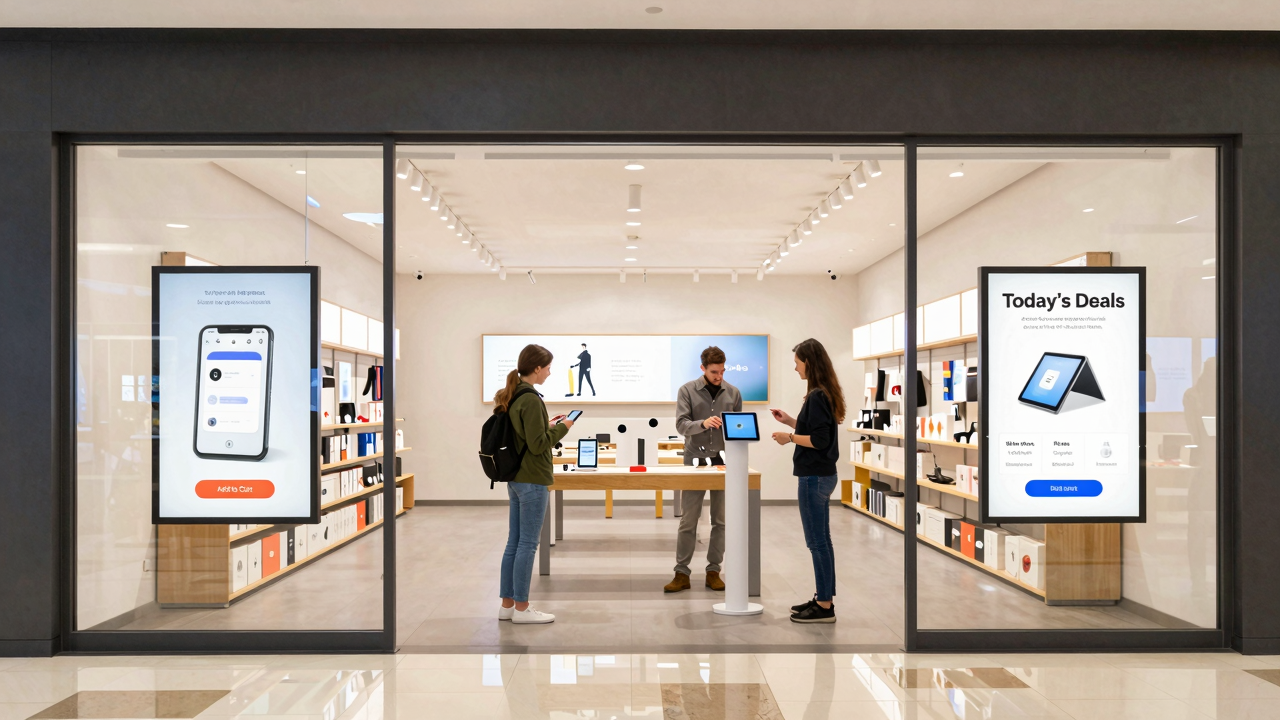
Why is digital transformation essential for retailers today? Embracing digital transformation in retail is important for staying competitive in a fast-paced market. By integrating digital technology into your operations, you can enhance customer experiences and streamline processes.
A solid retail digital strategy not only helps tackle challenges like margin pressures but also boosts customer satisfaction, which is critical for long-term growth.
Adopting technologies like AI and data analytics allows you to offer personalized services, fostering customer loyalty and driving sales. Implementing these tools can also reduce inefficiencies through automation, optimizing resources and ensuring better stock availability.
As the global market for retail digital transformation is expected to soar from $305 billion in 2024 to $859 billion by 2030, now’s the time to act. Start by evaluating your current operations and identifying areas where digital technology can make a significant impact.
Essential Components of Retail Digital Transformation
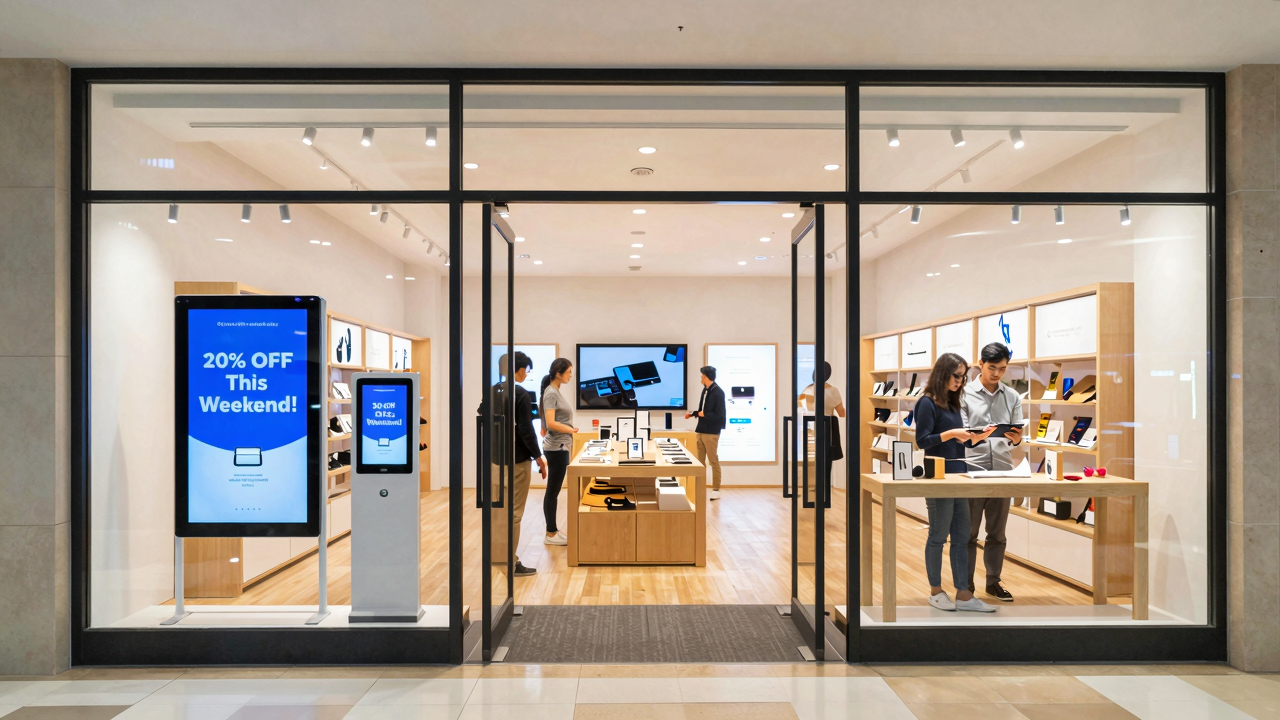
Retailers looking to enhance their operations and customer experiences must focus on key components of digital transformation.
Start by implementing omnichannel shopping, ensuring seamless interactions across digital and physical channels. This integration helps customers feel connected, whether they’re online or in-store.
Next, harness data analytics to gain insights into consumer behaviors and preferences, allowing you to tailor your offerings more effectively.
Don’t overlook automation; it streamlines repetitive tasks, boosting worker productivity.
Additionally, modernizing your technology infrastructure will create stronger connections among various operational elements.
Embrace artificial intelligence, as 91% of retail IT leaders plan to prioritize it by 2026; it personalizes shopper experiences and optimizes inventory management.
Finally, adopt a customer-centric approach, using real-time data to improve satisfaction.
Retail digital transformation examples, like personalized recommendations, can greatly drive sales and foster customer loyalty.
Focus on these components to stay competitive in evolving digital transformation trends in retail.
Benefits of Digital Transformation for Retailers
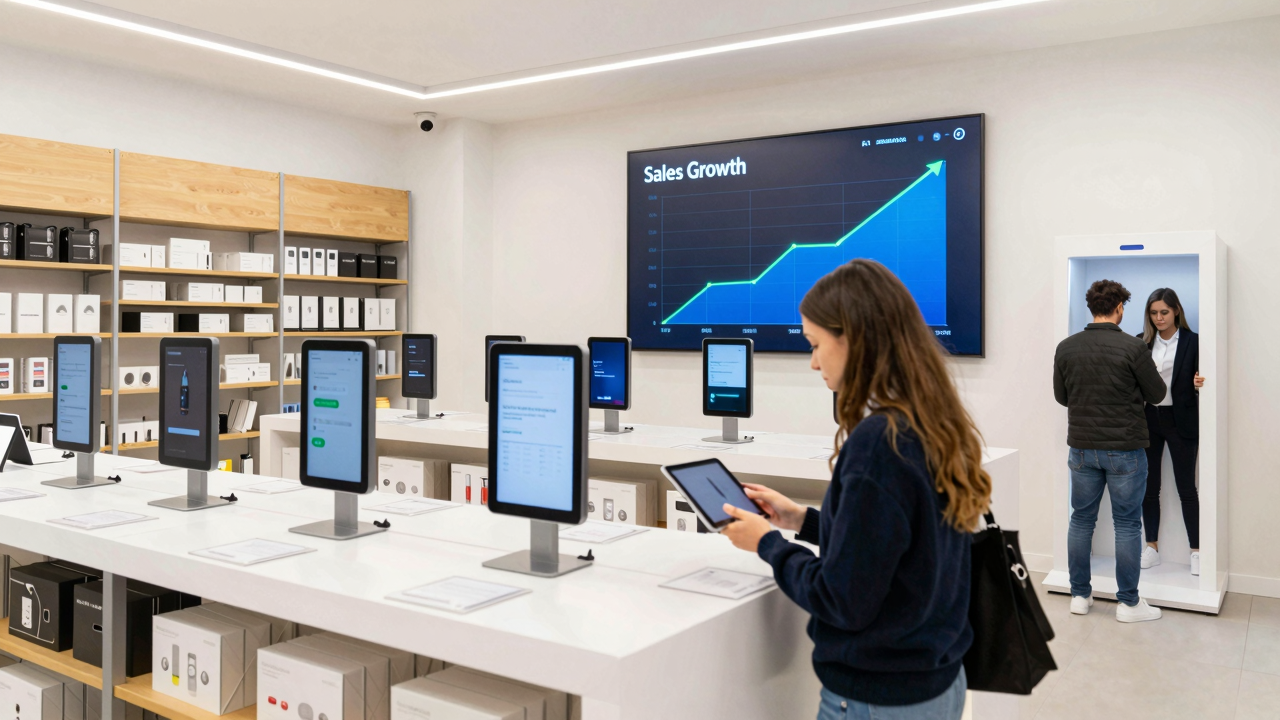
Digital transformation in retail offers numerous benefits that can greatly enhance your business. By embracing digitalization in the retail industry, you can boost customer loyalty through personalized services, resulting in higher retention rates and sales growth.
Real-time inventory management tools help you minimize stockouts and overstock situations, improving stock availability by up to 50%.
Automation and data analytics streamline operations, cutting inefficiencies and potentially increasing your profit margins by 30%. Additionally, leveraging AI for personalized recommendations and dynamic pricing can keep you competitive in the evolving retail digital transformation market.
To capitalize on these benefits, consider investing in technology that integrates your physical and digital shopping experiences. This way, you can enhance customer satisfaction and encourage higher spending.
Implementing Omnichannel Strategies in Retail
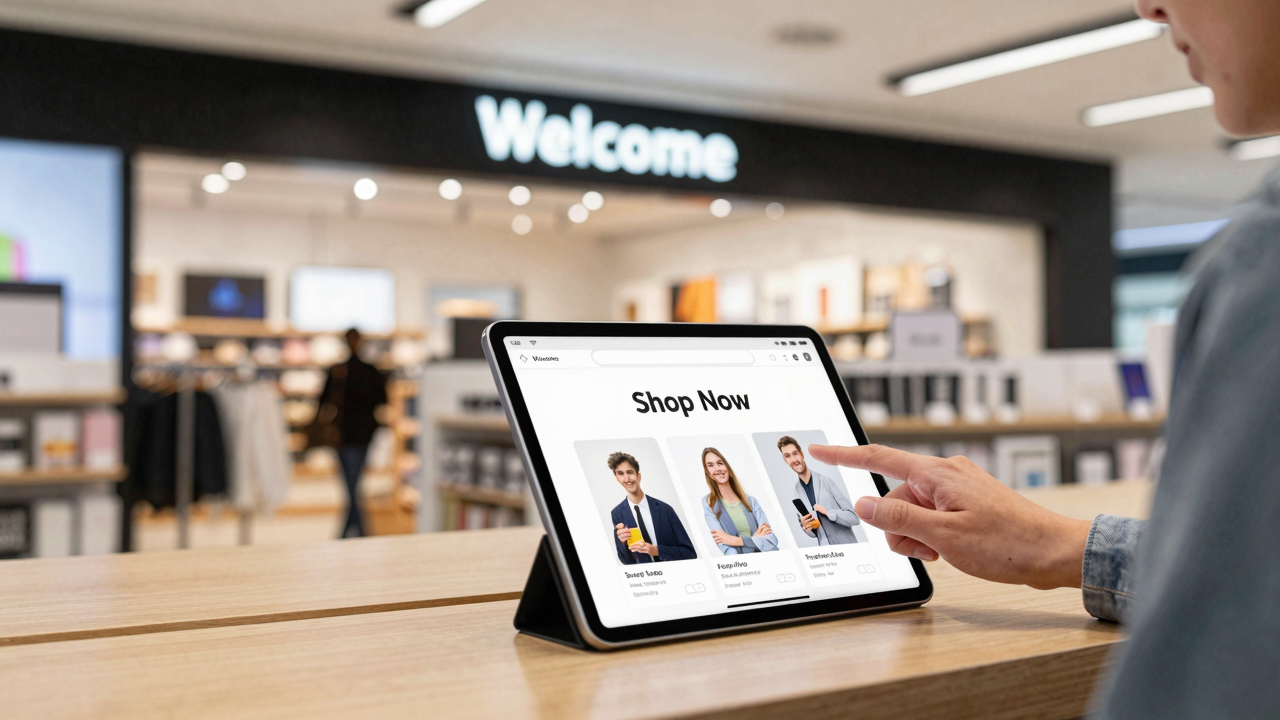
In today’s fast-paced retail landscape, implementing omnichannel strategies can greatly enhance your business operations and customer experiences. By integrating your retail store digital transformation efforts, you create a seamless shopping environment across all platforms.
Here’s how to effectively implement these strategies:
- Guarantee consistent branding, pricing, and customer service across in-store, online, and mobile platforms.
- Increase customer engagement by offering flexible shopping options, leading to a potential 30% boost in interactions.
- Leverage customer data for personalized marketing, enhancing purchase likelihood by 80%.
- Optimize inventory with real-time management, reducing stockouts and improving accuracy by 20%.
- Drive sales growth with improved customer experiences, leading to a 15-35% increase.
Implementing these omnichannel strategies not only aligns your digital transformation in the retail sector but also fosters customer loyalty and drives profitability.
Start today, and watch your business thrive.
The Role of Data Analytics in Retail Success
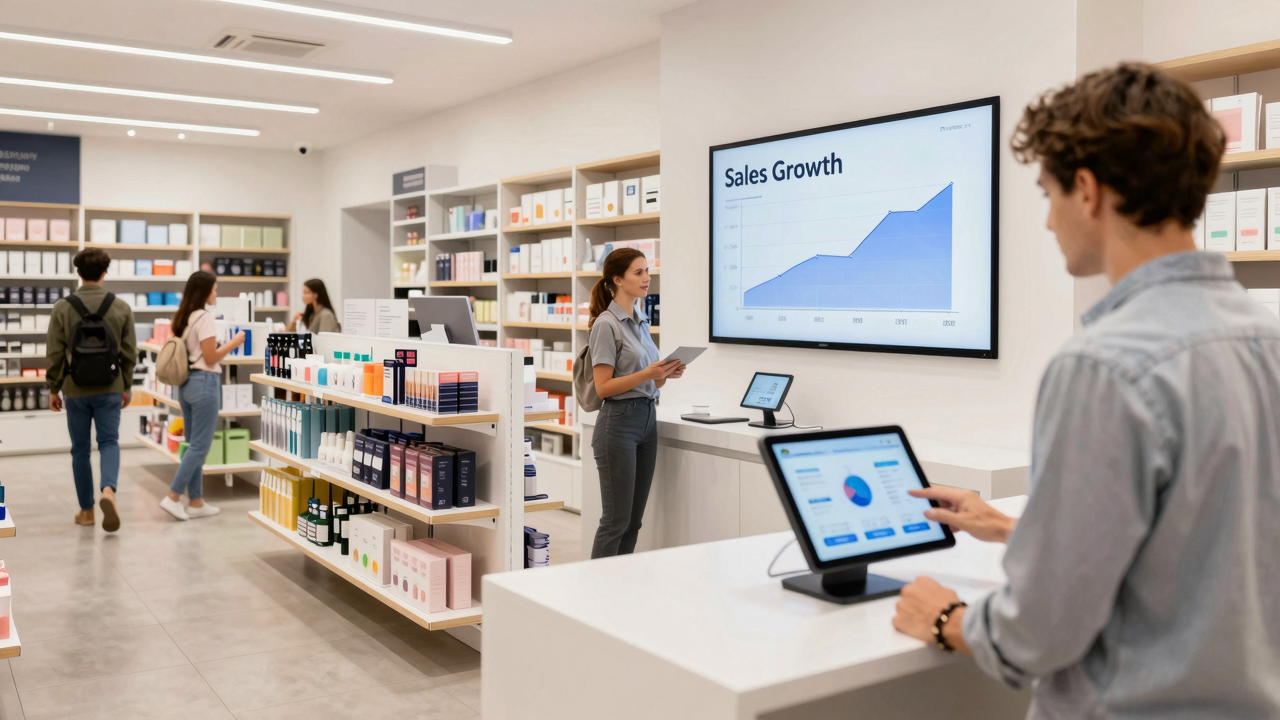
In retail, using data analytics can transform how you connect with your customers and improve your operations.
By analyzing customer insights, you can create personalized marketing strategies that boost conversion rates and enhance loyalty.
Plus, real-time market insights help you make informed decisions, optimize inventory, and ultimately drive sales—making data analytics an essential tool for your retail success.
Enhancing Personalization Strategies
To enhance your personalization strategies in retail, leveraging data analytics is essential. This approach allows you to understand customer behaviors and preferences, leading to tailored marketing efforts.
Here are some actionable steps:
- Use predictive analytics to forecast demand trends.
- Implement AI for individualized product recommendations.
- Optimize inventory management to guarantee product availability.
- Develop dynamic pricing strategies that respond to real-time consumer needs.
- Focus on the digitalization of retail processes to streamline operations.
Driving Operational Efficiency
Enhancing personalization strategies sets the stage for driving operational efficiency in retail, where data analytics plays a key role.
By using analytics, you can gain actionable insights into consumer behavior, allowing you to create targeted marketing campaigns that boost engagement and sales.
Implement advanced analytics tools for real-time inventory management to minimize stockouts and overstock issues, optimizing your supply chain based on demand forecasts.
Automate repetitive tasks to improve your team’s efficiency and reduce their workload.
With predictive analytics, you can forecast trends and tailor your offerings, enhancing customer satisfaction.
Identifying inefficiencies through data analysis helps you streamline processes, cut costs, and improve profitability.
Embrace this retail transformation to stay competitive and thrive in today’s market.
Real-Time Market Insights
While many retailers struggle to keep up with fast-changing consumer preferences, leveraging real-time market insights through data analytics can turn this challenge into an opportunity.
Here’s how you can make it work for you:
- Gain immediate insights into customer behavior, leading to personalized marketing strategies that boost engagement.
- Use predictive analytics to forecast demand accurately, reducing stockouts and overstock by up to 20%.
- Implement targeted promotions to enhance customer loyalty and increase average order value by 10-15%.
- Quickly respond to market trends, giving you a competitive edge.
- Integrate data analytics tools to support informed decision-making, improving operational efficiency for 70% of retailers.
Embrace these strategies to maximize your retail success and adapt to the evolving landscape.
Automation: Streamlining Operations for Efficiency
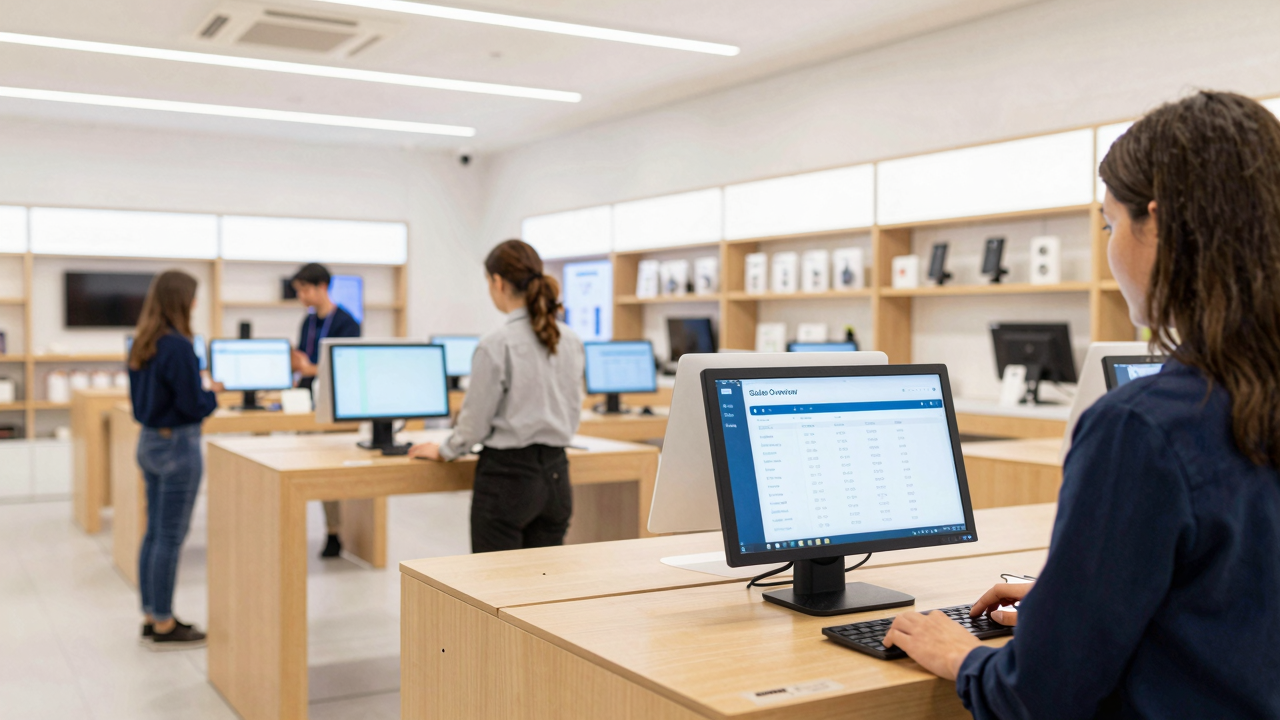
Automation can considerably boost your retail operations by streamlining workflows and reducing errors.
By implementing automated systems, you’ll save costs and free up your team to focus on customer interactions that matter.
Explore ways to optimize inventory management and watch your efficiency soar while keeping customers satisfied.
Enhanced Workflow Efficiency
Streamlined operations are essential for boosting efficiency in retail. By embracing automation, you can enhance workflow efficiency and optimize your processes. Here’s how to get started:
- Automate repetitive tasks to save time and reduce labor costs.
- Use real-time inventory management to avoid stockouts and overstock situations.
- Implement AI-driven chatbots for instant customer support and personalized interactions.
- Leverage data analytics to make informed decisions and adapt quickly to market changes.
- Reallocate your team to strategic roles, improving employee satisfaction and productivity.
These steps won’t only streamline your operations but also improve your overall customer experience, ensuring your retail business stays competitive in a rapidly changing environment.
Error Reduction Strategies
Reducing errors in retail operations is essential for maintaining efficiency and customer satisfaction. Start by automating repetitive tasks, which can cut human error and boost operational efficiency.
Consider implementing automated inventory management systems; these can enhance stock accuracy and reduce out-of-stock situations by nearly 50%.
Utilize AI-driven tools to analyze data in real-time, allowing for quicker decision-making and reducing forecasting errors by about 20%. This not only streamlines operations but also lets your employees focus on customer interactions, improving service quality and loyalty.
Retailers using automation often see sales increase by around 15% due to better order processing and inventory management.
Embrace these strategies to create a more efficient and error-free retail environment.
Cost Savings Opportunities
When you look for cost savings in retail, consider how embracing automation can greatly enhance your operations. By leveraging automation, you can streamline various processes and reduce costs substantially.
Here are some key areas to focus on:
- Implement automated inventory management to minimize stockouts and overstock.
- Utilize AI-driven chatbots for customer service, cutting costs while boosting engagement.
- Automate supply chain processes to decrease operational costs and improve resource allocation.
- Use data analytics to enhance decision-making and optimize pricing strategies.
- Streamline repetitive tasks, which can lead to a potential efficiency increase of up to 30%.
Transforming Retail Practices With Artificial Intelligence
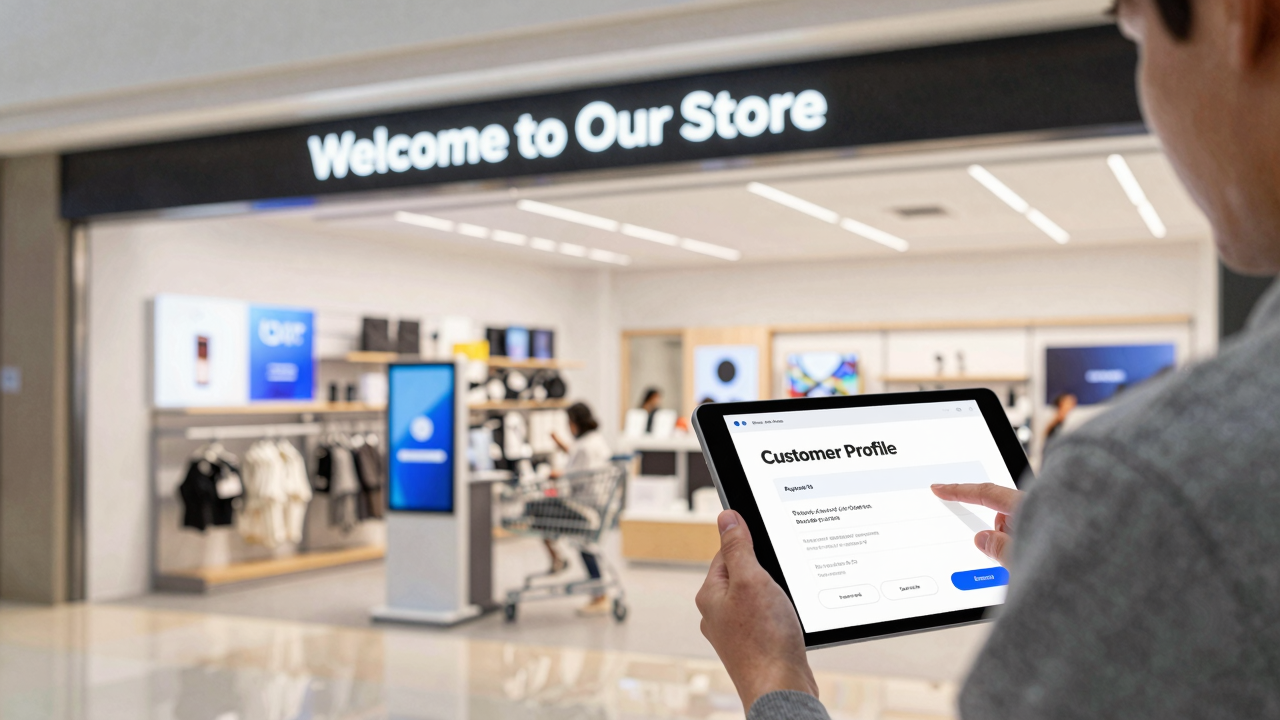
Artificial Intelligence (AI) is reshaping retail practices by automating decision-making and enhancing customer engagement. By using AI, you can personalize shopping experiences with tailored recommendations and dynamic pricing based on consumer behaviors. This not only boosts sales but also improves customer satisfaction.
Here’s how AI can transform your retail operations:
| AI Application | Benefit | Example |
|---|---|---|
| Demand Forecasting | Optimizes inventory | Reduces stockouts and overstocking |
| Personalized Promotions | Increases voucher redemptions | Nisa’s Scan & Save AR app achieved an 86% redemption rate |
| Smarter Inventory Substitutions | Enhances customer satisfaction | Walmart for better stock choices |
As you prioritize AI in your strategy—91% of retail IT leaders aim to implement it by 2026—start exploring these applications. Embracing AI can keep you competitive and responsive to your customers’ needs.
What’s Stopping Retailers From Going Digital?
Many retailers struggle with digital transformation due to funding and budget constraints that make it hard to invest in new technologies.
If you’re dealing with legacy systems, these outdated tools can limit your ability to innovate and adapt.
Plus, you might face resistance from employees who fear change, so it’s essential to communicate clearly and provide training to ease the shift.
Funding and Budget Constraints
While funding challenges can hinder your digital transformation efforts in retail, there are practical steps you can take to navigate these obstacles.
Consider the following strategies to effectively manage your budget:
- Assess build vs. buy: Weigh the costs of developing technology versus purchasing existing solutions.
- Implement phased investments: Start with small pilot projects to demonstrate ROI before committing larger budgets.
- Communicate transparently: Engage employees by addressing their concerns about job security and the benefits of digital initiatives.
- Invest in talent development: Focus on training your current workforce to bridge the tech-talent gap.
- Leverage partnerships: Collaborate with tech firms to share costs and expertise.
Legacy Systems Limitations
Legacy systems can seriously hold you back when trying to embrace digital transformation in retail. They often create data silos, making it tough to integrate new technologies and limiting your view of operations and customer interactions.
High maintenance costs can drain your IT budget, diverting funds from vital digital initiatives. Plus, the inflexibility of these outdated systems slows your response to market changes, preventing you from adapting quickly to customer demands.
To overcome these limitations, assess your current systems and identify areas for modernization. Prioritize investment in technologies that enhance integration and flexibility.
Consider training or hiring skilled talent to bridge the tech gap, enabling you to innovate effectively. Embracing change now can set you up for future success.
Resistance to Change
When retailers approach digital transformation, they often face significant resistance to change that can stall progress. Here are some key factors you should address:
- Funding Constraints: High costs tied to technology can strain budgets.
- Legacy Systems: Outdated systems create data silos, complicating integration.
- Resistance from Employees: Staff may fear job loss or feel uncomfortable with new processes.
- Talent Shortages: Finding skilled workers familiar with new technologies can be tough.
- Communication Barriers: Poor communication about the transformation can lead to misunderstandings.
To overcome these obstacles, assess your budget carefully.
Consider gradual implementation, engage employees through training, and enhance communication about the benefits of going digital.
Taking these steps can help you navigate resistance effectively and foster a smoother progression.
Funding Your Digital Transformation?
How can you effectively fund your digital transformation in retail? Start by shifting your focus from capital expenditures (CapEx) to operational expenditures (OpEx). Consider utilizing Salesforce as a Service (SaaS) or managed services to improve cost efficiency.
Next, implement phased investments; pilot projects in select stores can showcase return on investment (ROI) before you commit to wider rollouts, thereby minimizing financial risk.
You can also optimize costs by bundling quick-win use cases. These immediate savings can help self-fund larger initiatives. Additionally, leverage your existing infrastructure to maximize current technology investments, which reduces the need for new expenditures.
Finally, gradually retire legacy systems to avoid large upfront costs while ensuring a smoother changeover to new technologies. By taking these steps, you can secure the funding needed for your digital transformation, paving the way for a successful retail evolution.
Overcoming Barriers to Digital Transformation in Retail
Digital transformation in retail faces several barriers that can hinder progress. To successfully navigate these challenges, you need to take proactive steps. Here are key areas to address:
- Funding Challenges: Analyze your technology budget to decide whether to build or buy solutions.
- Legacy System Limitations: Identify outdated systems and prioritize modernization to eliminate data silos.
- Resistance to Change: Involve employees early in the process to alleviate fears and promote acceptance of new technologies.
- Tech-Talent Gap: Conduct a skills gap analysis to determine training needs and invest in upskilling your workforce.
- Communication Barriers: Guarantee clear communication about changes and provide thorough training programs for smooth shifts.
Real-World Examples of Successful Digital Transformation
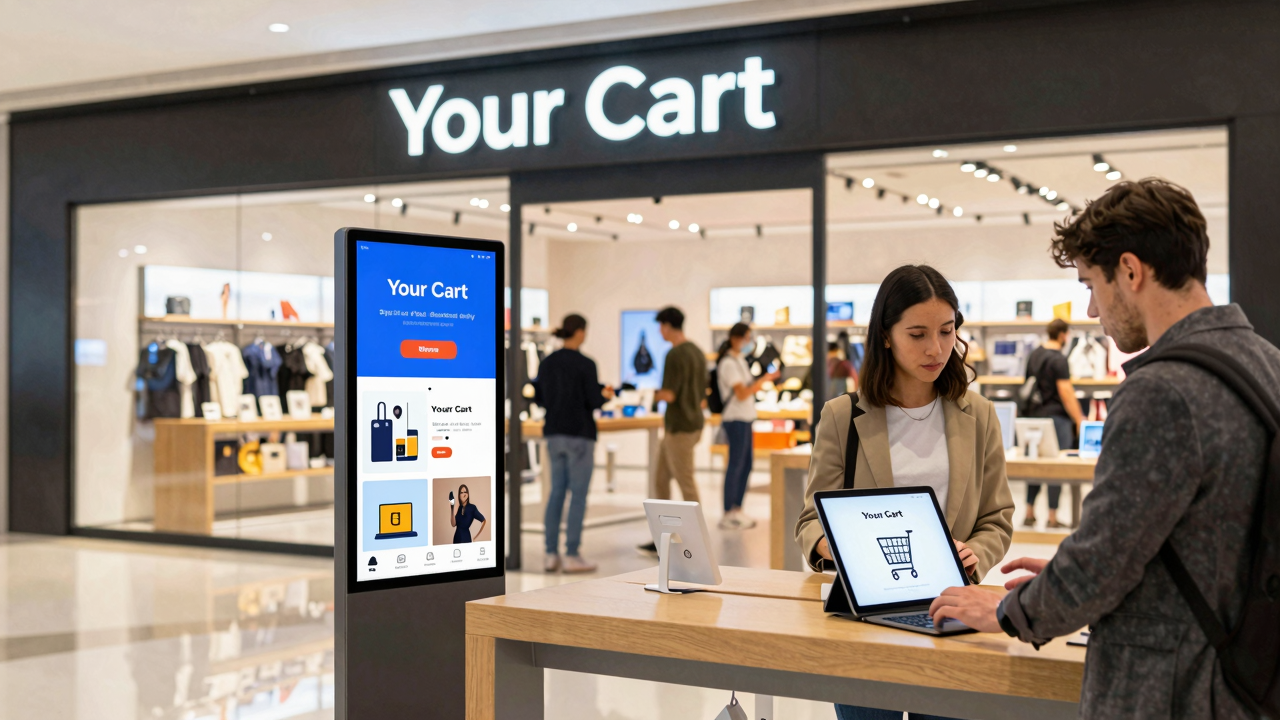
Now, let’s look at some real-world examples of digital transformation in retail that you can learn from.
Companies like Walmart and Sephora have successfully integrated innovative technology, achieving measurable outcomes such as increased customer satisfaction and engagement.
Real-World Use Cases
Have you ever wondered how leading retailers are transforming their operations to meet modern consumer expectations? Here are some real-world use cases that showcase successful digital transformation:
- Walmart uses AI for better inventory management, reducing out-of-stock items.
- Sephora offers augmented reality in its app, enhancing beauty consultations and boosting engagement.
- Tesco upgraded its ERP systems, improving supply chain visibility with AI and IoT for predictive analytics.
- Maxima Estonia introduced mobile self-scanning, increasing average basket volumes by 50%.
- Starbucks leverages data analytics in its app to provide personalized offers, building customer loyalty.
These examples demonstrate how integrating technology can streamline operations, enhance customer experiences, and drive sales.
[embedded content]
Consider implementing similar strategies to stay competitive.
Innovative Technology Implementations
As retailers face increasing competition and shifting consumer demands, adopting innovative technology can greatly enhance operations and customer experiences.
For example, Walmart uses AI for smarter inventory management, reducing stockouts and improving customer satisfaction.
Sephora’s AR app lets customers virtually try on makeup, boosting conversion rates.
The Starbucks app personalizes offers through AI, resulting in a 30% increase in mobile orders.
Nisa’s Scan & Save AR app achieved an 86% voucher redemption rate by creating an engaging shopping experience.
Similarly, Maxima Estonia implemented mobile self-scanning technology, leading to a 50% rise in average basket volumes.
To keep pace, consider these technologies to enhance your operations and engage customers effectively.
Measurable Business Outcomes
Innovative technology implementations in retail aren’t just about keeping up; they’re about driving measurable business outcomes. You can transform your operations and boost profits by adopting the right tools.
Here are some successful examples to reflect on:
- Walmart’s AI-driven inventory management improved customer satisfaction and reduced out-of-stock situations.
- Sephora’s augmented reality consultations led to a 20% increase in conversion rates.
- Tesco’s upgraded ERP software allowed better responses to demand shifts, cutting operational costs by 15%.
- Maxima Estonia’s mobile self-scanning feature boosted average basket volumes by 50%.
- Nisa’s Scan & Save AR app saw voucher redemptions rise to 86%.
Implement these technologies strategically to enhance your customer experience and drive measurable results.
Starting Your Retail Digital Transformation Journey
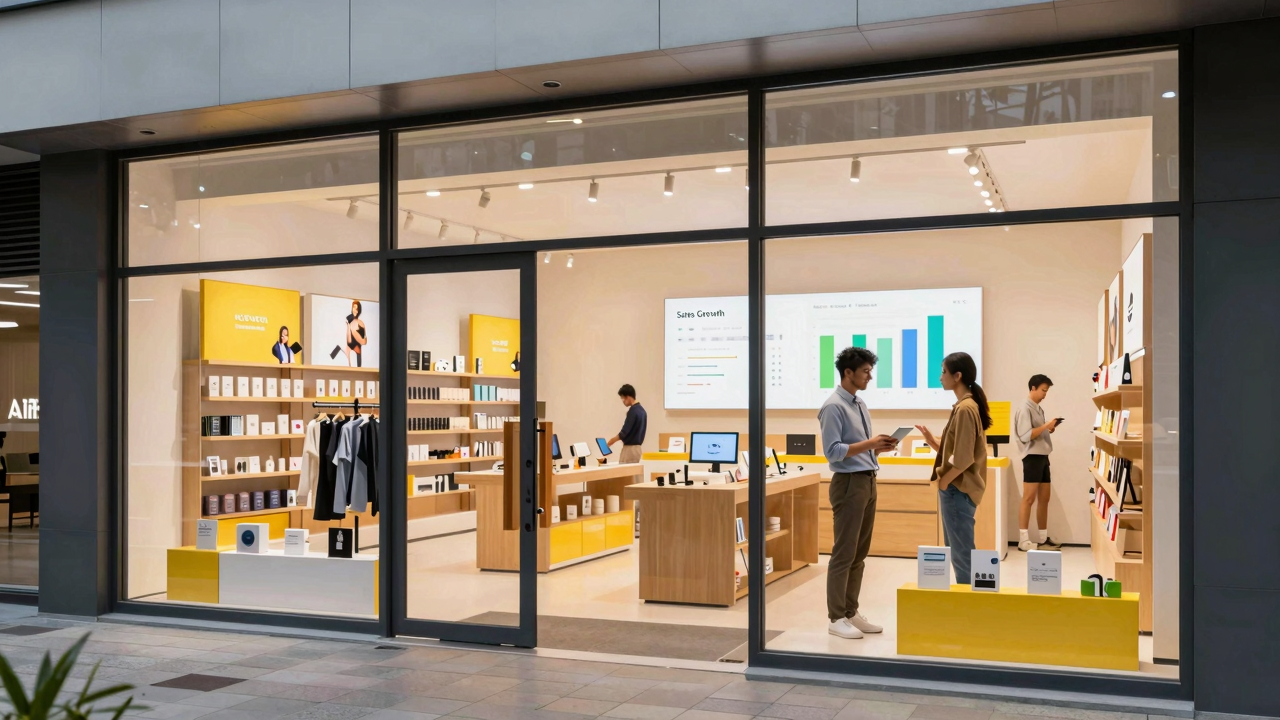
To successfully start your retail digital transformation journey, it’s essential to first assess your current capabilities and identify clear, measurable goals that align with your overall strategic priorities.
Begin by evaluating your existing technologies and workforce skills, pinpointing areas that need improvement. Next, adopt an iterative approach by developing a minimal viable product (MVP). This method allows you to test solutions and make necessary adjustments based on customer feedback.
[embedded content]
Engage your employees in the design process to foster acceptance of new technologies, reducing resistance to change. Collaborating with external experts can help bridge any tech-talent gaps, ensuring you have the right skills for implementation.
Ultimately, regularly monitor your progress using key performance indicators (KPIs). This will help you gauge the success of your efforts and make data-driven adjustments to your strategies as needed.
Future Trends in Retail Digital Transformation
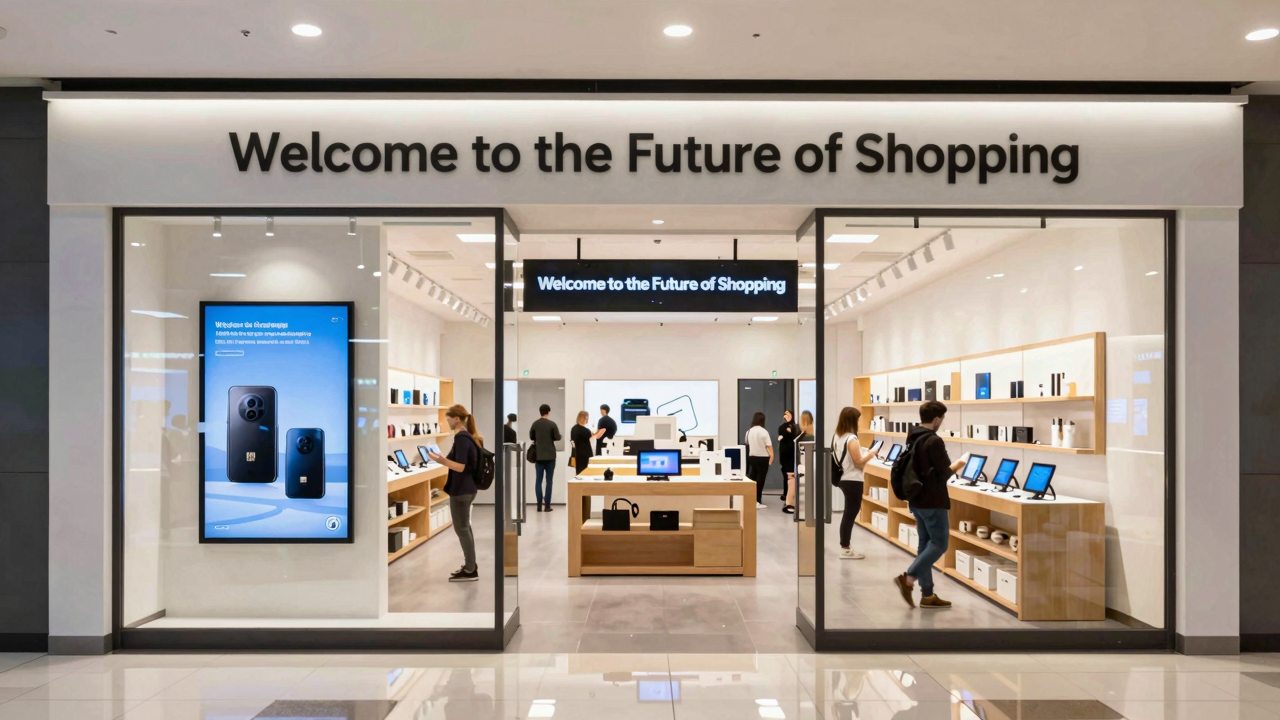
Retail digital transformation isn’t just about keeping up; it’s about anticipating where the market is headed.
To stay ahead, you need to focus on key trends shaping the future of retail. Here are five areas to watch:
- AI Integration: By 2026, prioritize AI to personalize shopper experiences and boost efficiency.
- Omnichannel Consistency: Guarantee a seamless experience across digital and physical channels, as 73% of consumers expect it.
- Augmented Reality: Utilize AR to engage customers and enhance personalization, with the market projected to reach $61.4 billion soon.
- Data-Driven Insights: Embrace real-time analytics to adapt quickly to market changes, as 67% of retail leaders agree it’s vital.
- Sustainability Focus: Consider incorporating eco-friendly practices, as consumers increasingly value sustainability.
Frequently Asked Questions
Why Is Digital Transformation Important in Retail?
Digital transformation is essential in retail because it enhances customer experiences, boosts efficiency, and reduces costs.
To stay competitive, adopt technology that integrates your physical and digital channels, creating seamless shopping experiences.
Use data analytics to understand customer behavior, helping you manage inventory better and increase sales.
Embrace digital tools to address staffing challenges and respond swiftly to market changes.
What Is Digital Transformation and Why Does It Matter?
Digital transformation is the process of integrating technology into your operations, enhancing how you serve customers and improve efficiency.
It matters because it helps you adapt to changing consumer demands, boosts sales through personalized experiences, and streamlines your processes.
To start, assess your current systems, invest in data analytics, and adopt tools like AI to personalize interactions.
Engage your team in this shift to foster a culture that embraces change and innovation.
What Are the 7 C’s of Digital Retailing?
The 7 C’s of digital retailing are Customer-Centricity, Content, Community, Convenience, Connection, Conversion, and Consistency.
Start by focusing on your customers’ needs to create personalized experiences.
Develop engaging content that tells your brand’s story.
Foster a community through social interactions and reviews.
Guarantee a seamless shopping experience, both online and offline.
Use data to strengthen connections and drive personalized offerings.
Finally, maintain consistency across all channels to build trust and loyalty.
What Are the 4 P’s of Digital Transformation?
The 4 P’s of digital transformation are People, Processes, Products, and Platforms.
Engage your people by training them on new technologies.
Streamline processes through automation to boost efficiency.
Focus on products by using data analytics to personalize customer experiences.
Ultimately, adopt platforms that integrate physical and digital channels, ensuring a consistent customer journey.
Conclusion
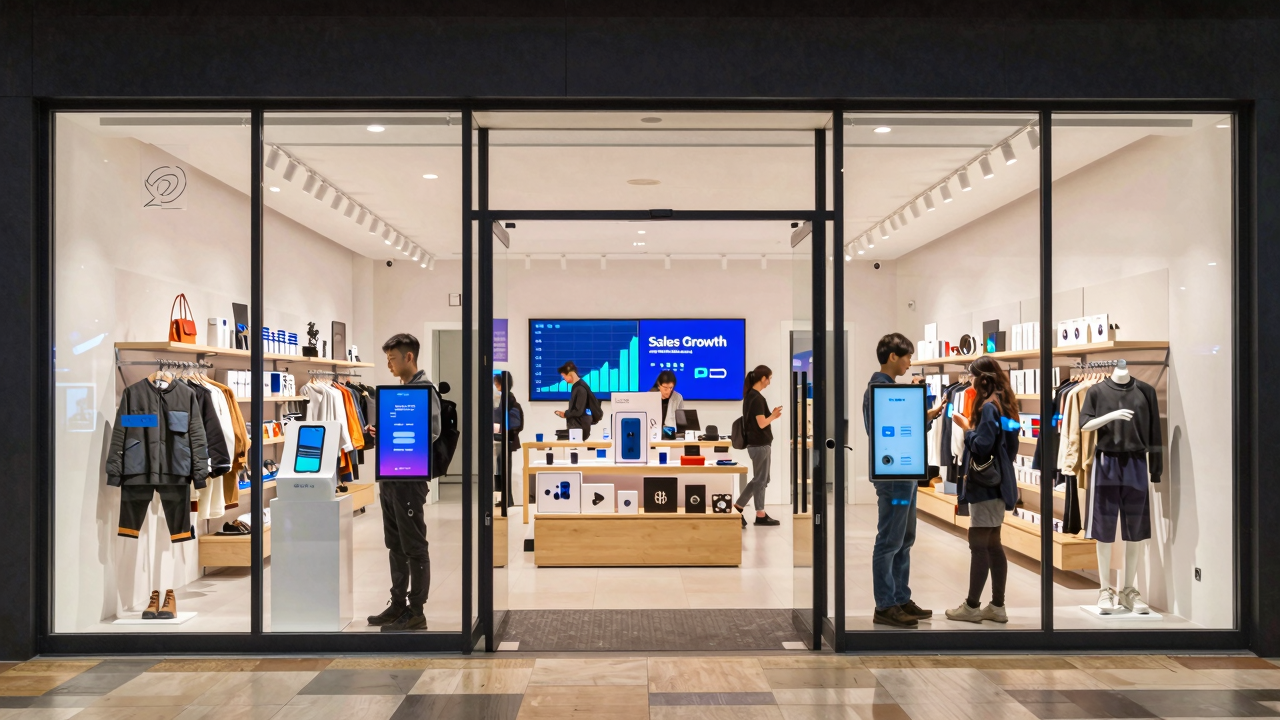
Digital transformation in retail isn’t just a trend; it’s a necessity. To stay competitive, start by implementing omnichannel strategies, leveraging data analytics, and automating processes. Focus on enhancing customer experiences and managing inventory effectively. As you embrace these changes, track your progress and be willing to adapt. Look at successful examples in your industry for inspiration. Taking these steps will not only boost your efficiency but also strengthen customer loyalty and increase your profitability over time.
Image via Google Gemini and Small Business Trends