
This post was originally published on this site.
Drug gangs exploited and raped us as teens, then police failed us, women tell BBC
-
Published
Warning: Contains details of sexual exploitation
“It was the thrill of being with a bad boy.”
Christine was 13 when she began exchanging messages online with someone she believed was a teenage boy.
On their first meeting, she discovered he was a grown man 10 years older than herself. He also told her he was involved with gangs and drugs.
“I always knew, OK, he’s probably hurt someone, but in terms of hurting me, I didn’t think it would get to that point,” she says.
Over the next few years, he would use Christine to courier drugs, subject her to extreme sexual exploitation, and assault her so violently she feared she might die.
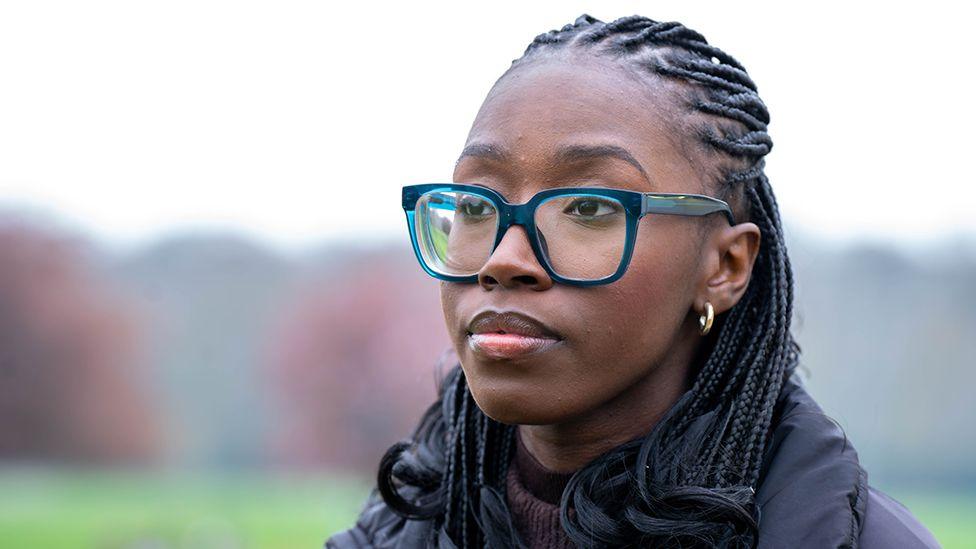
Christine is one of four women who have chosen to waive their anonymity and speak publicly to the BBC documentary, Britain’s Forgotten Girls, about how they were targeted by criminals when they were children.
Their stories, covering 2002 to last year, differ in detail – but reveal strikingly similar patterns of abuse. All four describe being targeted by boys and older men connected to drug gangs, manipulated into abusive relationships, then repeatedly sexually exploited.
All believe the authorities failed to protect them and did not take their allegations seriously.
The sexual and criminal exploitation of girls by drug gangs has long been overshadowed in public discussion by the focus on sexual grooming gangs, according to front-line social workers and experts in the field.
“For grooming gangs, the primary purpose is often the sexual exploitation of those girls, but the primary purpose of a drug gang is to make money off selling drugs and other criminal activity,” says Connie Muttock from the children’s charity, Centre for Young Lives.
Girls are brought in to generate money, says Muttock, but many are also sexually abused by gang members.
A recent government audit of group-based sexual abuse and exploitation in England and Wales, external said that authorities often fail these victims.
The BBC understands that the issue of drug gangs will be tackled in an independent inquiry set up in response to the audit.
Christine grew up in London, but moved to Coventry with her mother after her parents’ divorce. She says she felt disorientated and alone in her new home.
“In school, everybody already had their friendship groups because of how late I’d moved in,” she says. “I didn’t really feel like I had friends.”
Then came the messages.
“We’d be texting through the night,” she says.
Christine claimed to be 16 in her texts. When she eventually met the man, she admitted she was 13, but he told her that age did not matter.
“He was like, ‘that doesn’t change anything. I still want to be with you.’ And that’s when we started, like, quote unquote, going out.”
The thrill of feeling wanted was also what led Annie, from south-east London, into the clutches of a gang.
At first, she says she “felt quite in awe, quite excited to have the attention” of three older boys who wanted to befriend her, even though she knew they were involved in drugs.
For both Christine and Annie, what began as attention, affection or friendship gradually turned into coercion and exploitation.
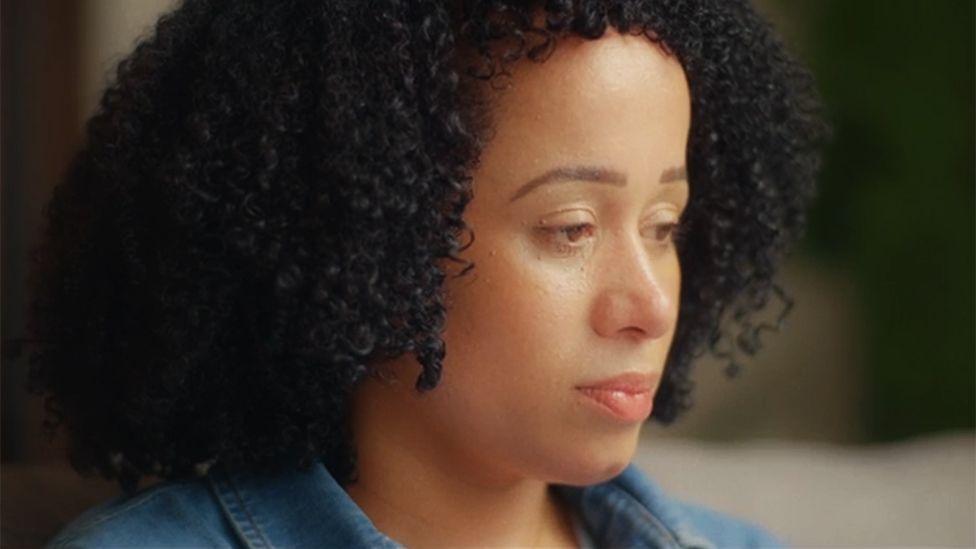
One evening, Annie says, the boys got her drunk and then repeatedly raped her, photographing the abuse.
They then threatened to share the photos if she did not agree to have “more sex, with more people”.
The abuse went on for years, she says. “They would just use me. Just rape me again and again.”
Christine says the abuse escalated on her 14th birthday, when her boyfriend asked her to sleep with his friends to “help him out”.
“And I did it. I felt disgusting, but he made it out like it was something he really needed.”
After that, “it became an expectation” that she would sleep with other men.
The sexual and physical abuse continued for more than eight years, says Christine, as she was repeatedly raped by men connected to her boyfriend’s drug gang.
Rape, and the pimping out of girls, is common in the violent and hyper-masculine environment of drug gangs, says Muttock.
“As long as we’ve had drug gangs in [the UK] we have had girls being abused and coerced within them.”
Holly, from Manchester, describes how she was not only abused sexually, but also exploited criminally.
Recruited by a gang as a child, she sold drugs in the city centre, she says, and later delivered them to locations across the UK, as far away as Carlisle and London.
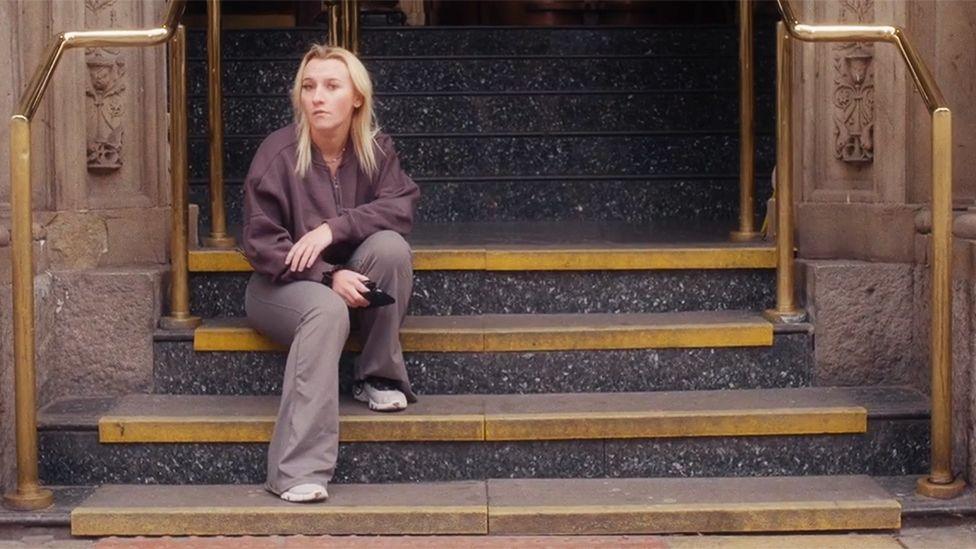
One of the reasons gangs criminally exploit girls is – according to the National Crime Agency, external – “due to their belief that women are less likely to be suspected of, or stopped and searched for, dealing drugs”.
Holly says she was also sexually assaulted numerous times by members of the gang: “After a while it just became normal to me.”
She convinced herself it meant she was wanted, and part of a family that cared for her.
These patterns of abuse were identified in a 2012 report, although those involved say that it failed to generate the response it deserved.
The Children’s Commission for England carried out an inquiry into sexual exploitation of children in gangs and groups, external, and suggested an estimated 16,500 were at risk of abuse from grooming groups or criminal gangs.
“Some people, including people in senior positions… found it very difficult to accept the real scale of what was going on,” recalls the then-deputy Children’s Commissioner for England, Sue Berelowitz, who headed the inquiry.
One senior government source was quoted by the BBC as saying the report’s language was “hysterical”.
Britain’s Forgotten Girls
Girls are being groomed and exploited by drug gangs. Through survivors and whistleblowers, this film investigates why the failures have continued for two decades.
Watch on iPlayer now or on BBC Two at 21:00 BST on Wednesday 9 September
Publication also coincided with the conviction of nine Asian men for grooming young girls for sex in Rochdale.
Headlines about sexual grooming – a serious but distinct issue – “complicated things”, according to Prof Carlene Firmin of Durham University, who carried out some research for the 2012 inquiry.
Ministers in the government accused the inquiry report of downplaying the role of Asian abusers, but Berelowitz said the evidence showed the abuse crossed every cultural and ethnic group.
All four women who have spoken to us they believe their plight was not taken seriously by police.
When Christine was 15, social services alerted police to her case, but she says investigators were more interested in the drug offences committed by gang members than the abuse she was reporting.
“I sat for hours and hours in interviews… but the moment I told them about the drugs and the houses, everything shifted,” she says – detectives wanted more information about the drug dealing.
“Little old me coming and saying, ‘this is the abuse I’m going through’, wasn’t enough.”
Another woman, Violet, who became involved with a south London drug gang when she was 13, tells a similar story.
She reported that she had been repeatedly raped and sexually abused by gang members, she says.
The men were arrested on drugs offences. But Violet says when she later asked about the progress of the rape investigation, she was told that police officers had “bigger fish to fry”.
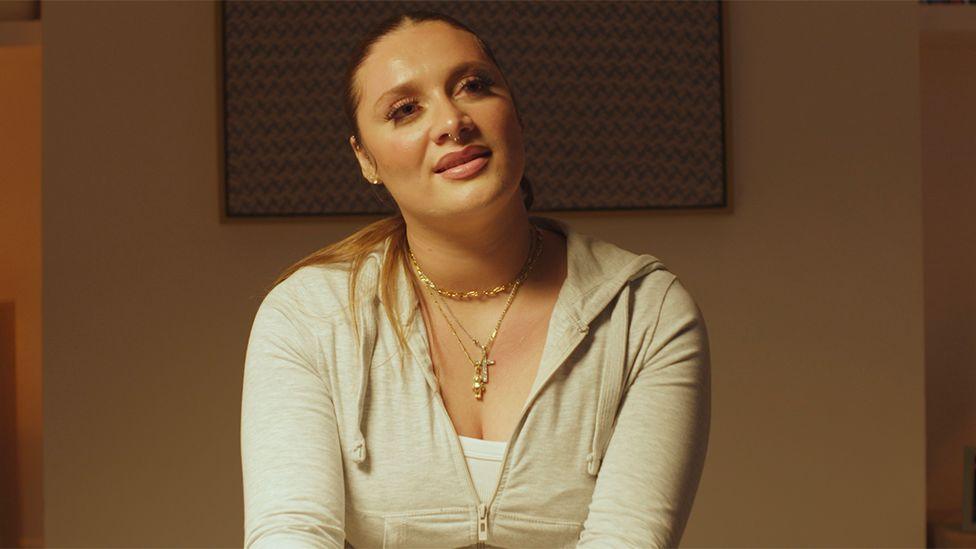
She eventually received statutory compensation from the Criminal Injuries Compensation Board, but learned by letter that her case had been closed without going to court.
The experience was “pretty shocking, pretty offensive, pretty insensitive”, she says.
Holly recalls approaching police as she fled a sexual assault, covered in cuts and bruises. She says an officer accused her of just trying to get a “free lift home” in a police car.
Meanwhile, Annie was informed her attackers would not be prosecuted because there was no realistic chance of a conviction.
“I felt the fact [the police] did nothing really made me feel like it wasn’t abuse,” she says. “It made me feel like it was my fault.”
None of the women interviewed by the BBC have ever seen anyone prosecuted for the abuse they say they suffered.
In the 2025 audit, Baroness Louise Casey was asked by the government to establish the scale of group-based child sexual abuse offending in England and Wales.
The issue of girls exploited by drug gangs did not form a significant part of her report, although it expressed concerns that authorities were failing to spot when a child was being both criminally and sexually exploited.
The then-home secretary Yvette Cooper drew attention to the subject in parliament, saying: “I do not believe that this kind of exploitation has been sufficiently investigated.”
The BBC understands the issue of sexual and criminal exploitation by drug gangs in England and Wales will now be examined by the Independent Inquiry into Grooming Gangs, established by the government in response to Baroness Casey’s report.
Speaking on behalf of the National Police Chiefs’ Council, Acting Chief Constable Rebecca Riggs described the experiences of the women as “devastating” and said she was “deeply sorry” if people felt they were not listened to, believed, or given the response they needed.
“We did not always get it right, and where we failed victims, we continue to acknowledge it and learn from it,” she told the BBC.
-
Teenage girls lured into forced sex by gangs in London, BBC finds
-
Published18 February
-
Today, Violet, Holly, Annie and Christine have managed to rebuild their lives.
Violet works in reproductive health services, while Annie runs Hear Her Collective, which seeks to improve support for girls and young women.
Holly now researches child criminal exploitation and the care system at the University of Sheffield. She says she is happy to have found a job where she can talk openly about the ordeal of her teenage years.
For Christine, who recently graduated from university and got married, talking about the past is also important.
She has written and published a book based on her own experiences.
“I’ve learned to turn my pain into purpose,” she says. “It’s not been an easy journey.”
If you have been affected by any of the issues raised in this story, information and support can be found at the BBC’s Action Line