
This post was originally published on this site.
England’s mayors to get power to impose tourist tax
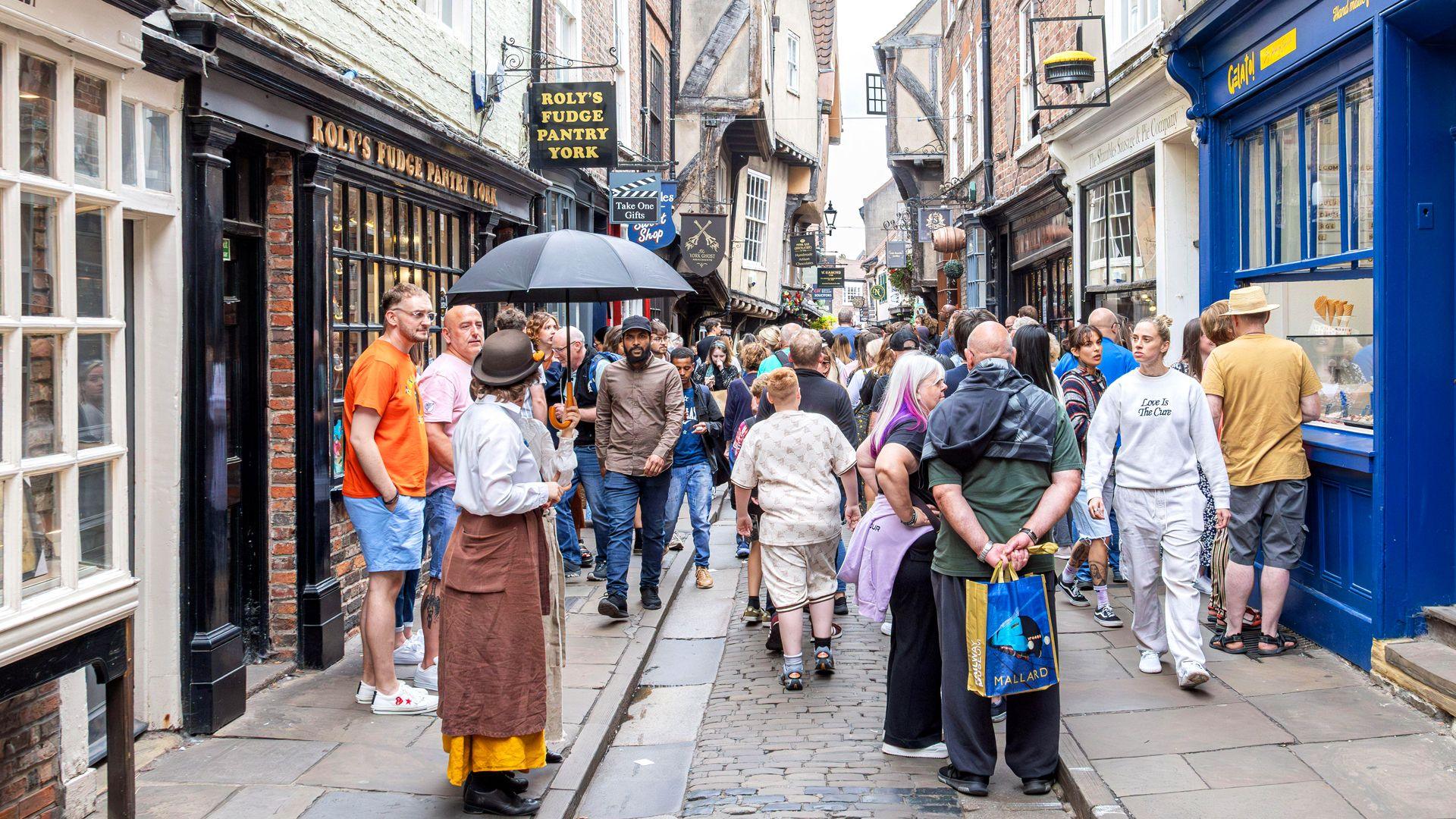 Image source, Alamy
-
Published
Mayors in England will be given the power to impose a new fee on visitors’ overnight stays, in a move the government says will mean more money can be invested into local areas.
Under the plans, local leaders will be able to bring in an uncapped levy, dubbed a “tourist tax”, as a percentage of the cost of hotels, bed and breakfasts and other types of accommodation rather than a flat fee.
Hospitality leaders have warned it will put jobs at risk and hit families in the pocket.
But the government said it would protect budget holidays “by making sure low-cost accommodation always pays lowest levy” and said the extra cash could be invested in high streets and local transport.
Local Government Secretary Angela Rayner said: “This measure will give mayors the choice to raise and reinvest funding where it’s needed most.
“It’ll help support the local services, public spaces and attractions that both residents and visitors rely on, with decisions taken by people who know their area best.”
Some mayors have backed the move, while others have expressed caution or signalled they will not bring it in.
Local leaders, including heads of Foundation Strategic Authorities where there is no mayor, will need to clarify by early 2028 how the revenue raised should be reinvested.
They will also be allowed to offer exemptions, such as for campsites.
However, mayors will not be allowed to exempt whole localities within their regions from the tax, to avoid creating confusion for visitors and businesses.
The government said it would introduce a bill to Parliament “in due course” to bring in the levy.
Another cost for family holidays
Leading trade body UKHospitality has hit back, saying the levy means “jobs are now at risk”.
Its chief executive Allen Simpson claimed it would add about £100 to £120 on average to the cost of a family holiday in England, amid fears mayors would make use of the fact there is, in theory, no upper limit for the levy.
“We know, don’t we, that local government is struggling for funds – it was hit very hard by austerity,” he told BBC Radio 4’s Today programme.
“If you only devolve one tax raising power, of course local mayors are going to pull that lever until it snaps.”
He added: “It will be the case that you’ll have holiday parks which can’t open in the shoulder seasons [between peak and low season] and of course people who go on holiday will just have that little bit less money in their pocket.”
Conservative shadow housing secretary David Simmonds said: “VAT is already charged at 20% on hotels – much higher than in other countries – and now they’ll pay VAT on this tourism tax too: a Labour double whammy.”
Reform UK leader Nigel Farage said his party’s two mayors in Greater Lincolnshire and Hull and East Yorkshire “won’t touch” the levy, which he branded a “holiday tax”.
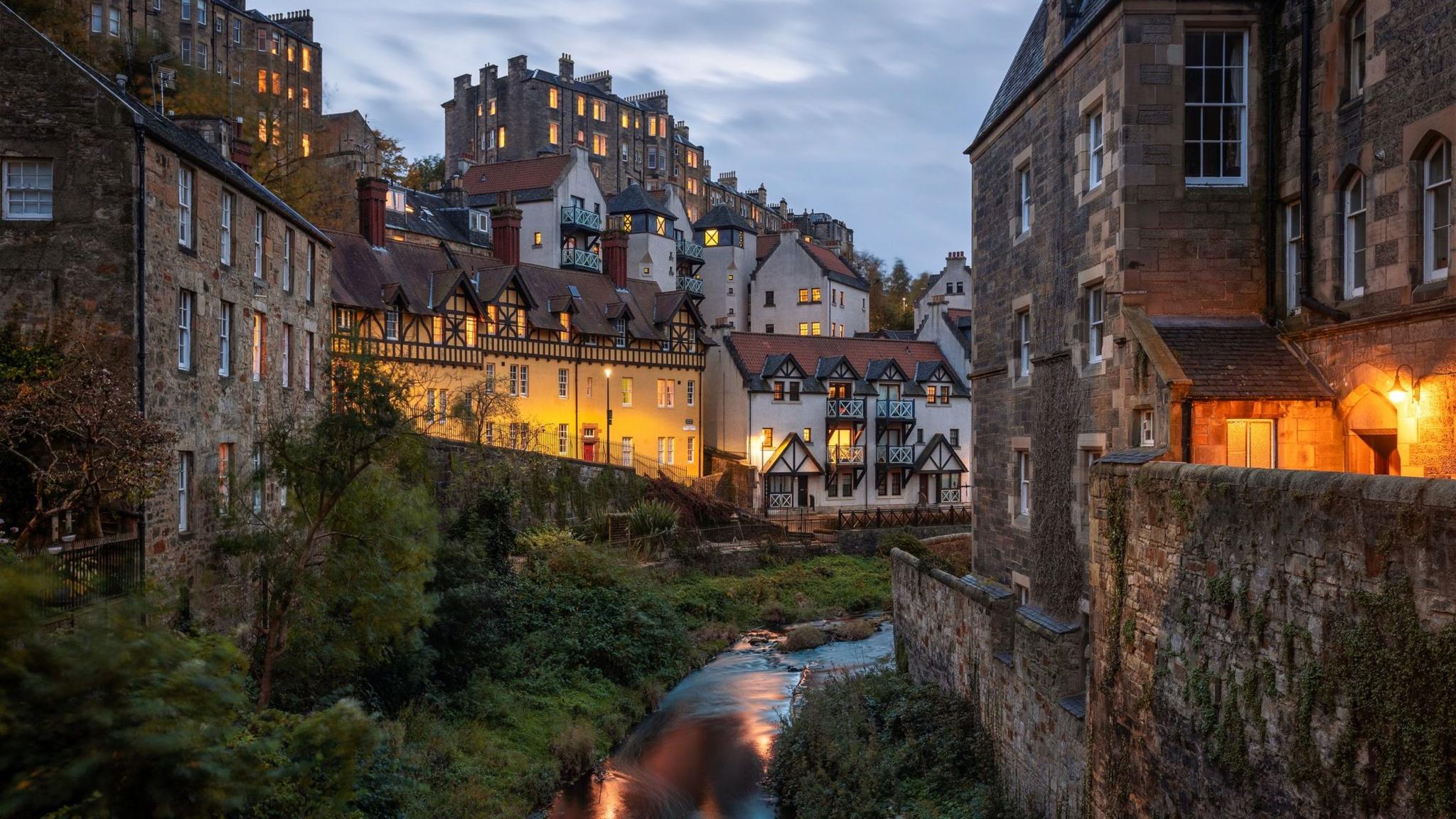 Image source, Getty Images
The idea was first raised under former Prime Minister Sir Keir Starmer in November and is similar to schemes running in Scotland and European destinations.
Two cities in England already run their own voluntary schemes – a £1 per room, per night City Visitor Charge in Manchester, introduced when Burnham was mayor of the region, and a £2 nightly charge in Liverpool. These are business-led schemes where hotels choose to pool the money raised to support local tourism.
Until now, regional mayors have not had the power to bring such fees in themselves – but they argue it is needed to boost economic growth.
Steve Rotheram, mayor of the Liverpool City Region and a close ally of Burnham, said the “modest levy” could raise up to £18m a year and be reinvested into “events, culture, experiences and infrastructure” that attract visitors.
The Labour mayors of West Yorkshire, London, and the West of England also signalled on Thursday that they will bring in the levy.
Labour’s South Yorkshire mayor Oliver Coppard welcomed the move but told BBC Radio Sheffield that Labour mayors would consult industry leaders before bringing it in. He said it could be spent on areas including street cleaning and night buses.
David Skaith, the Labour mayor of York and North Yorkshire, said money raised from a levy would help improve town centres and invest in public services.
However, he added: “No decision will be made without a full public consultation and more engagement with the hospitality and tourism sector.”
Mayor of London Lord Khan called for the levy to come in sooner rather than later, adding it was right for the capital to have the same power as other global cities to use the charge. It is understood he supports a maximum 5% levy.
John Chappell, who runs five caravan parks in Skegness, Lincolnshire, told BBC Your Voice that many English tourist resorts have visitors on tight budgets already struggling with the cost of car travel.
He said an extra cost would “kill the industry off”.
“Tourists are the saviours of our resorts, not the demons and ill thought-out ideas like these show how out of touch with reality politicians are,” he added.
The taxes are common in Europe and the rest of the world, with New York, Amsterdam and Rome applying overnight charges to accommodation stays to fund local services. However, they are capped in several European cities.
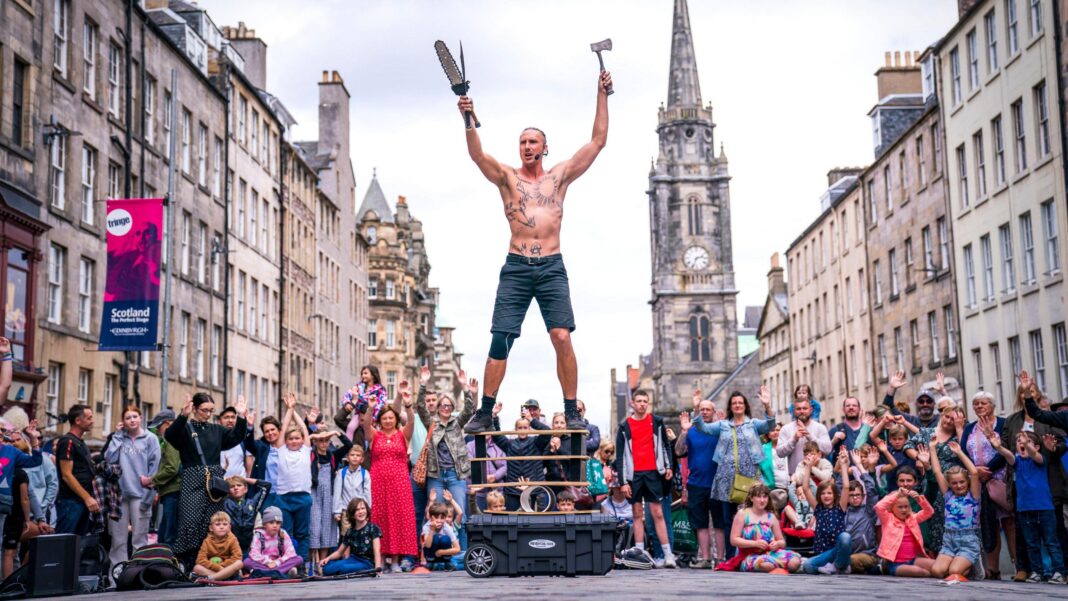
In Scotland local authorities can charge a visitor levy on overnight accommodation. In Edinburgh, the rate is 5% for those staying overnight in hotels, bed and breakfasts and self-catering facilities – capped at five nights.
It has had a mixed reaction, with some praising extra investment but Scottish Ballet responded by cutting performances while criticising the “unsustainable economics of touring in Edinburgh”.
In Wales, a capped levy of £1.30 per person per night is set to be introduced in April next year, but it will be up to local authorities to decide whether to roll it out.

Get in touch
Do you have any comments or questions about this story?
-
-
Published1 September
-
-
-
Published23 July
-
-
-
Published14 January
-