

This post was originally published on this site.
Mastering essential business process steps is key to enhancing your organization’s efficiency. Start by defining clear objectives for each process you want to improve. Next, identify the key workflows that drive your success. Create simple workflow diagrams to visualize these processes, making it easier to spot redundancies. Regularly analyze these workflows for areas of improvement, and involve stakeholders to guarantee everyone’s on the same page. This approach can lead to significant gains in productivity and effectiveness. What’s next?
Key Takeaways
- Define clear objectives and performance metrics using the SMART criteria to guide process enhancements effectively.
- Identify and analyze existing workflows to pinpoint inefficiencies and areas for improvement.
- Engage stakeholders throughout the process to ensure alignment and gather valuable insights.
- Redesign workflows by automating repetitive tasks and documenting new processes for clarity.
- Foster a culture of continuous improvement by encouraging employee feedback and regular performance reviews.
Why Mastering Business Processes Is Crucial for Success

Mastering business processes is essential for your organization’s success, especially when you consider how they directly impact efficiency and productivity. To achieve this, start by identifying key business process improvement steps. Analyze existing workflows to pinpoint redundancies and inefficiencies that slow you down. Streamlining these tasks creates an efficient process, enhancing both teamwork and accountability among your employees.
Next, implement a structured bpm lifecycle. This allows you to continuously monitor and refine your processes, ensuring they align with your strategic goals. By prioritizing process management, you’ll not only improve operational efficiency but also boost employee satisfaction and customer experience, leading to higher retention rates.
Finally, maintain a commitment to ongoing improvement. This adaptability will help your organization respond swiftly to market changes, enhancing your competitive edge and supporting sustainable growth.
Focus on these actions, and you’ll set your organization up for long-term success.
Defining Clear Objectives for Your Processes

To achieve success in your business processes, it’s crucial to define clear objectives that align with your overall goals. Start by ensuring your objectives are specific, measurable, achievable, relevant, and time-bound (SMART). This approach will help you track and evaluate performance effectively.
As you outline these objectives, identify key performance indicators (KPIs) that can serve as benchmarks for gauging efficiency and success in your processes. These clear objectives will also guide your resource allocation, allowing you to focus on initiatives that deliver the most value.
Regularly revisit and update your objectives to adapt to changing business environments, fostering continuous improvement. By following these steps of business process management, you enhance your business process management implementation, ensuring that your team stays on track and aligned with your vision.
Identifying Key Processes Essential for Success

To identify key processes that drive your business success, start by evaluating which operations most impact customer satisfaction and align with your strategic goals.
Focus on streamlining workflows that have high costs or significant improvement potential, as these are essential for enhancing efficiency.
Essential Process Identification
Identifying key processes is essential for driving business success, as these processes directly influence customer satisfaction and operational efficiency.
Start by focusing on processes that have significant impacts, like those with high costs or regulatory requirements. Use process analysis methods, such as process mapping, to visualize workflows and spot redundancies. This helps identify areas needing improvement.
Evaluate your processes against established benchmarks to see where optimizations are necessary. Engage stakeholders during this identification phase; their insights are crucial for a well-rounded understanding.
[embedded content]
Streamlining Operational Workflows
Streamlining operational workflows starts with understanding how your processes work together.
What’s the first step in analyzing a business process? Begin by mapping your workflows. This visualization helps you identify key processes, dependencies, and redundancies.
As you assess the BPM life cycle, focus on regular analysis to spot bottlenecks and inefficiencies, allowing for timely adjustments that boost productivity and lower costs.
Implement a structured approach to process design, aligning workflows with your strategic objectives.
Leverage technology to automate tasks and monitor key processes, which enhances compliance and speeds up response times.
Enhancing Team Collaboration
When team members understand their roles and responsibilities, collaboration becomes more effective and focused. Start by defining roles clearly, so everyone knows their part in the business process cycle.
Regularly schedule meetings to promote open communication and guarantee updates are shared, fostering transparency. Utilize collaborative tools that streamline workflows, enabling real-time tracking of progress and resource sharing.
Establish feedback mechanisms to encourage continuous improvement, allowing team members to voice challenges and suggest enhancements. Cross-functional collaboration is essential; it brings diverse perspectives, enriching problem-solving and aligning with organizational goals.
Creating Workflow Diagrams to Enhance Operational Clarity

Creating workflow diagrams is a practical way to visualize process steps and identify key stakeholders involved in your business operations.
Start by mapping out each task and decision point using standard symbols, like rectangles for tasks and diamonds for decisions, to enhance clarity.
This approach not only helps everyone understand their roles but also highlights areas for improvement in your processes.
Visualizing Process Steps
Visualizing process steps is essential for enhancing operational clarity, and using workflow diagrams can greatly help. Start by mapping out the sequence of tasks and decision points in your process. Use standardized symbols—like rectangles for tasks and diamonds for decisions—to guarantee everyone understands the flow.
This visual representation can reveal redundancies and inefficiencies, helping you streamline operations and boost productivity.
When you create these diagrams, think about new employees too; they’ll find them valuable for grasping their roles within the overall process. Remember to update your diagrams regularly as processes change.
This practice not only keeps your operations current but also fosters a culture of continuous improvement, making your team more adaptable and effective.
Identifying Key Stakeholders
Identifying key stakeholders is an essential step in streamlining your processes and ensuring everyone is on the same page. Start by recognizing individuals or groups with a vested interest in the process. Their input is critical for implementing changes successfully.
Next, create workflow diagrams to visually represent these processes, clarifying roles and responsibilities. Engage stakeholders in this diagram creation; their diverse perspectives will enhance collaboration and efficiency.
As you develop these diagrams, look for potential bottlenecks or redundancies that could slow operations. Regularly update your diagrams based on stakeholder feedback to promote continuous improvement.
This approach aligns your processes with evolving business objectives, ensuring everyone plays their part effectively in achieving your goals.
Analyzing Existing Processes for Improvement
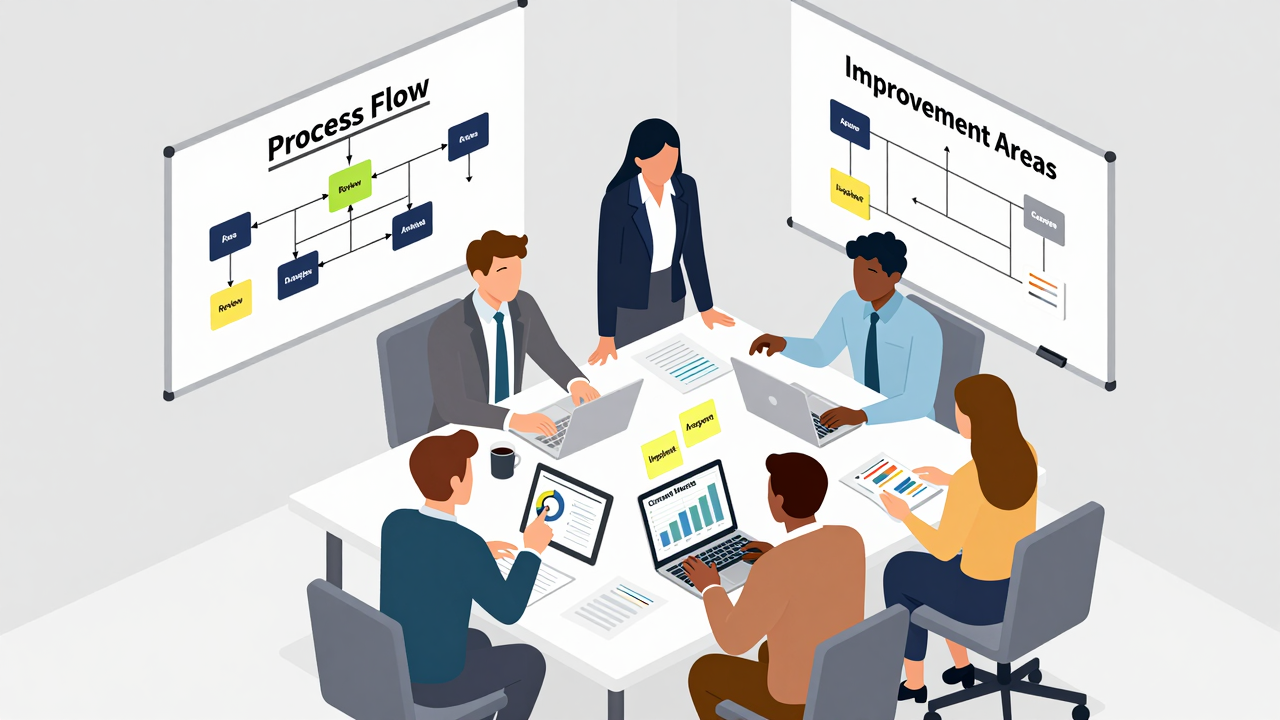
To enhance your business processes, start by mapping out your existing workflows. This visual representation helps you pinpoint inefficiencies and redundancies, making it easier for stakeholders to understand current operations. Establish performance metrics and KPIs to evaluate effectiveness, enabling data-driven decisions for improvements. Engaging employees in this analysis phase can uncover valuable insights and promote a culture of continuous improvement.
Regularly assess process performance to identify areas needing adjustment, ensuring your processes align with evolving business goals. Use process documentation to spot bottlenecks and develop targeted interventions.
[embedded content]
| Step | Action | Outcome |
|---|---|---|
| Map Workflows | Visualize current processes | Identify inefficiencies |
| Set Metrics | Establish KPIs | Measure process effectiveness |
| Engage Employees | Involve staff in analysis | Gain practical insights |
Redesigning Processes for Optimal Performance
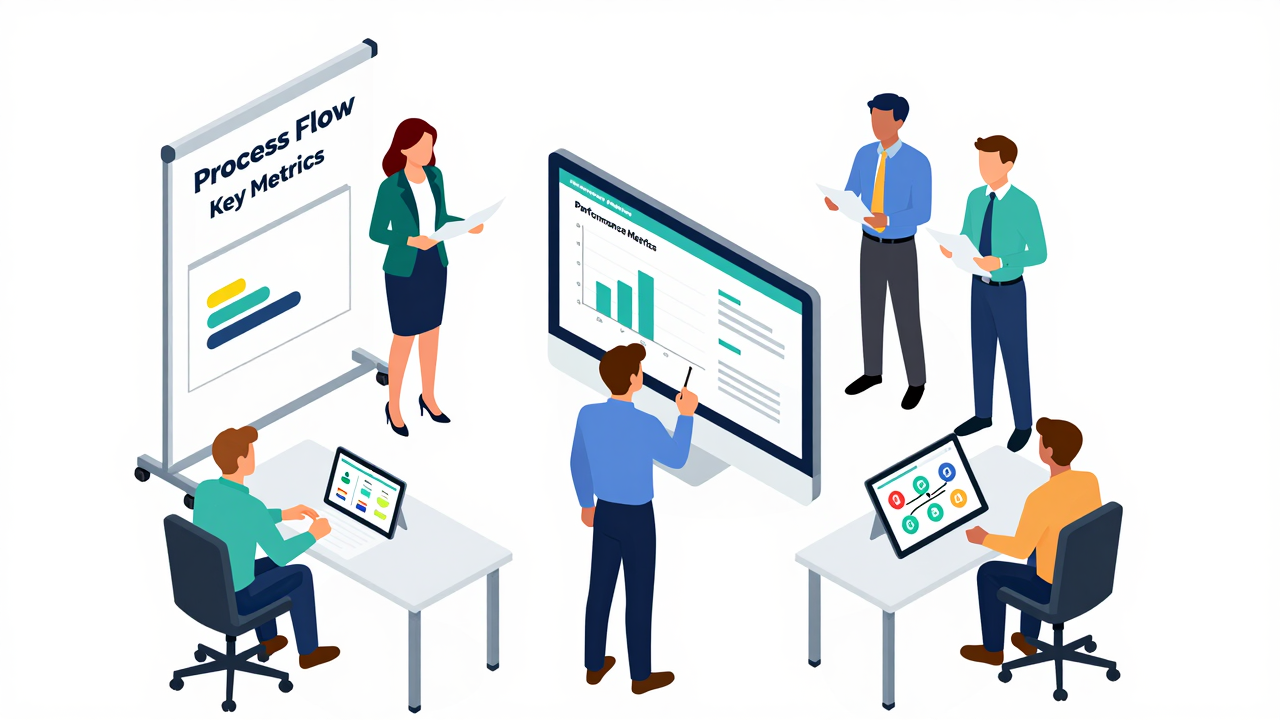
Redesigning your business processes can lead to significant improvements in efficiency and effectiveness. Start by analyzing your existing workflows to pinpoint inefficiencies and areas for improvement.
Use process mapping techniques to visualize these workflows; this makes it easier to identify redundancies and bottlenecks that slow you down.
Consider automating repetitive tasks during the redesign phase. This can cut costs and enhance overall efficiency.
Establish clear Key Performance Indicators (KPIs) to monitor how well your redesigned processes perform against your goals.
Don’t forget to engage stakeholders throughout the process. Their insights can foster collaboration and guarantee that everyone understands the changes being made.
This engagement enhances buy-in and helps with a smoother implementation. By taking these steps, you’ll position your organization for peak performance and long-term success.
Implementing Redesigned Processes Effectively

To implement redesigned processes effectively, start by engaging key stakeholders early to guarantee everyone’s on the same page about their roles and expectations.
Next, provide thorough training sessions that cover the changes and tools involved, so your team feels confident and prepared.
Finally, set up a system to monitor performance metrics, allowing you to track progress and make adjustments as needed.
Engage Key Stakeholders Early
Engaging key stakeholders early in the process redesign is essential for your project’s success. By involving them from the start, you guarantee their insights and needs are incorporated, aligning your efforts with organizational goals.
This early involvement fosters ownership and accountability, increasing commitment to the new processes and minimizing resistance to change. Keep communication open throughout the redesign; this helps identify potential challenges and allows for timely adjustments.
Include cross-functional teams to bring in diverse perspectives, leading to more effective improvements. Make certain to document their feedback and incorporate it into the final design.
This practice enhances user satisfaction and boosts the overall success rate of the processes you implement.
[embedded content]
2. Monitor Performance Metrics
Monitor performance metrics to guarantee your redesigned processes are functioning as intended. Start by establishing clear Key Performance Indicators (KPIs) that align with your specific objectives.
Use real-time monitoring tools to track performance, allowing you to quickly spot inefficiencies or deviations. Schedule regular performance reviews to analyze data trends, which helps you make informed decisions and adjust processes when necessary.
Encourage feedback from employees and stakeholders, integrating their insights into ongoing assessments. Finally, document and share performance results across teams to promote transparency and accountability.
This fosters a culture of continuous improvement, ensuring everyone is aligned and working towards the same goals. By actively monitoring these metrics, you’ll enhance overall process effectiveness.
3. Provide Comprehensive Training
Once you’ve established performance metrics, it’s important to focus on how to implement the redesigned processes effectively.
Start by offering thorough training for your team, ensuring everyone understands the new processes. Tailor training sessions to different roles, making the learning experience relevant, which boosts confidence.
Use various methods, like hands-on workshops and e-learning modules, to accommodate different learning styles and enhance information retention.
Don’t forget to provide ongoing support and refresher courses to keep employees updated on any changes.
Finally, measure the training’s effectiveness through assessments and feedback; this helps identify areas for improvement and reinforces the importance of continuous learning in managing processes.
Following these steps will lead to smoother implementation and better results.
Setting Metrics to Track Progress

Setting effective metrics is essential for tracking progress in any business process. Start by establishing clear Key Performance Indicators (KPIs) that align with your objectives, like customer satisfaction or operational efficiency.
Make sure your metrics are SMART—specific, measurable, achievable, relevant, and time-bound. This clarity helps you monitor and assess your progress effectively.
Regularly review these metrics to identify trends, spot inefficiencies, and adjust your strategies as needed. For better understanding, consider using data visualization tools; they can make performance metrics more accessible for stakeholders, enabling informed decisions.
Benchmarking against industry standards or competitors is another useful strategy. This context can help you set realistic targets and pinpoint areas for improvement.
Ensuring Continuous Improvement in Processes
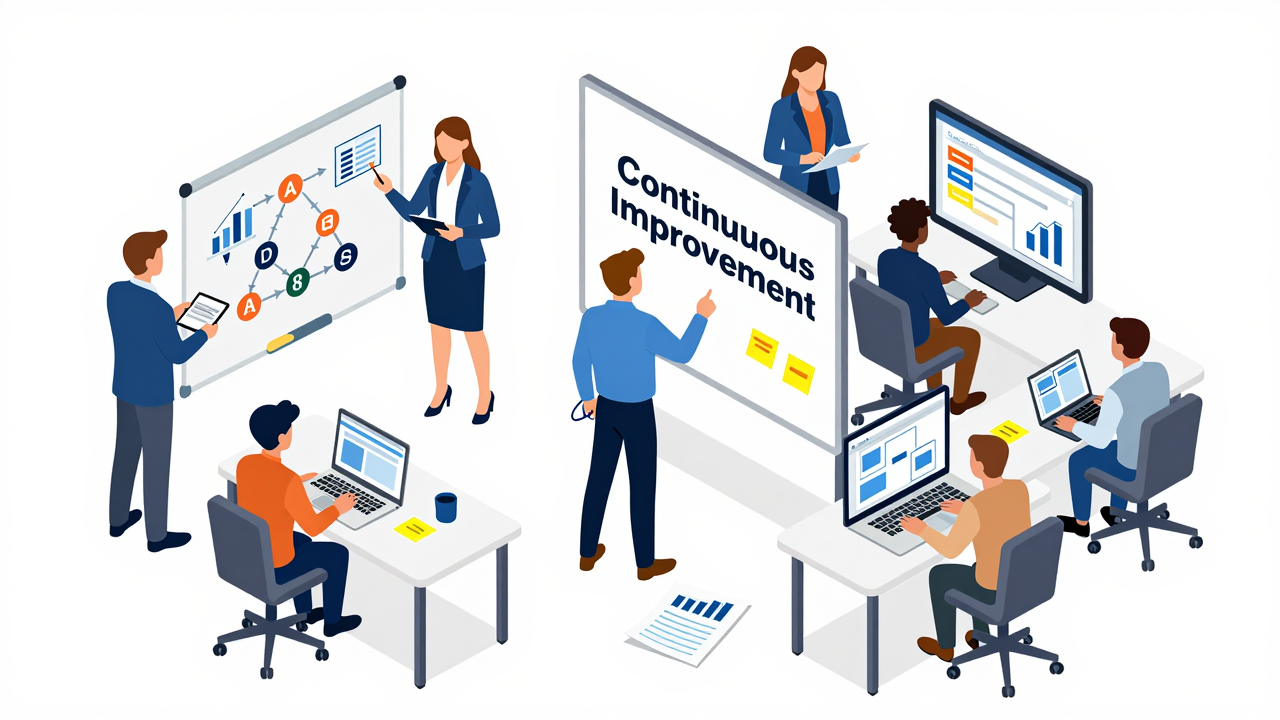
Driving continuous improvement in your business processes is essential for staying competitive and effective. Start by regularly monitoring and analyzing key performance indicators (KPIs) to pinpoint inefficiencies. Use these insights to identify areas for enhancement.
Implement feedback mechanisms that allow you to adapt processes based on real-time data and stakeholder input, which fosters a culture of responsiveness.
Schedule regular reviews and assessments of your existing processes. This helps you uncover redundancies and guarantees that operations align with your strategic goals.
Additionally, leverage technology and automation to boost efficiency, reduce operational costs, and facilitate ongoing improvements in workflow management.
Always be proactive in your approach; continuous improvement isn’t a one-time effort. It requires commitment and consistent action.
Engaging Stakeholders Throughout the BPM Lifecycle
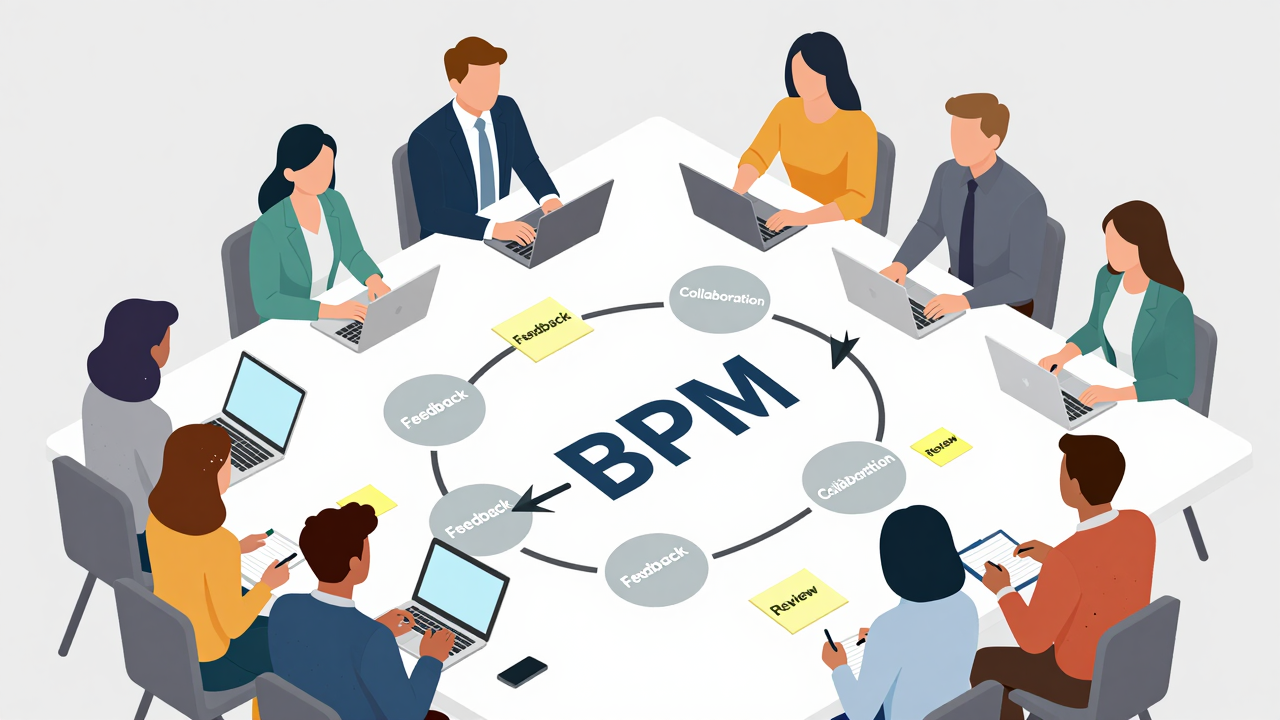
How can you effectively engage stakeholders throughout the BPM lifecycle? Start by involving them in all phases, from design to optimization. Regular communication keeps everyone informed and allows for real-time feedback. This fosters transparency, ensuring that stakeholders feel their insights are valued.
Use cross-functional teams to gain diverse perspectives, which can help identify hidden inefficiencies and innovative solutions. Documenting stakeholder input creates a knowledge repository for future initiatives. Here’s a simple table to illustrate:
| Stakeholder Action | Outcome |
|---|---|
| Provide feedback | Enhances process design |
| Participate in meetings | Encourages collaboration |
| Share insights | Uncovers innovative solutions |
| Review performance metrics | Identifies gaps |
| Suggest improvements | Drives continuous enhancement |
Using Technology for Effective Business Process Management

Engaging stakeholders is just the beginning of optimizing your business processes.
Next, consider implementing BPM software to streamline workflows and automate repetitive tasks. This can reduce operational costs by up to 30%, boosting your overall efficiency.
Integrate technology like CRM and ERP systems for seamless data sharing across departments; this improves collaboration and decision-making.
Use process mapping tools to visualize your workflows, helping you identify bottlenecks and areas for improvement.
Adopting cloud-based BPM solutions can offer real-time monitoring and analytics, allowing you to make data-driven decisions and adapt quickly to market changes.
Don’t forget to train your employees on these new technologies; proper training increases engagement and compliance, leading to smoother shifts and better adherence to established processes.
How to Foster a Culture of Process Optimization

To foster a culture of process optimization, start by empowering your employees. Provide them with training and resources so they can identify inefficiencies and suggest improvements.
Next, promote open communication; encourage feedback and foster discussions about process challenges. This transparency helps everyone feel valued and engaged.
Implement regular reviews of your processes to evaluate performance against key performance indicators (KPIs). This keeps your team aligned with business objectives and drives continuous improvement.
Celebrate successes by recognizing and rewarding those who contribute to process enhancements. This reinforces the importance of optimization within your organization.
Finally, utilize technology such as BPM tools to streamline workflows and collect data. These tools facilitate real-time monitoring, making it easier to pinpoint areas for improvement.
Frequently Asked Questions

What Are the 7 Steps of the Business Process?
The seven steps of the business process are prospecting and qualifying, preparation, approach, presentation, handling objections, closing, and follow-up.
Start by identifying potential clients and understanding their needs.
Next, prepare your pitch to address those needs specifically.
Approach the client confidently, present your solution clearly, and handle any objections with care.
Close the deal by asking for commitment, then follow up to guarantee satisfaction and nurture the relationship for future opportunities.
What Are the 5 Stages of BPM?
The five stages of BPM are Design, Model, Execute, Monitor, and Optimize.
First, design your processes to align with goals.
Next, create flowcharts in the model stage to visualize inputs and outputs.
In the execution phase, implement your processes, starting with small tests to guarantee they work.
Then, monitor them by tracking KPIs.
Finally, optimize your processes by analyzing performance data and making necessary adjustments for improved efficiency and effectiveness.
Is BPM Outdated?
No, BPM isn’t outdated. It adapts with technology, like AI and automation, making it essential for today’s organizations.
To stay relevant, focus on integrating BPM with agile practices, which allows quicker responses to market changes. Regularly assess and optimize your processes to maintain efficiency and competitive edge.
Embrace remote work tools to enhance collaboration among teams. By prioritizing these steps, you’ll guarantee your BPM efforts remain effective and aligned with your business goals.
What Is the 7 Step Process for Starting a Business?
To start a business, follow these seven steps:
First, conduct market research to understand your audience and competition.
Next, write a detailed business plan outlining your goals and strategies.
Third, secure funding through savings, loans, or investors.
Fourth, choose a suitable location, considering both physical and online options.
Fifth, select the right business structure for legal and tax purposes.
Finally, register your business and obtain necessary permits to operate legally.
Conclusion

To optimize your business processes, start by mapping out existing workflows and pinpointing inefficiencies. Set clear objectives and engage your team for input. Use diagrams to visualize steps, making it easier to identify areas for improvement. Regularly monitor performance metrics to guarantee ongoing enhancement. Embrace technology to streamline operations, and foster a culture where employees feel empowered to contribute ideas. By taking these steps, you’ll enhance efficiency and maintain a competitive edge in your industry.
Image via Google Gemini and Small Business Trends