
This post was originally published on this site.
When managing inventory, you need effective methods to control stock levels and reduce costs. Start with ABC analysis to prioritize items based on their value. Implement Just-In-Time (JIT) strategies to align inventory with demand, minimizing excess. Consider using Economic Order Quantity (EOQ) to determine ideal order sizes. By combining these techniques with technology like inventory management software, you can streamline operations. But what about the common challenges that arise? Let’s explore solutions to keep your inventory under control.
Key Takeaways
- Effective inventory control minimizes excess stock, reduces carrying costs, and directly impacts cash flow and profitability.
- Techniques like ABC analysis and Just-In-Time (JIT) optimize inventory management by categorizing items and aligning orders with demand.
- Advanced methods such as Economic Order Quantity (EOQ) and Safety Stock Management help balance stock levels while avoiding shortages and excess inventory.
- Technology, including real-time tracking tools and inventory management software, enhances accuracy and efficiency in inventory control processes.
- Regular audits and cycle counting mitigate human errors and ensure accurate inventory records, addressing common challenges in inventory management.
The Importance of Inventory Control in Business
Effective inventory control is essential for any business aiming to thrive. You need to understand why inventory control is important: it minimizes excess stock, reduces carrying costs, and directly impacts your cash flow and profitability.
Implementing effective stock control helps you maintain ideal stock levels, preventing stockouts that can lead to lost sales and unhappy customers.
Consider using inventory control methods like ABC analysis, which prioritizes your management efforts on high-value items. This focus maximizes profitability and resource allocation.
Advanced inventory management technologies can also be a game changer, enabling real-time tracking that cuts down on human error and improves decision-making related to replenishment.
To enhance your inventory control, regularly audit your stock, analyze sales trends, and adjust your strategies accordingly.
What Is Inventory Control?
Inventory control involves managing stock levels to guarantee you have just the right amount on hand, preventing both shortages and excess.
You’ll want to focus on key objectives like balancing availability and costs while using techniques such as tracking inventory in real time.
Key Objectives of Inventory Control
Balancing stock levels is essential for any business aiming to meet customer demand while avoiding excess inventory costs. Your key objectives in inventory control should focus on maximizing profits and minimizing holding costs.
Use effective inventory control techniques to guarantee you have just enough stock available, preventing both shortages and overordering. Implement strong stock level control practices to maintain cash flow, allowing you to invest in other business areas.
Regularly review your inventory control procedures to keep accurate records of stock movement and condition, assuring quality and compliance. Address challenges like inaccurate data by using robust inventory management systems, which can greatly enhance your overall efficiency and customer satisfaction.
Techniques for Effective Management
To manage your inventory effectively, you need to focus on several key techniques that can streamline your operations and enhance profitability.
Start with the inventory control definition: it regulates stock levels to prevent shortages and excess.
Implement stock control techniques like ABC analysis to categorize inventory based on value and sales frequency, allowing you to prioritize high-impact items.
Additionally, consider Just-in-Time (JIT) inventory, which minimizes holding costs by ordering stock only as needed. This approach requires accurate demand forecasting and strong supplier relationships.
Regular inventory audits are also essential; they help identify discrepancies, maintain accuracy, and support compliance with industry standards, ultimately leading to better decision-making and improved cash flow.
How Inventory Control Differs From Inventory Management
While both inventory control and inventory management play essential roles in effective stock handling, they serve different purposes within a business. Inventory control focuses on tracking and regulating stock levels to prevent shortages and overstock. You’ll use stock control methods to guarantee accurate stock counts and efficient replenishment processes.
In contrast, inventory management encompasses broader strategic decisions, like demand forecasting and supplier negotiations, helping you optimize the entire supply chain.
To enhance your operations, start by implementing physical vs perpetual inventory systems. Physical inventory involves counting stock at specific intervals, while perpetual inventory tracks stock in real-time. This way, you can maintain visibility into stock levels and align supply with actual demand.
Traditional Inventory Control Methods: Pros and Cons
Understanding the different inventory control methods can help you choose the best approach for your business needs. Traditional methods like periodic inventory control are simple and cost-effective, requiring manual counts at set intervals. However, they lack real-time visibility, leading to potential stockouts or overstocking.
On the other hand, a perpetual stock system offers real-time tracking through technology, enhancing accuracy but needing a higher upfront investment.
For small businesses, using spreadsheets can neatly organize your stock control procedures, though they still depend on manual updates, making them less efficient. If you’re really starting small, paper and pen methods might work, but they’re prone to errors and lack scalability.
Weigh these pros and cons carefully, considering your business size and needs, to identify which traditional inventory control method aligns best with your operational goals.
How Technology Transforms Inventory Control

As you explore how technology transforms inventory control, you’ll find that real-time tracking tools like RFID and barcode scanning markedly reduce discrepancies. These systems enhance accuracy, ensuring you know exactly what’s in stock.
By implementing automated inventory management software, you can streamline processes, integrating with sales systems to provide instant updates on stock levels and demand forecasts.
Consider building inventory management around advanced analytics tools that leverage historical sales data, helping you maintain ideal stock levels and reduce stockouts. Cloud-based inventory solutions are also invaluable, allowing you to monitor and manage inventory across multiple locations from one platform.
Finally, machine learning algorithms can dynamically adjust stock levels based on market trends and seasonal fluctuations, keeping you proactive rather than reactive. By adopting these technologies, you’ll improve your stock control and drive efficiency in your operations.
Mastering ABC Analysis for Inventory Control

To master ABC Analysis for inventory control, you need to categorize your inventory into three groups: Category A for high-value items, Category B for moderate-value ones, and Category C for low-value products.
Focus your management efforts on Category A, as these items greatly impact your profits. By prioritizing your resources this way, you can guarantee that critical items are always available, while also cutting costs and improving cash flow for Categories B and C.
Categories of Inventory Items
Effective inventory control relies heavily on categorizing your inventory items using ABC Analysis. This method helps you prioritize management efforts effectively. Here’s a quick breakdown of the categories:
| Category | Value % | Item % | Control Level |
|---|---|---|---|
| A | 70-80% | 10-20% | Close monitoring |
| B | 15-25% | 30% | Moderate oversight |
| C | 5-10% | 50-70% | Minimal control |
In your store inventory control, focus on Category A items first, as they represent the bulk of your inventory value. For stores and stock control, make sure you’re managing B items with a balanced approach while reviewing C items less frequently. This inventory control example can improve turnover rates and reduce carrying costs.
Prioritizing Management Efforts
When you prioritize management efforts in inventory control, focusing on the most valuable items first can greatly boost your efficiency and profitability.
[embedded content]
Use ABC Analysis to categorize your inventory: Category A items need close monitoring since they account for a large portion of costs, despite being a small percentage of total items. Category B items require moderate oversight, while Category C items, though numerous, demand minimal control.
This method allows you to allocate resources effectively. Additionally, consider the differences between physical inventory and perpetual inventory to guarantee accuracy.
Implementing Just-In-Time (JIT) Inventory for Efficiency
Implementing Just-In-Time (JIT) inventory can transform your business operations, especially if you focus on aligning your orders with actual demand. To succeed, build strong relationships with reliable suppliers. This guarantees timely deliveries, reducing stockouts and production delays. Accurate demand forecasting is crucial, as it helps you predict inventory needs and avoid over-ordering.
Here’s a quick overview:
| Key Element | Action Steps |
|---|---|
| Supplier Relationships | Communicate regularly, establish trust |
| Demand Forecasting | Use historical data, analyze market trends |
| Inventory Management | Minimize excess stock, streamline processes |
Calculating Economic Order Quantity (EOQ)
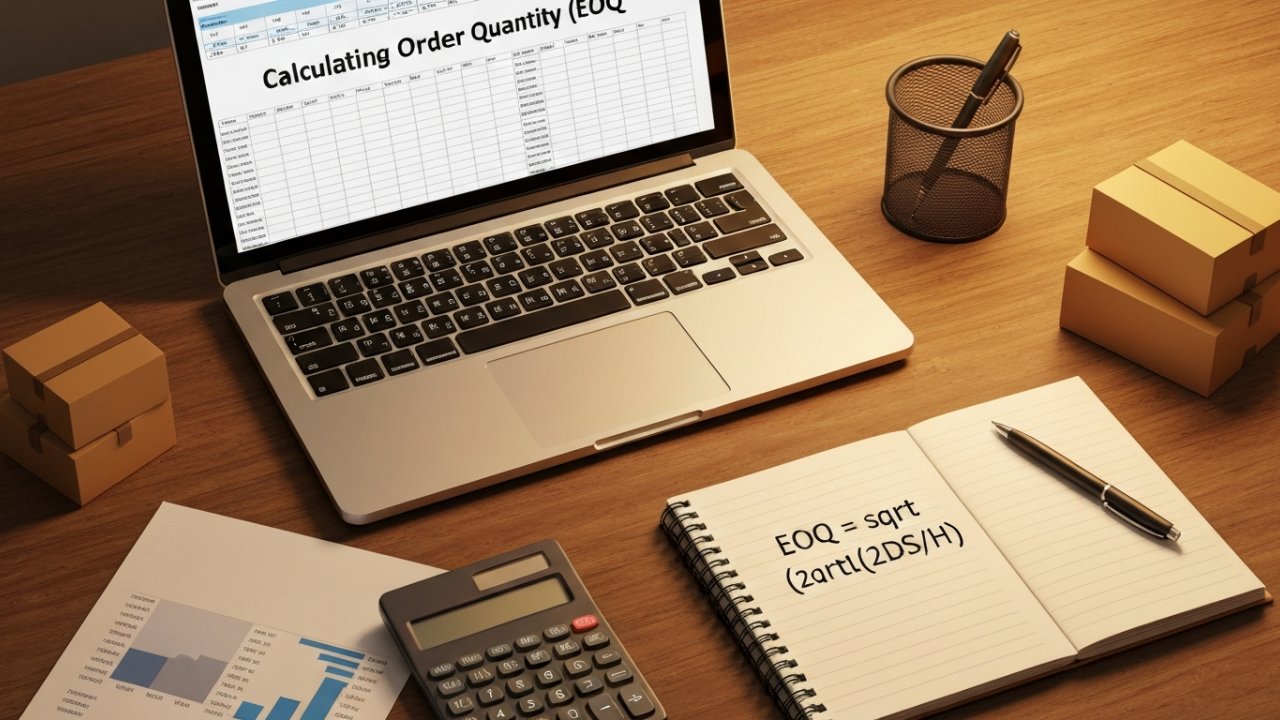
Calculating Economic Order Quantity (EOQ) can help you strike a balance between ordering and holding costs, ensuring your inventory management is efficient.
To find your EOQ, use the formula: EOQ = √[(2DS)/H]. Here, D is your annual demand, S is the cost to place an order, and H is the holding cost per unit per year.
By calculating EOQ, you can reduce the number of orders you place, which cuts down on ordering costs. Simultaneously, you minimize the inventory you hold, lowering your holding costs. This approach can save you 20-30% on total inventory expenses.
Remember to regularly review your EOQ calculations, adjusting for any changes in demand, ordering costs, or holding costs. Doing this will keep your inventory management effective and responsive to your business needs.
Start applying EOQ today, and watch your inventory costs decrease.
Managing Safety Stock for Effective Inventory Control
Managing safety stock is essential for effective inventory control, as it helps you avoid stockouts while keeping costs in check. To calculate your safety stock, start by identifying the standard deviation of demand during lead time. Multiply this by your desired service level factor to find a suitable buffer. This approach guarantees you maintain adequate stock without incurring excessive holding costs.
Regularly review your safety stock levels, adjusting them based on market conditions, seasonal demand, and sales trends. For instance, if you notice increased demand during certain months, consider raising your safety stock during that period.
This proactive strategy not only enhances customer satisfaction by guaranteeing product availability but also improves operational efficiency. By effectively managing safety stock, you can avoid overinvesting in excess inventory while still meeting customer needs, ultimately enhancing your cash flow and reducing waste.
Using Reorder Points to Avoid Stockouts

To keep your inventory running smoothly and avoid stockouts, using reorder points is a straightforward strategy. Here’s how to implement this method effectively:
- Calculate Your ROP: Use the formula ROP = (Average Daily Sales x Lead Time) + Safety Stock to determine when to reorder.
- Review Sales Data: Regularly check your sales data to get an accurate average daily sales figure, adjusting for seasonal changes and promotions.
- Automate the Process: Invest in inventory management software to set automatic reorder points, reducing human error and ensuring timely replenishment.
- Update Regularly: Keep your reorder points current by revisiting them based on market conditions and inventory turnover rates.
FIFO vs. LIFO: Which Method Is Right for You?

Which inventory method should you choose: FIFO or LIFO? Understanding both can help you align your strategy with your business needs. Here’s a quick breakdown:
| Method | Best For | Key Benefit |
|---|---|---|
| FIFO | Perishables (food, pharmaceuticals) | Reduces spoilage risk |
| LIFO | Inflationary periods | Matches costs with revenues |
| FIFO | Lower obsolescence rates | Fewer inventory write-downs |
| LIFO | Tax benefits | Decreases taxable income |
| FIFO | Higher reported profits | Increases cash flow |
If your products have a limited shelf life, FIFO is your go-to choice. However, if you’re facing inflation and want to manage taxes effectively, consider LIFO. Ultimately, align the method you choose with your operational strategy and financial goals to optimize cash flow and profitability. Evaluate your inventory regularly to guarantee you’re using the most effective method for your business’s unique circumstances.
Understanding Vendor-Managed Inventory (VMI)
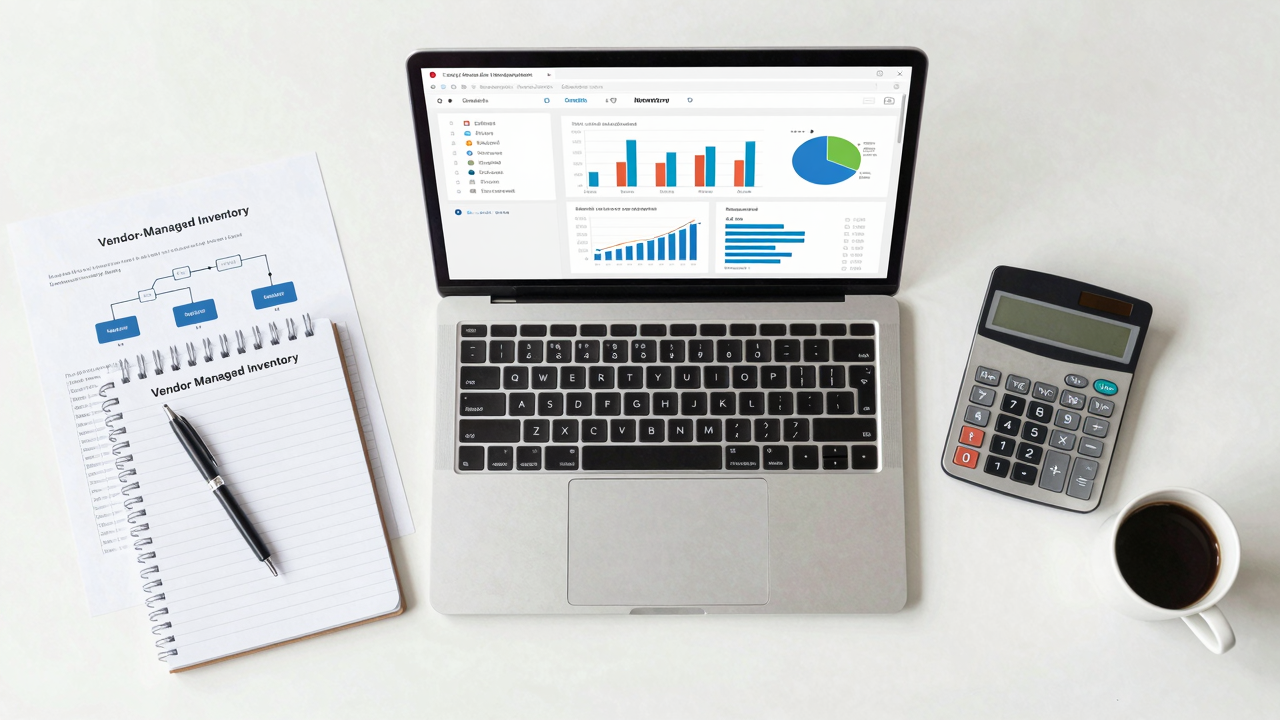
Vendor-Managed Inventory (VMI) can greatly streamline your supply chain process by transferring the responsibility of inventory management from you to your supplier.
With VMI, you can enjoy several key benefits:
- Improved Inventory Accuracy: Your supplier monitors stock levels directly, reducing errors.
- Fewer Stockouts: By responding to real-time data, suppliers can replenish inventory before it runs out.
- Cost Savings: Companies using VMI often see a 10-30% reduction in inventory levels while maintaining service.
- Stronger Partnerships: VMI fosters collaboration, improving communication about demand and inventory needs.
To make VMI work for you, consider implementing integrated technology systems that allow both you and your supplier to access the same inventory and sales data.
Why Cycle Counting Improves Inventory Accuracy

Cycle counting can greatly enhance your inventory accuracy, especially when you implement it strategically. Instead of conducting time-consuming full inventory counts, focus on regularly auditing portions of your inventory. This method allows you to quickly spot discrepancies in stock levels, reducing the risk of stockouts and overstocking.
Aim to achieve over 95% inventory accuracy, which can considerably improve your operational performance and boost customer satisfaction.
Incorporate cycle counting into your routine by scheduling counts based on inventory movement trends. Use inventory management software to automate the process, making it easier to maintain accurate records.
This integration will streamline your replenishment efforts, allowing you to respond to demand more effectively. By regularly checking your stock, you’ll not only enhance accuracy but also make informed decisions about your inventory levels, ultimately leading to a more efficient inventory management system.
Dropshipping as a Strategy for Inventory Control
Dropshipping can be a smart strategy for managing your inventory effectively.
By partnering with suppliers, you can reduce costs related to storage and simplify your inventory management, since you won’t need to hold stock yourself.
This model not only broadens your product range but also allows you to respond quickly to market trends without the financial burden of upfront inventory purchases.
Benefits of Dropshipping Model
If you want to streamline your inventory management and reduce costs, consider adopting a dropshipping model. This approach offers numerous benefits that can transform your business:
[embedded content]
- No Upfront Inventory Costs: You can offer a wider range of products without the financial strain of holding stock.
- Lower Storage Costs: Products ship directly from suppliers to customers, cutting down on handling and storage expenses.
- Flexibility: Easily test new products and adapt to market trends without worrying about excess inventory.
- Reduced Risk of Stockouts: By leveraging suppliers’ inventory management, you guarantee a smoother customer experience.
Implementing dropshipping can enhance your cash flow and potentially increase profit margins, making it a compelling strategy for any retailer.
Cost Reduction Strategies
A smart approach to cost reduction in inventory management is adopting the dropshipping model. By using dropshipping, you eliminate warehousing costs, as products ship directly from suppliers to customers. This greatly reduces overhead expenses.
You also mitigate inventory risks, avoiding the issues of overstocking and losses from unsold goods. Plus, you can offer a broader range of products without the financial burden of upfront inventory purchases, allowing for better cash flow management.
Many dropshipping suppliers provide bulk shipping rates, lowering your shipping expenses. Finally, the scalability of dropshipping makes it easy to adapt to market demands, as you won’t be tied down by physical stock management.
Consider integrating dropshipping to streamline costs effectively.
Inventory Management Simplification
One effective way to simplify inventory management is by adopting the dropshipping model. This strategy lets you sell products directly from suppliers, eliminating the need for storage and reducing overhead costs.
Here are key benefits to evaluate:
- Wider Product Range: You can offer more items without financial risk, adapting quickly to market trends.
- Improved Cash Flow: Pay for products only after sales, freeing up capital.
- Stronger Supplier Relationships: Focus on building reliable partnerships for timely fulfillment and quality.
- Effective Demand Forecasting: Use accurate predictions to stock trending items and boost marketing strategies.
The Importance of Batch Tracking for Quality Control
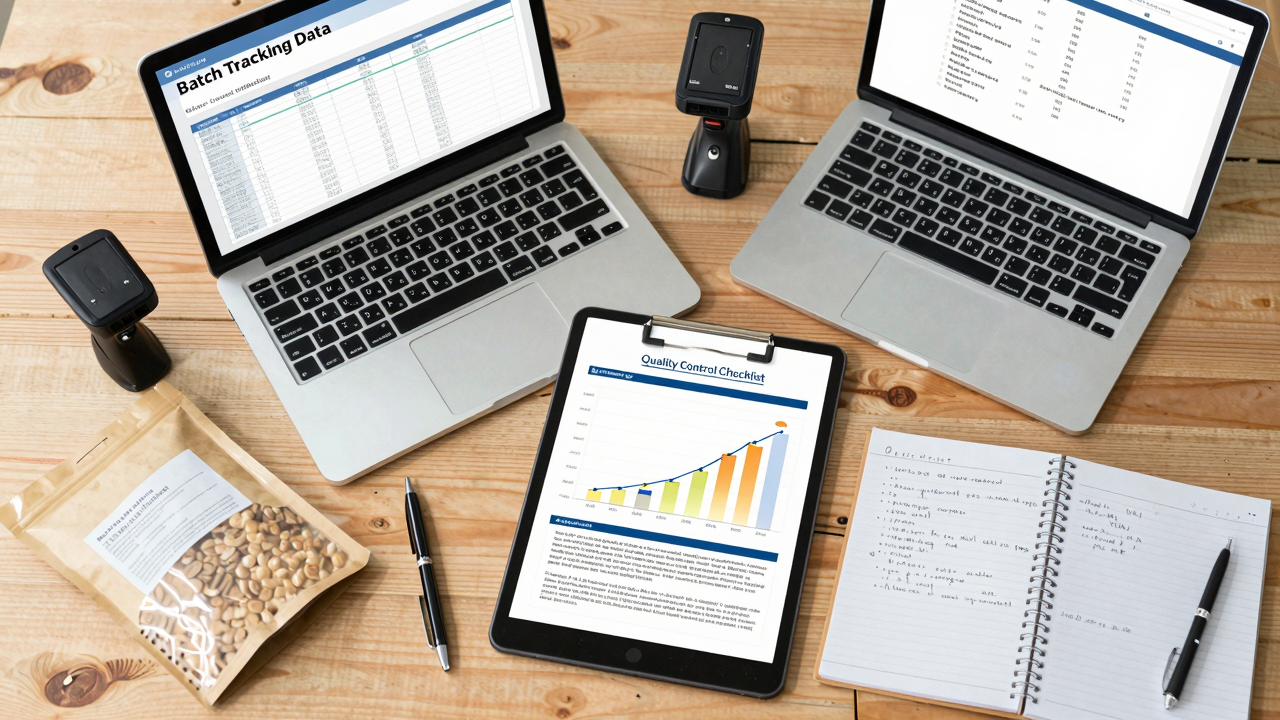
Batch tracking plays an essential role in quality control, especially when you need to guarantee product safety and consistency. By monitoring and tracing specific product groups throughout the supply chain, you enhance accountability and traceability. If a quality issue arises, you can quickly identify and isolate defective products, reducing potential financial losses and protecting your brand’s reputation.
In industries like pharmaceuticals and food, batch tracking isn’t just beneficial; it’s often required to meet safety standards. Keep detailed records of batch numbers to perform targeted audits and quality checks, which leads to improved product consistency and customer satisfaction.
To implement batch tracking effectively, establish clear processes for recording batch numbers and train your team on their importance.
Regularly analyze batch performance to inform future production and quality assurance strategies. This proactive approach not only safeguards your products but also strengthens your overall inventory management.
Integrating Inventory Management Software for Automation
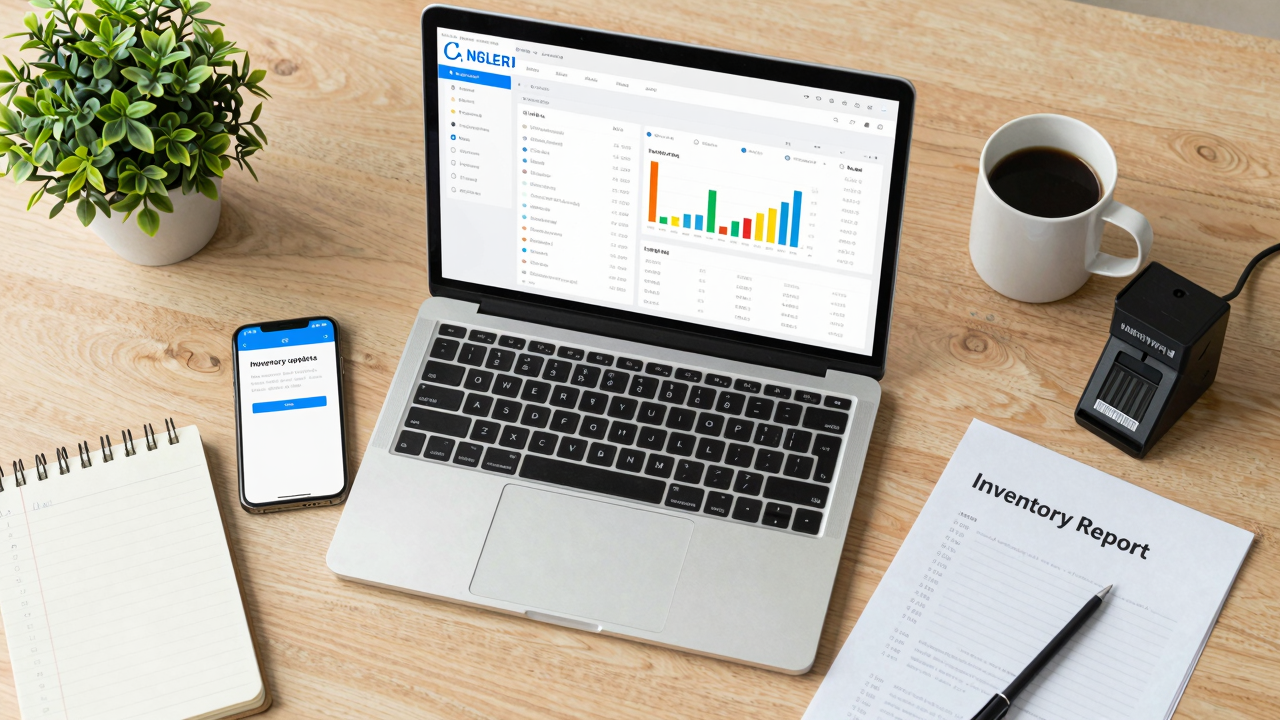
Integrating inventory management software can transform how you handle stock, making your operations more efficient and less error-prone. Here’s how you can benefit:
- Real-Time Tracking: Automate stock level monitoring to reduce human error and improve accuracy in your records.
- Automated Reordering: Set predefined thresholds for reordering, preventing stockouts and optimizing your inventory turnover rates.
- Analytics Tools: Use built-in reporting features to gain insights into sales trends, aiding in better forecasting and decision-making.
- Barcode/RFID Technology: Enhance stock-taking efficiency and improve visibility across multiple locations.
Common Inventory Control Challenges and Solutions
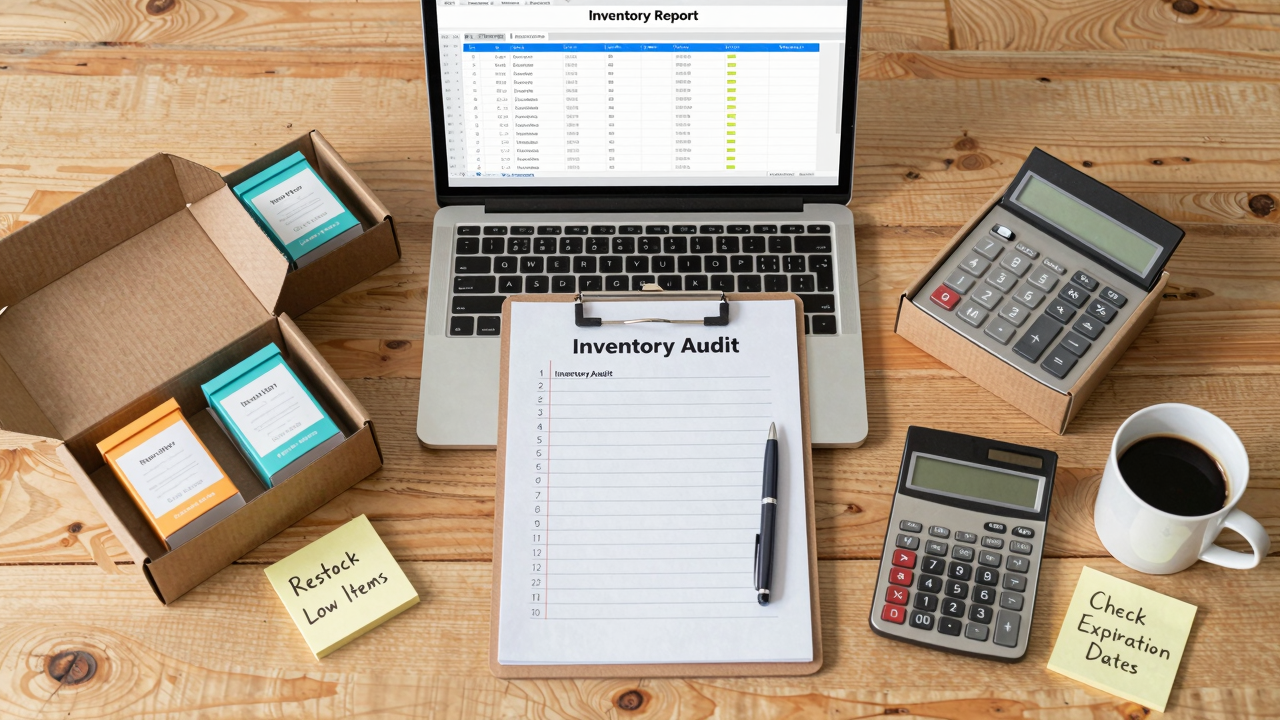
While managing inventory can be straightforward, several challenges can disrupt your operations and affect your bottom line. Lack of visibility often leads to stockouts or overordering, so invest in inventory management software for real-time tracking. This will enhance data accuracy, reducing fulfillment issues tied to manual processes.
Seasonal fluctuations can create unpredictable stock levels, making effective demand forecasting essential. Use historical sales data to anticipate these changes and adjust your inventory accordingly.
Human error during manual counts can cause discrepancies, so conduct regular audits and cycle counting. This practice guarantees your inventory records stay accurate.
Frequently Asked Questions

What Are the 4 Methods of Inventory Control?
The four methods of inventory control are Periodic Inventory, Perpetual Inventory, FIFO (First In, First Out), and ABC Analysis.
You can use Periodic Inventory for basic tracking at set intervals, while Perpetual Inventory offers real-time updates with technology.
Choose FIFO to sell older stock first, especially for perishables.
Finally, use ABC Analysis to prioritize your most valuable items, ensuring you focus your efforts where they’ll generate the most profit.
What Is the 80/20 Rule in Inventory?
The 80/20 rule in inventory means 80% of your profits often come from just 20% of your items.
[embedded content]
Focus on these high-impact products; analyze their sales and stock levels regularly. Prioritize restocking them to avoid shortages, while monitoring less critical items less closely.
This helps streamline your operations, improve cash flow, and reduce costs. Track trends and adjust your strategies based on demand to maintain peak inventory efficiency.
What Are Inventory Control Methods?
Inventory control methods include FIFO, JIT, ABC analysis, perpetual inventory systems, and safety stock.
To implement these, start by using FIFO to sell older items first, reducing spoilage.
Adopt JIT to order based on actual demand, minimizing excess stock.
Use ABC analysis to prioritize your most valuable items.
Implement a perpetual inventory system for real-time tracking, and keep safety stock to cover demand spikes.
Regularly review these methods to improve efficiency.
What Are the 4 Inventory Methods?
The four inventory methods you should know are FIFO, LIFO, ABC Analysis, and Economic Order Quantity (EOQ).
Use FIFO for perishable goods, ensuring you sell older stock first.
Opt for Opt for LIFO in rising price situations to minimize tax impacts.
Implement ABC Analysis to prioritize valuable items, focusing resources where they count most.
Finally, calculate EOQ to find the best order quantity, balancing ordering and holding costs effectively.
Each method helps streamline your inventory management.
Conclusion
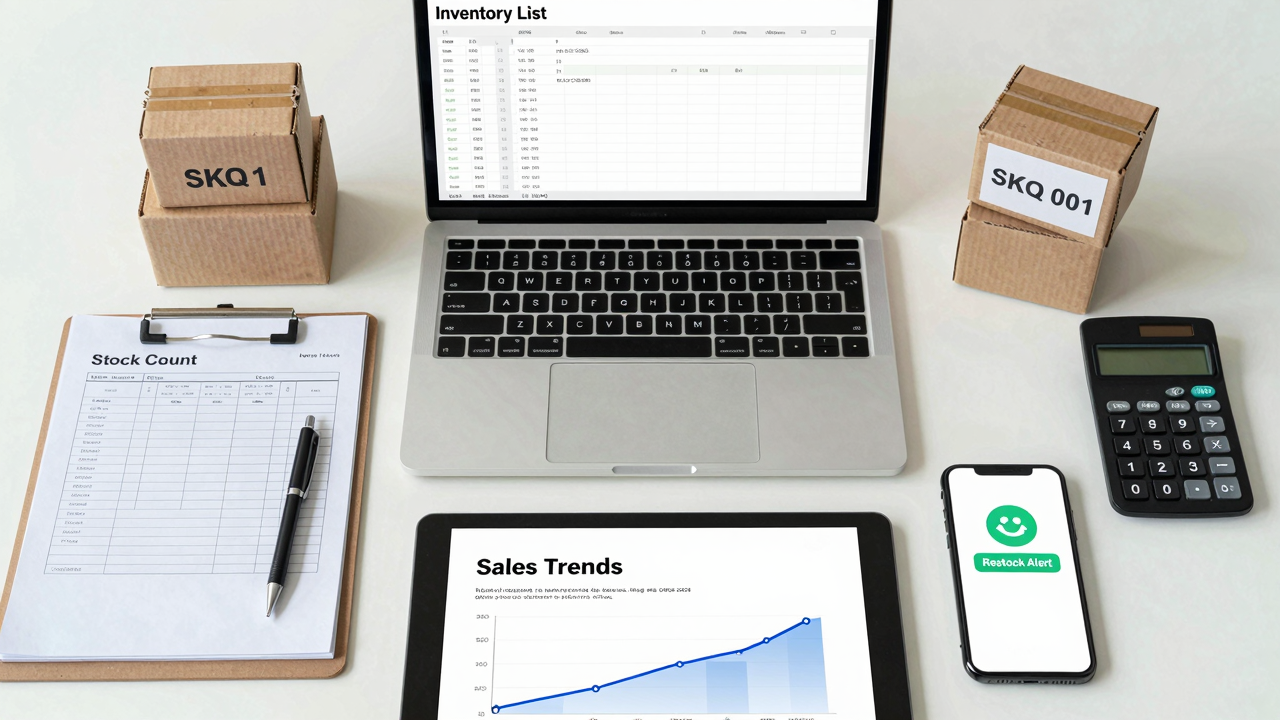
In conclusion, effective inventory control is essential for your business’s success. Start by implementing techniques like ABC analysis and JIT to optimize stock levels. Use technology, such as inventory management software, for real-time tracking and forecasting. Don’t forget about batch tracking to guarantee quality. Finally, be proactive in addressing challenges like stockouts. By taking these steps, you’ll improve efficiency, reduce costs, and enhance customer satisfaction, keeping your business running smoothly.
Image via Google Gemini and Small Business Trends