
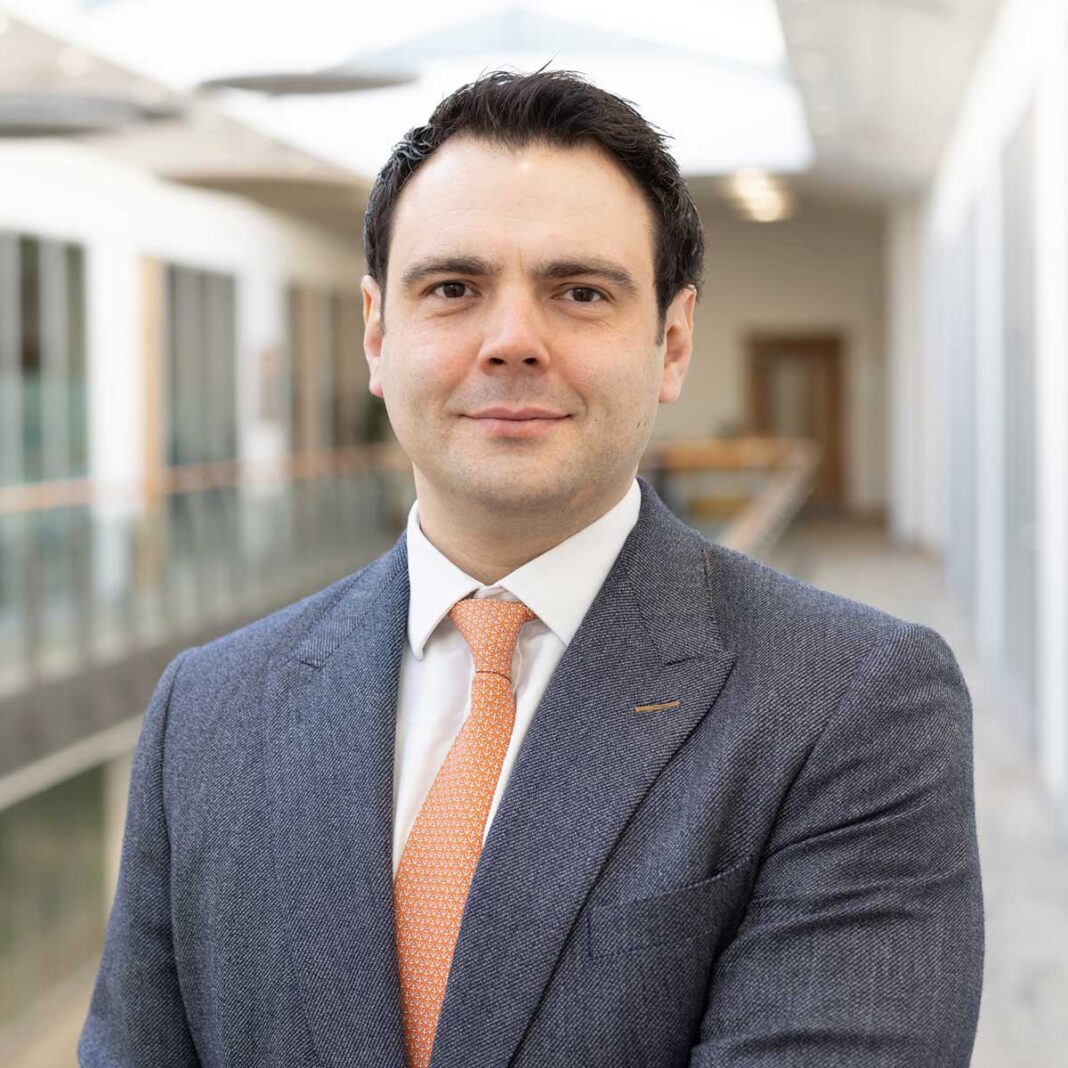

Oliver Corrigan is the founder and managing director of WorkWell, a Yorkshire provider of serviced offices, co-working space, meeting rooms and virtual offices, which he set up with his father.
In March 2025 the company opened Copthall Bridge House in Harrogate after a £7.5m redevelopment of a building that had stood empty for more than six years, and a month later it set out plans for up to 10 new locations across the North by 2035. WorkWell, which started at Carrwood Park in east Leeds in 2007, now runs three sites in Leeds and Harrogate and says it has more than 1,000 members.
He tells Business Matters why he still credits his father, and why the best workspace is about community as much as square footage.
What do you currently do at WorkWell?
“As Founder and Managing Director of WorkWell, I am involved in all aspects of the business, from overseeing our day-to-day operations and supporting our team to shaping our future plans and looking after our members.
“A large aspect of my role is making sure we continue to create inspiring spaces where businesses and people can do their best work. Today that means three sites: Carrwood Park and Brookfield Court in Leeds, and Copthall Bridge in Harrogate.
“I am focused on growing WorkWell while maintaining the personal, welcoming approach that has always been at the heart of what we do. I am always looking ahead, developing new ideas with the team and thinking about where we can take WorkWell next.
“Ultimately, it is about creating great places for people to work and making sure our members feel part of something more than just an office.”
What was the inspiration behind your business?
“I founded WorkWell alongside my father after recognising a gap in the market for workspaces that truly supported professional businesses in Yorkshire. From the beginning, the vision was to create environments that do more than just provide a desk. It was to create a space that brings people together, supports teams to thrive, and helps businesses perform at their best and grow with confidence.
“With more than two decades of experience in commercial property, workspace planning and sales strategy, I have always been interested in how organisations evolve and how their working environment can influence that. That has shaped the way we have developed WorkWell, creating thoughtful and flexible spaces that support businesses at different stages of their journey.
“What drives me is creating something special for every client, building lasting relationships and continually finding new ways to add value. For me, it is about much more than just space. It is about community, performance and helping people get the most out of their working day.”
Who do you admire?
“The person I admire most is my father. I like to think I have inherited some of his creativity and entrepreneurial spirit, which has always been a big part of our family.
“Farming was always his passion. Through a series of unfortunate circumstances, he found himself having to start out on his own at around 14, with very little. He rented some land in Paddock, where one of our office parks is today, and looked after some chickens alongside going to school. He even had a soap-making business before that. His entrepreneurial grit from such a young age was unbelievable.
“Despite eventually building businesses across industrial and residential property, he always considered himself a farmer. I remember asking him in his late 50s what he did for a living, and he would say, ‘I am a farmer.’ I would tell him, ‘No, you are not. You do industrial, you do residential. You are so far away from being a farmer.’ And he would stand there in his tweed suit insisting, ‘No, I am definitely a farmer.’
“That tells you a lot about him. Farming was part of who he was, and that family history is really important to me. I am proud to carry that legacy forward, not just for myself, but for my children too.”
Looking back, is there anything you would have done differently?
“Looking back, I think I would have trusted my instincts more. It is easy to second-guess your decisions or worry about getting everything right, but I have learnt that you cannot always have all the answers before you make a decision. Some of the biggest lessons come from getting things wrong, adapting and moving forward.
“However, rather than wishing I had done things differently, I try to look at those experiences as part of the journey. They have shaped how I approach things today and, ultimately, changed me for the better.”
What defines your way of doing business?
“For me, it is about putting people and relationships at the heart of everything we do. I believe it is important to take the time to really understand our clients, their businesses and what they need, rather than taking a one-size-fits-all approach.
“What may be an important requirement for one business may not be the same for another. Understanding their needs from the outset allows us to allocate the best space possible and meet their specific requirements.
“I am also a big believer in doing things properly and building relationships for the long term. We want our clients to see us as a partner, not simply a workspace provider, so we are always looking for ways to add value and go the extra mile.
“Above all, it is about being genuine and delivering on what we promise. As WorkWell continues to grow, I want to make sure that we never lose the personal touch that has been such an important part of the business from the beginning.”
What advice would you give to someone starting out?
“My biggest piece of advice would be to be patient and focus on building for the long term. It is easy when you are starting out to want everything to happen quickly, but building a successful business takes time, and there will always be challenges and setbacks along the way.
“It is important to take those challenges in your stride and learn from your mistakes. Things will not always go to plan, but setbacks can be some of the best learning experiences.
“I would also say do not be afraid to ask questions and learn from those around you. When you start out, you definitely will not know everything, so it is important to ask for advice from people with more experience. Some of the best lessons I have learned have come from other business owners, clients and people I have worked with over the years. Even when you get to a place where you feel more comfortable, stay curious and keep looking for ways to improve, both professionally and personally.
“Most importantly, stay true to your values and what you want to achieve, but remember to enjoy the journey too. Your reputation is incredibly important, and if you focus on doing things properly by looking after people and delivering on what you promise, the rest tends to follow.
“It is easy to always be chasing more and focusing on the next thing, but make sure to recognise the progress you have made along the way. Starting and growing a business can be challenging, so it is important to appreciate the milestones as well as looking ahead to what comes next.”


