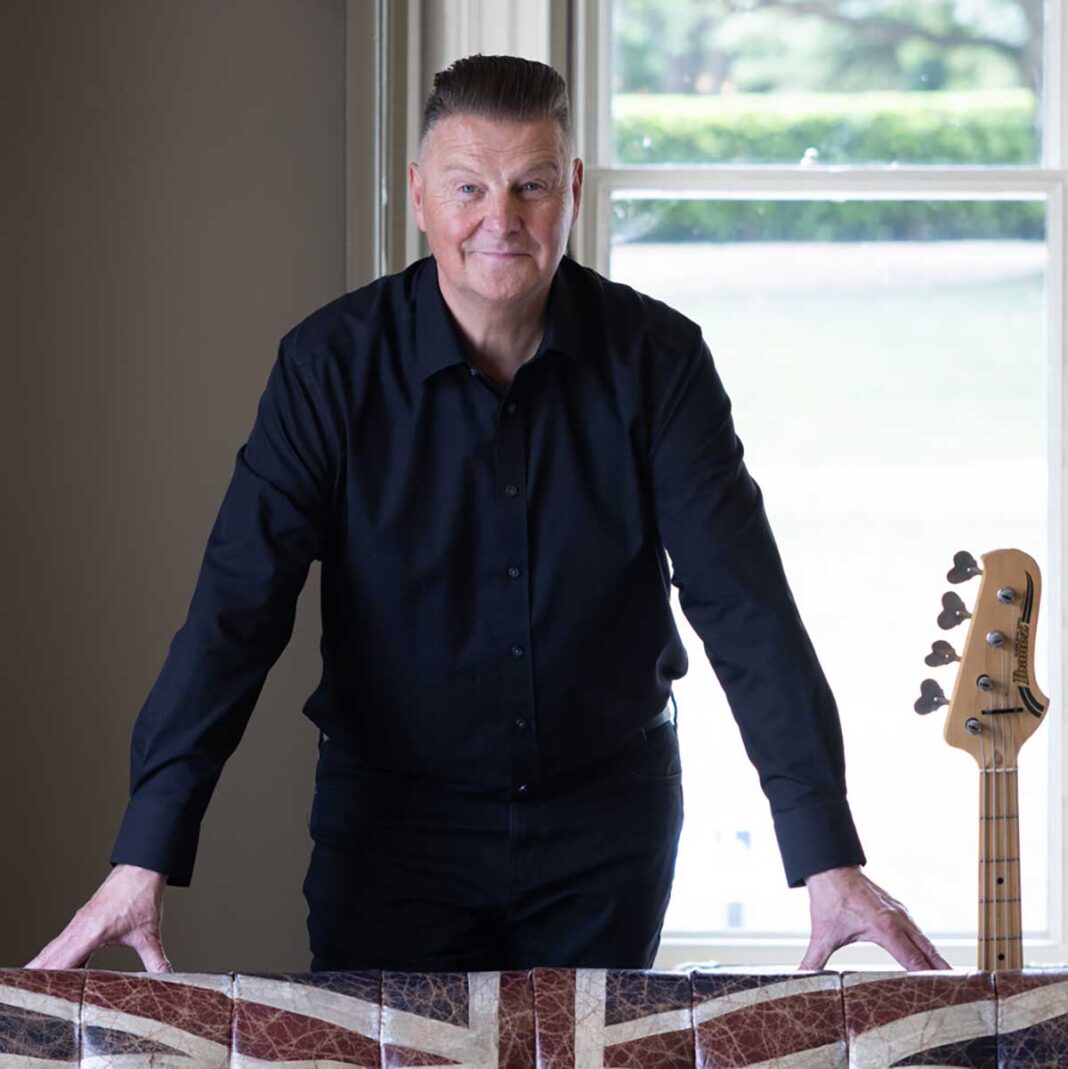

Stephen Norris, also known as Steve Duty, is the founder of Punk Rock Media, the Suffolk publishing and speaking business behind The Punk Rock Playbook for Business Misfits, which was published on 7 July 2026.
He chairs peer advisory groups of CEOs and founders across the Eastern Region and London, and is the lead singer of Special Duties, a punk band that started in Colchester in 1977.
He tells Business Matters why he wishes he had stopped trying to fit in much sooner, and why founders should treat rejection as information rather than a verdict.
What do you currently do at Punk Rock Media?
I am the founder and director of Punk Rock Media, which is the home of The Punk Rock Playbook®. The first book, The Punk Rock Playbook® for Business Misfits, is out now, and it is written for founders, CEOs and senior leaders who never felt comfortable in the beige middle of business. It is part memoir, part leadership manifesto and part practical playbook, and it covers the things I have had to learn the hard way: selling, communicating, hiring, building culture, handling rejection, and saying what other people avoid saying.
The book is only the start of it. Punk Rock Media is becoming a publishing and speaking platform, a content engine, and a community. Day to day, that means writing, talking to leaders on stages and in podcasts, running conversations with founders who want to be honest about how hard this is, and planning the next books in the series, which will take the same approach into sales, founding and leadership.
I also chair peer advisory groups of CEOs and founders across the Eastern Region and London, so I spend a lot of my week in rooms where leaders tell the truth to each other. That is where most of my material comes from, and it keeps me honest about what actually works. I am still the lead singer of Special Duties, a punk band that started in Colchester in 1977 and still tours internationally.
What was the inspiration behind your business?
It came from a lifetime of not fitting in, and from slowly realising that this was not a defect. I spent parts of my childhood in the care system and was excluded from school, so I learned early what rejection feels like and how to keep going when people have decided you are not for them.
Punk gave me a language for that. It taught me that you do not need permission to make something, that you can build your own stage if nobody will give you theirs, and that honesty gets you further than polish.
When I started building businesses, I found that those lessons carried over almost perfectly. I sold in the way you play a small room, by paying attention to the people in front of you rather than reading from a script. I led by listening properly. I built teams around people who thought differently rather than people who were easy to manage.
Over the years I have sat with hundreds of leaders and noticed that many of them felt like misfits too, even the ones who looked successful from the outside. They were tired of corporate language and safe leadership advice that did not match their real lives. I wrote the book for them, and Punk Rock Media exists to give that group a home. The message underneath it all is simple: stop asking for permission and start leading loud.
Who do you admire?
I admire the people who keep turning up when it would be easier not to, and most of them will never be famous. My wife Kerry is one of them. She has a practical, unshowy strength that I have learned a great deal from.
I also admire the founders and CEOs I work with. They carry payroll, difficult decisions and a lot of loneliness, and the best of them are willing to say out loud when they are struggling. That takes more courage than any stage performance.
Beyond them, I have a lasting respect for the musicians and bands who built something from nothing in the early punk years, with no money, no industry support, and no guarantee anyone would listen. They understood that if you wait to be chosen you will wait forever, and I have tried to take that into everything I do.
Looking back, is there anything you would have done differently?
I would have stopped trying to fit in much sooner. For years I sanded down the parts of myself that made people uncomfortable, because I thought that was what a serious businessperson did. I softened my opinions, used the language of the room I was in and tried to look like everyone else at the table.
It cost me energy, and it made me less useful. The moments when my business grew fastest were the moments when I told the truth plainly and stopped trying to be liked by everyone.
I would also have asked for help earlier. Like many founders, I believed that carrying everything alone was a sign of strength. It is not. It is a slow way to burn out, and it usually makes your decisions worse.
Sitting in a room of peers who are willing to challenge you honestly changed how I lead, and I wish I had found that sooner. I would still make most of the same mistakes because they taught me what I know, but I would have made them with more support and a bit less pretending.
What defines your way of doing business?
Honesty first, and then a real interest in the people I am dealing with. I try to say what I actually think, kindly but without dressing it up, because I have seen how expensive silence is in a business. Problems that nobody names do not go away, they just get bigger and cost more. I would rather have an uncomfortable conversation early than a polite one that lets something rot.
I also believe in doing things your own way. That does not mean ignoring good advice. It means building a business that reflects who you are rather than copying a template that was designed for someone else.
I try to hire people who are interesting and capable rather than merely agreeable, to sell by being useful and clear rather than by pushing, and to treat listening as the most underrated leadership skill there is. And I try to make things that people would miss if they disappeared, whether that is a book, a business, or a room full of leaders who trust each other.
What advice would you give to someone starting out?
Do not try to be for everyone. The fastest way to build something forgettable is to smooth it out until nobody objects to it. Work out who you are for, be clear about it and accept that some people will walk away. Those who stay will be the ones who really matter to you.
Learn to sell early and think of it as telling the truth about what you do and why it matters, not as begging. Treat rejection as information rather than a verdict because most of the businesses I admire were turned down many times before they worked.
Look after your energy, because burnout is usually a sign that the way you are running things is not sustainable, not that you are weak. And find people who will tell you the truth. Surround yourself with a few peers who have no reason to flatter you, because they will save you years and a lot of money.
Start before it feels ready, learn as you go and remember that you are allowed to change your mind. Nobody is coming to give you permission, so give it to yourself.