
This post was originally published on this site.
Glasgow hailed for saving Games as baton passes to Amdavad
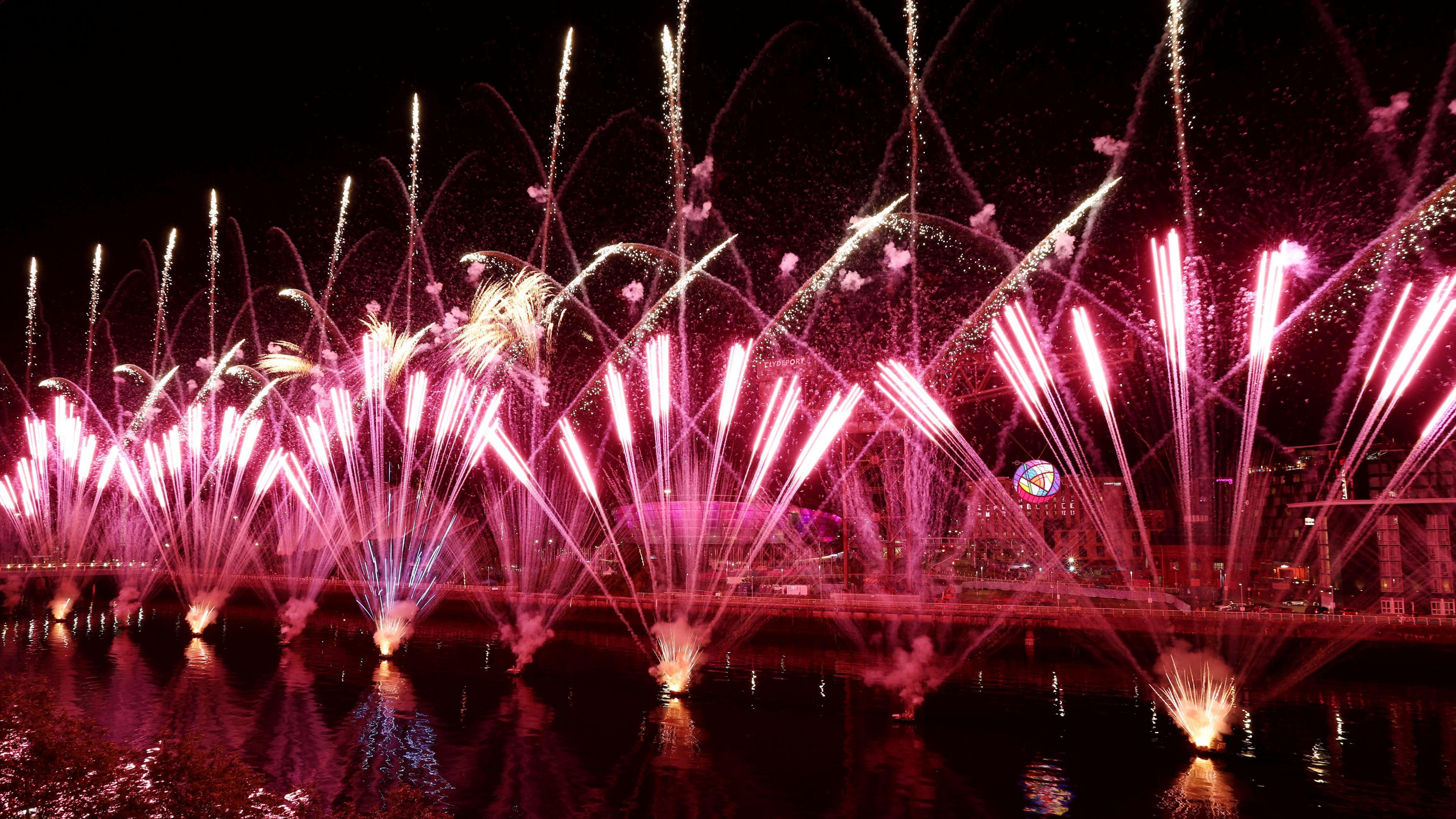 Image source, Getty Images
-
Published
The man responsible for delivering Glasgow 2026 said the city had “saved and reinvented” the Commonwealth Games, three years after its future was plunged into doubt.
Ahead of Sunday’s closing ceremony – which featured a dazzling fireworks display over the River Clyde – Phil Batty recalled how Glasgow stepped up when the original hosts pulled out.
And he believes the legacy of the sustainable, scaled-back Games will shape the future of the multi-sports event.
The Commonwealth flag was last night ceremonially handed over to the Indian city of Amdavad, which will stage the centenary event in 2030.
But Batty said Glasgow’s decision to host the event for a second time in 12 years would never be forgotten.
He told BBC Scotland News: “We have created a Games here that will inspire more nations to host but, probably more importantly, that every nation feels it could host at some point in the next 100 years.”
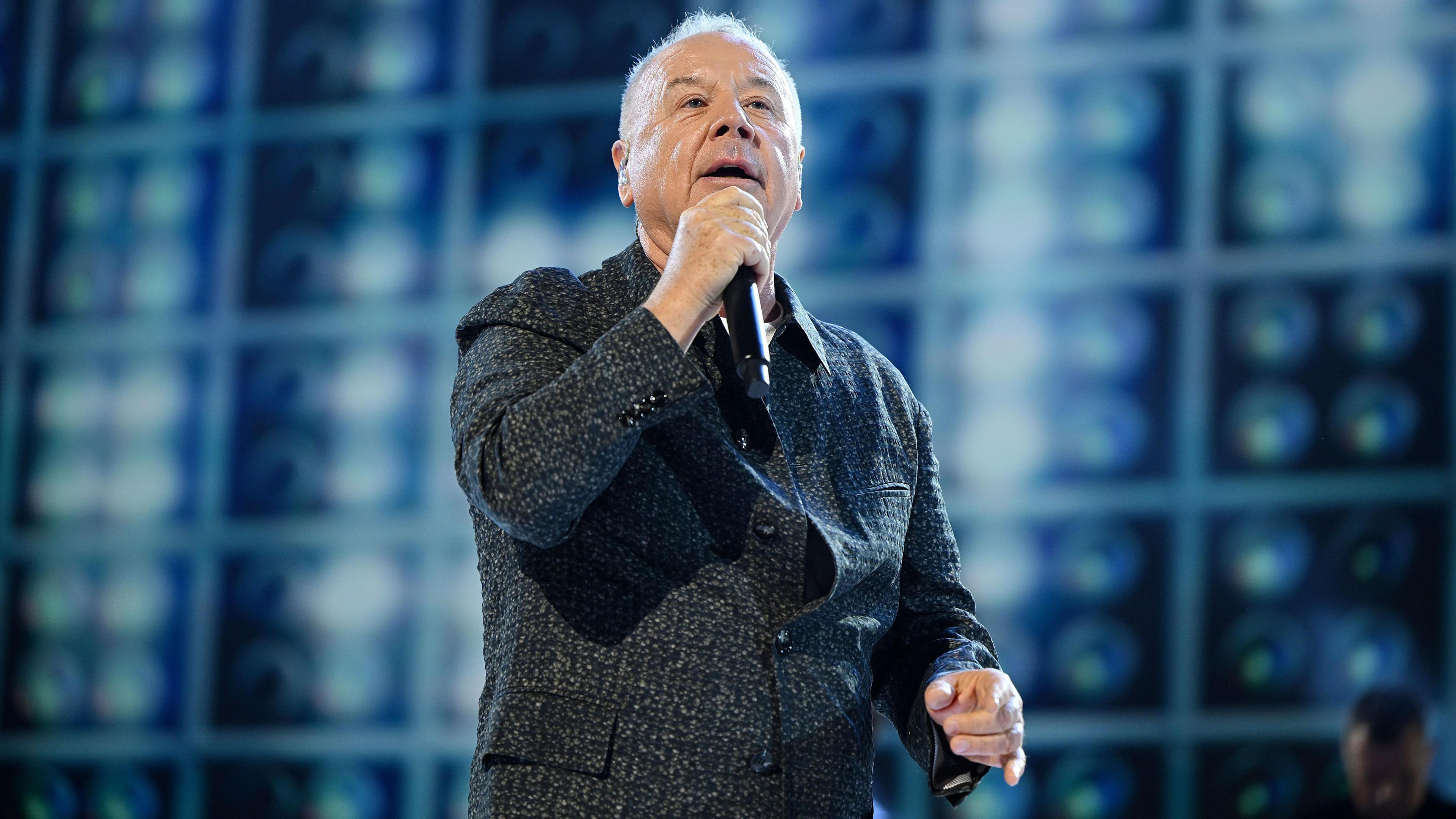 Image source, Getty Images
Simple Minds brought the curtain down on an 11-day sporting festival during the closing ceremony at the Hydro on Sunday.
As athletes from 74 nations and territories looked on they opened with Alive and Kicking.
It was appropriate song choice for an event that was, not too long ago, on life support.
In July 2023 the Australian state of Victoria withdrew from staging the Games due to soaring costs.
But in September 2024 Glasgow, with support from the Scottish government, agreed to a put on a scaled-back event.
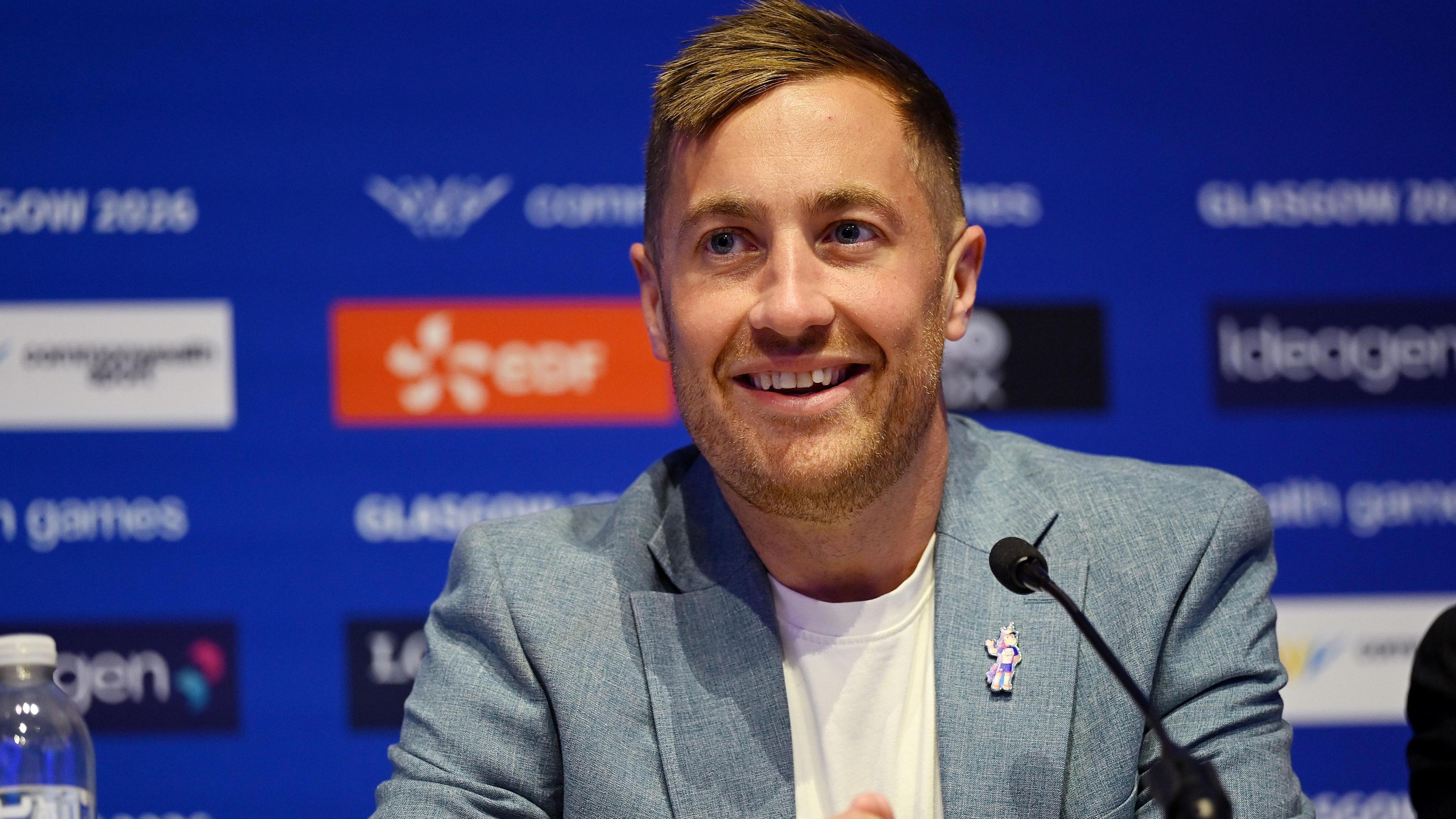 Image source, Getty Images
Batty said the city had, over the last 11 days, answered any questions around the relevance and, indeed the existence, of the Games.
He told BBC Scotland News: “I don’t think we can underestimate that the future of the Commonwealth Games was in jeopardy.
“Glasgow saved the Commonwealth Games but it also reinvented the Commonwealth Games.”
He said this process included re-formatting sports for the future.
“It isn’t about saving something to preserve it. It is about reinventing something to give it the purpose and vision it needs to last,” he added.
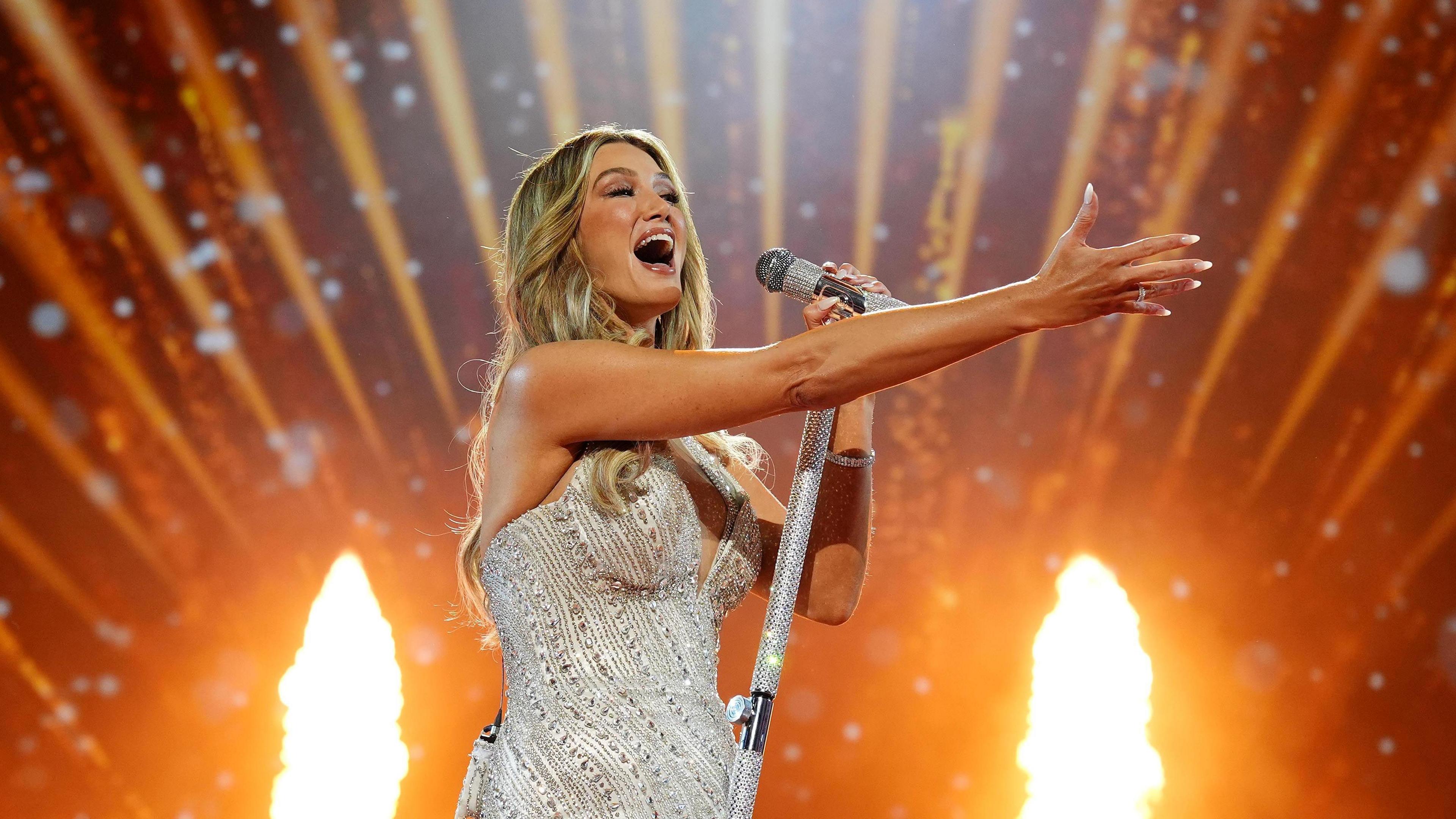 Image source, PA Media
Batty said the event was for far too long “hosted by the few and not the many”.
But he added: “This is a really important moment for the movement to become a truly Commonwealth-wide global sporting competition.
“Glasgow and Scotland should be incredibly proud, of not what only has happened here but what that means for the whole Commonwealth in the years and decades to come.”
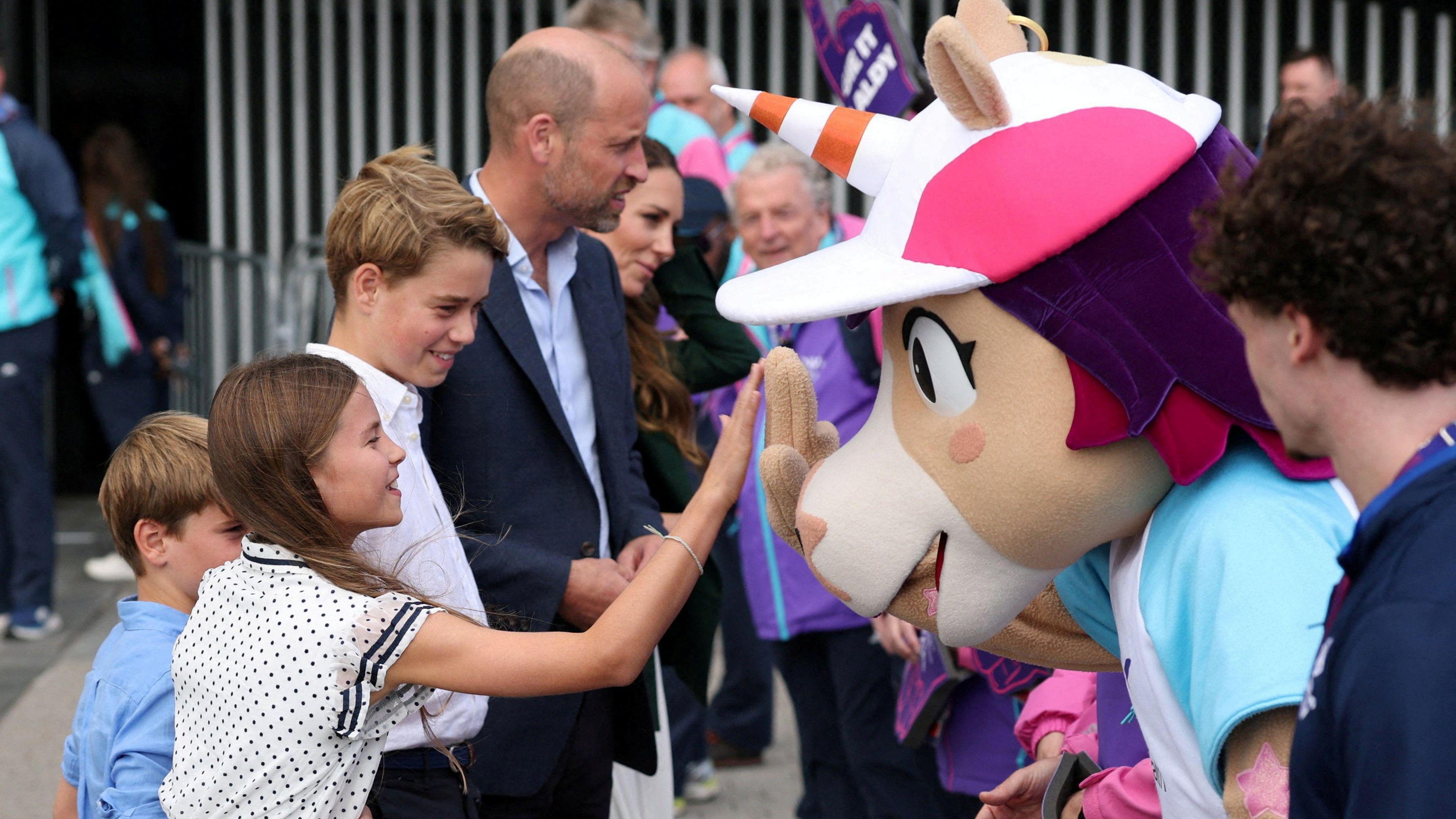 Image source, Reuters
The Glasgow 2026 boss described how the Games may develop.
He explained: “It may be a twin nation host in Asia, it may be a multi-island host in the Pacific Islands, It might be an absolutely compact multi-venue model in Africa.
“This will look different in every edition but, importantly, it will now be designed to the place that is hosting.”
Batty said the privately-funded event had been delivered over 18 months on “triple speed” compared to a typical build-up of six years.
Its projected cost is £162.6m compared to £543m for Glasgow 2014 and £680m for Birmingham 2022.
Batty said it was “fuelled by the legacy” of the last Games in the city and more environmentally stable.
This follows as it used existing venues and infrastructure within an eight-mile radius.
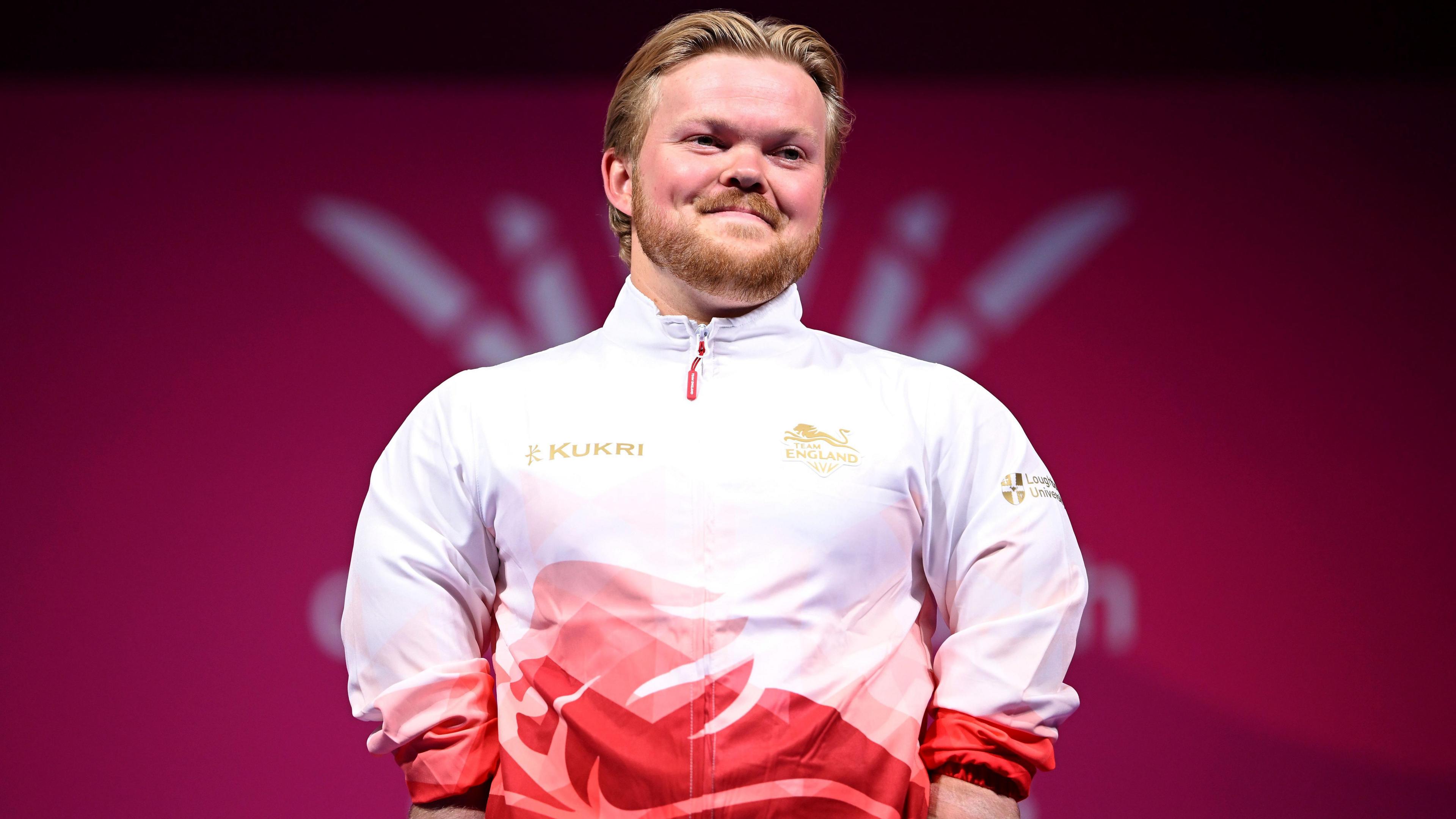 Image source, Getty Images
The more compact 23rd edition featured 215 medal events compared to 261 when the city last staged the Games in 2014.
It also saw a record 47 para-sports events, which included the symbolic first gold medal.
It was won by English lightweight powerlifter Mark Swan.
The following day organisers were dealt a major blow when reigning 10,000m champion Eilish McColgan pulled out with a foot fracture.
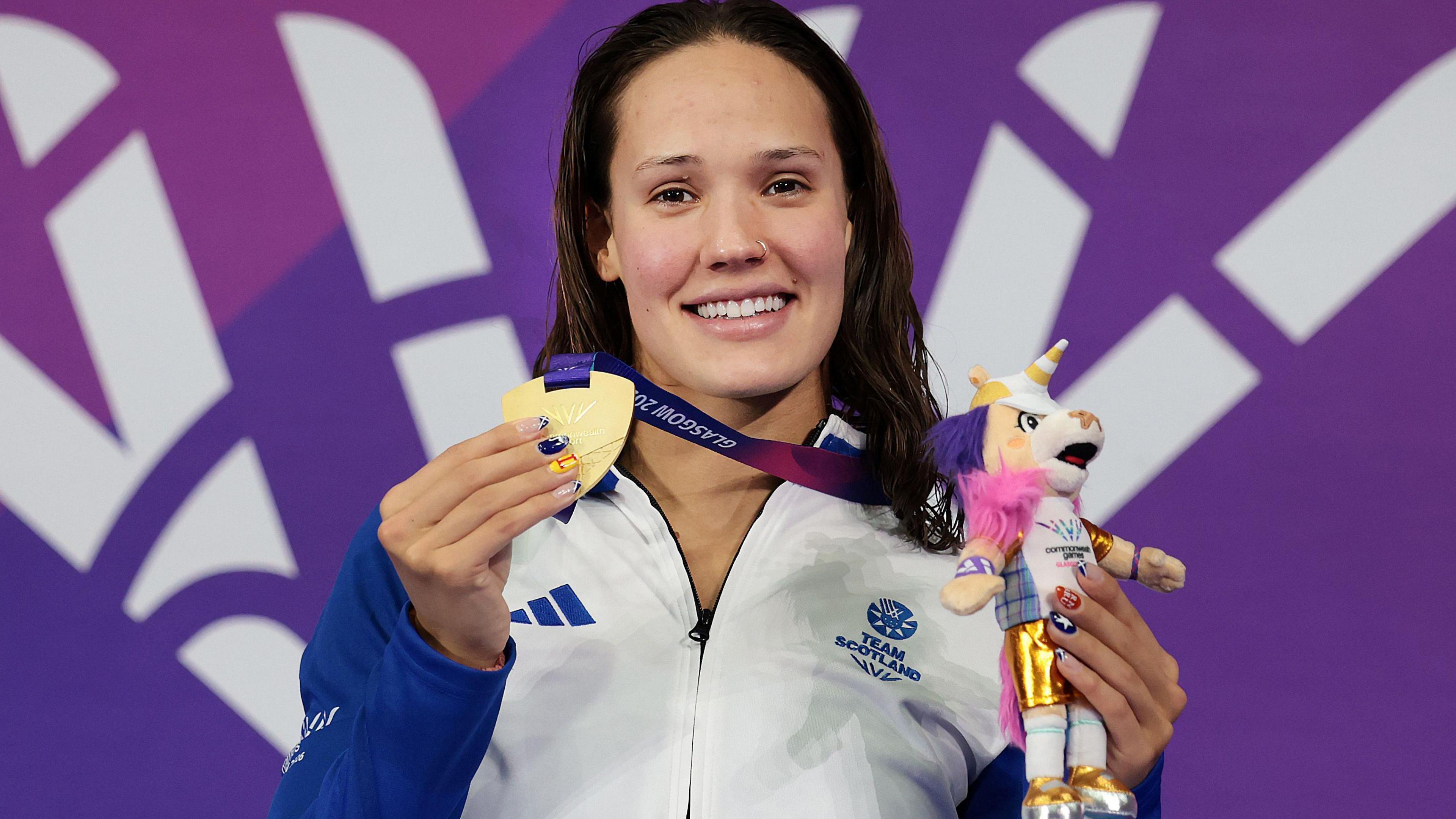 Image source, Getty Images
But new heroes stepped up for the host nation, most notably swimmer Angharad Evans who won two golds, a silver and a bronze.
Further inspiration was found in the pool by in the shape of Archie Goodburn, who is fighting brain cancer.
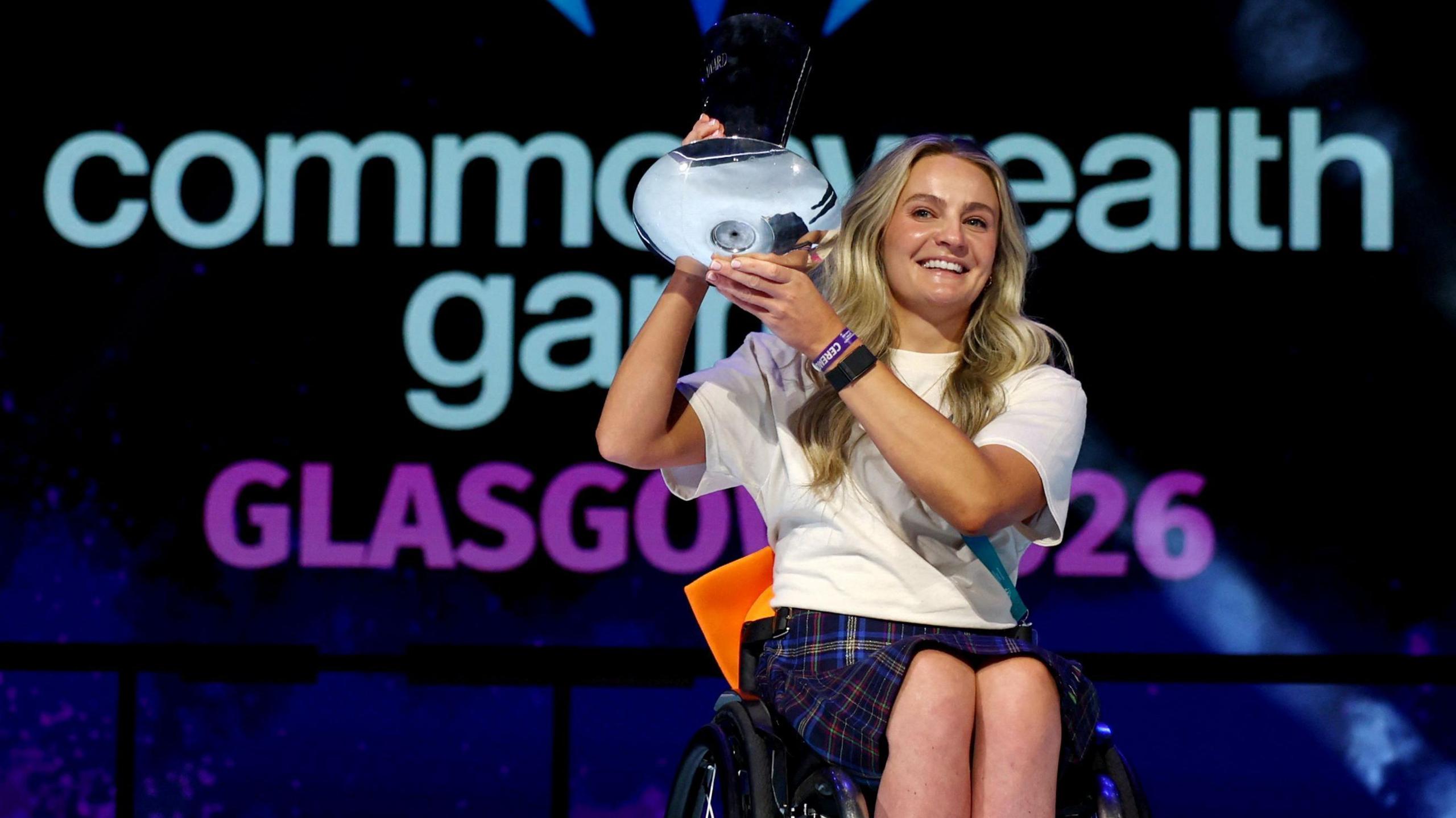 Image source, Reuters
Scotland’s Melanie Woods won gold in the 1500m T54 for the second time in under 40 hours after the final was restaged.
Her victory, in a new record time, was recognised at the closing ceremony when she was named the outstanding athlete of the Games.
And para cycling great Neil Fachie bowed out with the seventh gold of his career.
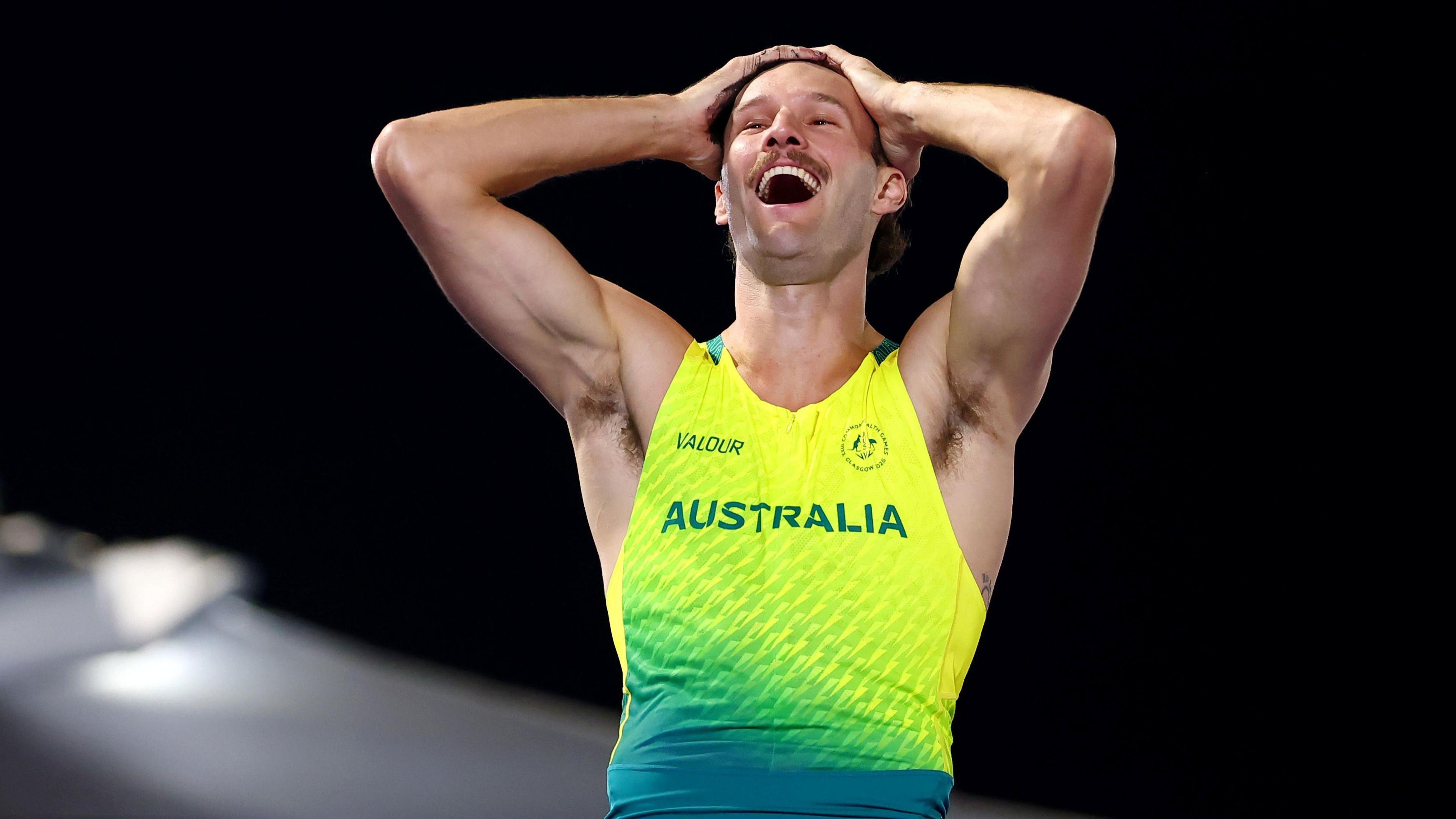 Image source, Getty Images
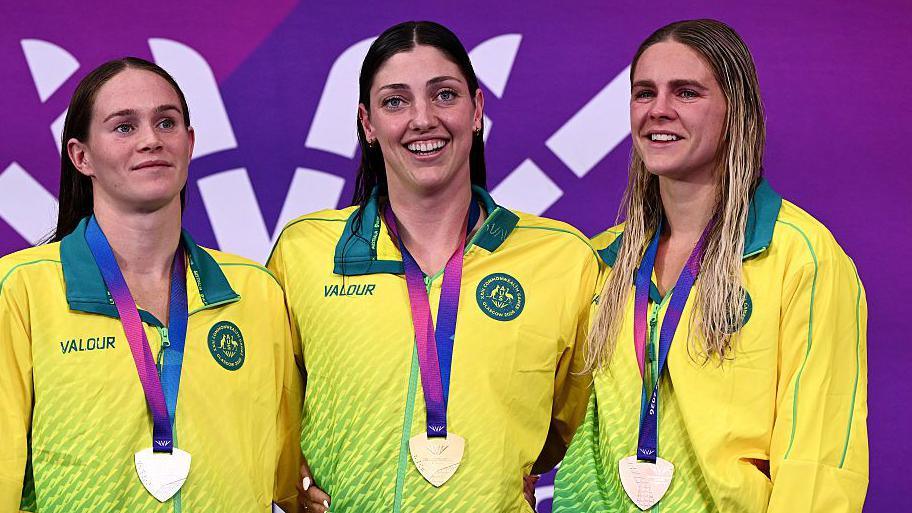
Australia dominated the medal table by amassing 171 followed by England with 110.
The host nation finished fifth, with 39 medals, behind Canada and India, a performance described by First Minister John Swinney as “truly historic”.
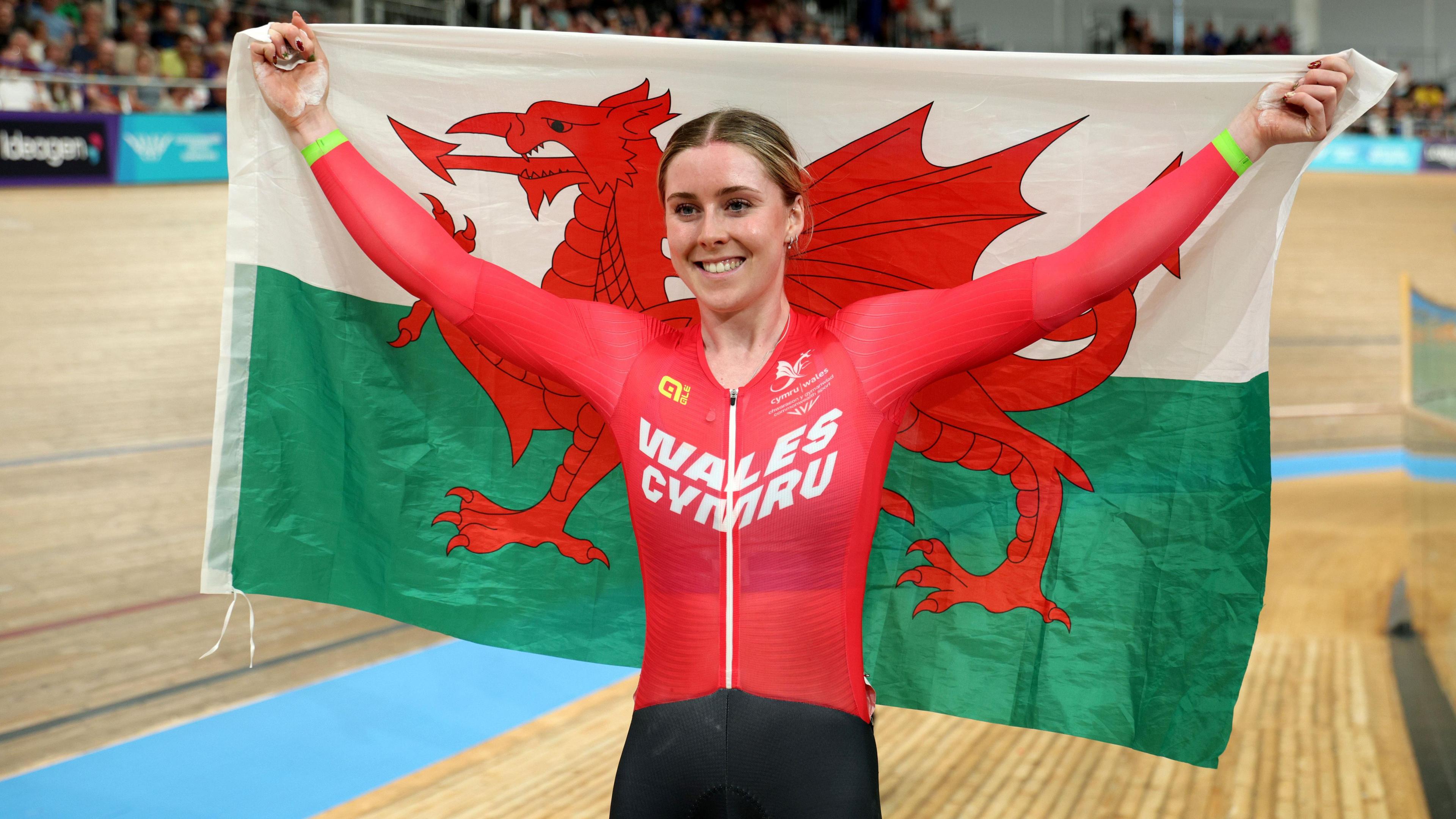 Image source, Getty Images
Records also tumbled in the velodrome, on synthetic carpet and in the pool, as fans were treated to some world-class sporting action.
Welsh star Emma Finucane created history by becoming the first sprint cyclist to win four track gold medals at the same Games.
Louise Hoskins became the oldest Commonwealth Games gold medallist, winning the para-bowls women’s pairs title for Australia at the age of 76 years and 173 days.
And legendary South African swimmer Chad le Clos became the most decorated athlete in the 96-year history of the event with 21 medals.
Empty seats were visible at many events but organisers said they exceeded their targets by selling more than 430,000 tickets.
The action unfolded across four venues – each powered by renewable energy – with the most noticeable buzz around the SEC Campus.
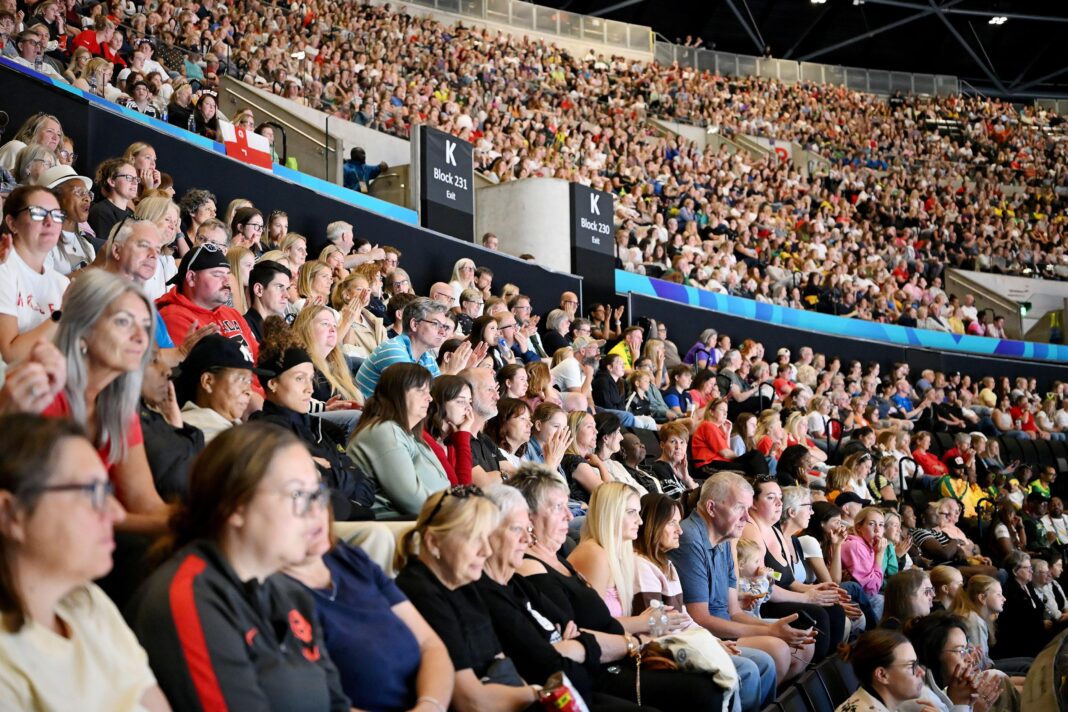
Netball at the Hydro proved to be box office by selling 100,000 tickets.
Batty said the Games had been able to grow the fan base and make it the single largest attended sport in the programme.
On Saturday Prince William and Princess Kate were among those who took in the action with their children.
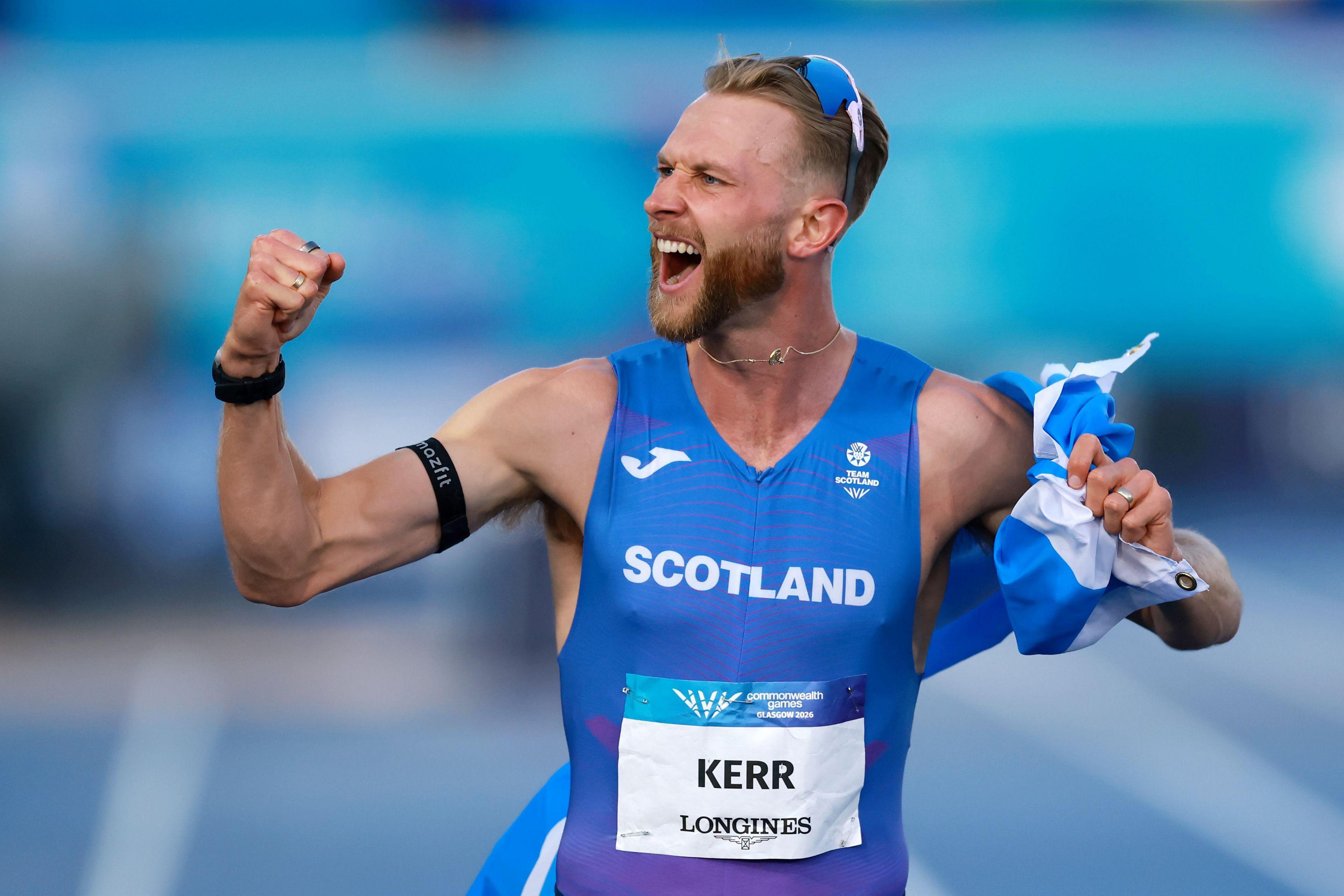 Image source, Getty Images
Elsewhere, Tollcross International Swimming Centre was a cauldron of noise during the medal events.
And Scotstoun Stadium was the scene for everything from a biblical downpour on Tuesday to a race for the ages on Saturday night.
Indeed those who witnessed world record holder Josh Kerr’s thrilling triumph in the mile – which last featured at the Games in 1966 – will never forget it.
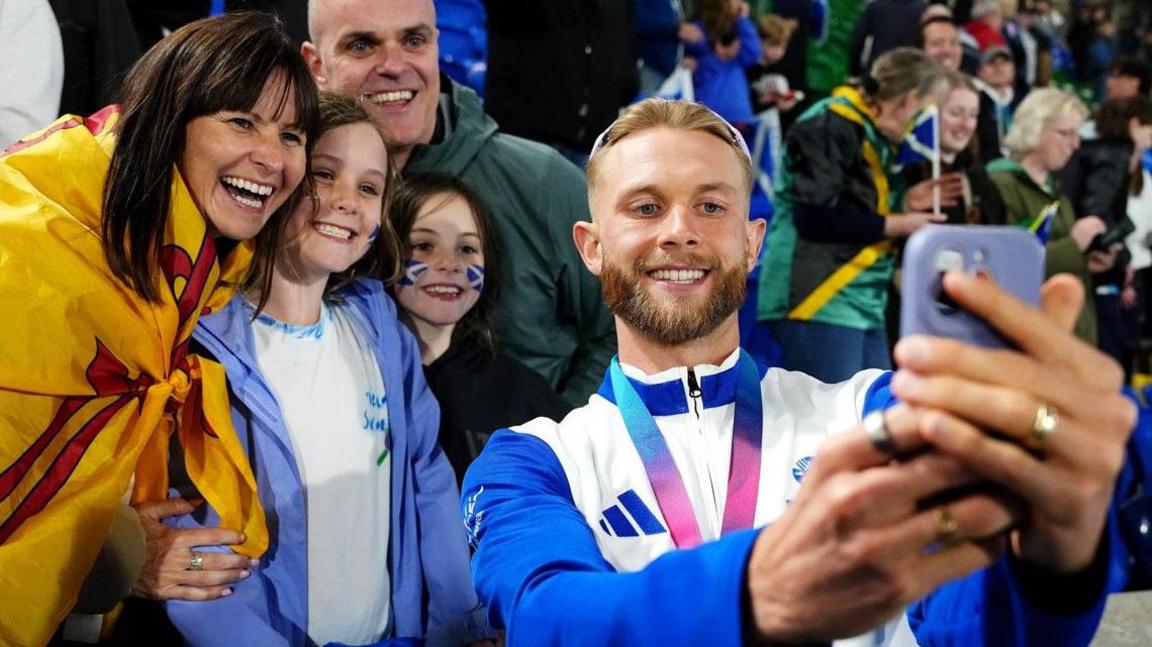
The star repaid fans for their support by taking 45 minutes to pose for selfies and autographs after his emotional medal ceremony.
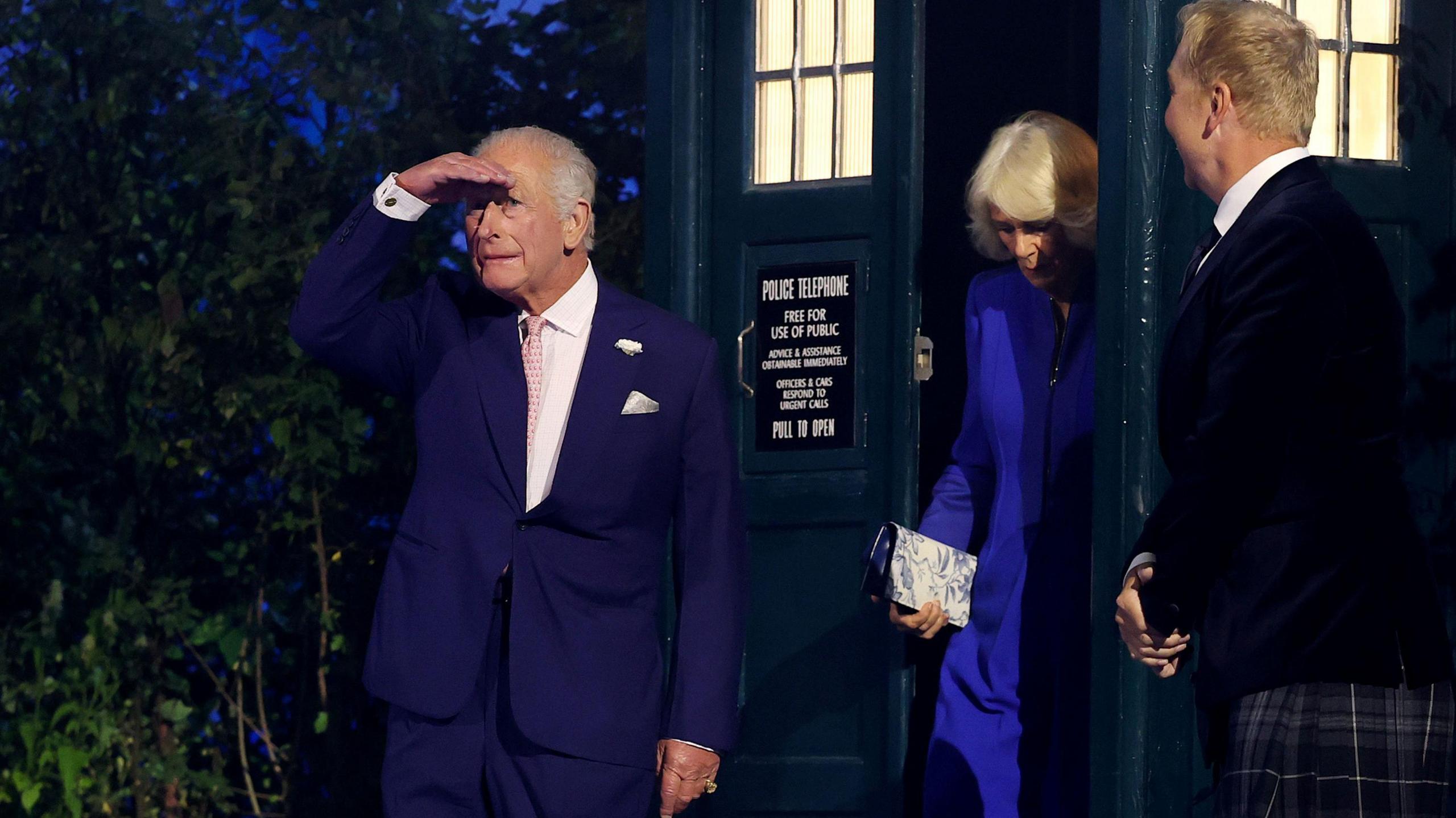 Image source, Getty Images
Glasgow’s famous sense of humour was a common thread throughout the Games.
The sight of the King and Queen emerging from a Tardis at the start of the opening ceremony in the Hydro stunned the audience.
And Callum Beattie’s performance of the Scotland football anthem Yes Sir, I Can Boogie – featuring silver unicorns and dancing Barrowland-style stars – put a smile on everyone’s face.
At the end a giant Tunnock’s Teacake rocket took off on stage, in tribute to the dancing versions from the 2014 opening ceremony at Celtic Park.
It later appeared to have landed at the Games Live site in Kelvingrove Park, where it provided a popular photo opportunity.
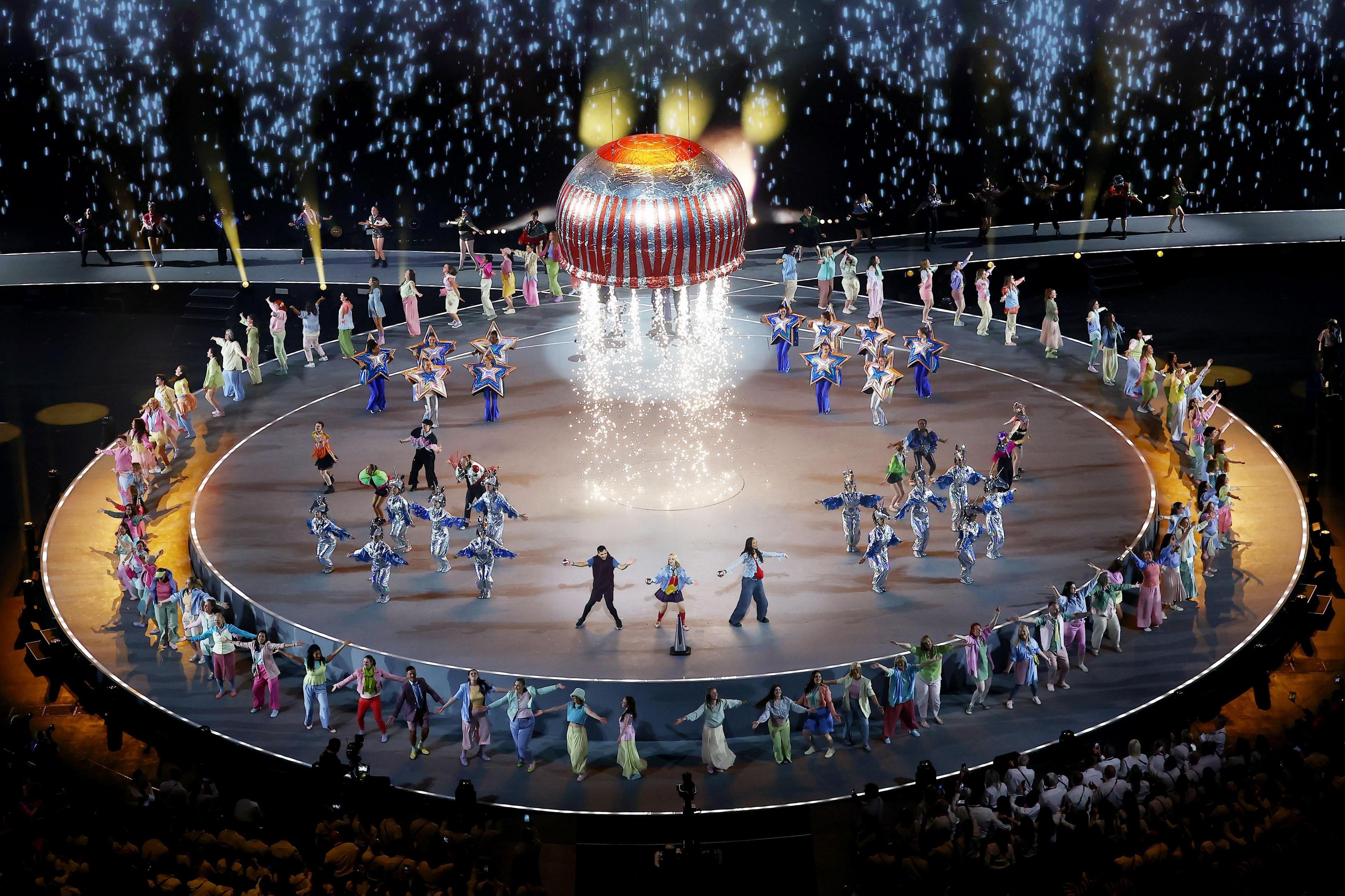 Image source, Getty Images
More than 200,000 visited the west end park and live sites in the city during the Games.
Fun was also injected some fun into proceedings at the Sir Chris Hoy velodrome in the east end.
Before every race the cycling legend appeared on the big screen and bellowed: “Hoi you lot! Shhhh.”
Swimmer Duncan Scott, who won his fourth Commonwealth gold, then added: “Haud your wheesht” – a traditional Scots phrase meaning “be quiet.”
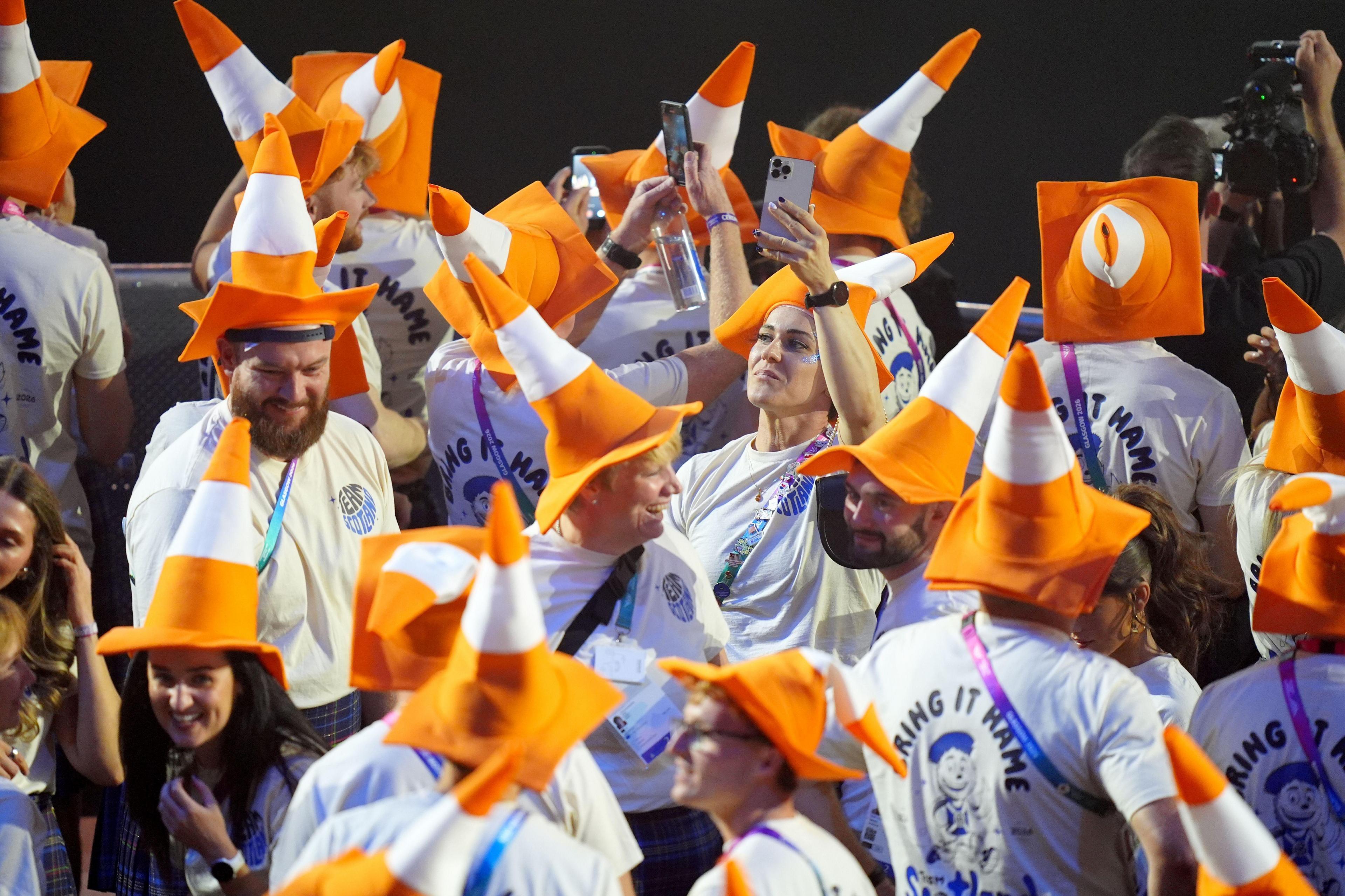 Image source, PA Media
On Sunday, Team Scotland stood out at the closing ceremony with traffic cone hats, in a nod to the iconic Duke of Wellingston statue.
Away from the action the Games mascot Finnie proved a merchandising hit.
Small cuddly toys of the unicorn sold out in store and online before the weekend.
Meanwhile, athletes and Games staff continued the long standing tradition of collecting team pin badges, resulting in some impressive bling lanyards.
And throughout all the action an army of 4,000 volunteers – aged 16 to 96 – kept everything running smoothly.
During the closing ceremony George Black, chair of Glasgow 2026, described them as “the heartbeat of the Games”.
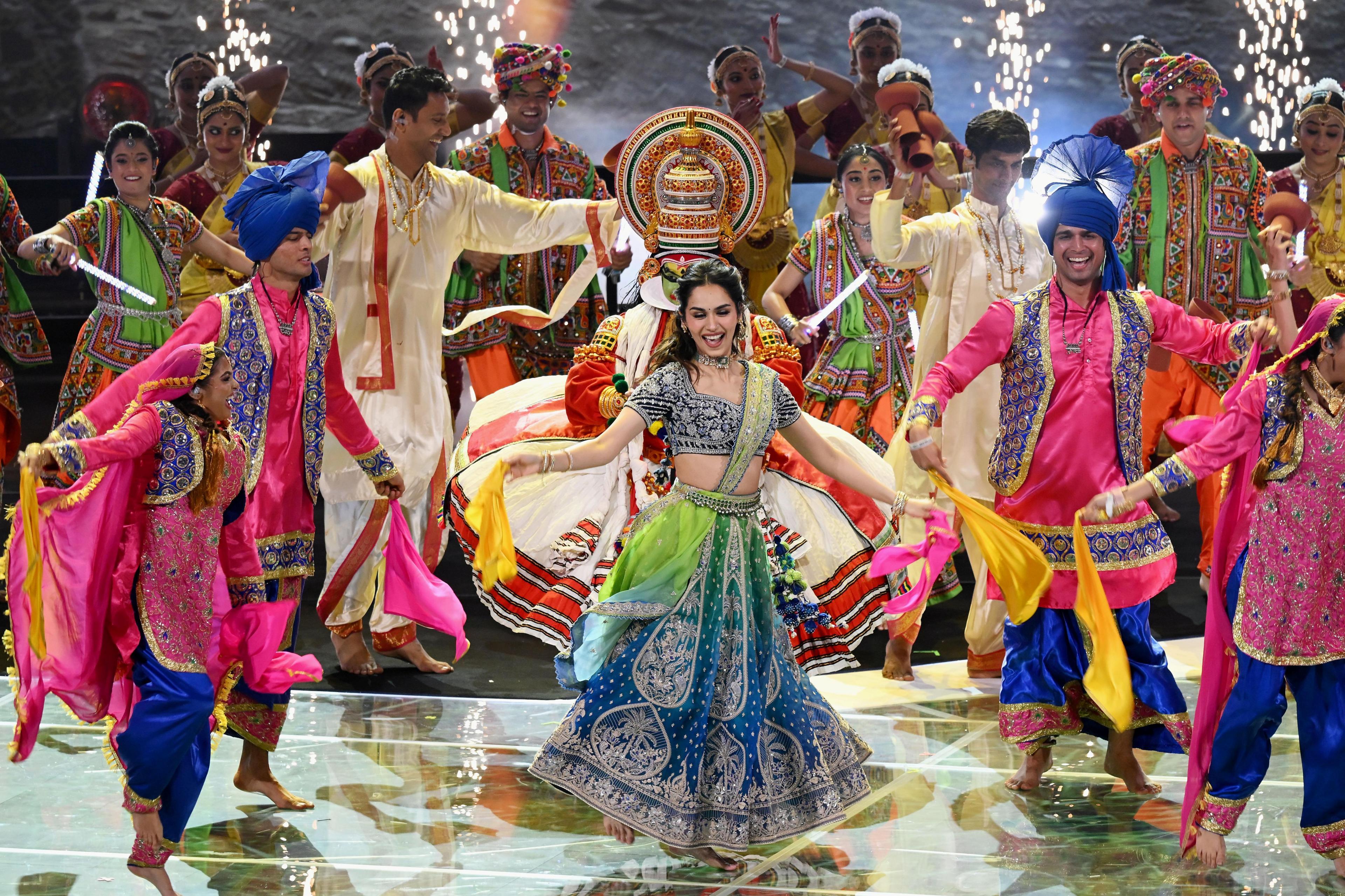 Image source, Getty Images
Amdavad’s staus as the 2030 hosts was recognised on Sunday with a colourful explosion of dance and performances by major Indian artists.
Before then, Malta will stage the Commonwealth Youth Games from 29 October to 4 November next year.
Batty said both developments meant there was now a “pathway and a pipeline to the future”.
Asked how Glasgow 2026 would be remembered, he said: “The Commonwealth is never going to forget what Glasgow did on behalf of 74 nations.
“It did it with bravery and courage.
“I think Glasgow will be remembered as the friend that was there when 73 other nations needed a helping hand.
“And I think that kindness and generosity will live long in the memory of the whole Commonwealth.”
-
-
Published18 hours ago
-
-
-
Published12 hours ago
-