

This post was originally published on this site.
 Getty Images
It has been a big week for Wrexham.
The club who have already made history with three successive promotions took a major step towards potentially their biggest jump yet when they moved into the Championship play-off places.
Premier League aspirations on the pitch have also been backed up in the boardroom after it was revealed recent investment has boosted finances by almost £50m.
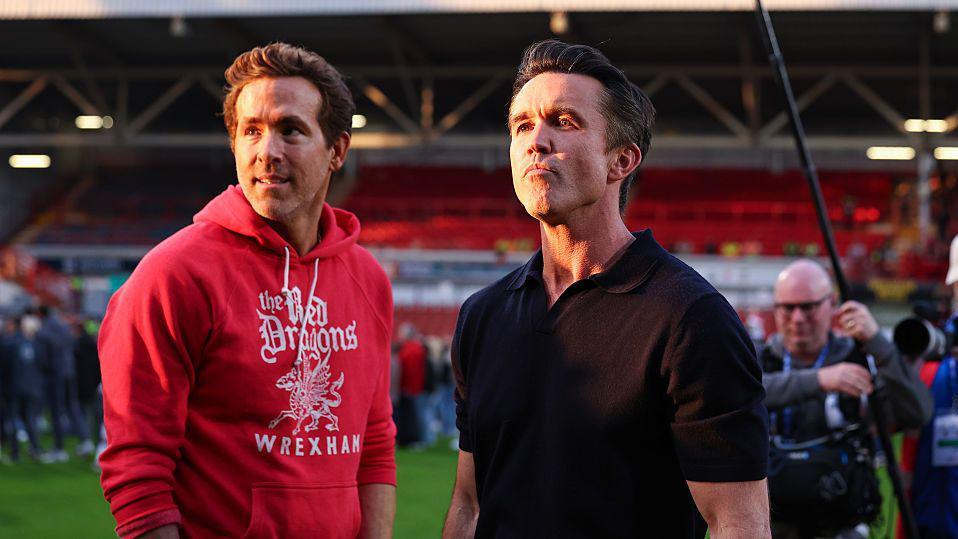
That incoming money marks another milestone in a Disney-documented journey from non-league to the verge of elite status, with the investment deemed to be a nod to just how valuable an asset the north Wales club have become under Hollywood pair Ryan Reynolds and Rob Mac.
But where has the money come from, how does it compare to Wrexham’s rivals, and will financial fair play rules suddenly become an issue?
BBC Sport has taken a look with the help of football finance expert Kieran Maguire.
Is this the first time Wrexham have taken on such investment?
There has been big money involved in Wrexham before – but perhaps nothing quite on the level that is now being invested by Apollo Sports Capital (ASC), which is a US finance group.
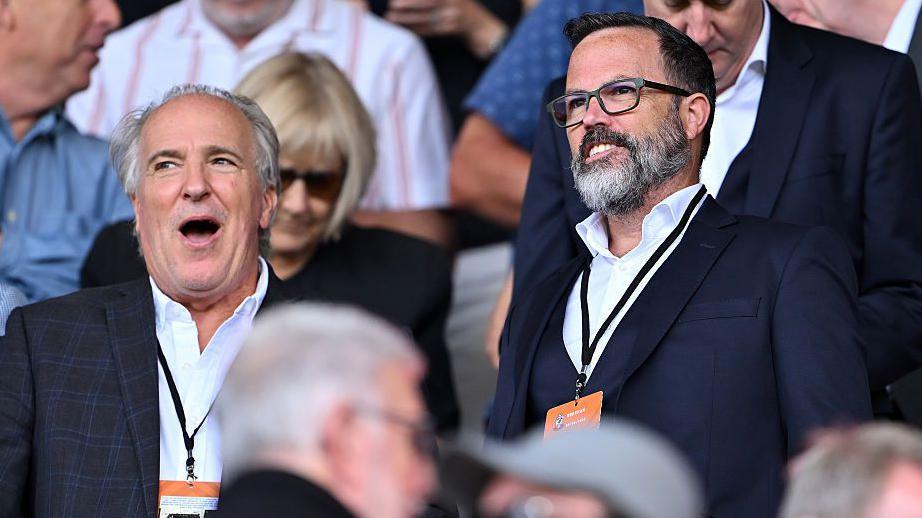
The New York-based Allyn family came on board in 2024, taking a stake of around 15%. It is not known how much they have invested, but a share issue in March 2025 close to the deal brought in about £14m. A separate share issue in September saw £7m invested.
How much is the club worth?
Reynolds and Mac – previously known as McElhenney – completed their takeover in February 2021 with a £2m investment.
Reports in the USA prior to the ASC deal suggested the club was being valued at £350m.
For comparison, reports suggested the December 2024 takeover at Sheffield United valued them at around £100m.
“Getting cash from investors is simply a function of acknowledgement from the investors that Wrexham Football Club is worth an awful lot of money in the current market,” says Kieran Maguire.
“When they bought it for £2m, they bought at the market price at the time, and they deserve an awful lot of credit for growing the brand.
“And that’s what Wrexham are – they are a brand which other people want to partner with. They’ve done that superbly, and everybody at Wrexham deserves an awful lot of credit for that.”
Why is the club worth so much?
The value hinges on the profile and the potential for more growth.
The Welcome to Wrexham documentary, screened around the world, brings in no revenue but acts as a huge marketing tool.
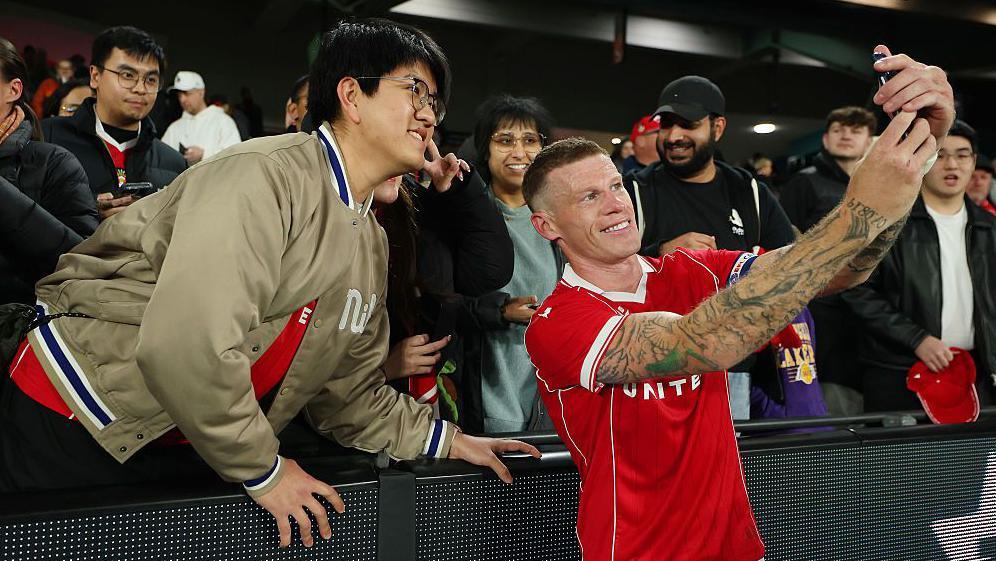
It has allowed the side’s popularity to skyrocket among football fans in North America, with every Wrexham game screened live in the USA last season.
A tour to Australia and New Zealand in the summer of 2025 brought sell-out crowds.
“Wrexham’s ability to generate money from commercial or sponsorship relationships with big hitters is very much part of the success story,” said Maguire.
“And it’s on the back of the success of Welcome to Wrexham, which is fantastic entertainment and independent of football.
“I think that’s where they have been very, very smart, that this is not a television programme about a football club, this is a television programme about people who happen to work with or support or have a stakeholder relationship with as far as the club is concerned.
“The football club is sort of the tree upon which the fruit grows, and it’s the fruit that people want to consume.”
Why aren’t they breaking FFP rules?
Because the EFL’s profit and sustainability rules are about trying to make sure clubs are not losing unsustainable amounts of money.
Despite going on a summer spending spree, paying about £30m for players and having one of the highest net spends around, Wrexham are well within the financial parameters because of the commercial revenue already being brought in thanks to deals with giants such as United Airlines and HP.
In League Two, they were already bringing in more than 20 of the 24 Championship clubs.
“Under the PSR rules, you’re allowed to lose £39m over three years,” said Maguire. “Looking at their two most recent sets of accounts, Wrexham lost around about £23m – but they’ve had substantial increases in broadcast revenue, from about £1.2m in TV money in League Two to about £12m this season.”
That is before taking into account a significant jump in sponsorship and commercial income, with chief executive Michael Williamson estimating they are already on a par with some top-flight clubs.
“We have a global brand, a Premier League brand in the Championship,” Williamson told Ben Foster’s Fozcast podcast in August 2025.
“What we don’t have is the broadcast revenue of Premier League clubs or the parachute payments.
“From a commercial standpoint, if you compared us to Championship clubs, I’m sure we’d be among the top and – on commercial revenues only – we would probably surpass a handful of Premier League clubs, around four or five I would guess.”
 Getty Images
What difference does the new money make?
Initial investment from the Hollywood owners helped push the club out of the National League, but the majority of the money that allowed Wrexham to outspend rivals in League Two and League One came from commercial income.
The personal wealth of Reynolds and Mac might be surpassed by many of the owners in the Championship, let alone the Premier League.
New investment has given the club access to greater funds, but it does not mean a transfer spree is ahead.
Wrexham would potentially be in breach of profit and sustainability rules (PSR) if £48m was suddenly spent simply on squad strengthening.
Instead, it is being seen as a way of also bringing the club up to speed with outlay on infrastructure, academy and women’s set-up not counted in PSR.
There is also the ongoing work to the new Kop Stand as well as future plans for the club’s stadium, with aims to expand and increase hospitality options.
But, clearly, it does also mean there could be an extra signing or two in future windows.
What happens if they win promotion?
A new division would bring new rules – but also new riches.
“If Wrexham are promoted to the Premier League, then they will come under the umbrella of the new squad cost ratio, which effectively would allow Wrexham to only be allowed to spend 85% of their revenue on players,” said Maguire. “Because they’re coming from a fairly low base, Wrexham will have huge flexibility.
“They will also have commercial income which will – while probably still bottom half of the Premier League – still be higher than that of quite a few clubs.
“Their matchday income, given the capacity and the relative lack of hospitality boxes, won’t be particularly high, but their broadcast revenues will go from the £11m to £12m that they’re in receipt of this season to a minimum of £110m.
“I suspect it will be far higher than that because, from a broadcaster’s point of view, they will be an attractive proposition.
“So I don’t anticipate any problems for them in the Premier League should they be promoted.”
Is all of this sustainable?
Sustainability has been the aim of both of the A-listers, with Reynolds talking of a “multi-decade plan” at the time of the takeover.
The growing revenues suggest they are on course.
The owners also remain open to further investment, given their celebrity status does not bring with it the wealth of owners at some Premier League clubs.
But Reynolds and Mac maintain a significant majority stake, which Maguire says is key given the brand is still dependent on the involvement of the pair.
“If we take a look at the recent investments in Wrexham from fairly senior, very forensic-orientated investment houses, I’m pretty sure that there would have been some form of golden handcuffs,” Maguire said.
“Would the likes of Apollo put money into Wrexham Football Club had they not had cast-iron guarantees from Reynolds and McElhenney that they will be there for X years? And X is likely to be a significant number.”
Such matters of significance permeate the football club for now, as Wrexham continue to take their giant strides towards the top.


