What do Charles Darwin, Elizabeth Gaskell and the Mitford sisters have in common? At some point in their lives, they all spent time at the lavish Dumbleton Hall, located on the border of Worcestershire and Gloucestershire.
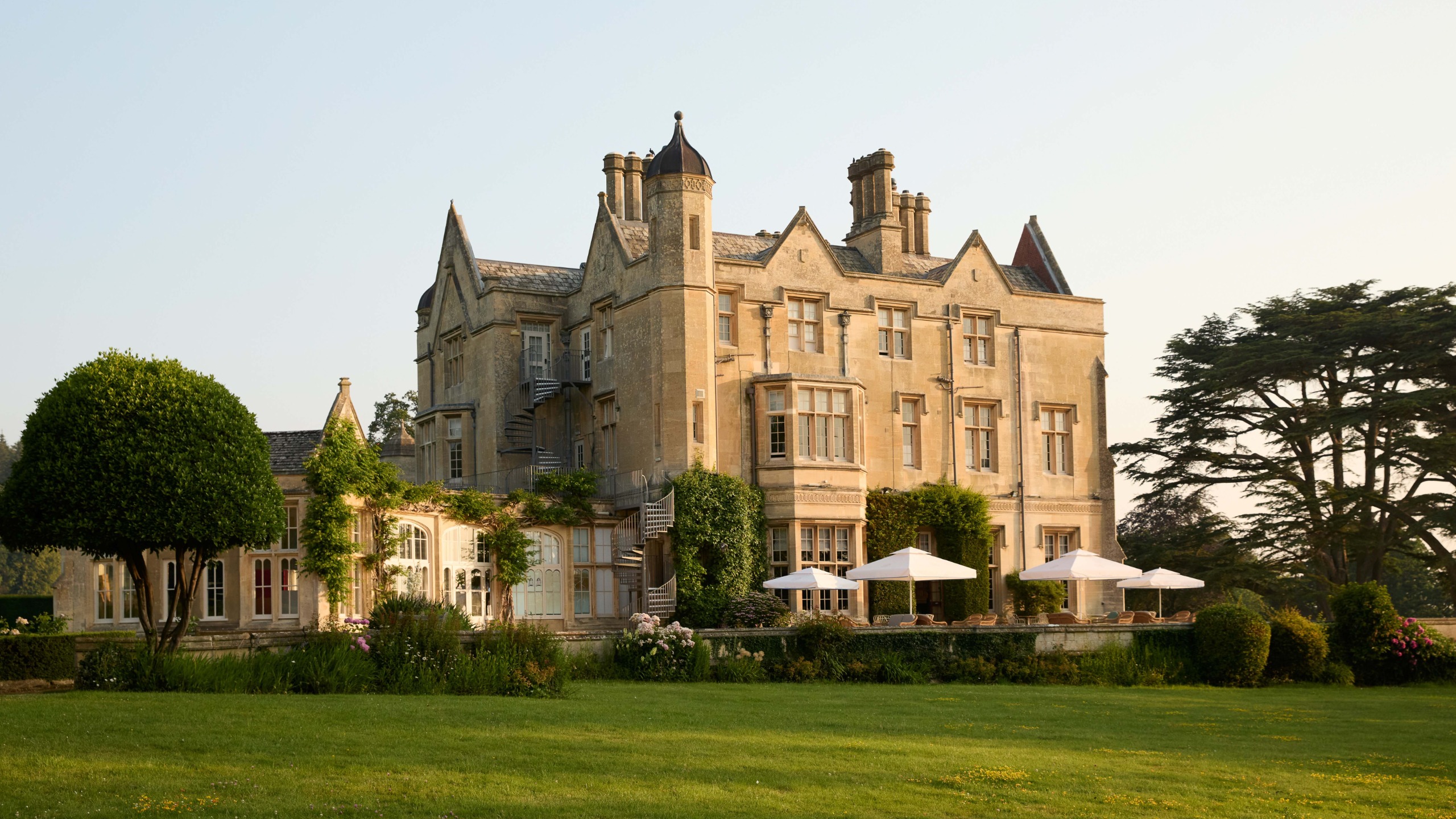
Built in 1830 on the wealth of the Cotswolds wool trade, this Grade II-listed hotel was constructed as an elegant country house that became a refuge for some of the Victorian era’s most notable thinkers, writers and artists. Now, after an extensive two-year restoration, it has opened its doors to a new generation of discerning guests.
(Image credit: Dumbleton Hall)
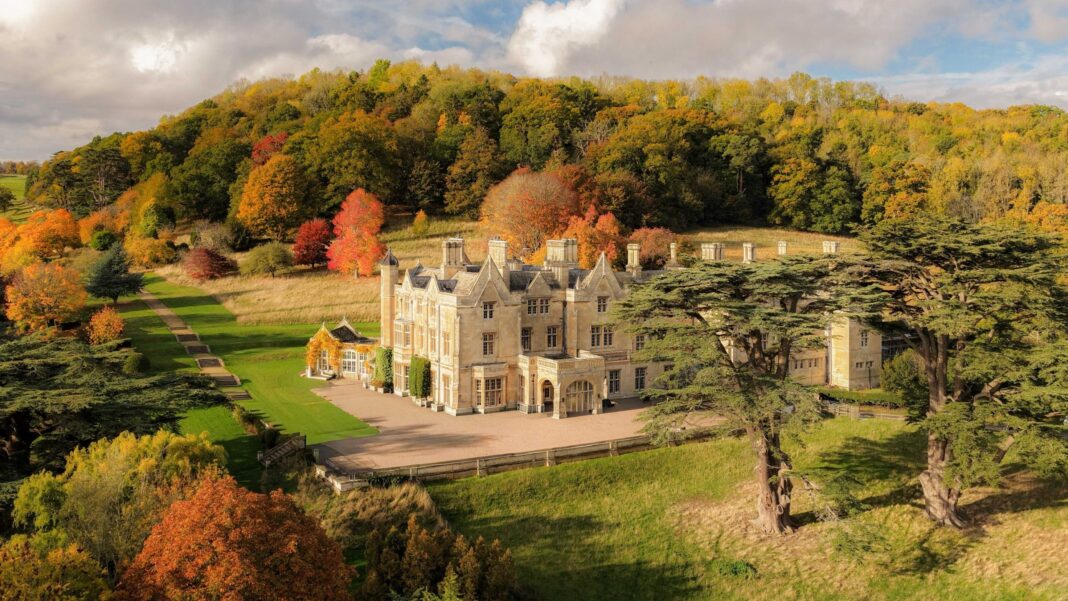
As I arrived to check in, what caught my eye was how much of the original estate remained intact. Ancient cedars line the driveway, and water lilies thrive in a pond beneath a canopy of mature trees. On a sunny day, the hall’s honey-coloured facade is illuminated against the foliage of the grounds that are spread across 16 acres of woodland and open countryside.
Start your trial of MoneyWeek today
Get unparalleled financial insight, analysis and expert opinion you can profit from.
Start your trial
Sign up for MoneyWeek’s free twice-daily newsletter.
Join more than 165,000 subscribers and keep yourself informed with latest financial news, insights and expert analysis to help you understand what really matters when it comes to your finances.
Join more than 165,000 subscribers and keep yourself informed with latest financial news, insights and expert analysis to help you understand what really matters when it comes to your finances.
It is tempting to spend an entire afternoon doing little more than wandering around. Before long, it becomes clear why Dumbleton Hall attracted generations of intellectuals. The mood is tranquil and idyllic.
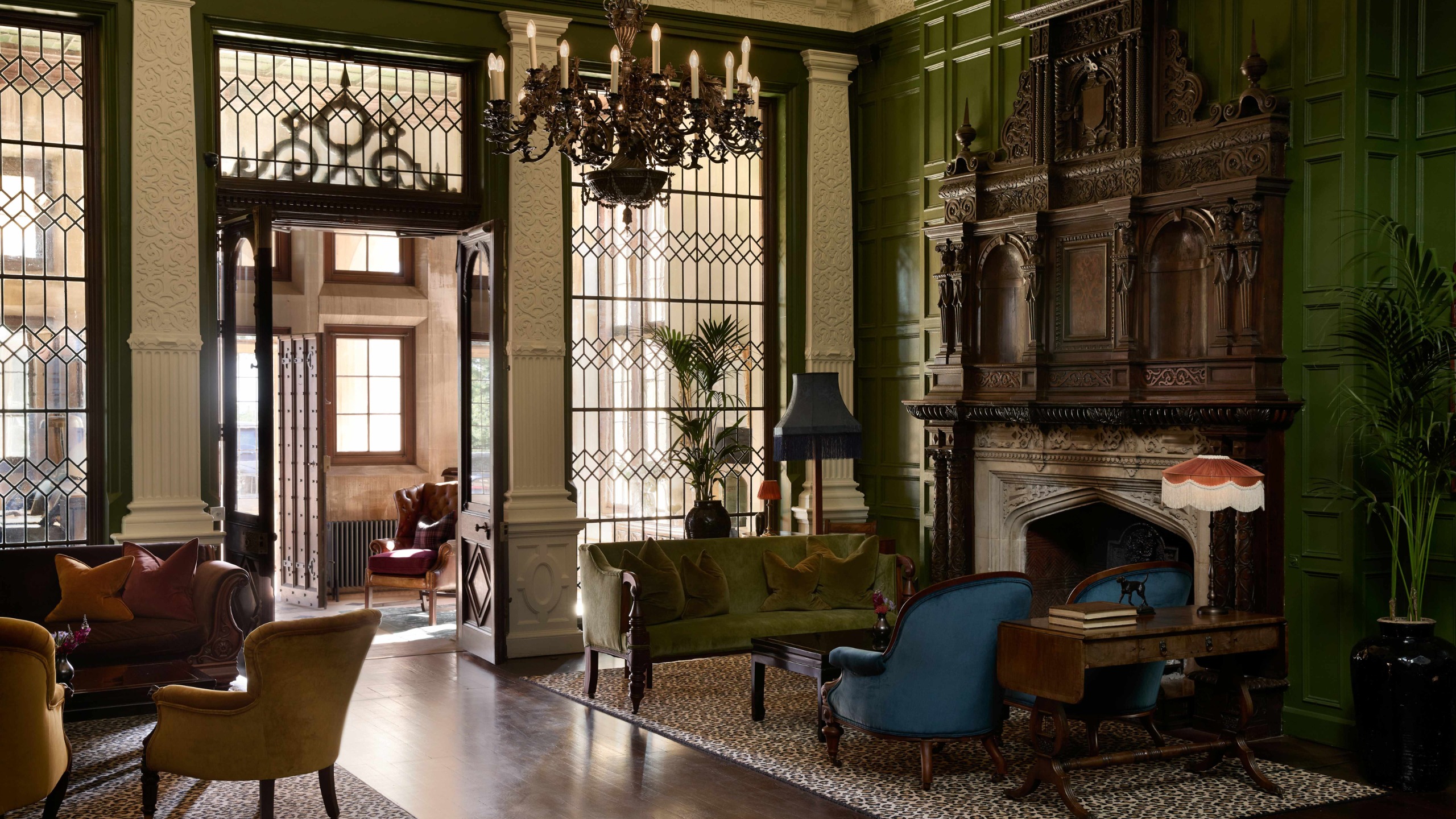
Dumbleton Hall is an antiques haven
(Image credit: Dumbleton Hall)
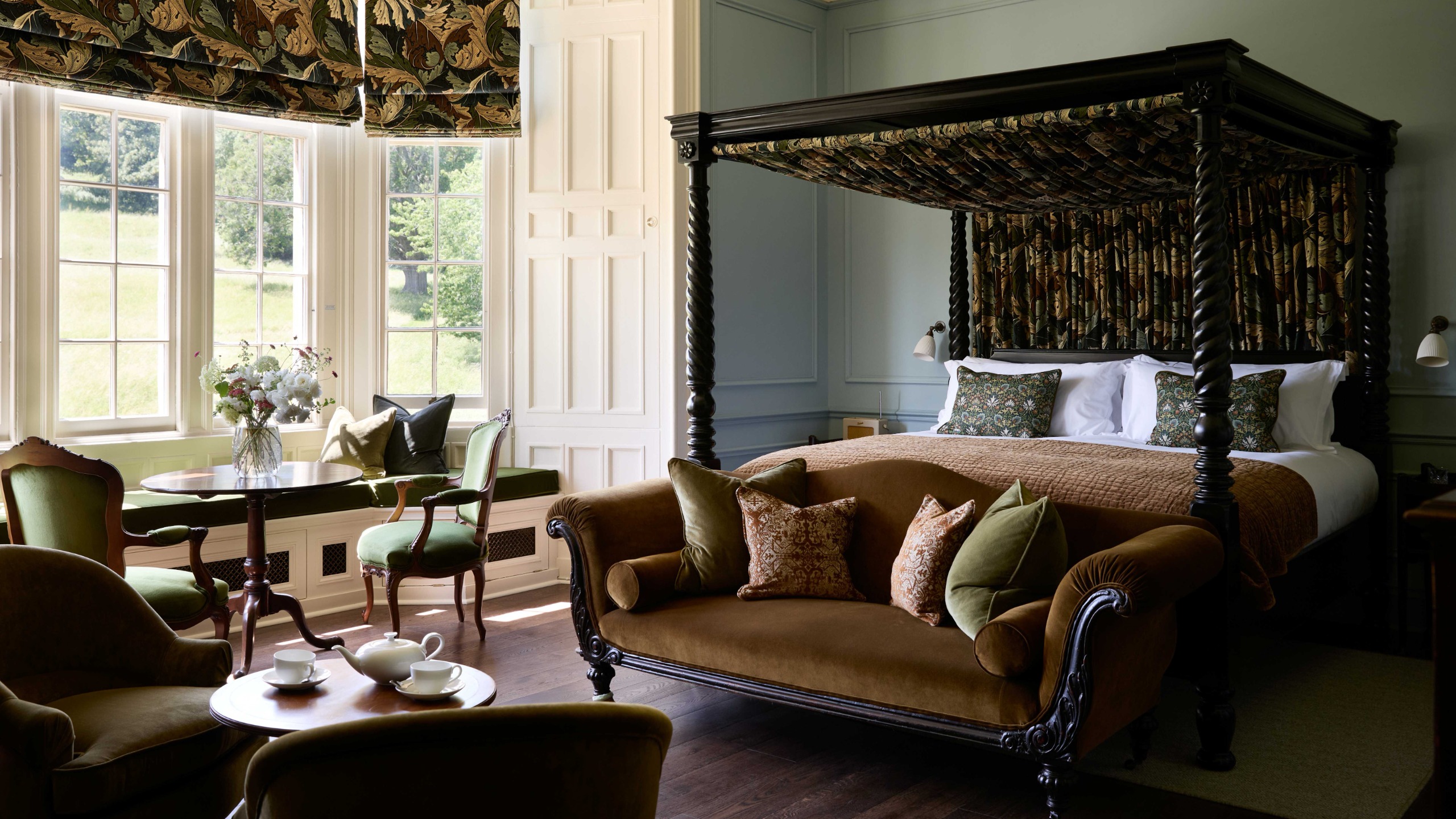
The sense of calm extends into the bedrooms. My suite had olive and khaki tones that complemented a beautiful Queen Anne secrétaire chest in walnut and mahogany. It looked less like hotel furniture than an heirloom treasure. William Morris’s prints nodded to the designer’s strong connections to the Cotswolds and brought vibrancy to the rooms’ antiques, which sit alongside all the contemporary
Dumbleton Hall was built on the wealth from the wool trade comforts you would expect from a luxury hotel in this day and age.
(Image credit: Dumbleton Hall)
However, the property’s history isn’t just evident in the decor. Guests receive an autographed copy of Dumbleton Hall: The Story of a Victorian Country House by John Hodges, which chronicles the many families and visitors who have passed through the estate since the 19th century. It is the sort of book that is just asking to be read outside, beneath one of the ancient trees in the estate’s gardens.
A culinary highlight at Cedar 1905
(Image credit: Dumbleton Hall)
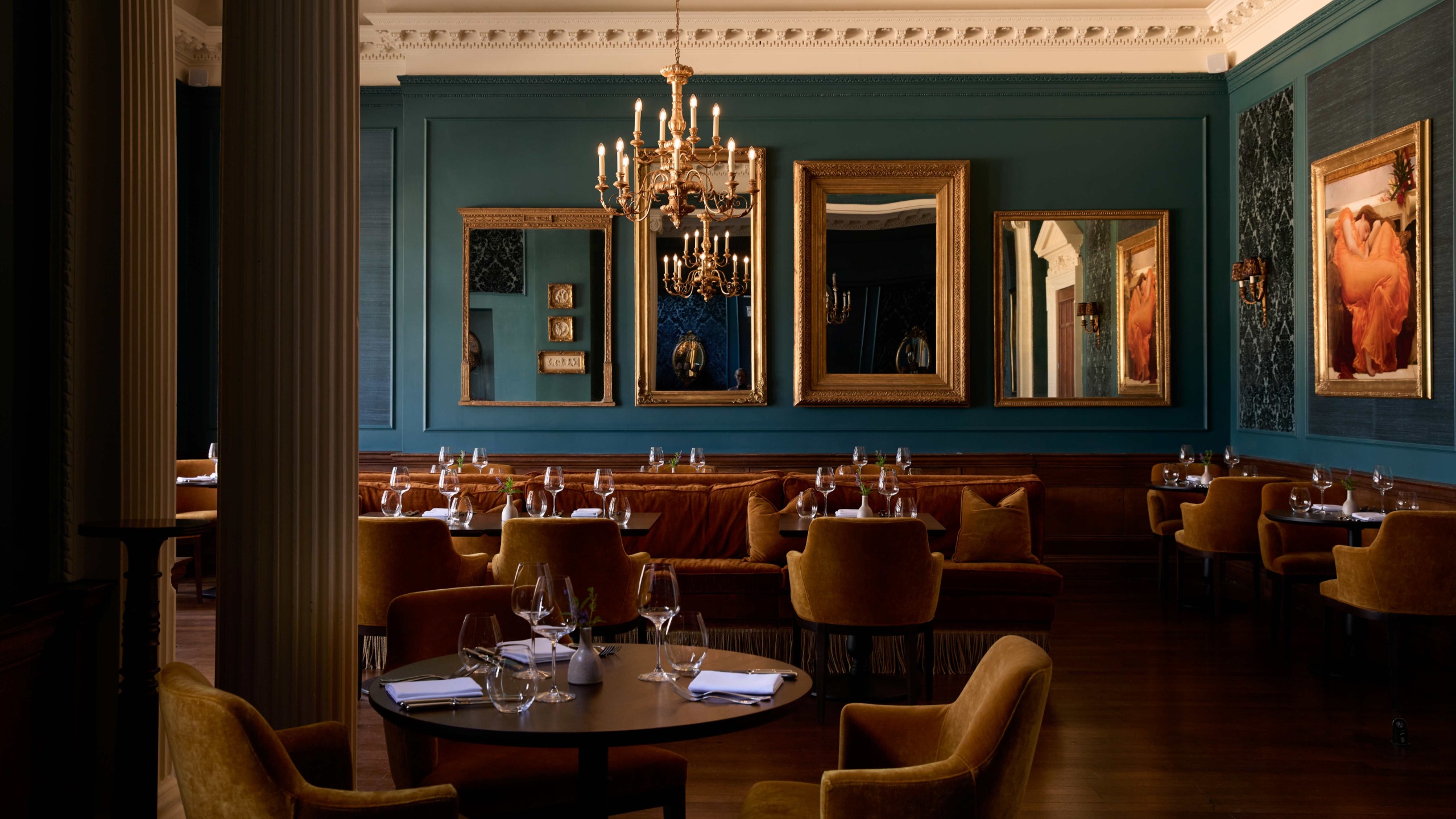
Dinner at restaurant Cedar 1905 is another highlight. The menu is distinctly English, but there is enough imagination to keep things interesting. Chalk-stream trout gravlax was paired with melon gazpacho, lime and lovage (£16), and the Cornish crab came with a crumpet, cucumber and watercress (£26). For something more substantial, the nine-ounce ribeye steak is served with pickled shallots, “Dumbleton butter” and fries (£44).
Dessert was no afterthought either. There is a peach and lemon-thyme pavlova, served with peach-nectarine sorbet and vanilla chantilly – a light yet decadent way to end an evening (£15). Breakfast is a similarly sumptuous affair, comprising a full English and a selection of English cheeses and Cobble Lane cured meats.
Enjoy country walks and pretty villages in the Cotswolds
Dumbleton Hall is well situated for exploring the Cotswolds. It is located between the village of Broadway, the towns of Winchcombe and Stratford-upon-Avon, which makes it ideally placed for embarking on long country walks and visiting the pretty nearby villages and historic towns. That said, there is little need to venture far from your room to find the landscape that draws so many visitors to this part of the country. Wonderful views of the surrounding countryside can be enjoyed from Dumbleton Hall.
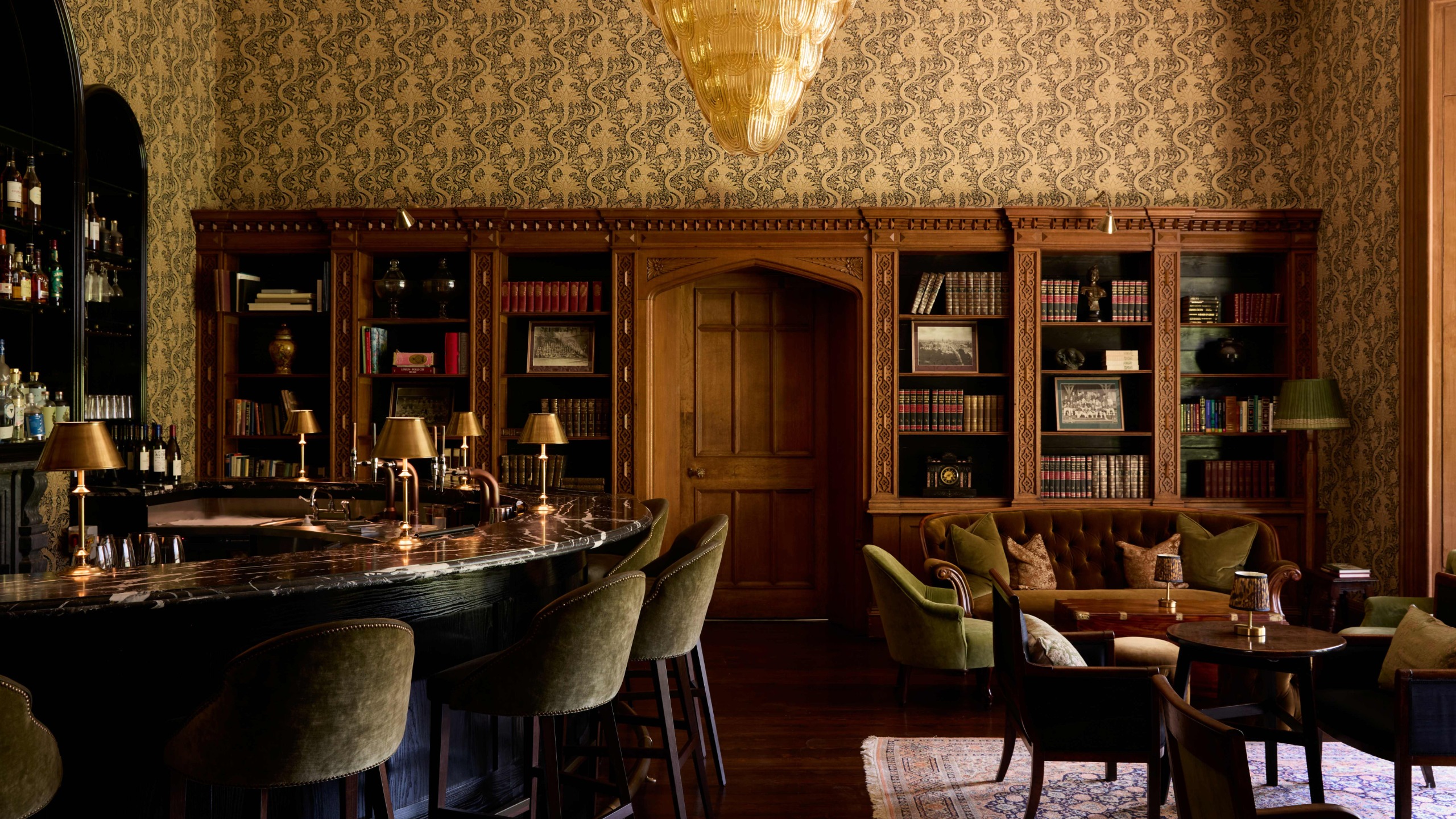
For a change of pace, Broadway is close enough for an afternoon of visiting independent shops, galleries and cafes, while the market town of Winchcombe offers a more traditional feel, with its medieval streets and stone cottages. If Dumbleton Hall’s history and literary connections inspires you, Stratford-upon-Avon, the birthplace of William Shakespeare, is within easy reach. The beauty of the hall is that you can spend the morning exploring, return for some quiet time, enjoy a drink or two at the Library Bar, and then take a walk around the lake before dinner.
(Image credit: Dumbleton Hall)
Perhaps the best indication of what Dumbleton Hall embodies came from another guest I met during my stay. She mentioned, almost in passing, that she had got married here more than 20 years ago and still finds reasons to return. That feels fitting for a grand house that is curating new experiences for guests, who themselves may return decades from now.
This article was first published in MoneyWeek’s magazine. Enjoy exclusive early access to news, opinion and analysis from our team of financial experts with a MoneyWeek subscription.