
This post was originally published on this site.
 Getty Images
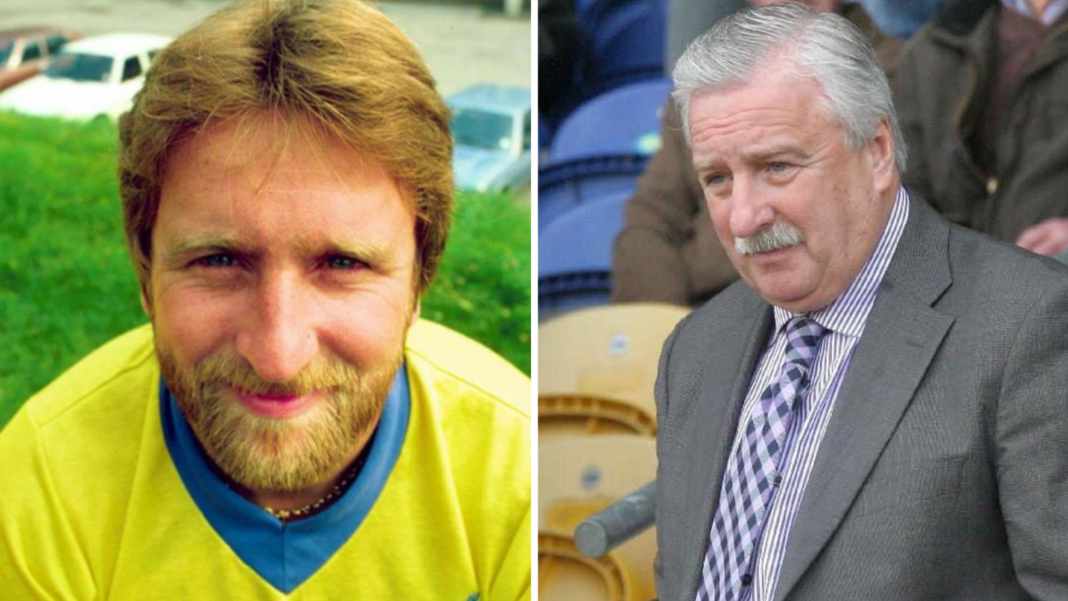
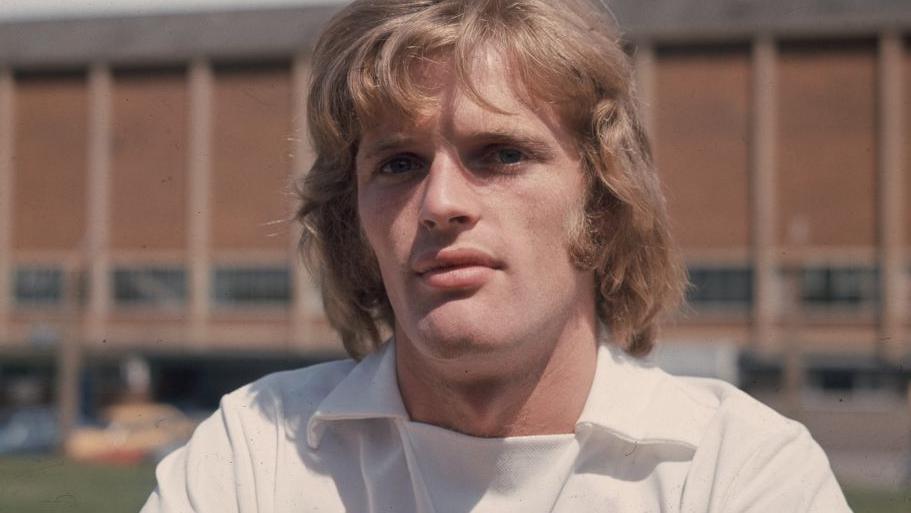
Repeatedly heading a football “likely” contributed to the brain disease which was a factor in the death of former Scotland and Manchester United footballer Gordon McQueen, an inquest has found.
McQueen, who was diagnosed with vascular dementia, died in 2023 aged 70.
An inquest into his death held in Northallerton, North Yorkshire, concluded with a narrative verdict on Monday, with senior coroner Jonathan Heath telling the court: “I have found that Mr McQueen suffered repetitive head impacts during his career.
“I am satisfied that on the balance of probability that repeatedly heading footballs contributed to his developing chronic traumatic encephalopathy (CTE).
“The combination of CTE and vascular dementia led to pneumonia. I find the cause of death pneumonia, vascular dementia and CTE.
“It is likely that repetitive head impacts, sustained by heading the ball while playing football, contributed to the CTE.”
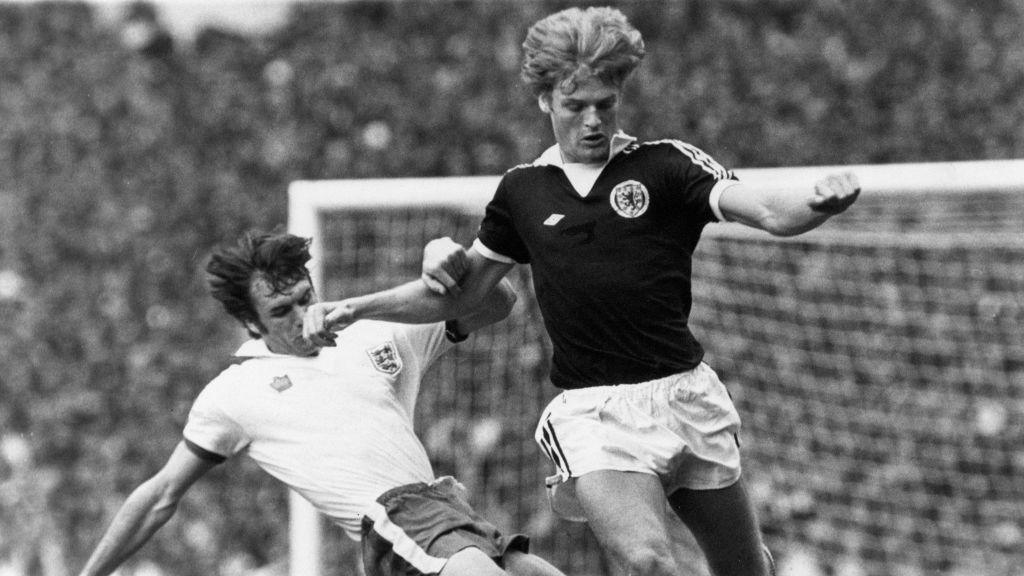
McQueen played 30 times for Scotland and made almost 350 appearances for St Mirren, Leeds and United as a central defender between 1970 and 1985, before managing Airdrie and coaching at St Mirren and Middlesbrough.
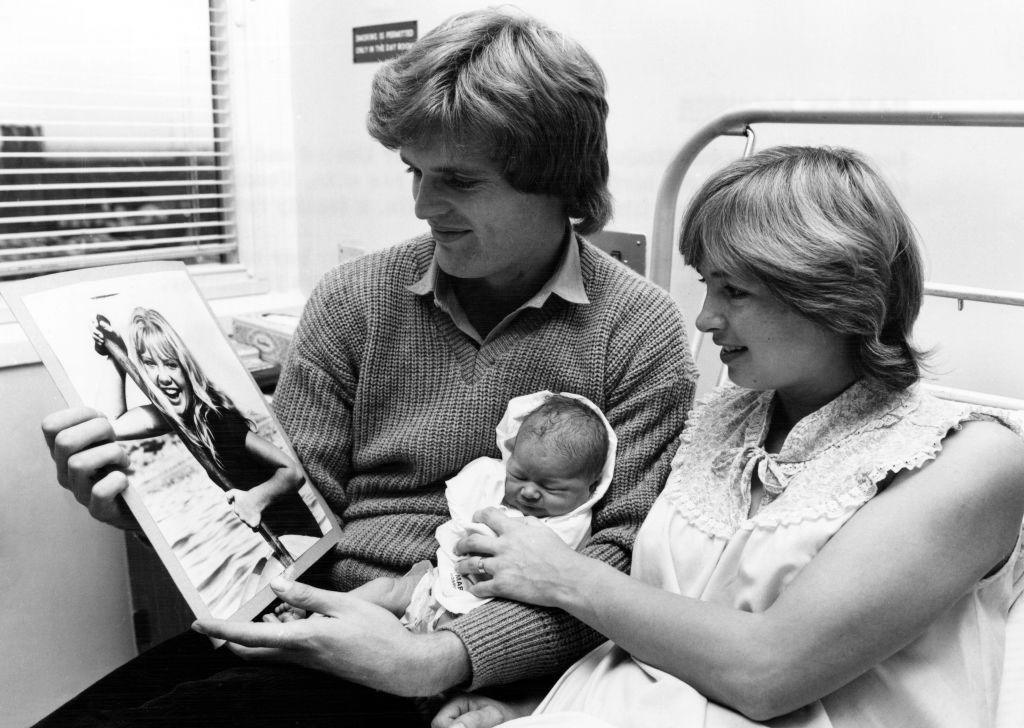
Outside court, McQueen’s daughter Hayley – a Sky Sports presenter – said: “Dad absolutely loved everything about football, but ultimately, it took him in the end.
“He went through a horrendous time towards the end of his life. CTE is a very different sort of thing from a traditional dementia – a lot of dad’s symptoms were not typical of that or Alzheimer’s.
“It depleted my parents’ lifetime savings looking for private care for my dad, and we relied on charities for respite care.
“I know a lot of footballers whose families have reached out, who have symptoms very similar to that of my dad, and I think we’re going to start to see more and more.
“The 1966 World Cup England team has been pretty much wiped out with neurodogeneritive disease.”
“I think my dad’s main message would be to warn others against the dangers of heading to protect future generations.”
‘Football authorities must stand up and make a change’
In 2019 the Football Association and Professional Footballers’ Association jointly funded the ‘Field’ study, which found footballers were 3.5 times more likely to die from neurodegenerative diseases.
The FA also jointly funds the Brain Health Fund, which provides up to £1m a year for families affected by neurological illness in footballers.
In 2022, the FA became the first national association to remove deliberate heading in grassroots football matches at U12 level and below.
But there are questions over whether the measures put in place are not being adhered to everywhere.
“We would like to make it a national campaign for heading to be reduced in training,” said Judith Gates, founder of Headsafe Football and widow of former Middlesbrough footballer Bill Gates, who died with CTE.
“CTE is only caused by repetitive head impacts. Therefore, how do you solve? You reduce the frequency. Most of the head impacts take place in training.
“The guidelines from the FA are out there but coaches don’t know them. We’ve worked with 44 EFL clubs and only one percent knew about them, and that’s just the professional game.
“This begins in youth, so it’s young people whose brains we need to be caring for.
“We want Gordon’s legacy, and my Bill’s legacy, to be safer football and for players in the future to enjoy the game we all love without the fear of brain disease.”
McQueen’s daughters believe football authorities should be bolder in tackling the problem for future generations.
“There are guidelines against heading in youth football and it needs to be implemented more, because it quite clearly isn’t,” Hayley said.
“They need help from footballing authorities, but there also potentially needs to be changes to legislation and education. Yes balls used to weigh more, but they move faster now.
Hayley’s sister Anna added: “I think the football authorities are scared. They’re not sure what the best approach is, but I think now there’s more evidence that it does impact players, they’ve got to do more. They’ve got to stand up and make a change.
“Football is a beautiful sport but it doesn’t need to take people’s lives.”
 Getty Images
‘Defenders more at risk than general population’
Professor Willie Stewart, a consultant neuropathologist at Queen Elizabeth University Hospital in Glasgow who examined McQueen’s brain after his death, described to BBC Sport how a membrane in the brain appeared torn and that CTE was present in various locations in McQueen’s brain.
“CTE contributed to his death significantly,” said Prof Stewart, adding that the only available causal evidence was exposure to repeated impacts – heading a football.
Prof Stewart said symptoms of CTE were cognitive decline and neuro-behaviour change, and that they “can’t be explained by another condition – it must be progressive”.
He said symptoms were “typical in professional football and rugby players who have long careers”.
“Goalkeepers, who don’t typically head the ball, have a risk equivalent to general population, whereas in outfield positions, particularly defenders, the risk is higher,” he added.
The relationship between CTE and football has been studied for many years, but prominent cases like McQueen’s bring it further into the spotlight.
“I’m not surprised by the verdict”, Luke Griggs, chief executive of brain injury association Headway UK, told BBC Radio 5 Live.
“The link between repeated head trauma and degenerative neurological conditions, whether it’s dementia, Parkinson’s, or CTE, is well established.
“In recent years that peer reviewed evidence has been strengthened with studies showing that the footballers of Gordon’s generation were at a significantly greater risk of developing these conditions than the general population. So not a huge surprise, but a sizeable and important moment.”
‘Dad’s personality changed after illness’
Hayley had previously told the inquest that her father had never suffered a significant head injury away from football, and that he believed that heading had contributed to his dementia diagnosis.
“I remember coming home from school and Dad would be in bed, or having a lie down.
“He would say he’s been having headaches. I remember thinking – ‘why are you having headaches?’
“He would say ‘yes, heading a football all those years probably hasn’t helped’.”
Hayley described how her father’s health declined significantly after the family noticed a change in his personality not long after his 60th birthday.
“He struggled with his swallowing and that continued for many years,” she said.
“His balance was very, very off and his personality started to change.
“My dad was very outgoing, part of the after-dinner circuit. But he became off, and wasn’t really my dad.”
 Getty Images
Astle case first sparked scrutiny on heading
The link between heading footballs, CTE, and a subsequent death was first confirmed in the case of former Notts County and West Bromwich Albion striker Jeff Astle, who died aged 59 in 2002.
Astle died by choking at his daughter’s home, having displayed symptoms of neurological illness for five years.
In the years since, various campaign groups have called for changes to be made to football’s rules in order to reduce heading.
There has been no international shift in approach or changes to the rules from football lawmakers Ifab, but some national associations have put specific measures in place.
Other athletes including boxers, MMA fighters and rugby players are also at risk of neurodegenerative illnesses linked to their careers.