
This post was originally published on this site.
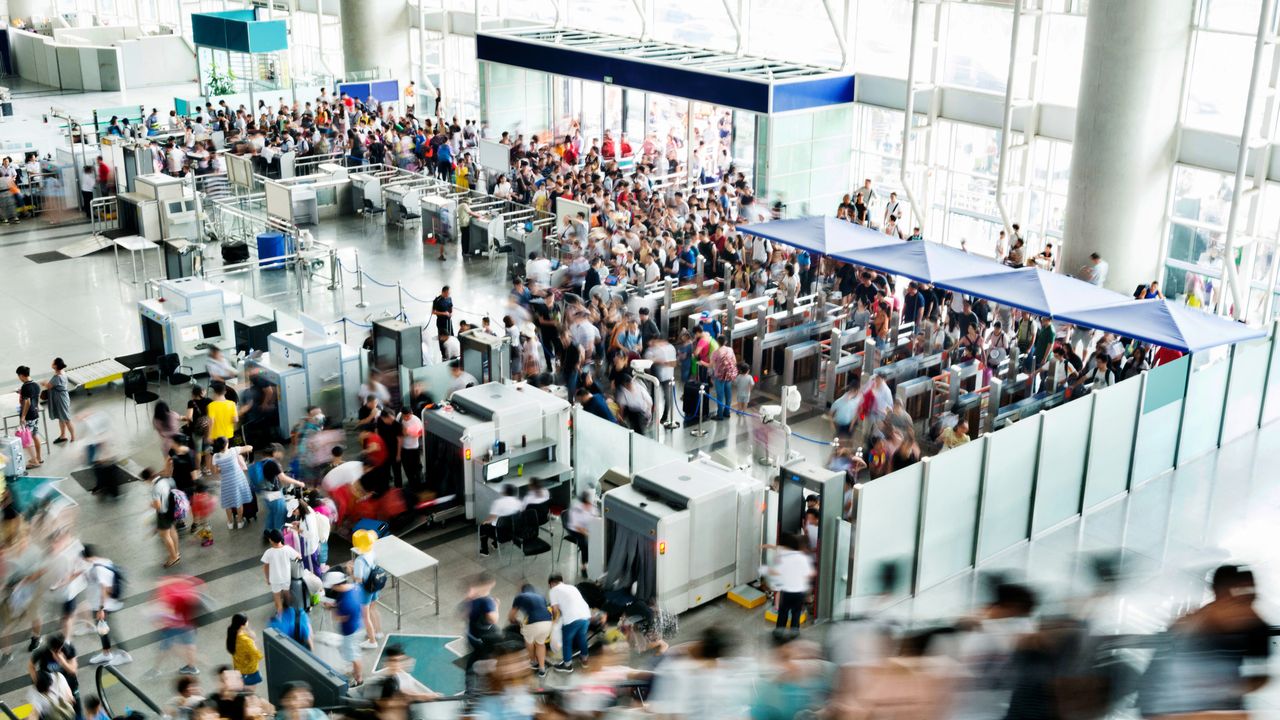
Luggage rummaging and security faffing be gone—for London Heathrow (LHR), Europe’s busiest airport, has finally ended its 100ml rule.
The UK airport first introduced the regulation in August 2006 due to concerns over liquid explosives. Nearly two decades later, it was officially scrapped on January 23, 2026, following the completion of a $1 billion technology upgrade.
Until now, the majority of passengers were forced to sort their liquids into clear plastic bags on approach to Heathrow’s security scanners and remove electronic equipment from carry-on luggage. However, both liquids and electronics may now remain in luggage unless flagged by security staff.
The change comes as the rollout of next-generation CT security scanners has finished, promising faster queues, less stress, and a smoother start to journeys through the airport, which handled 84.5 million passengers in 2025.
“Every Heathrow passenger can now leave their liquids and laptops in their bags at security as we become the largest airport in the world to roll out the latest security scanning technology,” Heathrow CEO Thomas Woldbye said in a statement. “That means less time preparing for security and more time enjoying their journey—and millions fewer single-use plastic bags. This billion-pound investment means our customers can be confident they will continue to have a great experience at Heathrow.”
The rule change is set to usher passengers through checkpoints more quickly by allowing CT scanners to provide better images of cabin baggage. It comes as Heathrow Airport was crowned Europe’s most punctual hub airport in 2025, with over 97% of passengers waiting less than five minutes for security.
More international destinations are open to travelers than ever before via the bustling aviation hub, thanks to a flurry of newly-announced routes. New destinations include the American city of St. Louis, which is celebrating its 100th anniversary this year, daily flights to the southern Spanish city of Seville, and direct flights to Thailand’s largest island, Phuket.
This article was originally published on Condé Nast Traveller UK.