
How AI is creating a UK super-museum and revealing our planet’s history
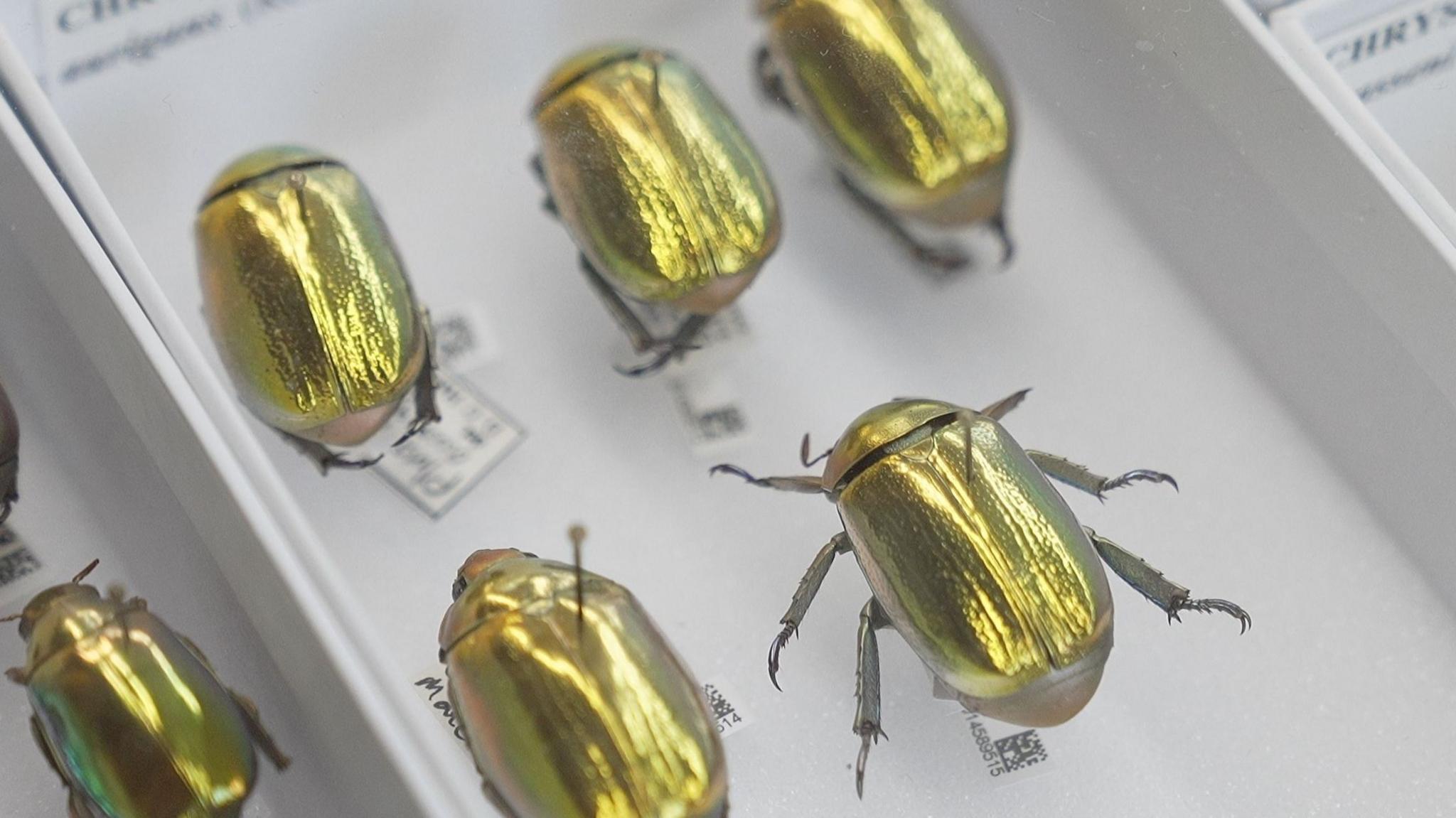 Image source, Kevin Church/BBC
-
Published
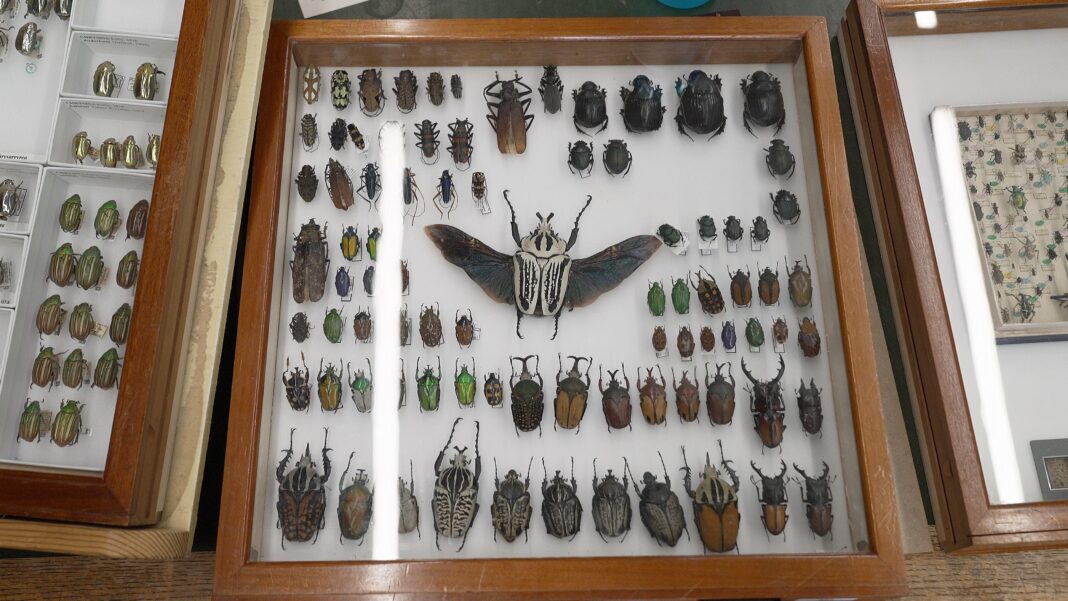
Researchers are using AI to create a vast digital museum of millions of specimens from collections across the UK that they say could “supercharge” our understanding of the natural world.
People will eventually be able to see around 70 million animals, plants, fossils and rocks from their phones and computers.
Robots and AI are being used to scan and analyse the specimens – some collected centuries ago – speeding up the digitisation process from hundreds of years to a decade.
The new digital museum will enable researchers to understand how the UK has changed over the entire history of our planet and predict future changes to the climate, food supplies and species loss.
The resource will be something that the public can access and enjoy too, says Dr Joanna Dunster, who is an associate director of the Arts and Humanities Research Council (AHRC) – part of the UK Research and Innovation Agency which is funding the project.
“I’m looking forward to exploring the resource with my four-year-old son, whose knowledge of science is little, but enthusiasm is great,” she told BBC News.
Some specimens are already searchable on the database, but they represent only a fraction of the country’s collections, mostly from a handful of large institutions such as the Natural History Museum and the Royal Botanic Gardens, Kew.
New funding will open drawers and cupboards in institutions across the UK to include millions more plants, animals and fossils.
“We need to make these collections openly accessible instead of sitting where they can rarely be reached,” Dunster said.
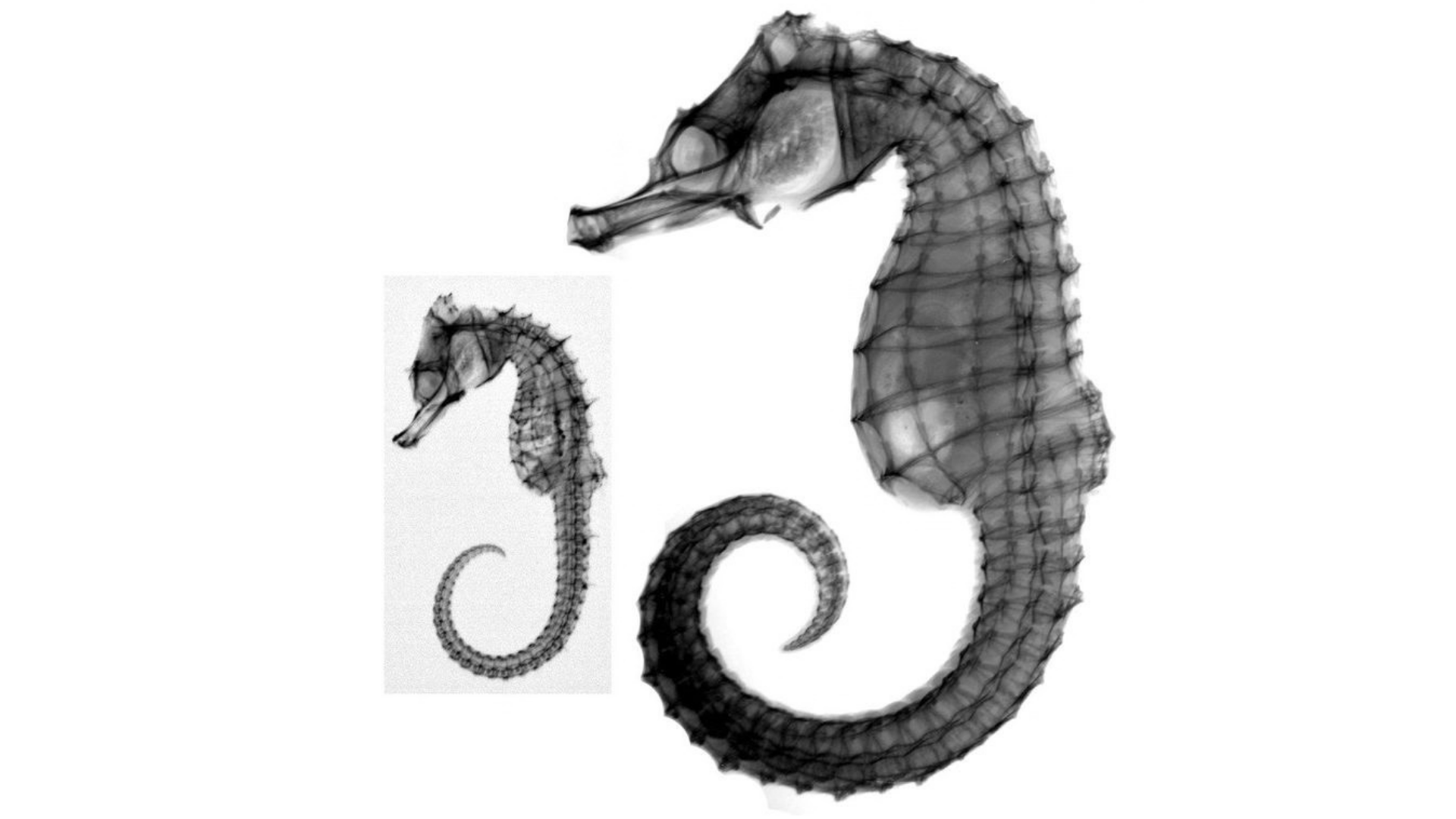
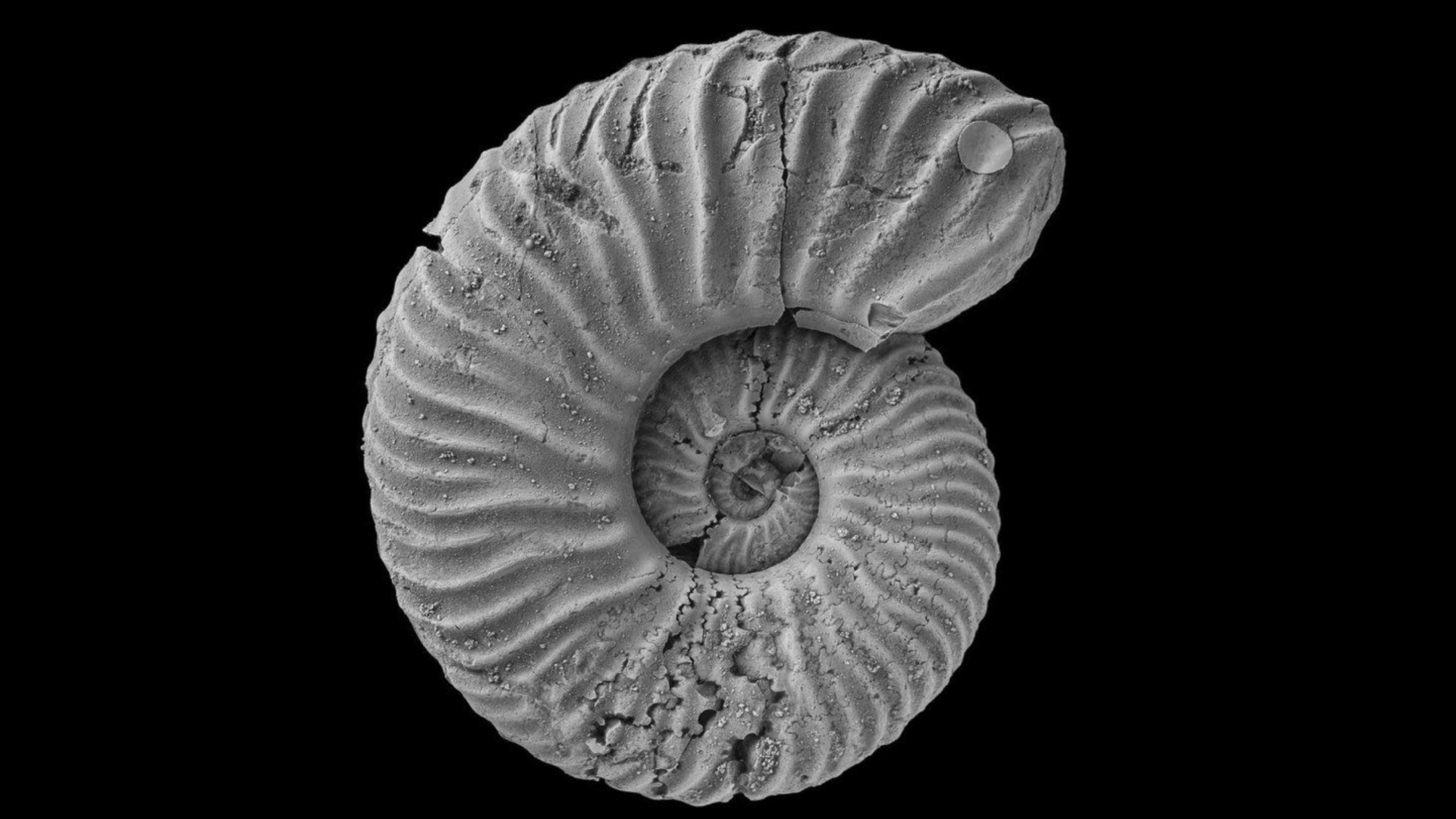
The public and researchers will be able to see the full diversity of the natural world, from the unusual – like the blind tripod fish that props itself on the seafloor, to the historical – a horse tooth recovered by Charles Darwin around 1833 from northeast Argentina.
The resource is called the Distributed System of Scientific Collections, external (DiSSCo UK).
-
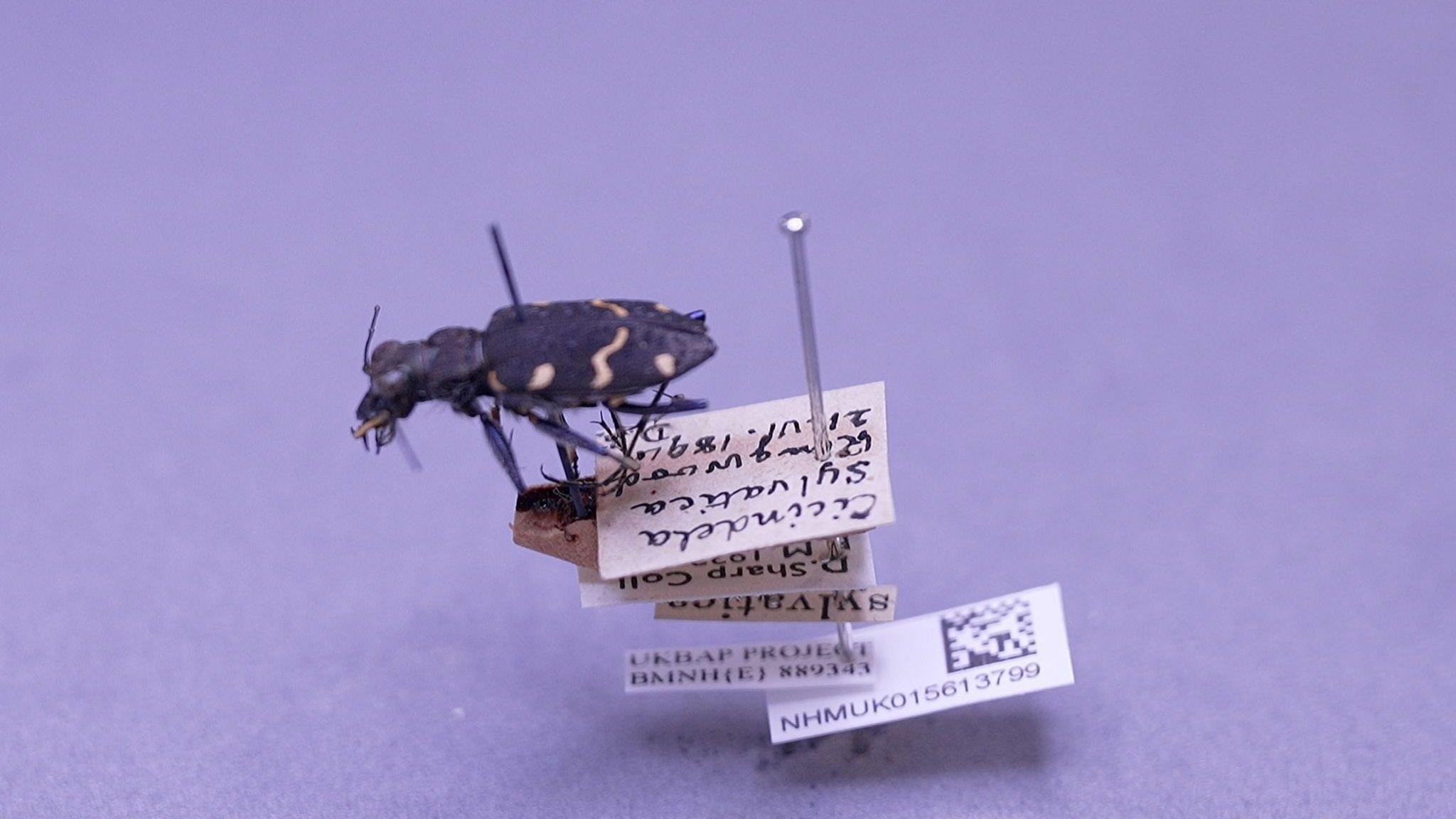
Image source, Kevin Church/BBC
1 of 5
Slide 1 of 5, A single preserved beetle is mounted on a long pin against a soft, pale purple background. The insect is shown side-on, facing left. Its body is dark brown to black, long and slightly flattened, with several irregular cream-coloured markings along its wing cases. Fine antennae project from its head, while six slender legs curl beneath its body. Several small paper labels hang below the beetle on the pin. One handwritten label appears to include the species name Cicindela, while printed labels record collection details and a museum reference number. A second pin with a rounded silver head stands just behind the specimen., Many specimens have scientific labels handwritten decades ago which can now be read more easily and digitally captured
Scanning the specimens is not a trivial process. Not only does each one need to be photographed, but the tiny labels containing important scientific information, often handwritten, sometimes centuries ago, also have to be recorded.
The team involved calculated that it would have taken hundreds of years to do this manually, but using robots and AI this process can now be done in a decade, according to Sarah Addezio, the DiSSCo UK’s programme delivery director.
“What we’re able to do now is connect and analyse that information at a scale that’s unprecedented and has not been possible before.”
One hundred museums, botanic gardens, universities and other organisations are involved in the project.
The specimens to go under the cameras will not be the big beasties: there are no whales or dinosaurs in the opening phase, which begins in Wales and Scotland.
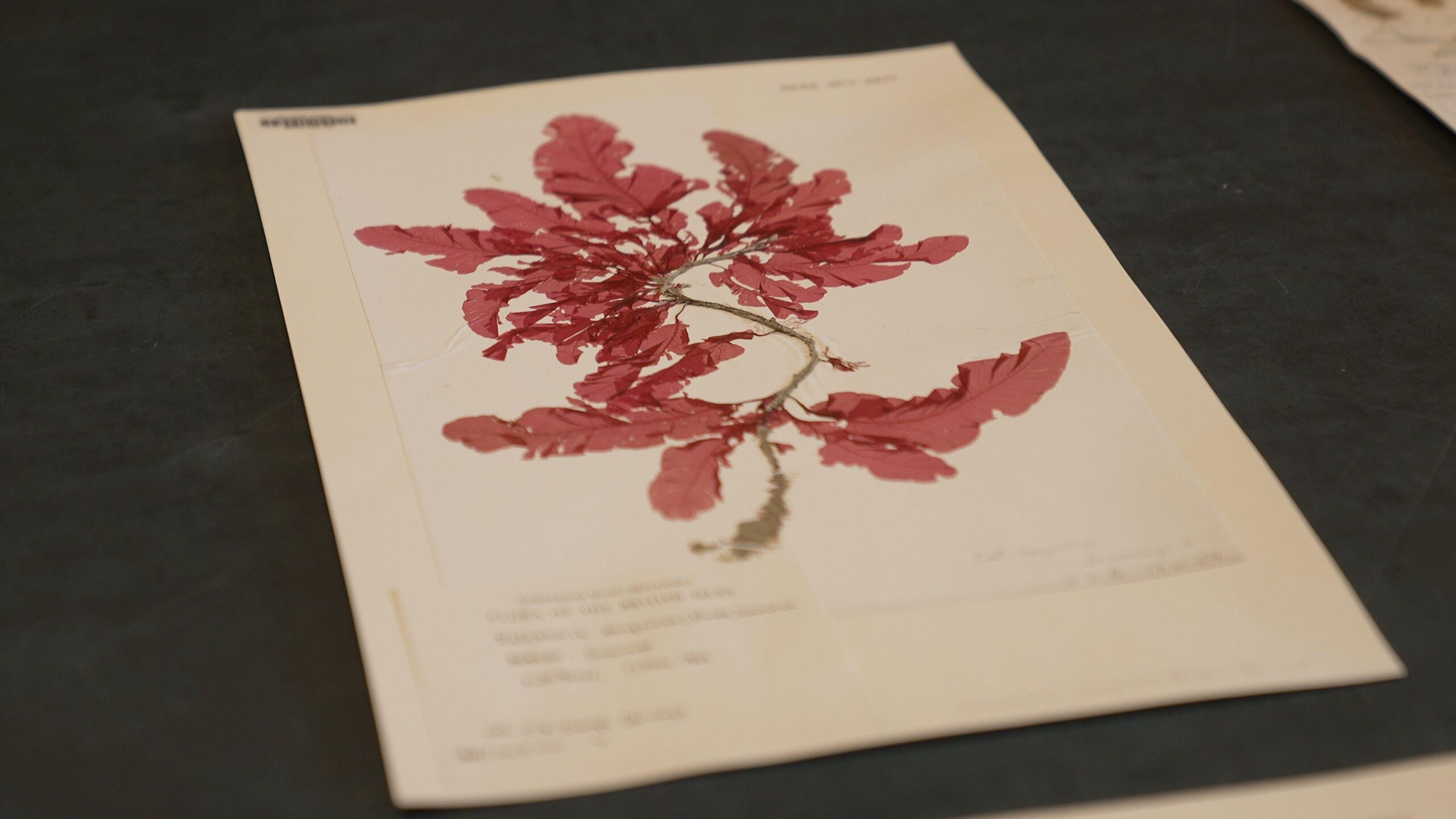
Beetles, butterflies, moths, flies, pressed flowers and ferns will go first – the small, less glamorous material that actually hold the best record of how the country around them has changed.
In Cardiff, the team will scan around half a million insect and plant specimens, from large, showy butterflies down to flies you could lose on a fingertip, which turn out to be among the most sensitive indicators of a healthy landscape.
In Scotland, the Royal Botanic Garden Edinburgh and National Museums Scotland hold 13 million specimens between them, the UK’s second-largest natural science collection.
Together with 50 smaller Scottish collections, the collections span from sea level to the tops of mountains – two centuries of change in the plants and insects of every kind of Scottish landscape.
Jenny Geroni, who is the head of Natural Sciences and Research at the Amgueddfa Cymru – Museum Wales, said it will be a chance to showcase material from across the country.
“Each collection is unique. We have a lot of Welsh material that is not held anywhere else.
“By taking material from across the UK, it also allows us to build a good picture of what is going on across the whole country. And everyone adding their world collections will build a much stronger picture of what is going on elsewhere,” Geroni told BBC News.
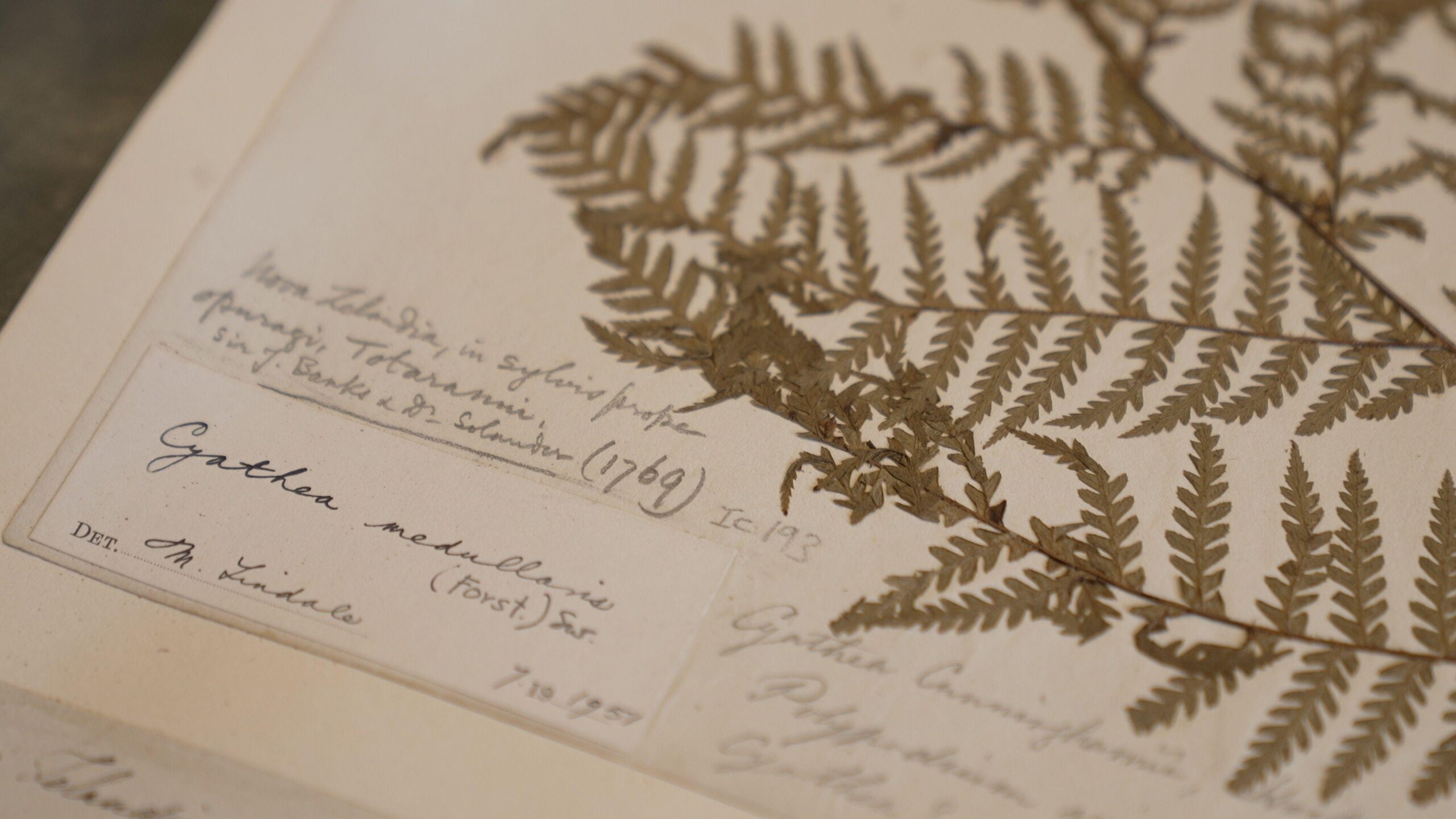 Image source, Kevin Church/BBC
Every specimen in a museum is a snapshot of the past.
A large part of natural history is the detective story of piecing these clues together from tens of millions of these jigsaw pieces to recreate a vivid and detailed picture of how our world has changed.
The new initiative will make that much easier by bringing millions of specimens together along with powerful AI tools to search the information.
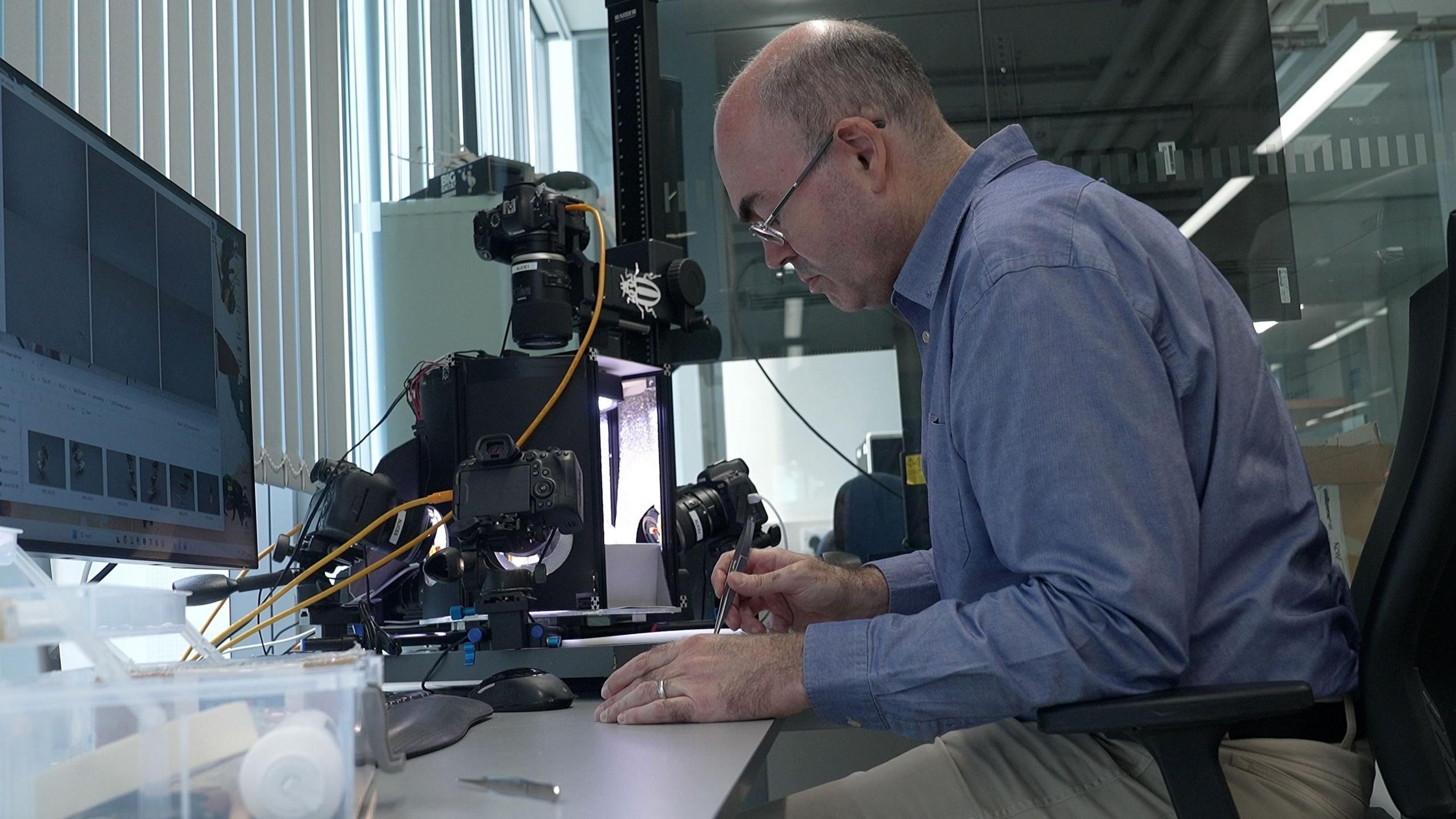 Image source, Kevin Church/BBC
Dr Vincent Smith, a research leader at the Natural History Museum in London, says it will “supercharge” research into the natural world.
“Natural history collections record long periods of change, often through really fundamental periods, such as the Industrial Revolution. Our collections chart those changes and so you can see what’s happened before,” he said.
And, crucially, he added “start to predict what’s going to happen next”.
By bringing together this large collection of specimens, researchers can refine their computer models of how the natural world will change in the future – studying how climate change and other development choices will impact species loss.
DiSSCo UK will also help scientists prepare for future challenges – by uploading more fossils and rock material it will aid research into minerals needed for green technology.