
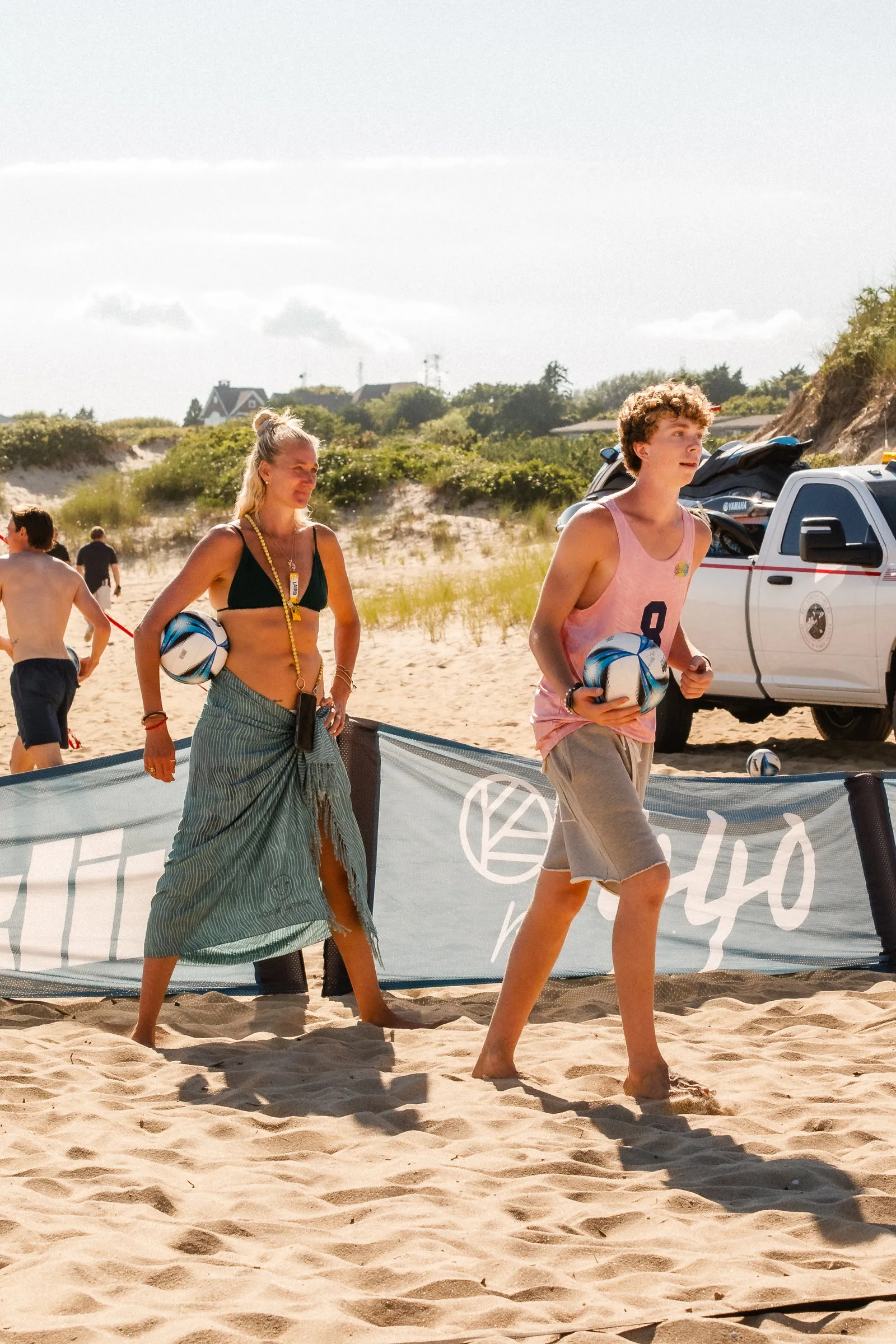
Kerri Walsh Jennings has spent most of her life on sand. As a three-time Olympic gold medalist in beach volleyball, the beach has meant preparation, pressure, competition, and a particular focus for someone who has built a career on performing when it matters most. She knows what it feels like to be fully present for a reason. Kauai taught her what it feels like to be fully present for no reason at all.
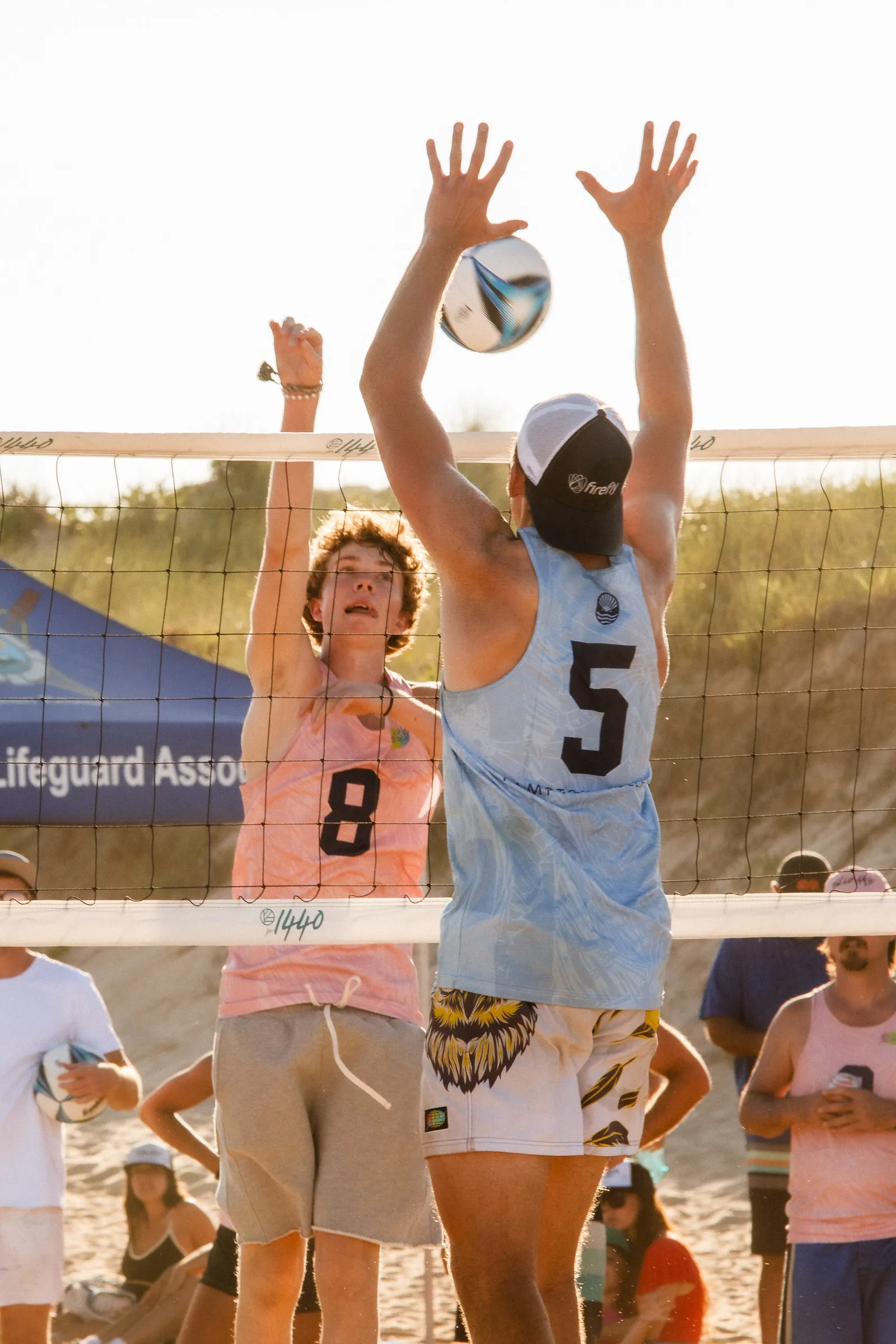
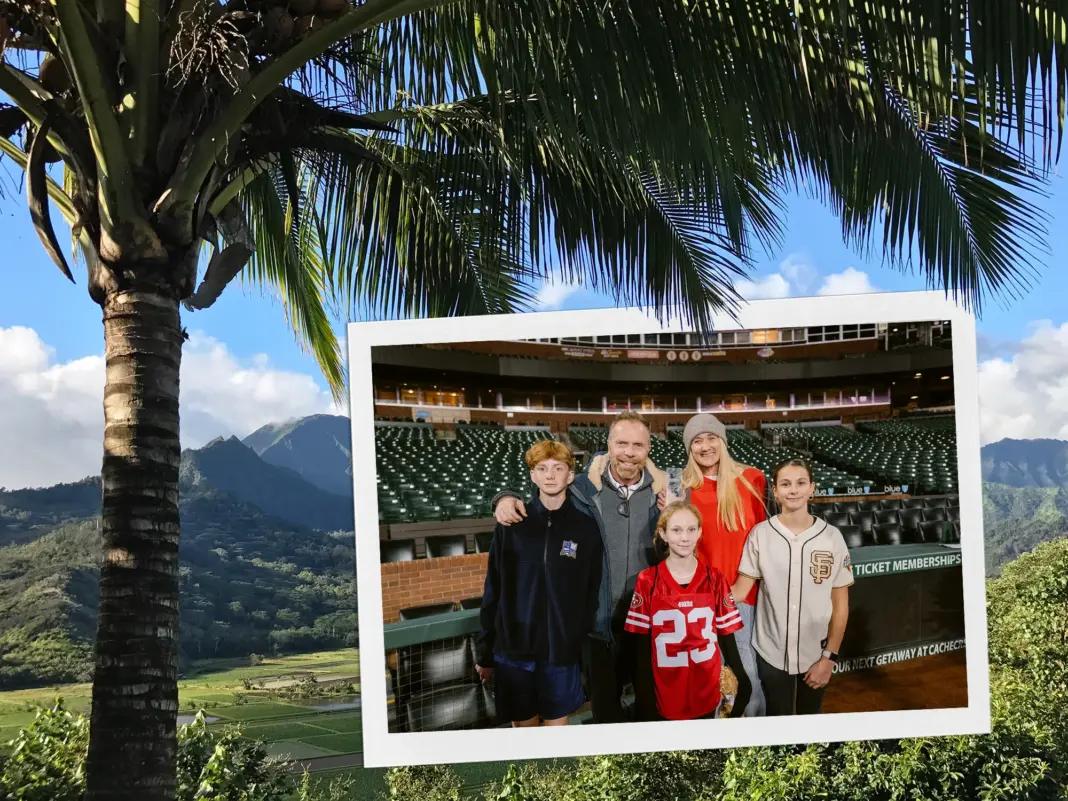
Walsh Jennings and her husband, Casey, honeymooned in Kauai in 2005 and have returned several times since. But bringing their three teenagers—Joey (17), Sundance (16), and Scout(13)— to the island at this precise window of adolescence felt different from the start. “As our children get older, we are starting to feel time differently,” she says. “Their worlds are expanding beautifully and naturally, and we’ve been realizing for a while now that these sacred windows of uninterrupted togetherness become rarer.”
Why Kauai—and why now
Walsh Jennings and Casey had been watching the calendar differently lately. The years when children simply come with you are quietly running out, and they both knew it. Kauai, a place already woven into the fabric of their marriage, felt like the right place to spend one of those remaining windows together. At home, everyone is moving in separate directions: Sports. School. Training. Friends. The machinery of a full life. Kauai offered the opposite: an island with a pace that resists urgency, where the mountains and the ocean conspire to pull you back into your body.
For Walsh Jennings personally, the draw runs deeper than scenery. “I feel a peace and a resonance there that is hard to find anywhere else,” she says. “There’s something about the island that immediately brings me home to myself.” She describes Kauai as a place that fits, the way a few rare places in the world simply do. “I feel deeply at peace there. Grounded. Clear. Grateful. Alive.”
The first night
The trip announced itself early. On their first evening, the family sat outside watching the sky shift through the colors it seems to reserve for itself. Nobody reached for a phone. Nobody had anywhere to be.
She had expected her teenagers to want the usual teenage latitude: a little separation, some independence, the quiet assertion of their own preferences. Instead, they leaned in. They explored local spots and hunted for hidden beaches and trails. They searched for the best shaved ice. They surfed and snorkeled and played games on the back lawn above Hanalei Bay. “It reminded me that teenagers still deeply crave connection and simplicity,” she says, “maybe now more than ever, even if it looks different than when they were little.”