

This post was originally published on this site.
Brothers jailed for 1984 murder after undercover police sting
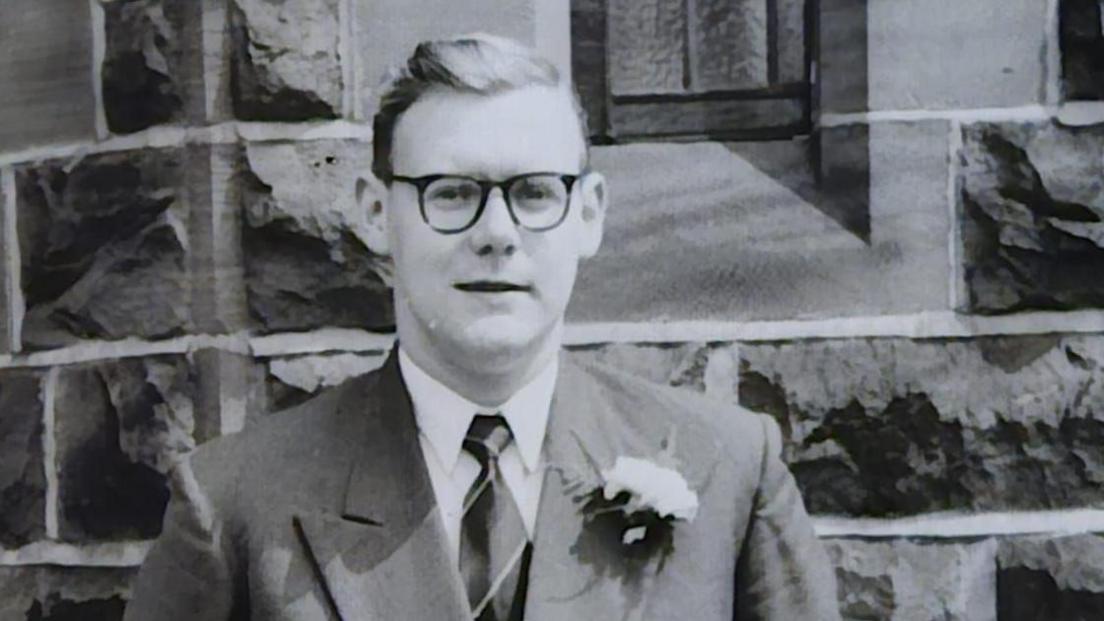 Image source, Family photo
-
Published
Just after midnight on 1 May 1984, civil servant Anthony Littler stepped off a train at East Finchley station and set off down a dark alleyway towards home.
Two minutes later, the 45-year-old lay dying on the ground.
Anthony – a “gentle giant” to his friends, who lived alone and loved real ale – had been struck twice over the head. Nothing was stolen. No eyewitnesses, no forensics, no clear motive.
For 42 years, nobody was brought to justice.
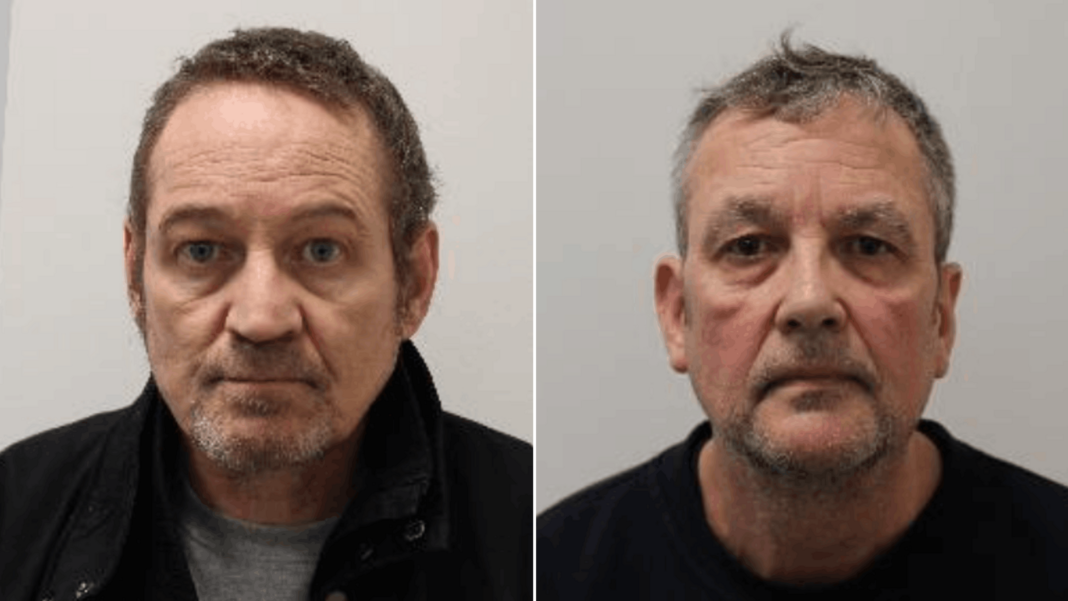
On Friday, that changed. Michael Stewart, 57, and Anthony Stewart, 60, were sentenced at the Old Bailey to life imprisonment with a minimum term of 10 years and 15 years respectively for his murder. The brothers were aged 15 and 18 at the time of the attack.
Although there was no evidence Anthony Littler was gay, Mrs Justice Cutts noted that the Stewarts had targeted gay men to rob. “1984 was a different time and in many respects a different place,” she said.
In a televised sentencing, the senior judge told the defendants: “I am quite sure your group was lying in wait for a victim. You targeted that decent, honest individual and took his life.”
Building a case
Cold cases are often solved by science: DNA, fingerprints, old exhibits tested with new techniques.
This one was different. Detectives turned to a daring undercover operation – bugging Michael Stewart’s home and car, placing listening devices on his brother’s car, and sending two covert officers into Michael’s life.
They were waiting for him to do what, over the years, he had repeatedly done: talk.
Warning – Some readers may find the content and discriminatory language in this report distressing
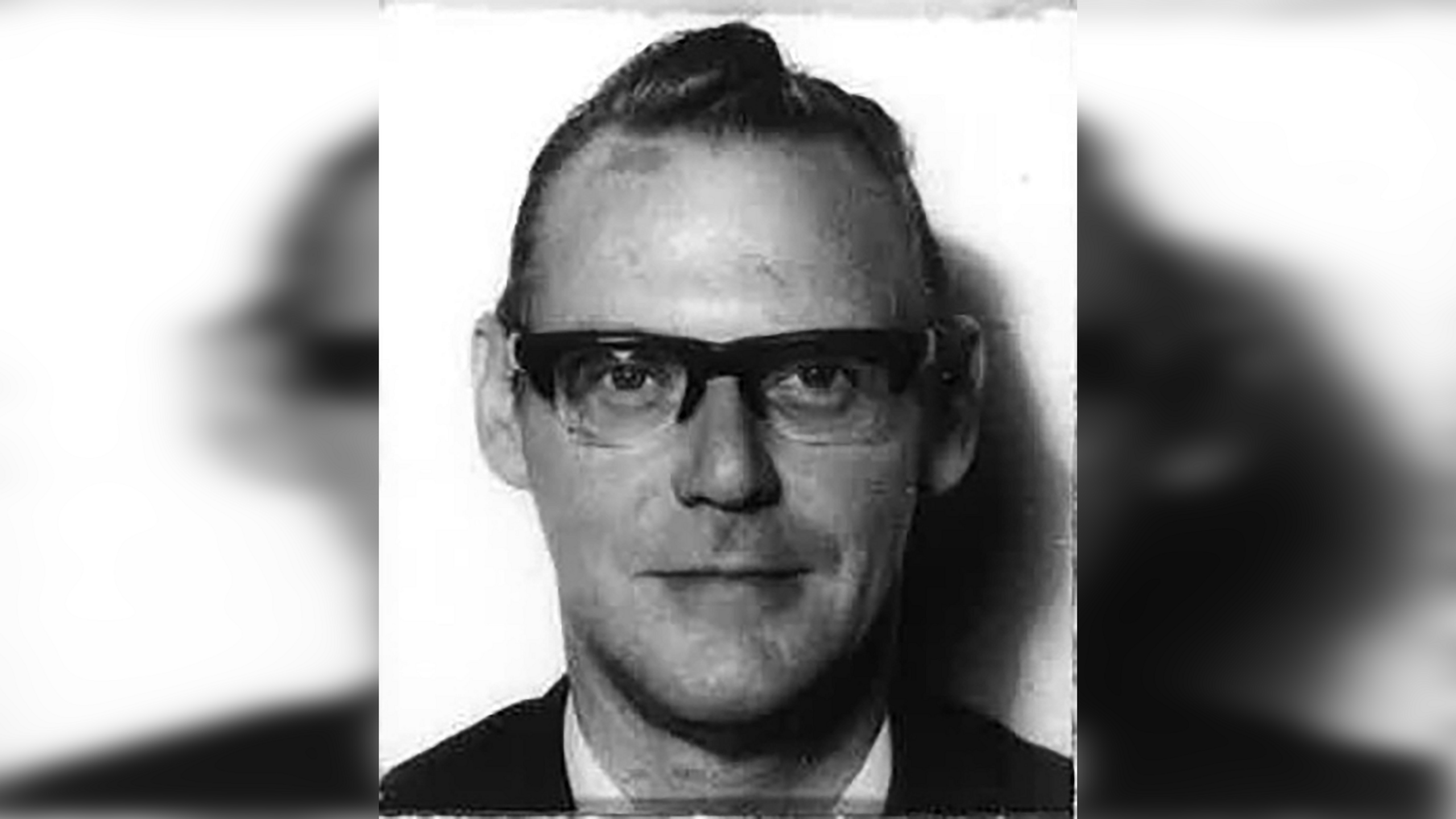
Anthony Littler, a quiet man of simple routines, was 6ft 4ins, worked in the civil service and lived in a flat in East Finchley, north London.
He was devoted to his mother, and often travelled back to St Helens in Merseyside, where he was born and grew up, to visit her.
Anthony’s great passion was real ale. On the last evening of his life he had crossed London for a meeting of the Society for the Preservation of Beers from the Wood at a pub in Carshalton, where he shared five or six pints of bitter with friends.
They said goodbye at closing time.
Anthony travelled back across London, arrived at East Finchley, and turned into the narrow footpath beside the railway line – a shortcut towards home.
Within minutes, he had been attacked with such violence that he never regained consciousness.
To play this video you need to enable JavaScript in your browser.
This video can not be played
“He was a bit like a big brother,” remembers Patricia McLure, one of Anthony’s last surviving close relatives.
“He used to push me around in my pram. He was always there at family birthdays, and he was always there at Christmas.”
Patricia, from Bebington on the Wirral, said that what haunted her was that Anthony wouldn’t have fought back.
“He wouldn’t throw a stone at a dog when he was a kid,” she says. “He was always a kind soul, and to die in such a horrendous way – it’s just so unfair.”
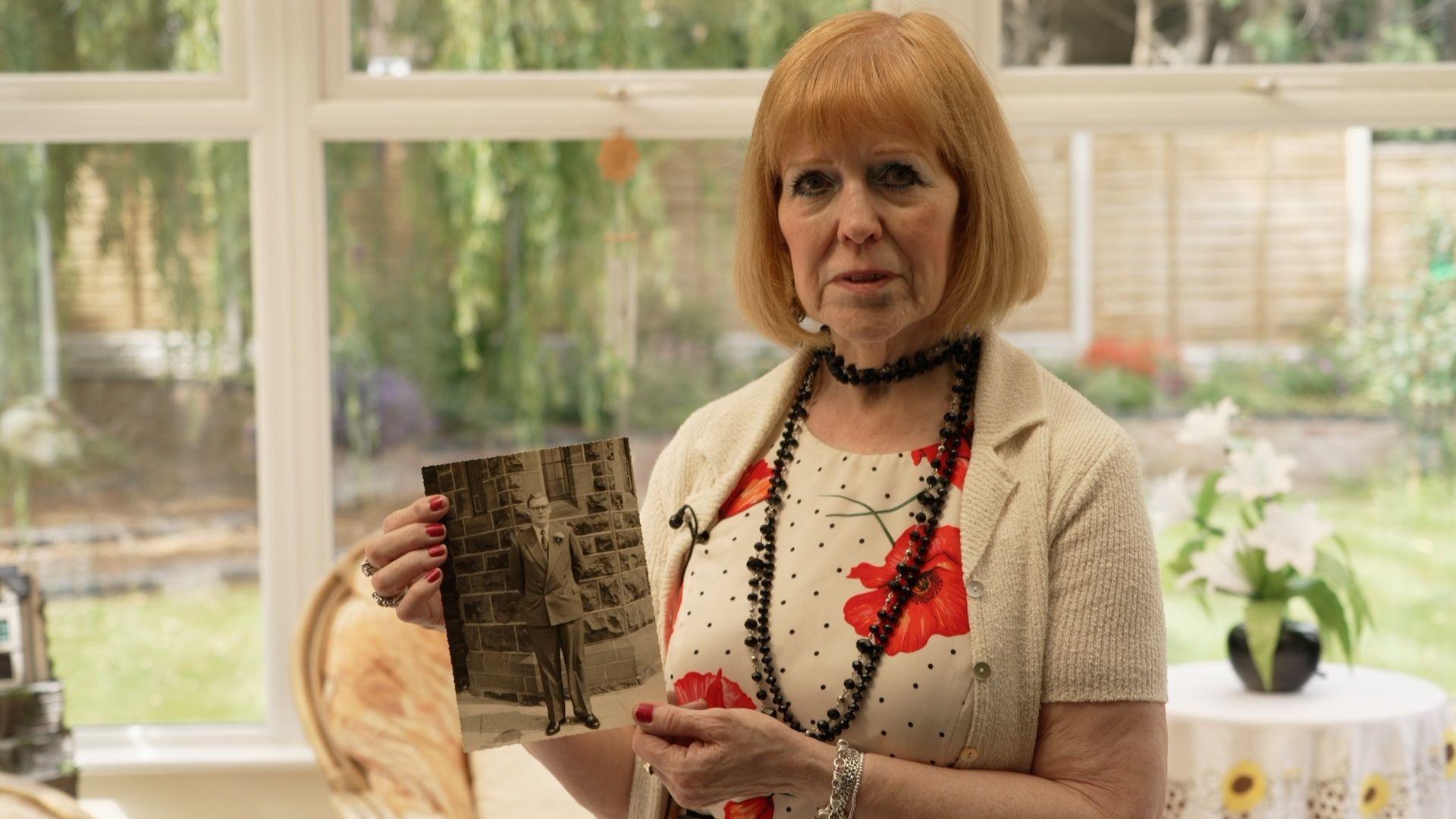
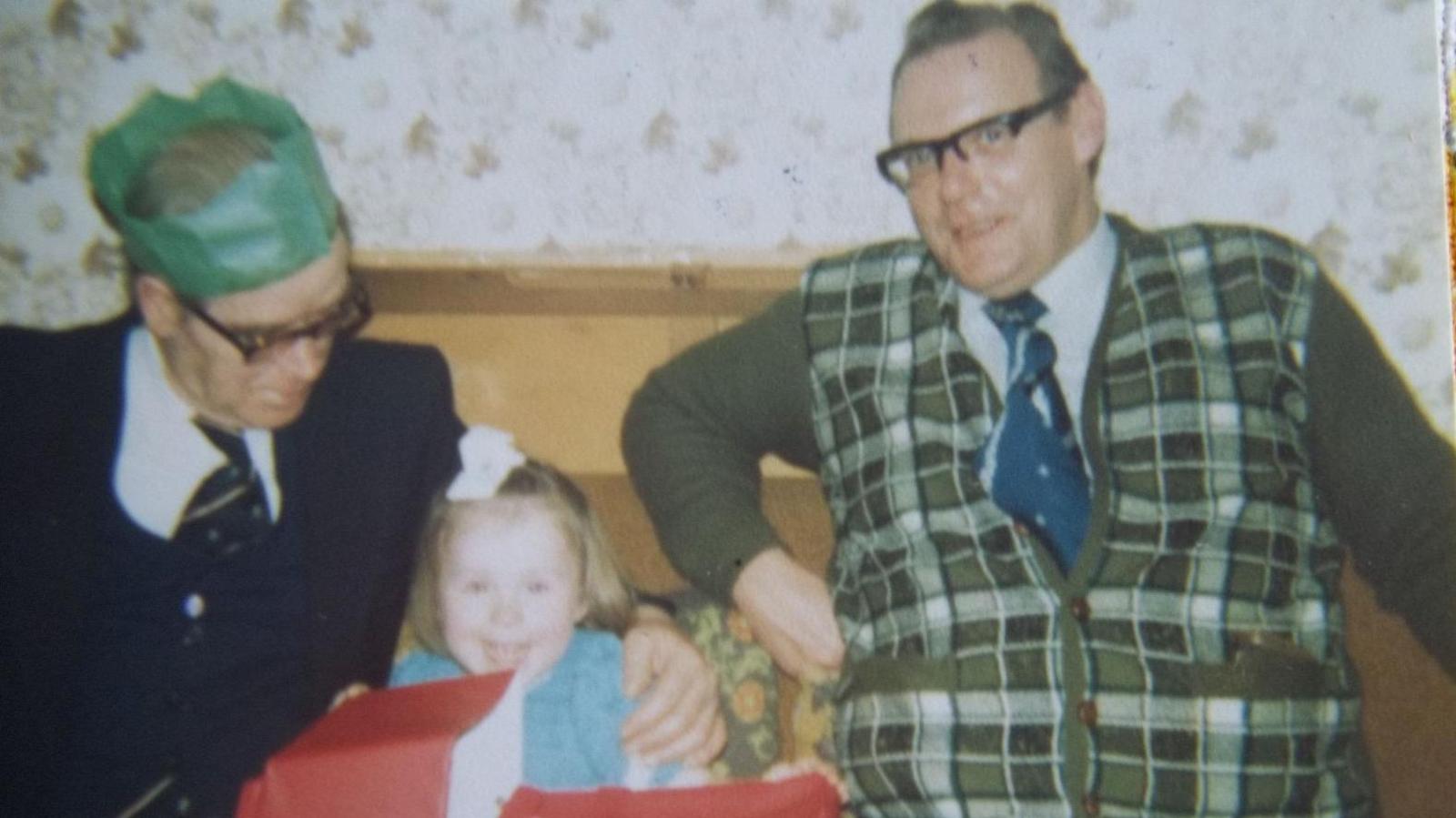 Image source, Family photo
Appeals on ITV’s Police 5 and BBC One’s Crimewatch went nowhere. The inquiry closed in January 1985. A second investigation, in 1993, led nowhere. A third between 2012-2015 also ended with no-one charged.
“I resigned myself to the fact that he was gone and they hadn’t caught the perpetrators,” Patricia says. “It just left an everlasting sadness that was always there. It would surface every Christmas when he wasn’t there.”
For 42 years, she assumed, the killers thought they had got away with it.
“And up to the police doing this investigation,” she says, “they had.”
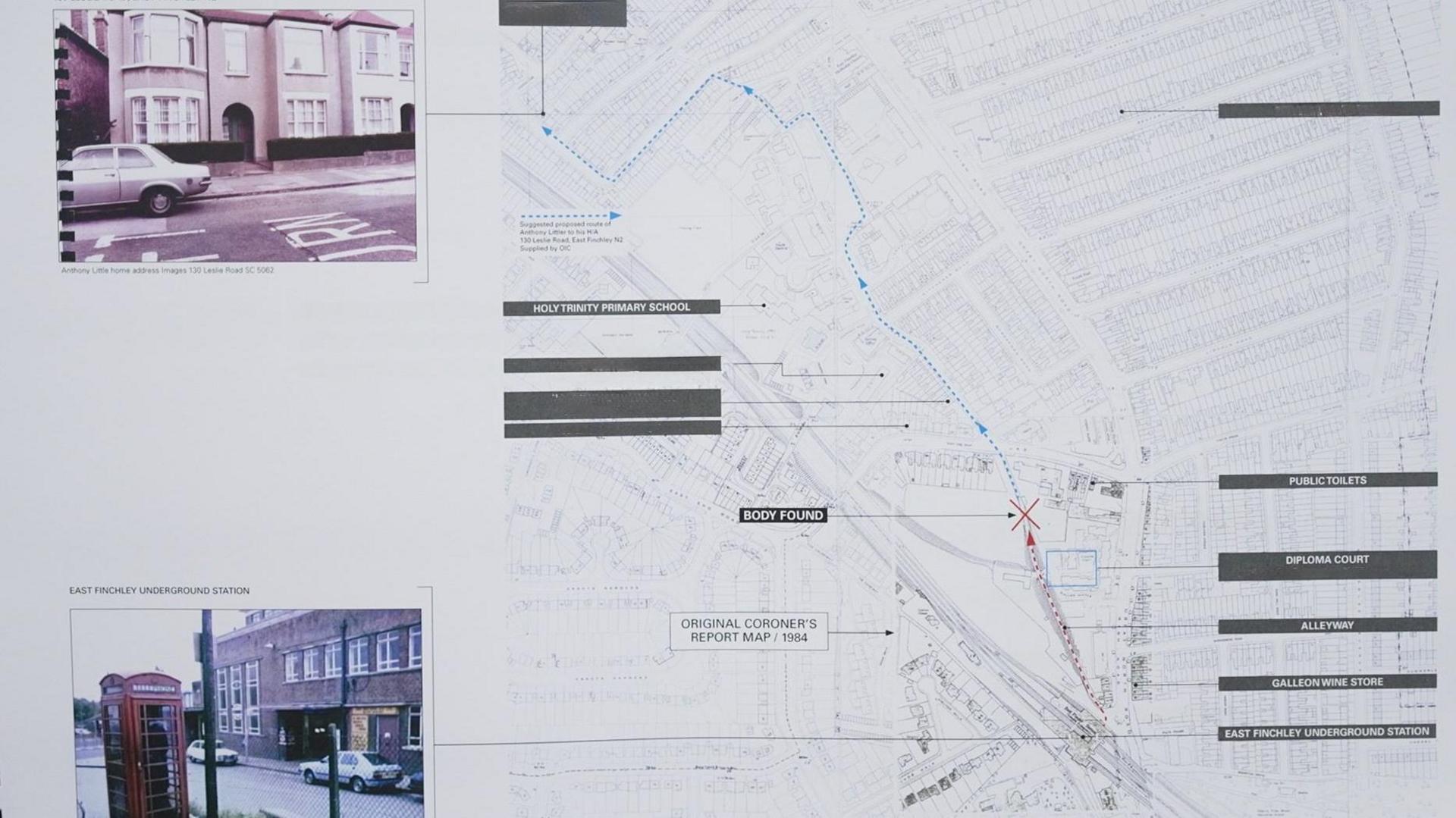 Image source, Ordnance Survey
In the first days of the original Metropolitan Police investigation, officers knocked on a door just a few hundred yards from the alley – the home of the Stewart family. There they spoke to 15-year-old Michael Stewart and, a week later, to his brother Anthony, then 18.
The house-to-house forms recorded both as being safely at home on the night of the murder. On Anthony Stewart’s form was a note: “Does not use alley.”
This wasn’t true, and the court would hear that the brothers had a taste for violence and had been in trouble with police for years.
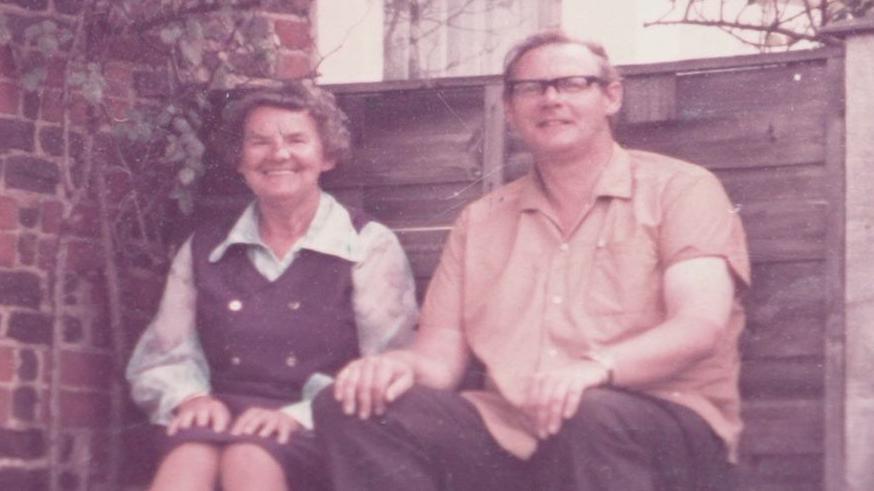
In 2013, the brothers fell out in a bitter dispute. Daniel, the youngest of the three, was not involved in the attack and was only 10 when Anthony was murdered.
During that family dispute, he told police Michael had threatened to burn his house down and kill him.
Then Daniel gave detectives something far more serious: a childhood family secret.
Michael, he said, had boasted about the killing within days of it happening. His brother Anthony had also spoken about it years later.
How undercover police solved 1984 murder of civil servant
Anthony Littler was beaten to death – 42 years later his killers have been caught thanks to an undercover sting
Listen to London Latest on BBC Sounds now.
Daniel told police his brothers used to go out attacking men they believed to be gay and that Littler had been attacked during an attempted robbery that went wrong.
“They just wanted to rob him, but he died,” Daniel told police.
He was not the only one to come forward.
An associate of the family – who cannot be identified for legal reasons – recalled Michael pointing towards the station from a car and saying words to the effect of: “That’s where we killed him.”
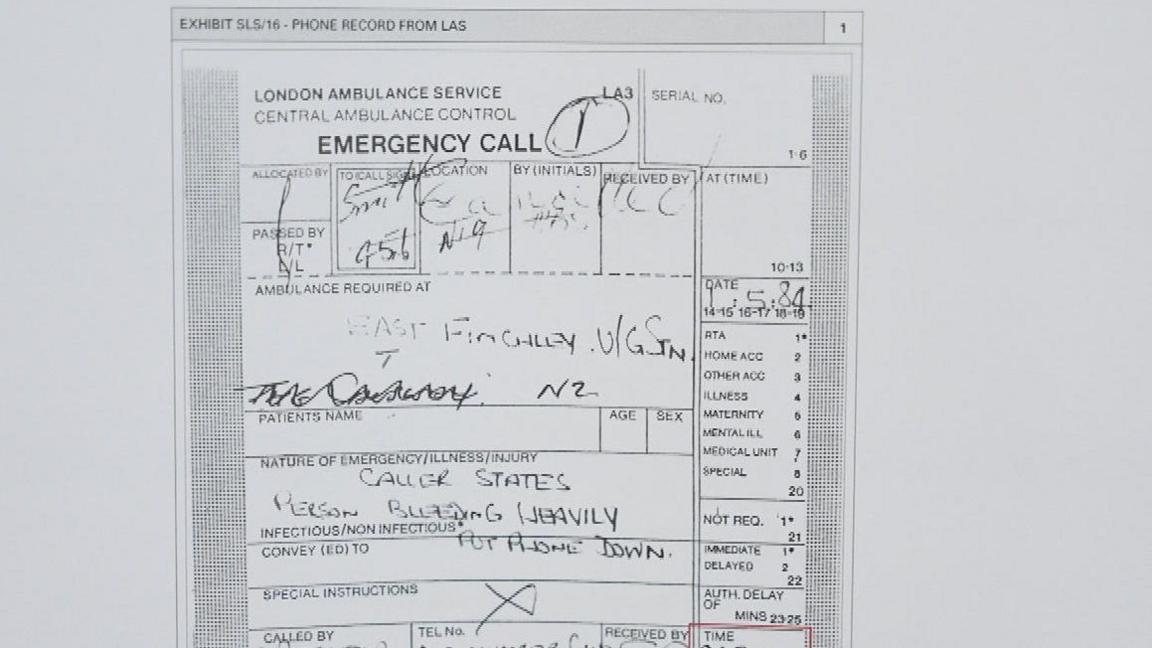 Image source, Metropolitan Police
When Det Ch Insp Neil John arrived at the Met’s Specialist Crime command in 2019, he inherited two legacy cases, including this one.
“There was missing paperwork, missing exhibits,” John says. “No CCTV, no forensics. Every witness that we wanted to speak to had sadly passed away.”
So his team rebuilt the case from what was left.
A museum curator helped decode the 1984 train timetable. Original Ordnance Survey maps were tracked down at the British Library because the streets around East Finchley had changed.
A police search team spent a week in the Met’s property warehouse, going through more than 200 large crates in the hope of finding the missing exhibits.
They found nothing.
But the paperwork, the old witness accounts and the brothers’ alleged admissions had given detectives a route forward.
After working through the material, John believed the case was strong enough to seek approval for a covert operation, which was granted in September 2023 when Operation Snowpitch began.
“I’ve never had a case like it before,” John says. “And I will never have a case like it again.”
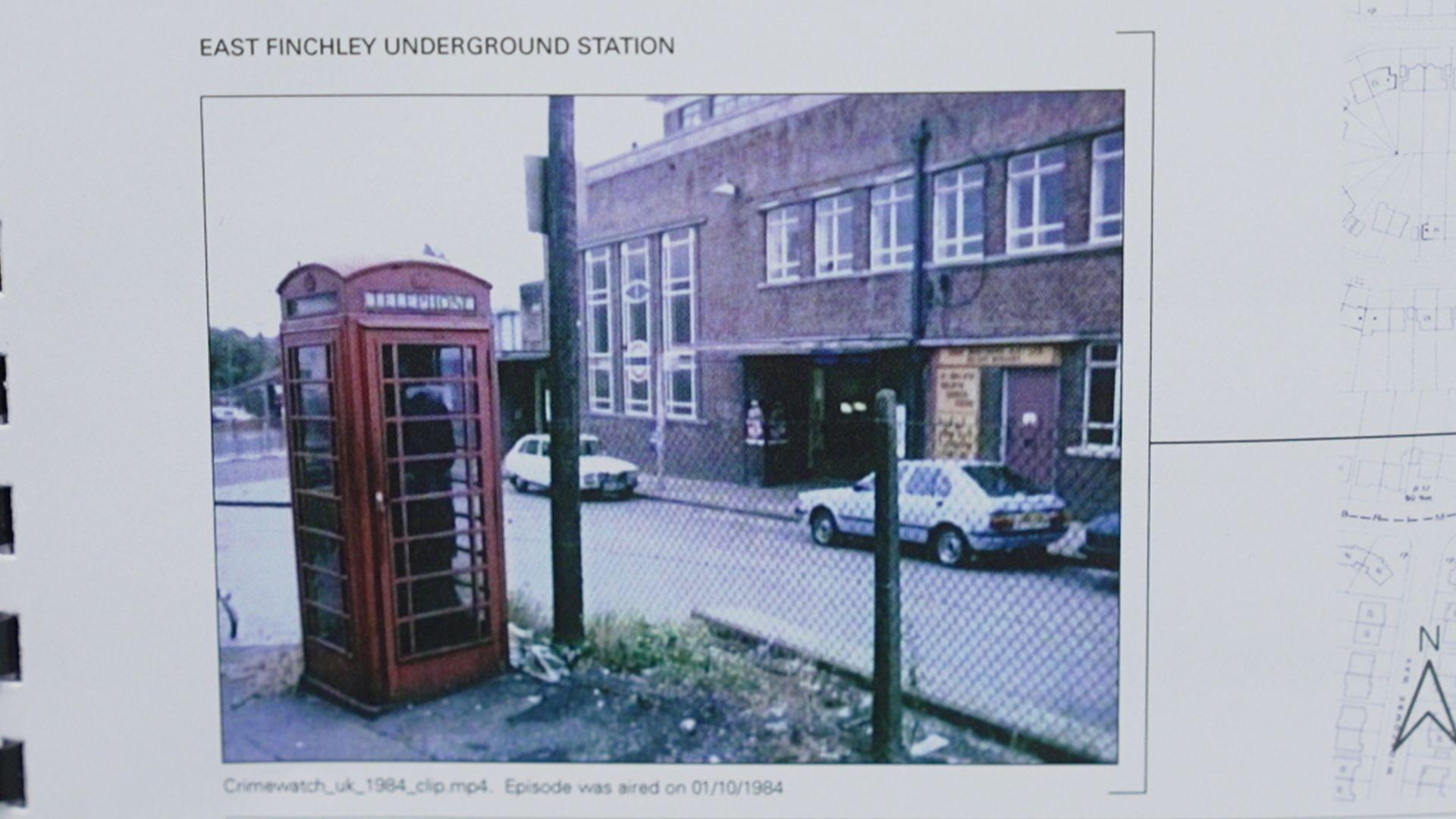 Image source, Metropolitan Police
Operation Snowpitch was all about patience.
Listening devices were hidden in Michael Stewart’s flat and car, and on Anthony Stewart’s car.
But the most important part of the operation was more personal: two undercover officers, known as JJ and Anna, were sent into Michael Stewart’s life.
JJ made the first approach.
He struck up a conversation about a broken lift in Michael’s block of flats. Soon JJ was spending time with Michael – watching gangster films, playing video games and listening to his stories.
Within three months, the relationship with JJ was so close that when Michael Stewart was later arrested for murder, it was JJ he asked to collect him from the police station.
In the car home, Michael talked.
“I know who it was,” he confided to the man he did not know was recording him.
It was his brother and three of his mates, Michael said. They had been out “gay bashing”, they had cornered a man in an alleyway – and they had smashed him over the head, the court heard.
There was no evidence, the court heard, that Anthony Littler was gay.
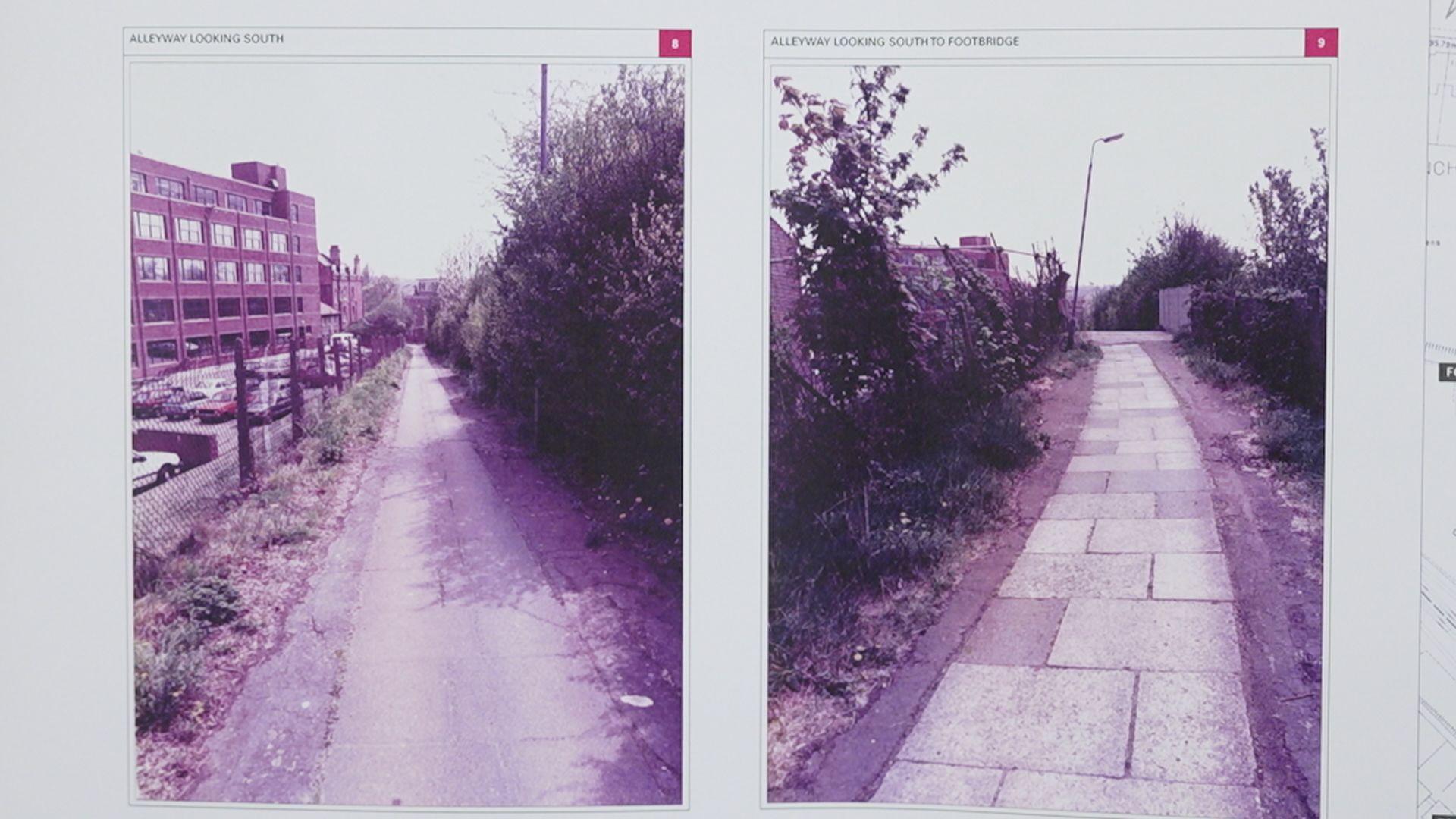 Image source, Metropolitan Police
It became a pattern. Again and again over those months, the court heard, Michael pointed the finger at his brother, always insisting he himself had nothing to do with the killing.
But the recordings kept catching him out.
The other undercover officer, Anna, got to know him separately, and during a covertly captured conversation in a café in December 2023 she put it to him that his nephew had killed somebody.
“My nephew didn’t kill nobody,” Michael replied. “It was my brother.”
By now the investigation had broken cover. Michael had been arrested and questioned about the murder, then released – while, unknown to him, the undercover operation quietly continued around him.
Then, in a police interview in March 2024, came the slip that helped place Michael at the scene.
Denying he had been covered in blood that night, Michael blurted out: “Well if I’m up the top of the alleyway keeping look[out]… how would I have got blood all over me? Come on.”
Nobody – not the police, not his family, not a single witness – had ever accused him of being the lookout, prosecutor John Price KC told the jury.
That detail existed nowhere but in Michael’s own memory of the night.
In trying to talk his way out, he had placed himself at the top of the alley as Anthony was beaten to the ground.
And it explained a mystery, buried in the files since 1984.
Two minutes after the attack, a young man had rung 999 from a phone box near the alley, asking for an ambulance for a man who was bleeding heavily – then hung up without giving his name.
Nothing was found, and the call was dismissed as a false alarm.
Only someone who had been there could have known so quickly, Price said.
That caller, the prosecution told the jury, was 15-year-old Michael Stewart – the lookout, the first to run, raising the alarm for the dying man his own group had left behind.
‘You ruined my cousin’s life’
For Patricia, the knowledge that the men who killed her cousin have finally faced justice stirred an overwhelming thought. “How dare you? You ruined my cousin’s life – and you’ve had a nice life, I assume.
“They’ve had 42 years of freedom, and my cousin has had 42 years of missing out on life. He’s missed out on the possibility of maybe getting married and having a family of his own.
“It’s a sense of relief that justice has finally been done,” she says.
“It’s not going to take away the upset. It’s not going to bring him back. But at long last, he has got closure. They’ve got the blighters.”
Get in touch
Do you have a story to share with the BBC London investigations team in confidence?
Listen to the best of BBC Radio London on Sounds and follow BBC London on Facebook, external, X, external and Instagram, external. Send your story ideas to hello.bbclondon@bbc.co.uk, external
-
-
Published1 June
-
-
-
Published6 December 2023
-


