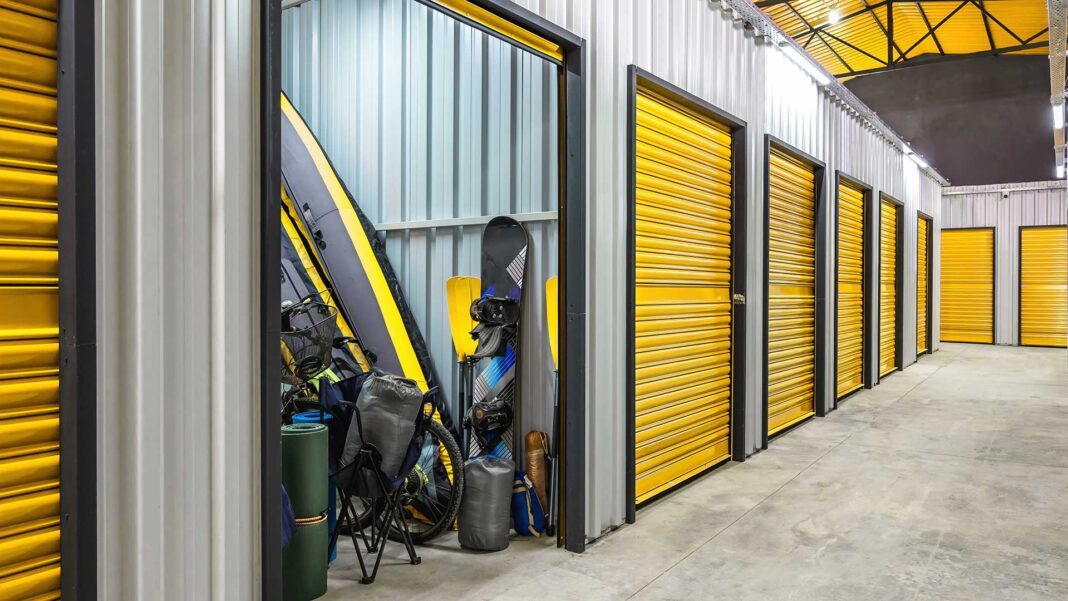

Whether you are decluttering, moving house or keeping business stock on hand, a little planning before you pack makes a big difference to what comes out the other end.
The good news is that preventing mould and moisture damage is mostly about habits rather than expensive equipment. Here is what to focus on.
Why Mould Loves Storage Spaces
Mould needs three things to grow: moisture, warmth and something organic to feed on. Fabric, timber, cardboard, paper and leather all qualify. When items are packed tightly together and left undisturbed for months, any trapped moisture has nowhere to go. Temperature swings between day and night can also cause condensation to form on cooler surfaces, adding to the problem.
In other words, the conditions inside your boxes matter just as much as the conditions inside the unit itself.
Start With Clean, Completely Dry Items
The single most important step is making sure everything is clean and bone dry before it goes into storage. This sounds obvious, but it is where most problems begin.
Wash and fully dry clothing, linen and curtains. Wipe down furniture and let it air out for a day or two. Defrost and dry fridges and freezers thoroughly, then prop the doors slightly open so air can circulate. Clean outdoor gear such as tents, camping chairs and bikes, because dirt and grass residue hold moisture and give mould a head start.
If you have been caught in a rainy moving day, resist the urge to load wet items straight into the unit. A few extra hours of drying time can save you a lot of heartache later.
Pack Smart to Let Your Belongings Breathe
How you pack has a direct effect on airflow. A few simple choices will help keep moisture from building up:
- Use sturdy, good quality cardboard boxes or breathable fabric bags rather than sealed plastic for clothing and linen.
- Avoid wrapping furniture tightly in plastic; use cotton sheets or furniture blankets instead.
- Raise items off the floor using pallets or timber slats so air can move underneath.
- Leave a small gap between your belongings and the walls of the unit.
- Add moisture absorbers or silica gel sachets to boxes holding books, documents, leather and electronics.
- Label boxes clearly so you can find things without unpacking everything on each visit.
Plastic tubs do have their place, particularly for items that are not moisture sensitive or need protection from dust. Just make sure anything going inside them is completely dry, because sealed containers will trap any moisture already present.
Choose the Right Storage Facility
Not all storage is created equal. A well-maintained, weather-resistant unit with solid doors and seals gives you a strong first line of defence against Auckland’s wet weather. Security matters too, because a facility with good access control and CCTV means you can visit regularly without worrying about your belongings in between.
For Aucklanders looking for a convenient option, the Safestore Onehunga branch offers secure, weather-resistant units in a range of sizes, from small spaces suited to a one-bedroom apartment through to large units that hold the contents of a family home. With drive-up access and extended access hours seven days a week, it is easy to pop in, check on your items and let some fresh air through.
Picking the right size unit also helps. Cramming everything into a space that is too small leaves no room for airflow, while a slightly larger unit lets you create walkways and keep items spaced apart.
Check In Regularly
Storage is not entirely set and forget. Visiting every month or two lets you spot early warning signs before they spread. Look for musty smells, water marks on boxes, condensation on surfaces or any discolouration on fabric and timber.
If you do find a problem, act quickly. Remove affected items, let them dry in the sun if possible, and replace any saturated moisture absorbers. Opening the door for a while on a dry, breezy day can also help refresh the air inside your unit.
Take Extra Care With Valuable Items
Some belongings deserve special attention. Important documents and photographs are best kept in archive quality boxes with silica gel. Mattresses should be stored flat or on their side in breathable covers. Electronics should be packed in their original boxes where possible, with cables removed and stored separately. Musical instruments, artwork and antiques may need extra padding and should never sit directly on the floor.
Final Thoughts
Preventing mould and moisture damage comes down to a simple formula: store items clean and dry, pack for airflow, choose a quality facility and check in regularly. With these habits in place, your belongings will come out of storage in the same condition they went in, no matter what the Auckland weather throws at them.
This article was written in partnership with Safestore Containers, offering secure self-storage solutions for households and businesses across Auckland.