
This post was originally published on this site.
Keeping staff records is vital for both legal compliance and operational efficiency. You need to know how long to retain different types of records, from pre-hire documents to termination files. Each category has specific timelines that vary based on regulations and circumstances. Comprehending these requirements can prevent potential legal issues and streamline your processes. Nevertheless, the details can get complex, and knowing the best practices for securing and disposing of these records is fundamental.
Key Takeaways
- Retain employee records for at least seven years post-employment to protect against legal issues and claims.
- Store pre-hire documents, such as applications and resumes, for a minimum of two years.
- Keep Form I-9 for three years after hire or one year after employment ends, whichever is longer.
- Maintain payroll and tax forms (W-4s) for at least four years following termination.
- Hold FMLA records for three years from the last recorded action to comply with legal requirements.
Importance of Employee Record Retention
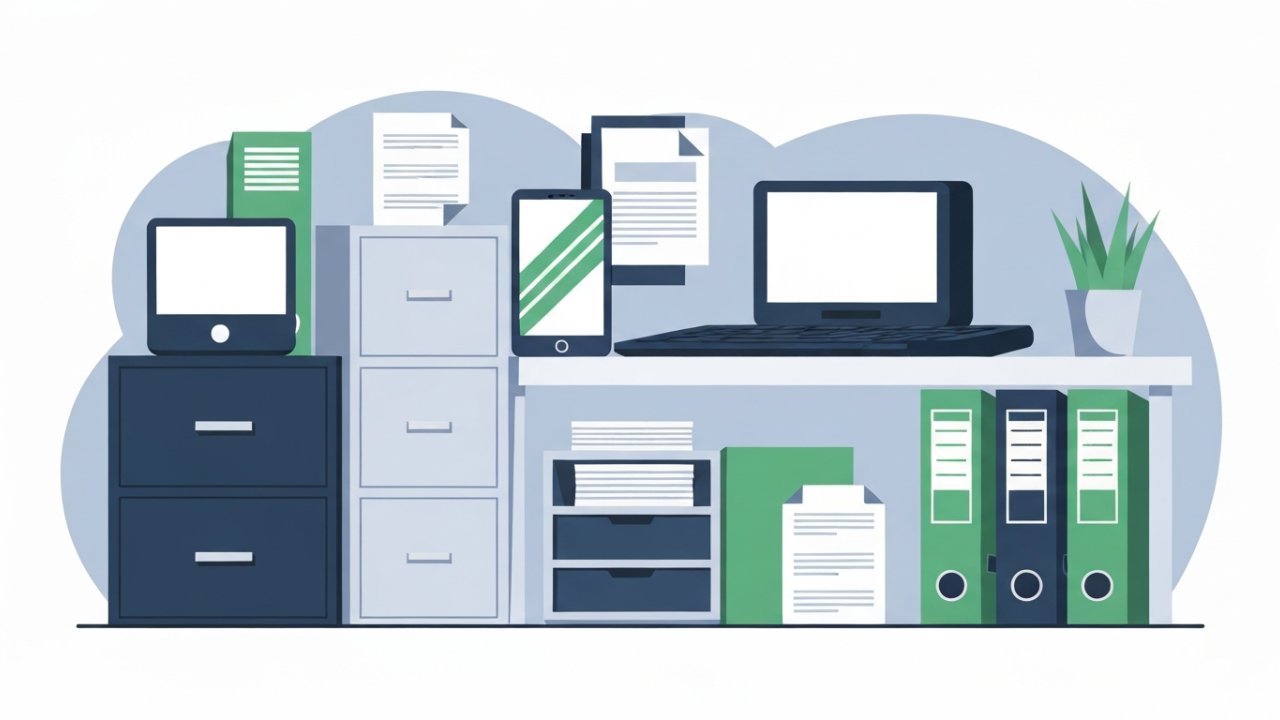
In relation to managing your organization’s human resources, grasping the importance of employee record retention is vital. Comprehending how long to keep employee records can safeguard your organization from potential legal issues. Typically, retaining records for at least seven years post-employment serves as a conservative approach to protect against lawsuits and claims.
It’s important to be aware of employee record retention by state, as specific laws can vary greatly. Proper documentation additionally supports operational efficiency during the retention period while safeguarding employee privacy.
Certain records, like I-9 forms and FMLA documents, have distinct retention requirements that must be followed to maintain compliance with federal regulations. Regular audits of your recordkeeping practices not merely promote accountability within your HR team but also improve your organization’s overall risk management strategy.
Pre-Hire Records Retention
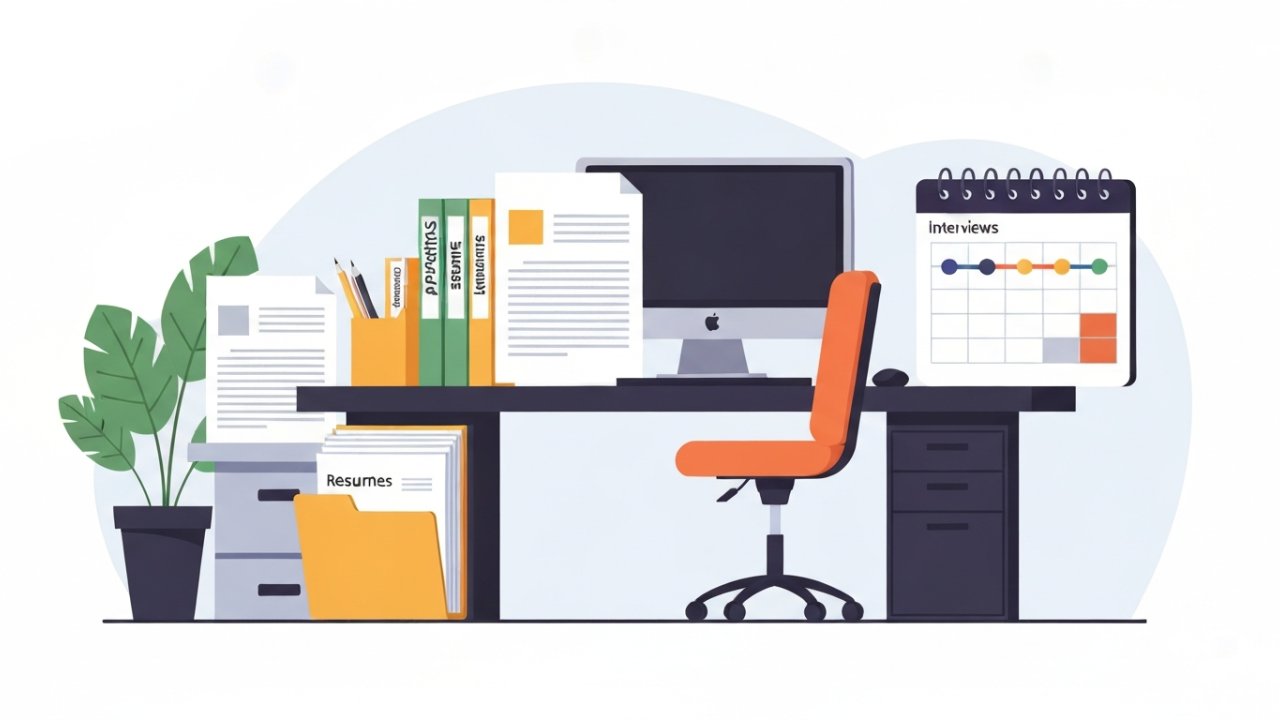
In relation to pre-hire records retention, you need to understand the key documentation types and the guidelines for how long to keep them.
It’s vital to store items like job descriptions, applications, and interview notes for at least two years to comply with legal requirements and support operational efficiency.
Retention Duration Guidelines
Properly managing pre-hire records isn’t just a best practice; it’s vital for compliance and protecting your organization against potential legal issues.
So, how long do you have to keep employee records? For pre-hire documents like job descriptions, applications, and resumes, it’s recommended to retain them for at least two years from the hiring decision date.
This duration likewise applies to background checks and interview notes, ensuring you can effectively respond to any inquiries regarding the hiring process.
[embedded content]
References received during recruitment should be maintained for the same two years.
[embedded content]
By following these retention duration guidelines, you improve your compliance with employment regulations and safeguard against potential discrimination claims.
Comprehending how long to keep employee files is fundamental for efficient record management.
Essential Documentation Types
Grasping the crucial documentation types required for pre-hire records is critical for maintaining compliance and ensuring a fair hiring process.
You should retain job descriptions, applications, resumes, and cover letters for at least two years after the hiring decision. This duration supports compliance with employment regulations and protects against potential claims.
Furthermore, background checks and interview notes must be stored for a minimum of two years to document candidate evaluation. References must be kept for at least two years post-decision for future inquiries.
Comprehending how long to keep payroll records and how long employers can keep employee records further improves your knowledge of how long to keep staff records, ensuring effective management of critical documentation.
Compliance Considerations
Managing pre-hire records is not merely about keeping track of applications and resumes; it’s furthermore a matter of compliance with legal standards. You need to retain these records to protect your organization and adhere to regulations. Here’s a quick reference:
| Record Type | Retention Period |
|---|---|
| Job Descriptions | 2 years |
| Applications & Resumes | 2 years |
| Background Checks & Interview Notes | 2 years from hiring decision |
| References | 2 years post-hiring |
| Employment Eligibility Records (Form I-9) | 3 years or 1 year after employment ends |
Staying compliant not only fulfills legal obligations but likewise safeguards you against potential claims of discrimination or unfair hiring practices. Being diligent in record retention is crucial for a smooth hiring process.
Active Employee Records Retention
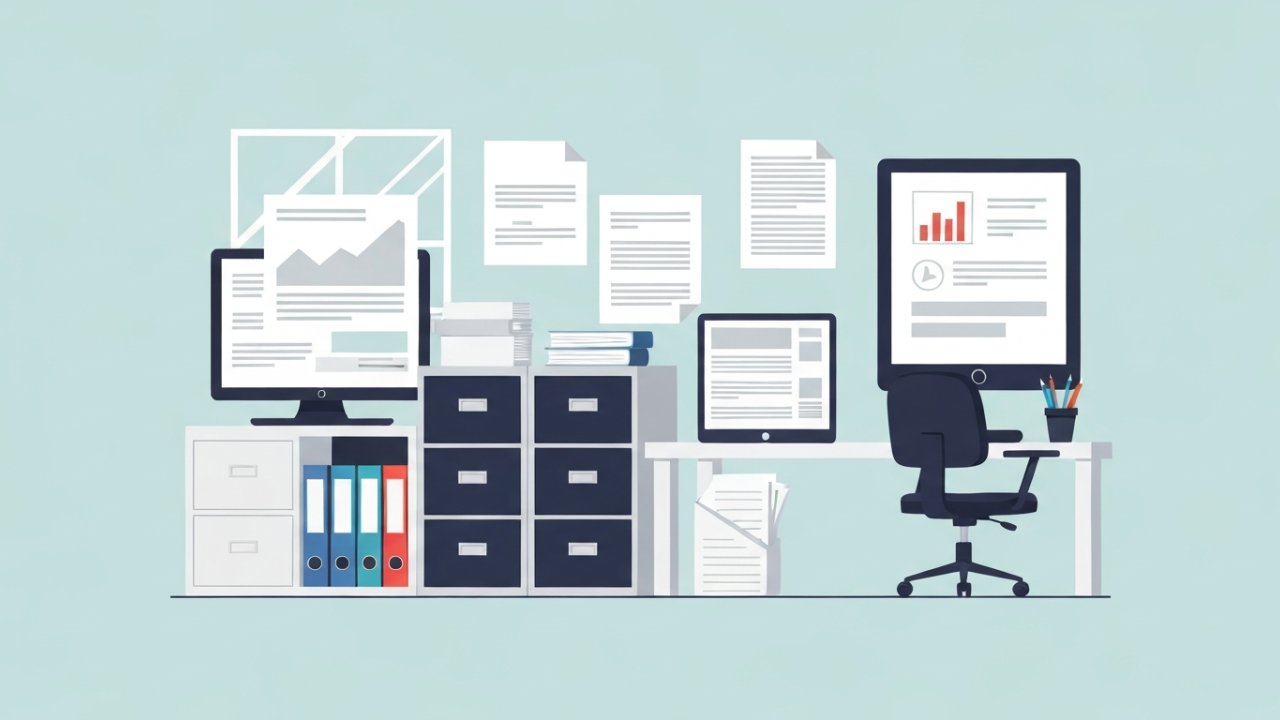
When you manage active employee records, it’s crucial to understand how long to retain them for legal and operational purposes.
Keeping these records organized guarantees compliance and protects your organization.
Here are key retention timelines to remember:
- Employment eligibility records (Form I-9): Retain for three years after the hire date or one year after employment ends, whichever is longer.
- Payroll and tax forms (W-4s): Keep for a minimum of four years following the employee’s termination.
- FMLA records: Maintain for at least three years from the last recorded action.
Additionally, OSHA records related to workplace injuries should be kept for five years after the calendar year they cover, whereas ADA records regarding disability accommodations need to be retained for one year after the last action.
Tracking these timelines helps you stay organized and compliant with regulations.
Termination Records Retention
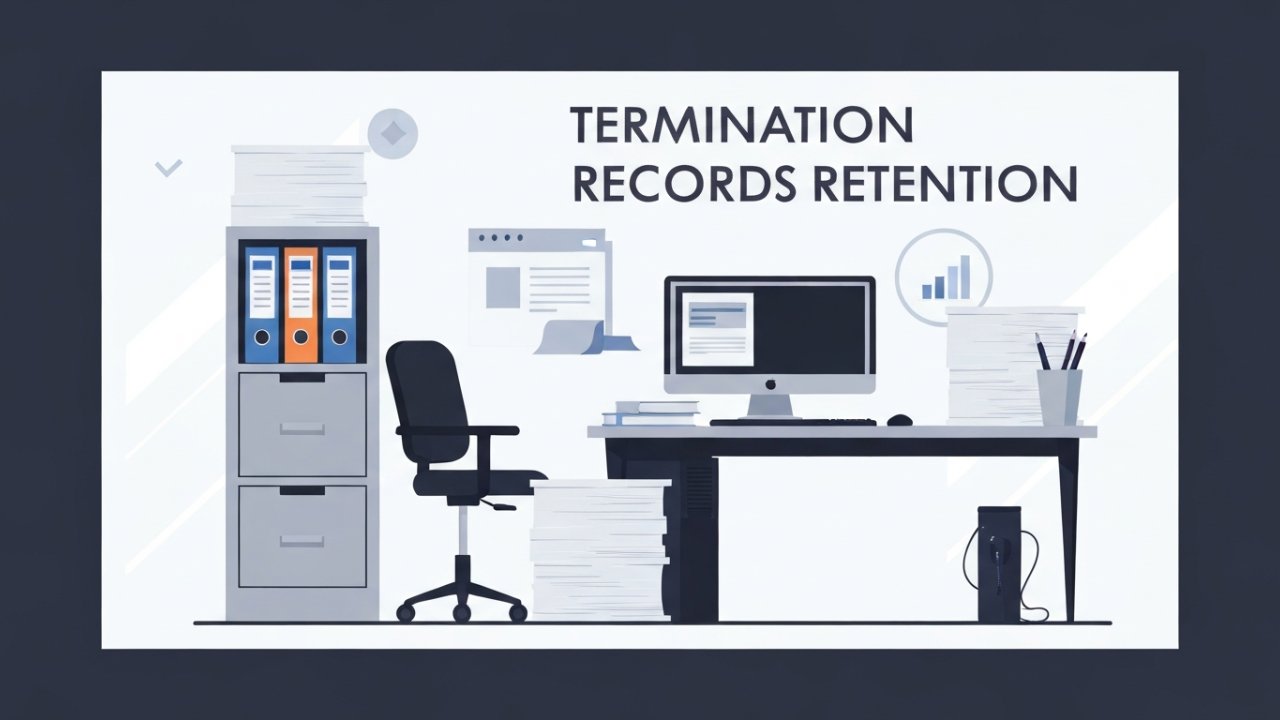
In terms of termination records, knowing the required retention periods is essential for your compliance and protection.
You’ll need to keep records for involuntarily terminated employees for at least one year, whereas exit interviews and termination letters should be stored for five to six years.
Furthermore, handling any disputes related to termination may require you to retain documentation for longer, ensuring you’re prepared for potential claims.
Required Retention Periods
Comprehending the required retention periods for termination records is vital for compliance and risk management.
The Equal Employment Opportunity Commission (EEOC) mandates that records of involuntarily terminated employees must be kept for at least one year.
Furthermore, exit interviews and termination letters should be retained for 5-6 years to effectively manage potential claims.
Severance agreements need to be stored according to your company policy and any applicable jurisdictional requirements, which can differ.
- Involuntary termination records: at least 1 year
- Exit interviews and termination letters: 5-6 years
- Severance agreements: as per company policy
Keeping these records organized is significant for managing and defending against potential employment-related claims.
Handling Dispute Documentation
Maintaining thorough records of any disputes related to termination is vital for effective risk management and compliance. For involuntarily terminated employees, you must retain documentation for at least one year, as mandated by the EEOC.
Nevertheless, to effectively manage potential claims, keep exit interviews and termination letters for 5 to 6 years. Severance agreements should align with your company policy and any relevant jurisdictional requirements, guaranteeing you’re prepared for future disputes.
Moreover, records of disputes may require extended retention beyond typical periods to defend against legal challenges. By keeping extensive termination documentation, you not only safeguard your organization against potential legal claims but likewise guarantee adherence to regulatory requirements, helping maintain a compliant workplace.
Exit Interviews Importance
Exit interviews play a significant role in the retention of termination records, offering insights that can improve organizational effectiveness.
Keeping these records for 5-6 years is crucial, as they provide valuable information about employee experiences and potential organizational improvements. Proper documentation helps in managing any claims related to wrongful termination or workplace disputes and identifies trends in employee turnover.
- Exit interviews serve as evidence in legal challenges, protecting your organization from liability.
- The EEOC mandates retaining records of involuntarily terminated employees, including exit interviews, for at least one year.
- Analyzing exit interviews can contribute to strategic HR planning, enabling you to create a better work environment.
Medical Records Retention
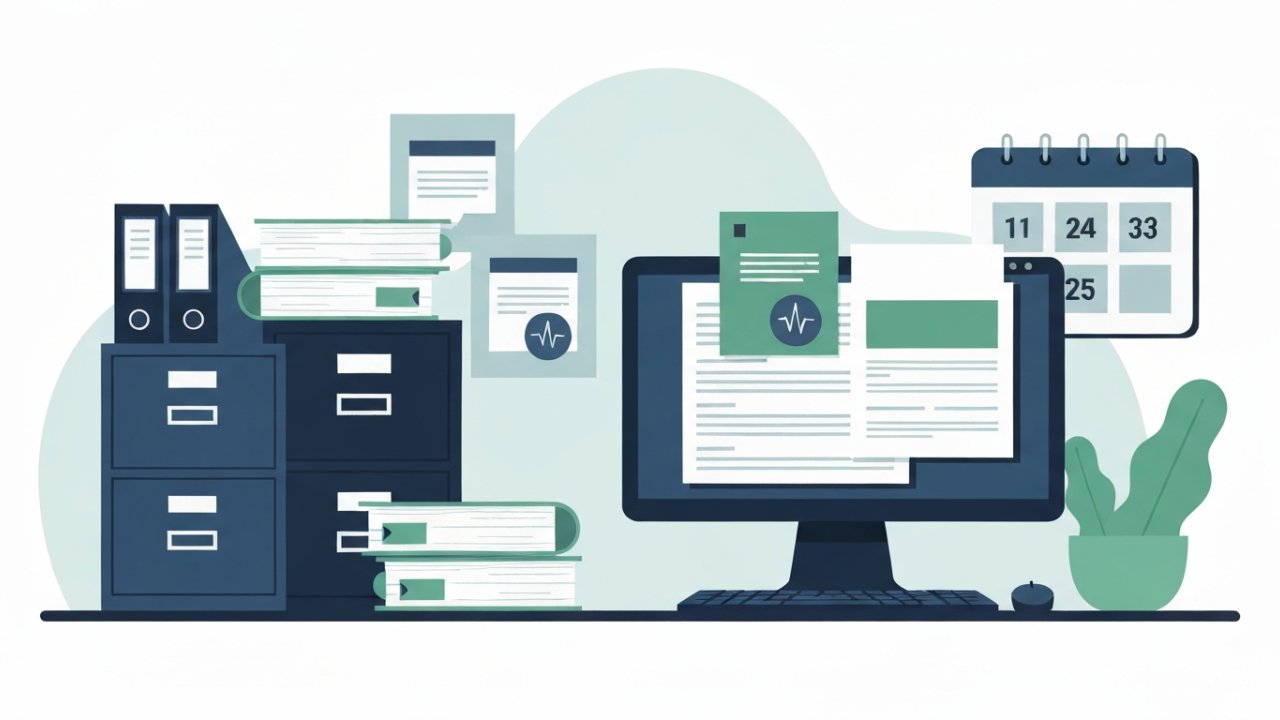
Though it might seem straightforward, comprehending how long to keep medical records is crucial for compliance with various regulations and the protection of employee privacy.
You should retain medical records related to employee health for at least three years following the last treatment date, as required by FMLA and ADA regulations. OSHA mandates that you keep records of workplace injuries and illnesses for a minimum of five years after the incident occurs.
According to HIPAA, medical records must be maintained for at least six years from the date they’re created or last updated. Moreover, records of drug testing and related medical information should be kept for at least one year after the test date.
To guarantee compliance and protect employee privacy, make certain these medical records are securely stored and accessible only to authorized personnel. Keeping these timelines in mind will help safeguard both your organization and your employees.
Compliance With Legal Requirements
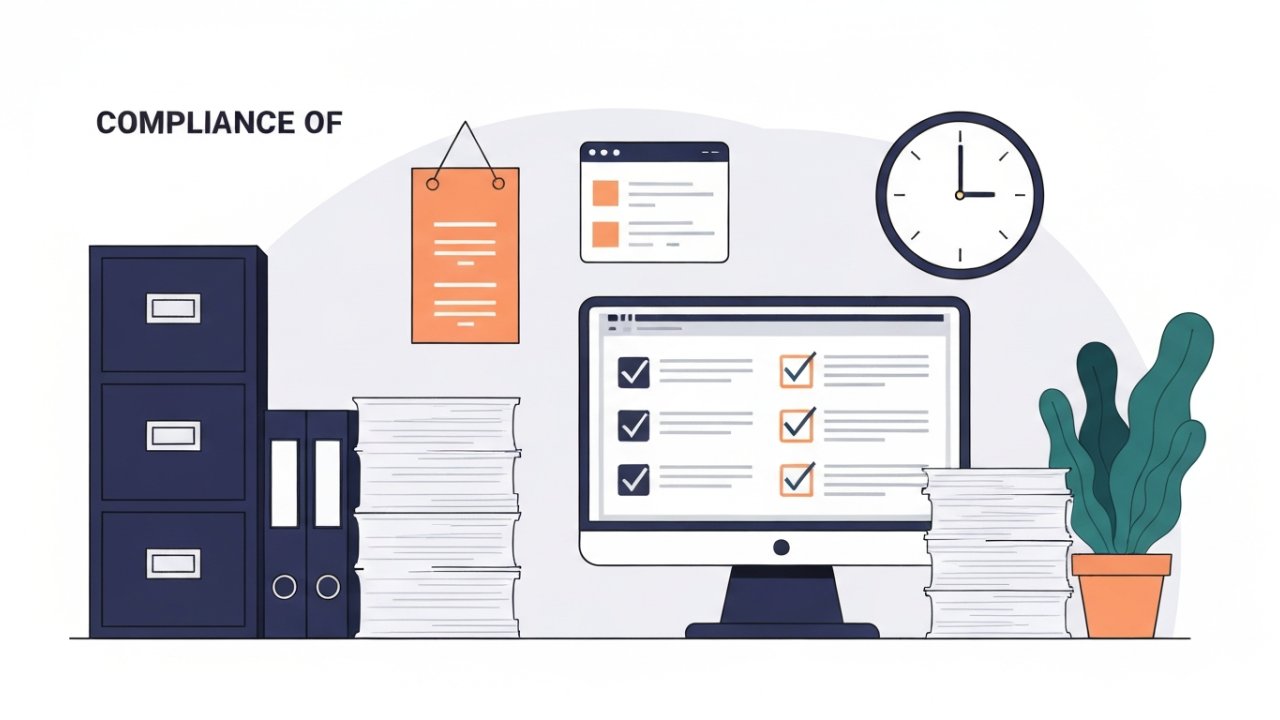
Keeping accurate staff records isn’t just about good practice; it’s also a necessity for compliance with various legal requirements.
Different regulations dictate how long you must retain specific documents, and failing to comply can lead to serious consequences.
Here are some key retention timelines you need to know:
- Employment eligibility records (Form I-9): Retain for three years after hire or one year after employment ends, whichever is longer.
- Payroll and tax forms (W-4s): Keep for at least four years post-employment to comply with IRS regulations.
- FMLA records: Required to be retained for a minimum of three years from the date of the record.
Moreover, OSHA records related to workplace injuries must be kept for five years, and records for involuntarily terminated employees need to be retained for at least one year, as mandated by the EEOC.
Risks of Improper Recordkeeping
When you fail to keep accurate staff records, you open yourself up to serious legal penalties, including hefty fines from agencies like OSHA.
Furthermore, losing sensitive information can lead to lawsuits, which not only drain your resources but likewise damage your organization’s reputation.
It’s essential to understand these risks to maintain compliance and protect your business effectively.
Legal Penalties Imposed
Improper recordkeeping can lead to significant legal penalties that affect your organization on multiple fronts. Failing to maintain accurate employee records can invite scrutiny from federal agencies, resulting in hefty fines.
Moreover, neglecting payroll or tax records can incur penalties and back taxes from the IRS, increasing your financial burden.
Consider the following risks of improper recordkeeping:
- Legal fees and settlements from lawsuits filed by current or former employees.
- Potential loss of government contracts or state licenses because of noncompliance.
- Serious breaches may even lead to criminal charges against executives, damaging reputations.
Being diligent with your recordkeeping practices is essential for avoiding these costly penalties and maintaining your organization’s integrity.
Loss of Sensitive Information
Maintaining accurate staff records is vital, as failing to do so can expose sensitive employee information to unauthorized access and greatly increase the risk of identity theft and data breaches.
If you don’t secure employee records properly, you may face legal penalties, including fines from agencies like OSHA and the U.S. Department of Labor for non-compliance with regulations.
Inadequate disposal practices can result in lawsuits from employees alleging mishandling of their personal data.
For businesses in regulated industries, improper record management might jeopardize licenses or government contracts, disrupting operations.
Furthermore, executives could face criminal charges for serious noncompliance with data protection laws.
Effective record retention policies are important to mitigate these risks and protect your organization.
Best Practices for Document Management

Effective document management is essential for any organization aiming to maintain compliance and protect sensitive information. To achieve this, consider adopting these best practices:
- Implement a centralized cloud-based HR information system (HRIS) to streamline document management, improve security, and guarantee compliance with recordkeeping regulations.
- Regularly audit and review your document retention policies, aligning them with state and federal requirements to minimize the risk of legal penalties for noncompliance.
- Utilize secure disposal methods, including shredding physical documents and employing secure deletion strategies for digital files, to safeguard employee privacy.
Additionally, organize archived records using labeled banker’s boxes and acid-free filing supplies to ease access during audits.
Training your staff on document management best practices is equally important, as it cultivates a culture of organizational accountability and assures accurate, compliant employee records.
Following these steps helps you manage documents effectively as you reduce risks associated with sensitive information.
Digitization and Automation of Records

As organizations endeavor to improve their document management practices, digitization and automation of records play a pivotal role in streamlining processes and increasing efficiency.
By adopting cloud-based HRIS platforms, you can centralize and secure employee files, guaranteeing efficient access and compliance with retention regulations. Digitization eliminates the need for physical copies, which reduces management overhead and minimizes the risk of lost or damaged documents.
Automated systems with strong access permissions protect sensitive employee information, allowing for quick document retrieval as they maintain privacy.
Furthermore, implementing regular backups in digital systems safeguards your data integrity and security against potential loss. Automation likewise streamlines document management processes, enabling HR teams to shift their focus from tedious manual recordkeeping tasks to strategic initiatives that drive organizational success.
Embracing these technologies not only improves efficiency but also guarantees your records are managed in a compliant and secure manner.
Secure Disposal of Outdated Records

In relation to secure disposal of outdated records, grasping the proper methods is crucial for protecting sensitive employee information.
You must take care when disposing of both physical and digital records to guarantee confidentiality and compliance with privacy laws.
Here are some key practices to follow:
- Shred physical documents to prevent unauthorized access to sensitive data.
- Use secure deletion strategies for digital records, assuring all data is permanently removed from all storage locations, including cloud backups.
- Maintain a structured system for tracking destruction dates, assuring timely disposal of records that have surpassed their retention period.
Regular Audits and Reviews

Regular audits and reviews of employee records are essential for maintaining compliance with legal requirements and your organization’s document retention policies. By conducting these audits regularly, like quarterly or annually, you can guarantee adherence to these policies and minimize the risk of penalties.
| Benefit | Impact |
|---|---|
| Identify Issues Early | Prevent potential legal disputes |
| Promote Accountability | Guarantee HR understands record management |
| Continuous Improvement | Keep retention processes up to date |
| Update Retention Schedules | Align with changing regulations |
These regular checks not just help maintain organized records but serve as an opportunity to review and update retention schedules according to evolving business needs. By being proactive, you create a culture of accountability, reinforcing the importance of proper record management within your team.
Global Considerations for Record Retention
Understanding global considerations for record retention is crucial for organizations operating in multiple countries. Different legal requirements can impact your record-keeping practices notably. To guarantee compliance, you must understand local regulations and their implications.
- The European Union’s GDPR limits personal data retention to what’s necessary for its intended purpose.
- Specific retention periods for payroll or health records can vary widely, especially compared to U.S. standards.
- Noncompliance may lead to hefty fines and legal repercussions, emphasizing the importance of a robust policy.
For multinational companies, developing a thorough record retention policy that addresses diverse legal obligations across jurisdictions is vital. This approach helps mitigate risks and maintains compliance with the varying laws governing employee records.
Frequently Asked Questions
How Long Should You Keep Old Employee Records?
You should keep old employee records for various durations depending on the document type.
For instance, retain Form I-9 for three years after hiring or one year post-employment, whichever is longer.
Payroll records must be kept for at least four years because of IRS rules.
FMLA documents need preservation for three years, whereas OSHA records require a minimum of five years.
Exit interviews and termination letters should be stored for five to six years.
What Records Should Be Kept for 7 Years?
You should keep several records for seven years to guarantee compliance and protect against legal issues. This includes employee payroll records, W-2 forms, and tax documents.
Furthermore, maintain FMLA records for at least seven years, especially if disputes arise. Records related to workplace injuries, involuntary terminations, performance evaluations, and disciplinary actions are likewise essential.
[embedded content]
Retaining these documents helps safeguard your organization against potential audits, claims, and legal challenges in the future.
What Records Should Be Kept for 10 Years?
You should keep several records for 10 years to safeguard against potential legal issues.
This includes employee injuries and illnesses, termination records, and severance agreements.
Retaining performance reviews and disciplinary records for this duration can likewise help defend against wrongful termination claims.
Furthermore, consider holding onto employment eligibility records longer than the standard requirement, as this conservative approach guarantees compliance and protects your organization from unforeseen disputes.
Why Do Jobs Keep Record for 7 Years?
Jobs keep records for seven years to comply with legal requirements and protect against potential claims.
This period aligns with the statute of limitations for discrimination and wrongful termination, which often ranges from two to six years. Furthermore, it meets IRS standards for payroll and tax documents.
Conclusion
In summary, comprehending how long to keep staff records is vital for compliance and operational efficiency. Retaining pre-hire records for two years, active employee records for seven years, and termination records for one to six years helps protect your organization legally. Don’t forget to securely dispose of outdated documents and conduct regular audits to maintain accuracy. By implementing effective record-keeping practices, you guarantee compliance with regulations during the process of safeguarding sensitive information, eventually supporting your organization’s success.
Image via Google Gemini