
This post was originally published on this site.
How weight-loss medication is changing relationships with alcohol
 Image source, Peter Cade/Getty Images
-
Published
When Lisa Rees took her first dose of weight-loss medication in April, she hoped she would end up losing a few kilograms.
What she did not expect, though, was the side effect she has described as the drug’s “best benefit”: as well as eating less food, she has been drinking much less alcohol.
Lisa used to drink two bottles of wine on a night out, but now, after she has had a couple of glasses, the 46-year-old from South Wales finds that she “just physically cannot drink another drop”.
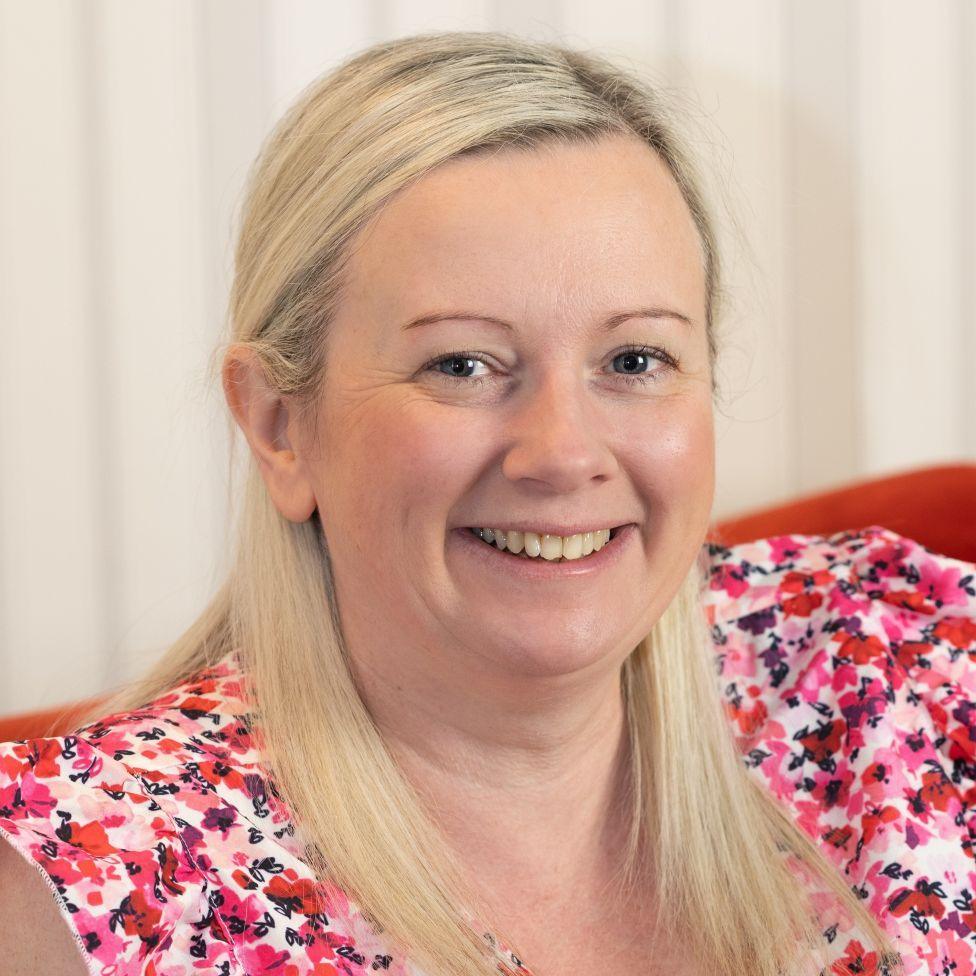 Image source, Albane McGuinness
There is a growing body of research into the link between weight-loss drugs and alcohol consumption.
The drugs, with brands including Wegovy, Mounjaro and Ozempic, contain semaglutide or tirzepatide, which mimic a natural hormone called GLP-1. This suppresses appetite and keeps people feeling fuller for longer, helping them to lose weight.
Early research suggests that because these drugs affect the reward response in the brain, they can reduce cravings for substances including alcohol and nicotine, says Dr Christian Hendershot of the University of South Carolina.
He published a small-scale study, external in 2025 in which participants with alcohol use disorder craved alcohol less while taking Ozempic. Alcohol use disorder, sometimes referred to as alcoholism, is described by the NHS as drinking in a way that is harmful.
A study, external from the University of Colorado Anschutz published last week also suggested that GLP-1 medications in pill form led to fewer days of heavy drinking in people with mild to moderate alcohol use disorder.
People taking the drugs told BBC News that alcohol had affected them in different ways: some said their cravings for it had gone, drinking had made them feel nauseous or uncomfortably full, or they had got drunk more quickly. Others said they had not noticed any effect on their relationship with alcohol.
Before she started taking Wegovy, Lisa says she drank between six and eight bottles of wine a week with friends. But she had sometimes worried about whether this was too much and whether it could damage her health.
NHS guidance, external is that people should not drink more than 14 units a week on a regular basis, which is about six medium glasses of wine or six pints. Drinking too much in the long term can lead to liver damage, high blood pressure and increased risk of cancer.
Lisa says that since starting on the medication she has more than halved her consumption. At a recent day festival, she drank three glasses of wine over the course of nine hours. Previously, she would have had two bottles plus a couple of vodka mixers, she says.
Alcohol has always been a big part of her social life and when she stopped drinking for a few weeks in the late 2010s, she realised friends had stopped inviting her to social events. It led her to start drinking again.
This time round, Lisa says that she still looks forward to drinking wine, but after having a couple of glasses she simply cannot stomach any more.
“I still feel involved in things because I’m still drinking but drinking a lot less,” Lisa says.
For years, Warren Thomas, 45, from Colchester, had enjoyed an occasional beer with his family after work, as well as one or two heavy drinking sessions with his friends each month.
But when he spoke to his friends on weight-loss medication about his plans to start taking Mounjaro, they warned him that it could affect how much he drank.
Warren says he noticed the effect within 24 hours of his first dose in mid-June. “I just don’t want to drink,” he says. “I’ve just got no appetite for it.”
When he went out for his friend’s birthday last month, he felt “light-headed and a little bit giddy” after two beers, he says.
“My tolerance level to drinking is now zero,” he says.
There is no formal advice in the British National Formulary, a guide to dispensing medicine used by doctors and pharmacists, about whether people on weight-loss drugs should stop drinking alcohol, says Prof Russell Hearn, a GP and professor of medicine at King’s College London.
But he gives careful advice to his patients. “Alcohol has a lot of calories in it and if your goal is to lose weight, drinking less will definitely help you with that alongside changing your diet while you’re on a GLP-1,” he says.
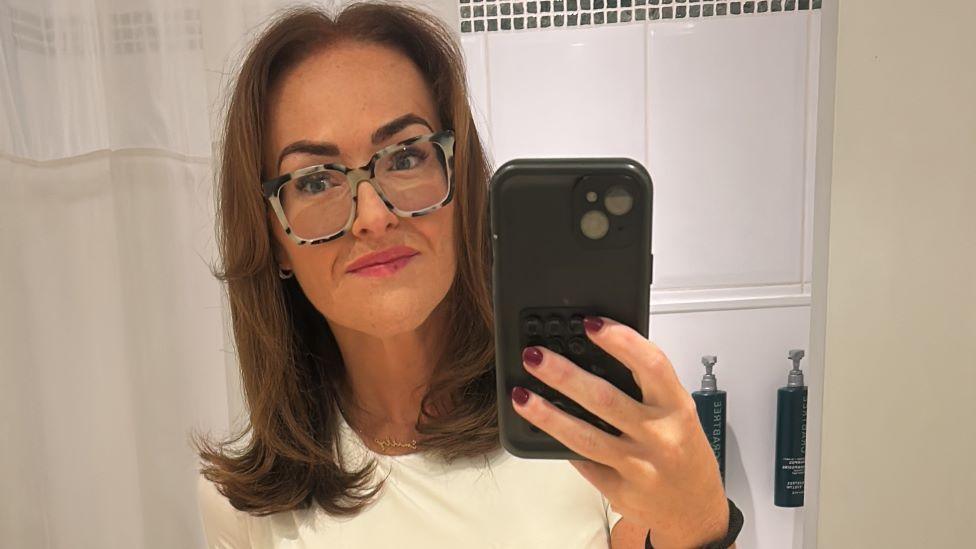
For people like Lisa and Warren, drinking less alcohol has been a happy bonus. But recent graduate Faye Goodwin, 20, feels that it has hampered her social life.
When Faye drinks she says she gets nauseous very quickly and sometimes throws up or gets bad acid reflux.
Faye, who got in touch with BBC Your Voice, has been taking Mounjaro since she was 18 and does not really know what it is like to drink alcohol without the impact of weight-loss medication. But she says she once took a month off the jabs and was able to drink without experiencing any nausea.
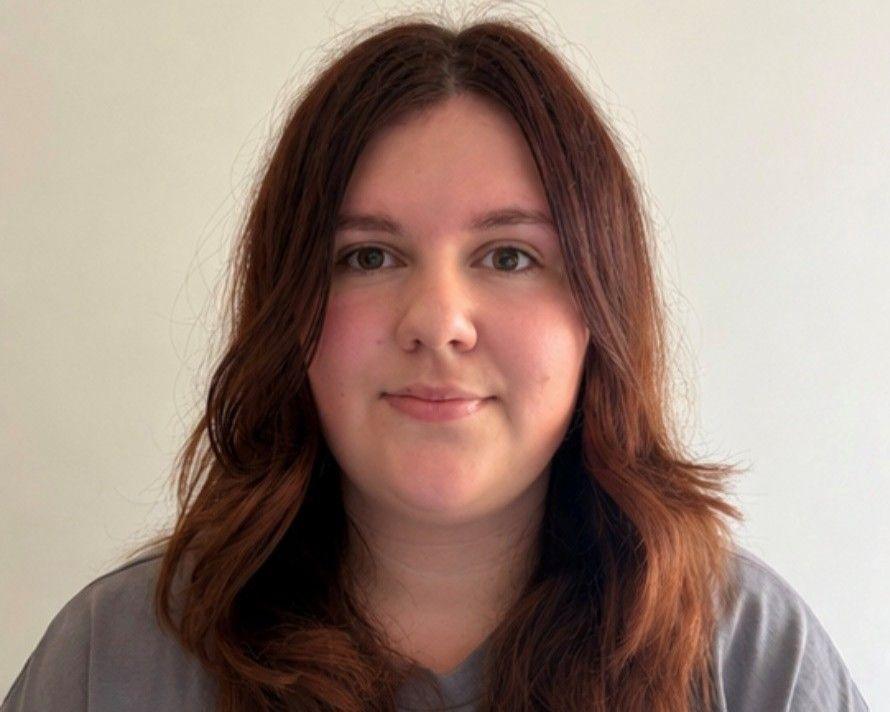 Image source, Faye Goodwin
At her age, alcohol is an important part of her social life, she says.
Sometimes if she is due to go on a night out on injection day, she delays her jab by a day because she feels the impact of her medication on alcohol is the strongest in the day or two after she injects.
She has occasionally turned down plans with friends if she has already taken her dose of medication that day.
When she does drink, she usually consumes much less than everyone else. She feels this has affected her ability to form and maintain friendships, and made it hard for her at university in Cambridge when a lot of social events revolved around alcohol.
“It was difficult to enjoy it knowing I’d have to sit there sober while everyone else has a good time drinking, and oftentimes if I have tried to drink even a glass of wine or something I can’t finish it because of the overwhelming nausea,” she says.
Observational studies of the general population suggest that people drink less overall when on weight-loss drugs, but the clinical trials to date have focused on people with alcohol use disorder, rather than occasional drinkers.
Data is “accumulating very quickly”, says Hendershot, adding that some facilities in the US are already prescribing the medication off-label to people with alcohol use disorder.
Larger studies, with more participants and carried out over a longer period of time, are needed before it can be approved by regulators for the treatment of alcohol use disorder, says Dr Joseph Schacht, who carried out the study on weight-loss pills and alcohol.
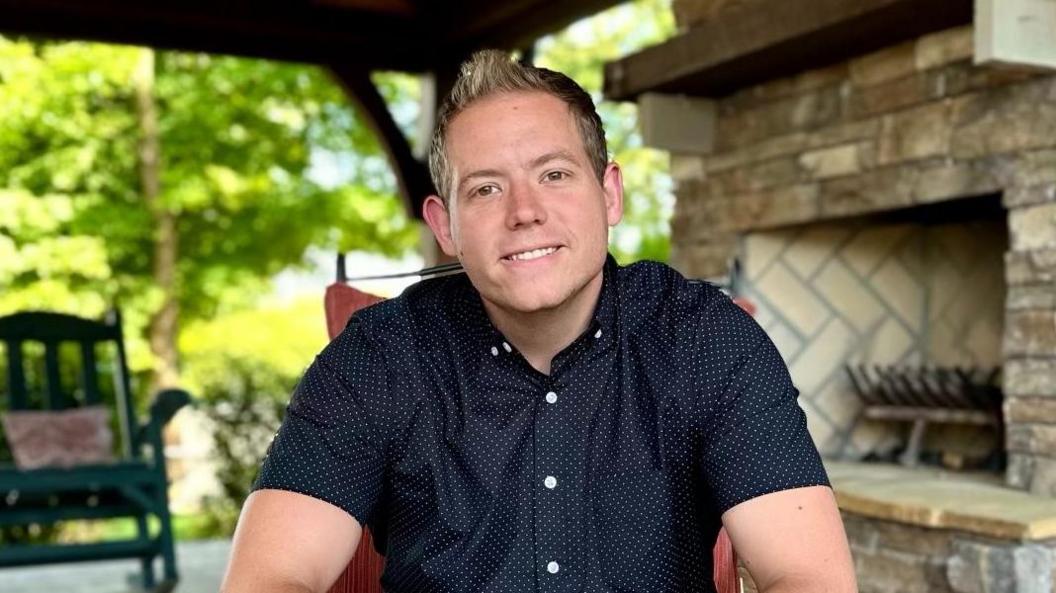
 Image source, Dr Darren Quelch
There are still unanswered questions around whether it is safe for people without obesity and diabetes to use the drugs for addiction treatment, and whether they will be affordable, says Dr Darren Quelch, who researches addiction at the University of South Wales.
The drugs can also have a number of side effects, including rare but serious pancreatitis.
Researchers are also looking into whether GLP-1 medications could be a treatment for other addictions, including smoking and opioids.
Warren says starting on weight-loss jabs has put him off going out for drinking sessions with friends. “I don’t really want to do it… I’ve just got no real desire for drinking.”
Though he never saw his drinking as problematic, it has still been a welcome change. “To cut it out completely has been very refreshing, without really trying,” he says.

Get in touch
Have you been affected by issues covered in this story?
-
-
Published20 September 2025
-
-
-
Published1 August
-