
I do not have confidence UK is safe from Russian threats – Swinney
To play this video you need to enable JavaScript in your browser.
This video can not be played
-
Published
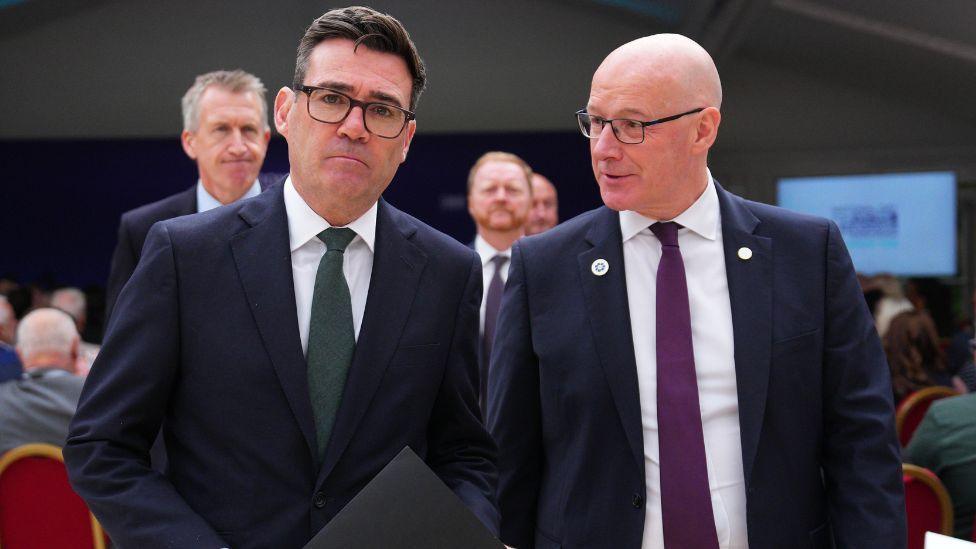
First Minister John Swinney says he does not have confidence the UK is safe from potential Russian threats.
The SNP leader said the UK government, which is in charge of Britain’s defences, did not have a sufficient “presence” in vulnerable areas off Scotland’s coast.
He said he was “very worried” by security fears highlighted this week by the head of MI5, Sir Ken McCallum, who named Russia as “aggressor number one”.
Speaking to BBC Scotland News ahead of the SNP’s annual conference, Swinney also denied that independence would weaken Scotland’s security.
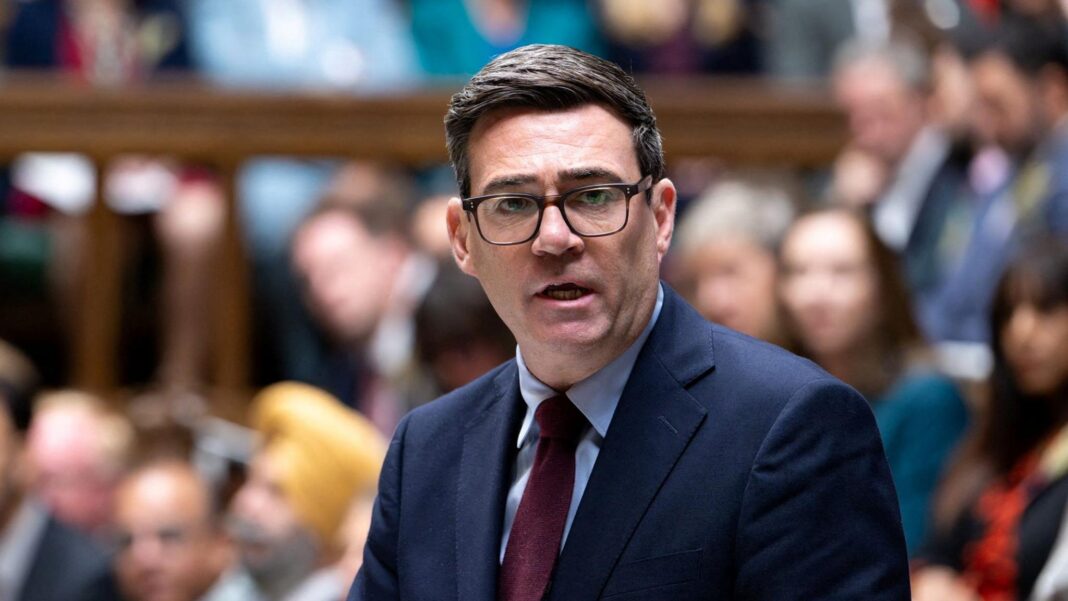
Prime Minister Andy Burnham has said his government is committed to investing in defence, including nuclear deterrence, while not seeking to escalate tensions with Russia.
-
MI5 chief warns of threats to UK from Russia, Iran and AI
-
Published1 day ago
-
-
Burnham to visit Scotland during SNP conference
-
Published1 day ago
-
-
No probe into claims Swinney misled Holyrood
-
Published2 days ago
-
Asked about the MI5 chief’s comments, the first minister said he was “very worried” about a “lack of coastal and offshore protection”.
He identified waters north of Shetland as an area of significant Russian activity.
“I don’t think we’ve got nearly the presence in those areas that we require today,” he told BBC Scotland News.
“There’s an obligation on the United Kingdom government to make sure that the country is safe. And I don’t think the defence posture of the United Kingdom enables me to have that confidence.”
Scotland is home to the UK’s nuclear submarine fleet at Faslane, west of Glasgow. The SNP wants those weapons to be removed, but is in favour of an independent Scotland joining Nato.
Swinney insisted that independence would not hamper Scotland’s security, but rather give the country “more choices”.
The SNP leader said he had “always been a believer in defence co-operation between Scotland and other countries”, citing Canada joining the EU’s SAFE defence programme, external.
Responding to the first minister’s comments, a Ministry of Defence Spokesperson said:
“The first duty of government is to keep its citizens safe, and this government is investing £298bn over the next four years to ensure we can tackle rising threats.
“The Navy is helping to patrol Nato’s northern flank, with this year’s carrier strike group deploying to the Arctic and the high north.
“To tackle these threats, we’re also investing in new frigates for the Navy and high-tech uncrewed vessels as part of our Hybrid Navy, backed by £1.5bn in funding.”
Delivering a speech at the UN General Assembly, external last month, Burnham said his government would invest in defence and build up the UK’s “hard power and deterrence”.
He added: “But we will not play Russia’s game of trading escalatory rhetoric. Unlike Russia, we do not seek confrontation.”
Brexit debate re-opened
SNP members are gathering in Aberdeen for the party’s annual conference, which starts on Thursday and ends with Swinney’s keynote speech on Saturday afternoon.
Burnham has also selected this weekend to visit Scotland. He is expected to travel to the central belt to discuss plans to devolve power to local communities.
Swinney, who has invited the Labour leader to the SNP conference, said he had “not yet” accepted the offer.
The first minister welcomed Burnham’s recent announcement that he wanted to secure better trade terms with the EU for producers of salmon, shellfish, and seed potatoes.
The prime minister also wants to discuss even closer ties with the bloc and has not ruled out a future referendum on rejoining.
Swinney told the BBC: “I think it’s an interesting precedent that if we can reopen an issue that’s been decided by a referendum, then we can also reopen Scottish independence.”
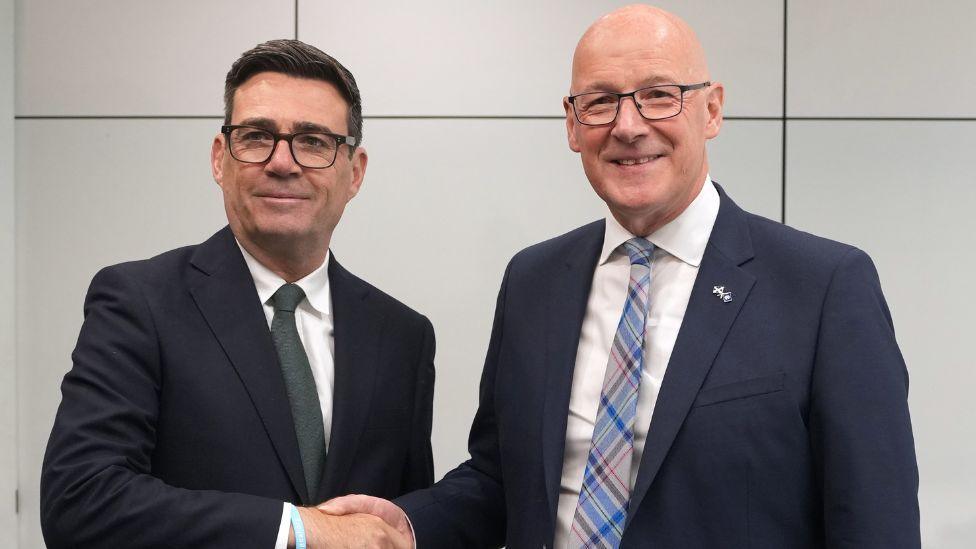 Image source, PA Media
Ahead of the conference, the SNP announced it would launch a new independence campaign – including a national day of action, digital and broadcast adverts, and an independence survey delivered to almost 1.5m people.
The Scottish government is aiming to hold a second referendum by 2031.
The Supreme Court has ruled that could only happen with Westminster’s consent.
Arguing the case for a second vote, Swinney points to the record number of pro-independence MSPs elected to Holyrood in May – though the proportion of pro-independence votes decreased from about 50% to about 41% since 2021.
Burnham said in the Commons last month that a second referendum could be held once there was a clear consensus and public opinion had changed.
However, he later insisted that there was no consensus, adding that such a vote remained “off limits”.
Burnham later made a special mention of Swinney In his speech to the Labour Party conference, insisting he was “utterly determined” to prove wrong the SNP leader’s prediction that he would be the last prime minister of the UK.
NHS fears for winter
Swinney was also challenged on the preparedness of the NHS for winter pressures after an emergency doctor warned of “unsafe levels of care” and a “toxic normalisation” of corridor care.
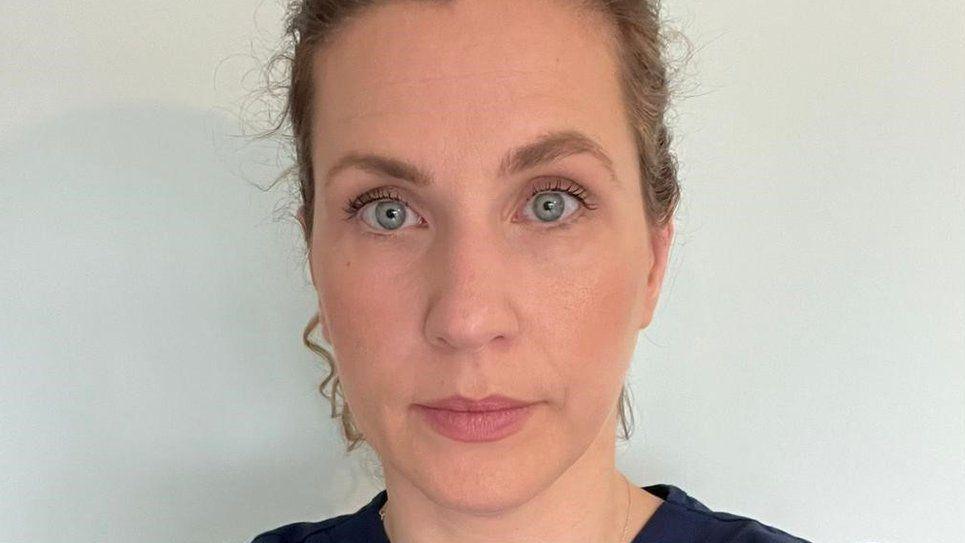
Dr Fiona Hunter, vice-chair of the Royal College of Emergency Medicine in Scotland, told BBC Scotland News that she was “completely terrified” of the situation.
The first minister said he could “hear, understand and appreciate” these concerns and accepted that there were “significant challenges” in the system.
However, he said hospital flow plans were designed to reduce pressures and the Scottish government intended to end corridor care “at the earliest possible opportunity”.
-
-
Published30 September
-
-
-
Published10 September
-
-
-
Published3 days ago
-