
This post was originally published on this site.
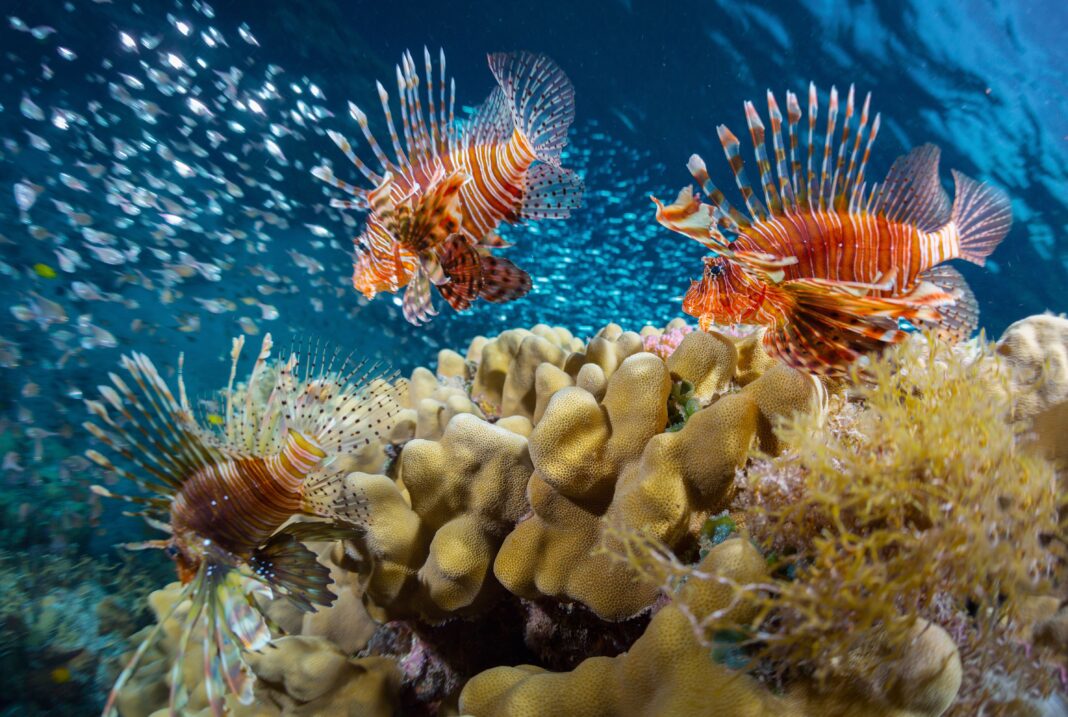
Saturday closes. By Sunday, 128 participating divers had brought in 15,018 lionfish across the two-day main tournament and 20,752 for the entire event. Tens of thousands of dollars in donated cash and gear were awarded as prizes, including $10,000 to the winning team, which caught an astounding 2,641 lionfish. Mostly, though, divers like Christy—who collaborated with team members from Scuba Tech, the family-run diving operation where she works—were participating as a hands-on way to protect the local ecosystem. The crux of the problem, Christy explains, is that lionfish have a “voracious appetite.”
“They’ll eat everything, including themselves,” she says of the cannibalistic species.
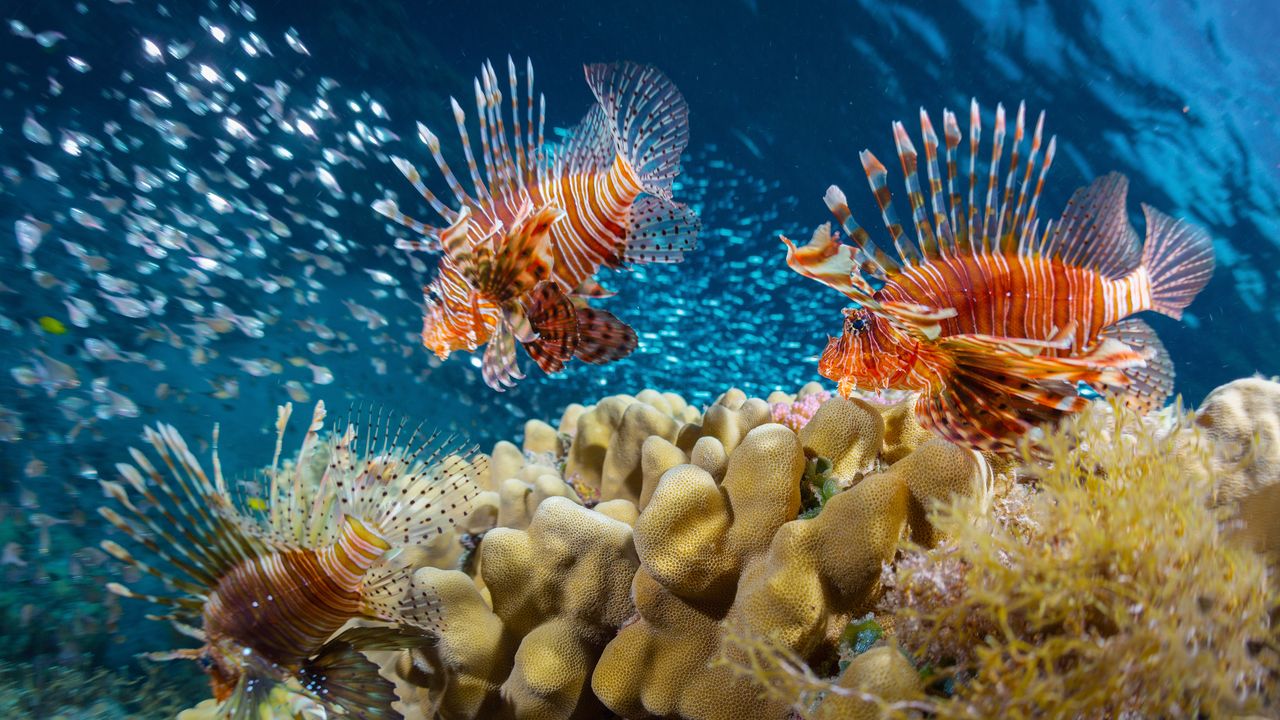
Native to the Indo-Pacific, lionfish first appeared off Florida coasts in the mid-1980s—most likely the result of aquarium owners releasing their pets into the wild. The average female lionfish spawns around 27,000 eggs every three days, so unsurprisingly, the species quickly spread throughout the Caribbean, up the East Coast and east to the Bahamas. They made it to the Gulf Coast around 2010.
Lionfish eat more than 30 species of Gulf fish, including commercially important ones like red snapper, triggerfish, and grouper. They can take down prey half their size and consume up to 40 fish in the span of an hour. One study in the Bahamas found that lionfish reduced the number of young fish that normally would survive to adulthood by 79% over just five weeks.
In 2016, scientists reported that lionfish had reduced the abundance of one native southeastern Atlantic species by 45%. While their study focused on just one species, “it is likely that the lionfish invasion has had similar impacts on other species, some of which may be of economic importance,” the researchers wrote.
Alex Fogg, the natural resources chief for Destin-Fort Walton Beach tourism, was a coastal science graduate student when the Gulf invasion began. He devoted his research to trying to understand everything about lionfish, from their diet and growth rates, to how they reproduce. “The densities on the reefs here were higher than anywhere else in their invaded range,” he says. “We’d go to a site and get 300 lionfish.”
It did not take long for Fogg to realize that lionfish were now a permanent part of the ecosystem. In pondering a partial solution, however, he realized there might be a way to make lemonade—by turning the marine invaders into a tourism draw. His colleagues loved the idea, and in 2019, Destin’s first lionfish tournament was launched. It’s now the world’s largest, Fogg says, and has resulted in the removal of over 125,000 lionfish in total. It’s also an increasingly popular attraction for visitors, who travel in from around the country to enjoy the festival’s educational talks, cooking demonstrations, live music, kids’ games, and booths selling lionfish-themed art and swag.
“For years I said ‘Lionfish are bad, bad, bad,’ but now we’ve turned them into a positive,” Fogg says. “We’re encouraging people to eat them, to make money from them, and to have a lot of fun, while also helping the ecosystem.”