
Britain’s tax burden is rising faster than in any other Western economy, according to forecasts from the International Monetary Fund that put it on course for a peacetime high of 41.9 per cent of GDP by the start of the next parliament.
That is up from 38.2 per cent at the start of 2025, shortly after Labour took power, and puts UK taxes on course to rise faster than in any other developed economy.
The US and Germany are both forecast to reduce their tax burdens over the next five years, as are Portugal and Greece, which were bailed out during the eurozone debt crisis. Within the G7, France is the only other country projected to raise taxes.
The figures use a broad measure of general government revenue, which includes income from public corporations and state-owned assets as well as tax receipts. They also show the state remaining permanently larger than before lockdown, as an ageing population and a rising welfare bill add to pressure on the public finances.
Rodrigo Valdés, director of the IMF’s fiscal affairs department, said rising interest bills were an “increasingly inflexible burden on public resources, leaving less room for public investment and social spending”.
The forecasts came as businesses called on the Government to cut taxes in the Budget on 28 October and give employers “breathing space”.
John Healey, the Chancellor, met representatives from the hospitality and retail sectors yesterday, including the bosses of Tesco, Amazon UK and Sainsbury’s, and the trade groups UKHospitality, the British Beauty Council and the Federation of Small Businesses. Retailers had been expected to warn that further tax rises on shops would push up prices.
An industry source said Mr Healey acknowledged that the past two Budgets had been difficult for employers, but was warned that businesses could only help if Labour became more supportive of business.
“Everyone was agreed on the outcome,” the source said. “But the big problem, and we have told the Government again as we have for many years, is that if they are really serious about protecting jobs, prices for consumers and restoring the high street they will have to change course now.”
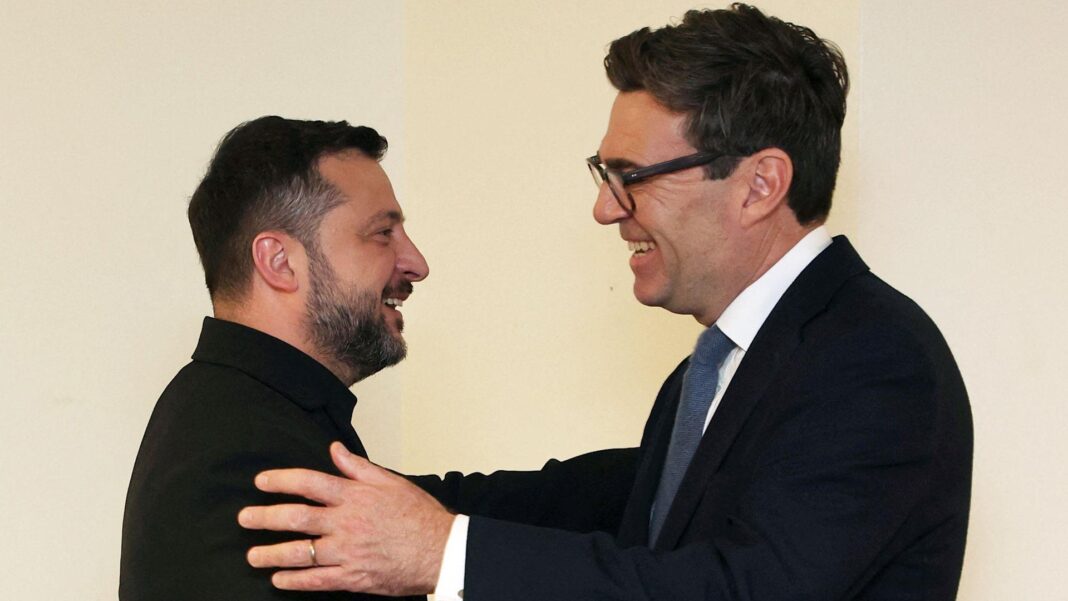
At a separate meeting with tech bosses yesterday, attended by companies including Wayve and Revolut, Andy Burnham, the Prime Minister, said he wanted to make Britain the “most pro-business country in the world”.
Economists have estimated that Mr Healey will have to find between £8bn and £35bn of tax increases or spending cuts to meet all of the Government’s commitments. The Institute for Fiscal Studies said on Monday that avoiding cuts to departmental budgets and funding higher defence spending could require around £35bn of tax rises or benefit cuts.
Mr Burnham has pledged to stick to Labour’s manifesto commitment not to raise income tax, VAT and employee National Insurance. Mr Healey is understood to have ruled out a warehouse tax on retailers and an increase in capital gains tax to the same level as income tax.
Thomas Pugh, UK chief economist at consultancy RSM, warned against a range of smaller tax rises: “The more you go down these smaller, more niche tax rates, the more uncertain the amount of revenue you can raise becomes. That raises risk, and typically the more economically damaging they become, [and] the more you create disincentives and perverse incentives.”
A Treasury spokesman said: “The UK has the lowest headline corporation tax rate in the group. The IMF has upgraded our growth forecast and expects the UK to cut its deficit faster than any other G7 economy, reaching the lowest deficit in the G7 by 2031. And it is through stable public finances that we better protect the finances of households and businesses.”
Andrew Griffith, the shadow chancellor, said: “Labour promised not to raise taxes, but these figures confirm the tax take is rising faster than the entire rest of the G7 put together. You cannot tax your way to growth. The Chancellor must rule out tax rises at the Budget and instead get a grip on his out-of-control welfare spending.”
Robert Jenrick, Reform UK’s economy spokesman, said: “Our country is broke. We simply cannot afford to keep spending and borrowing at this rate.”