

E-commerce is reshaping how you shop and sell, making it essential to understand its mechanics. Start by familiarizing yourself with the basic framework: online platforms, product listings, and payment processing. Explore different e-commerce models to find what fits your needs. Don’t overlook the importance of payment gateways and data analytics in driving sales and enhancing customer experiences. As you consider these elements, think about the challenges you might face and how to overcome them. What’s next in this evolving landscape?
Key Takeaways
- E-commerce operates through online platforms that facilitate product listings, purchases, and various payment methods like credit cards and PayPal.
- Backend systems include inventory management and payment gateways, ensuring seamless order processing and transaction security.
- Frontend focuses on user experience, featuring product listings, shopping carts, and easy navigation to enhance customer engagement.
- Data analytics play a crucial role in understanding customer behavior, optimizing inventory, and personalizing marketing strategies to boost sales.
- Logistics and shipping involve reliable partners, multiple delivery options, and real-time tracking to improve customer satisfaction and conversion rates.
What Is E-Commerce and Why Does It Matter?
E-commerce is the buying and selling of goods and services online, and it matters more than ever. So, what’s e-commerce? It’s a way for businesses to reach customers anytime, anywhere. Since the first online transaction in 1994, e-commerce has grown rapidly, offering models like B2C, B2B, and C2C.
With over 53% of consumers preferring digital engagement, businesses must adapt to this shift to thrive. E-commerce accounts for 18% of total retail sales and is projected to rise to 21.8% by 2024. This growth highlights the significance of having an online presence.
You can benefit from lower operational costs and access valuable customer data for targeted marketing. Plus, it opens doors for international sales, breaking geographic barriers.
To succeed, invest in a user-friendly website, utilize social media for marketing, and analyze customer data to improve your offerings. Embrace e-commerce to stay competitive in today’s market.
How E-Commerce Works: The Basic Framework
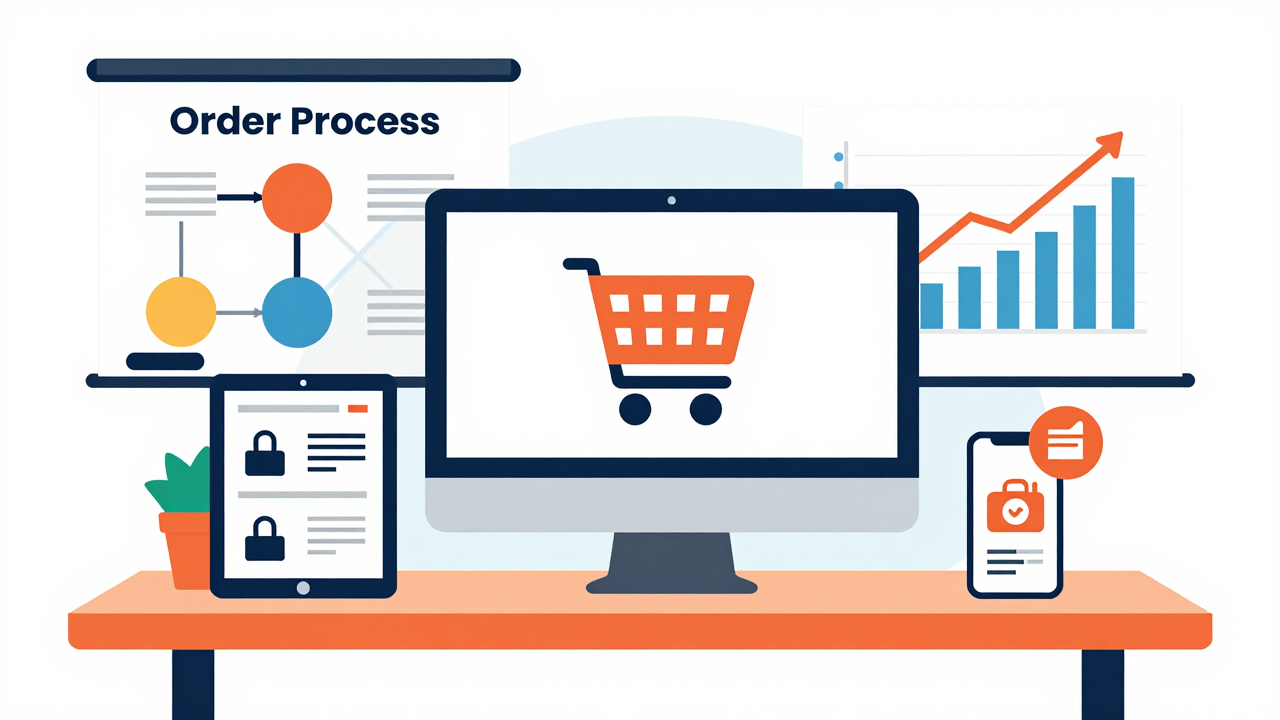
To understand how online shopping works, you’ll want to break it down into key components.
First, e-commerce operates through online platforms where sellers list products or services, and buyers make purchases using various payment methods, like credit cards and PayPal. You’ll notice that the backend includes inventory management and payment gateways, while the frontend focuses on user experience with product listings and shopping carts.
Data analytics are essential in e-commerce, helping Amazon understand consumer behavior and optimize marketing strategies. This means you’ll often see personalized recommendations based on your shopping habits.
Security measures, such as SSL certificates, protect your data, ensuring safe transactions.
Lastly, e-commerce transactions happen in different models, like B2C or C2C, each serving distinct customer needs.
Key E-Commerce Models You Should Know
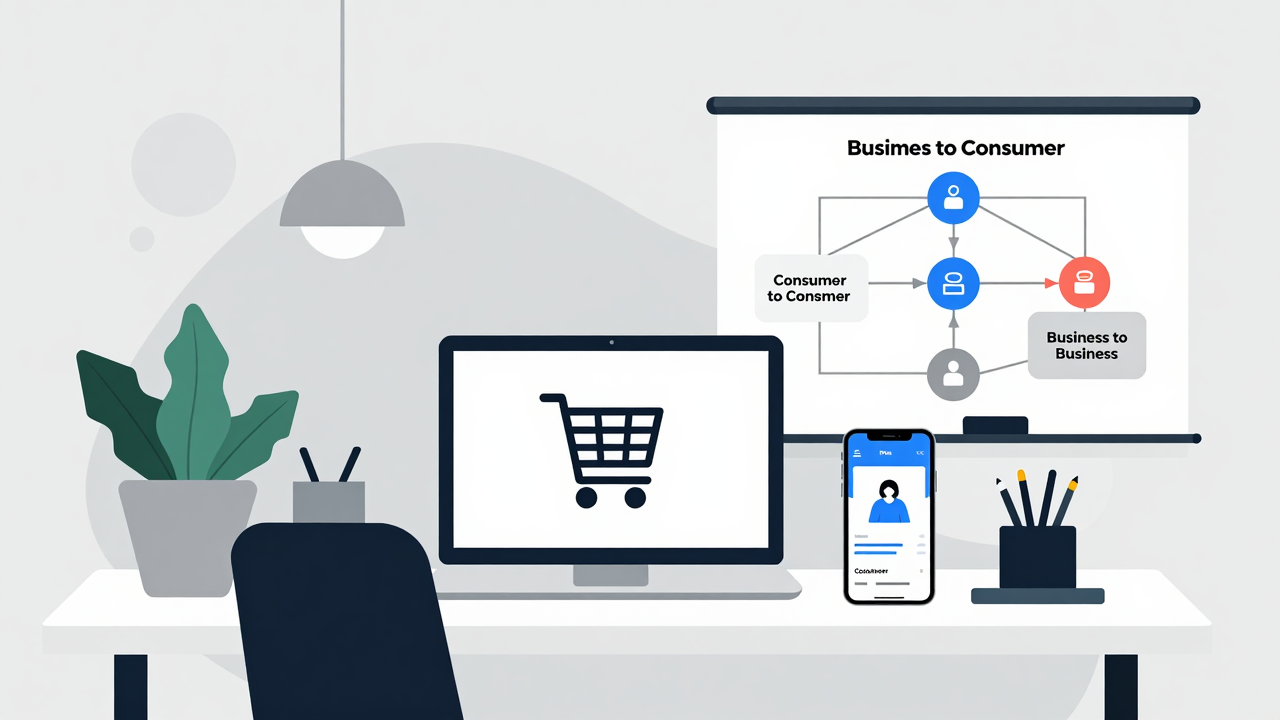
Understanding the different e-commerce models is essential for making informed decisions, whether you’re shopping or starting your own online business.
Here are some key e-commerce models you should know:
- Business-to-Consumer (B2C): This model involves businesses selling directly to consumers, as seen with giants like Amazon and Walmart.
- Business-to-Business (B2B): Here, transactions occur between businesses, often involving bulk purchases, like those on Alibaba.
- Consumer-to-Consumer (C2C): Individuals sell products to other consumers through platforms like eBay, facilitating peer-to-peer sales.
- Direct-to-Consumer (DTC): Brands sell directly through their websites, allowing for more control over branding, such as many modern startups.
Understanding E-Commerce Platforms and Their Features
When you’re setting up your online store, understanding the features of various e-commerce platforms is essential.
Platforms like Shopify and WooCommerce offer tools that simplify store creation and management, making it easy for you, even without coding skills.
As you explore your options, consider key features such as secure payment gateways, inventory systems, and mobile responsiveness to guarantee you choose the right fit for your business needs.
Key Features Overview
E-commerce platforms offer a range of key features that can greatly enhance your online business’s success. Understanding this key features overview is essential for maximizing your e-commerce system.
Here are four important features to evaluate:
- Customizable Online Storefronts: Design your store to reflect your brand and effectively showcase products.
- Integrated Payment Gateways: Guarantee secure transactions by supporting various payment methods like credit cards and digital wallets.
- Inventory Management Systems: Track stock levels, manage orders, and automate reordering to streamline operations.
- Analytics Tools: Use these tools to monitor sales performance and customer behavior, enabling you to make informed, data-driven decisions.
Popular E-Commerce Platforms
Choosing the right e-commerce platform can make a significant difference in your online business’s success. Popular e-commerce platforms like Shopify, WooCommerce, and BigCommerce provide the tools you need for an effective online store. Here’s a quick comparison:
[embedded content]
| Platform | Key Features |
|---|---|
| Shopify | User-friendly, mobile optimization, app ecosystem |
| WooCommerce | WordPress integration, customizable, versatile |
| BigCommerce | Supports B2C and B2B, advanced SEO tools |
| Magento | Scalable, extensive customization, ideal for large stores |
| Wix | Simple drag-and-drop interface, affordable options |
Evaluate these platforms based on your specific needs, whether it’s ease of use, customization, or scalability. This way, you can choose one that aligns perfectly with your business goals.
Platform Selection Criteria
Selecting the right e-commerce platform requires a careful assessment of specific criteria that directly impact your business. Understanding the e-commerce meaning and definition helps you make informed choices.
Here are four essential platform selection criteria to take into account:
- User-Friendliness: Look for an intuitive interface that lets you manage your store easily, even without technical skills.
- Integration Capabilities: Confirm the platform can connect with various tools like payment gateways and shipping services for smoother operations.
- Scalability: Choose a platform that grows with your business, accommodating increased product offerings and customer traffic.
- Security Features: Protect customer data with robust security measures, including SSL certification and PCI compliance, to build trust.
The Role of Payment Gateways in E-Commerce Transactions
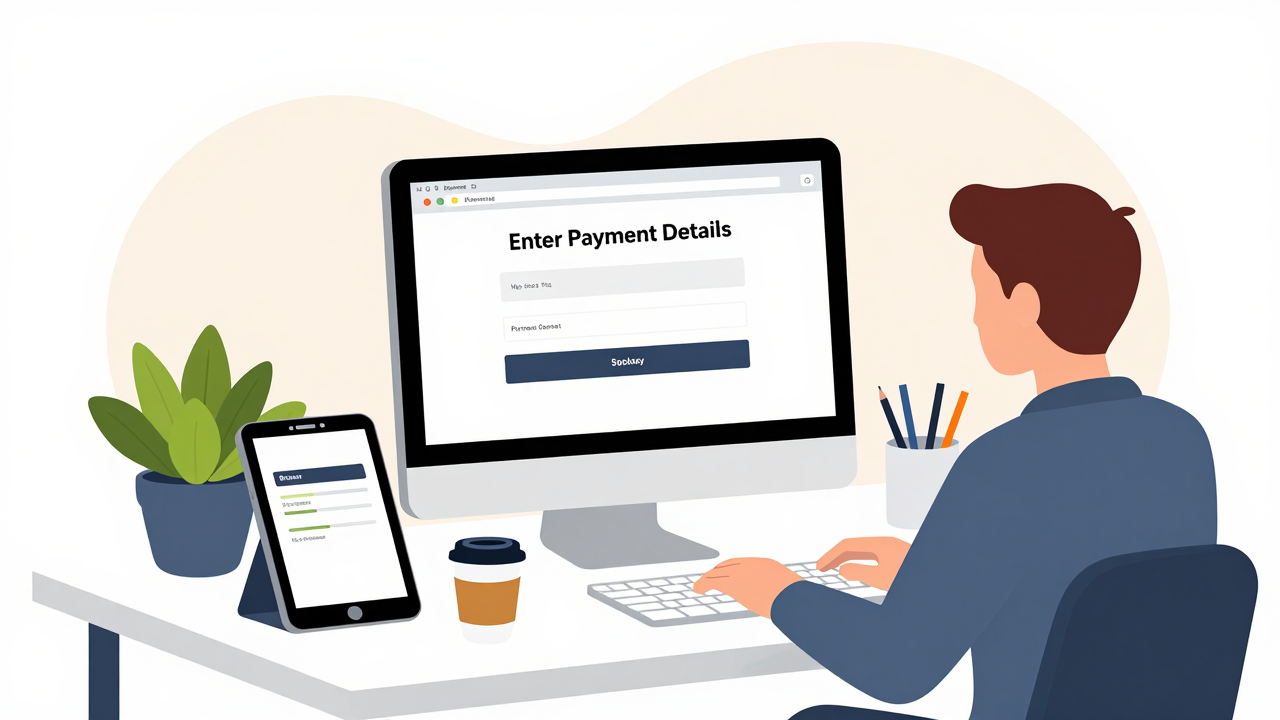
When you’re setting up your e-commerce site, understanding how payment gateways work is vital.
These digital intermediaries securely transmit payment information, ensuring customers can check out smoothly and safely.
Payment Gateway Functions
A payment gateway plays an essential role in e-commerce transactions by securely processing customer payments and connecting them with your merchant account.
Understanding the key payment gateway functions can enhance your online business operations:
[embedded content]
- Transaction Authorization: It verifies the customer’s payment method, ensuring funds are available.
- Data Encryption: Sensitive information like credit card numbers is encrypted, protecting customer data during transfer.
- Payment Method Support: It accommodates various payment options, including credit/debit cards and mobile wallets, improving customer convenience.
- Fraud Prevention Features: Many gateways include tools for detecting fraudulent activities, building trust with your customers.
Security and Encryption Standards
Understanding security and encryption standards is essential for anyone managing an e-commerce business, as these elements directly impact customer trust and transaction safety.
Payment gateways serve as the bridge between you and your customers, securely processing transactions. They encrypt sensitive data, like credit card information, using protocols such as SSL and TLS, which protect against data interception.
To guarantee compliance and security, choose payment gateways that meet the Payment Card Industry Data Security Standard (PCI DSS).
Additionally, look for features like two-factor authentication and tokenization to further enhance security.
As the payment gateway market continues to grow, investing in robust security measures isn’t just smart—it’s necessary for maintaining customer confidence and minimizing fraud risks.
Inventory Management: Keeping Track of Your Products
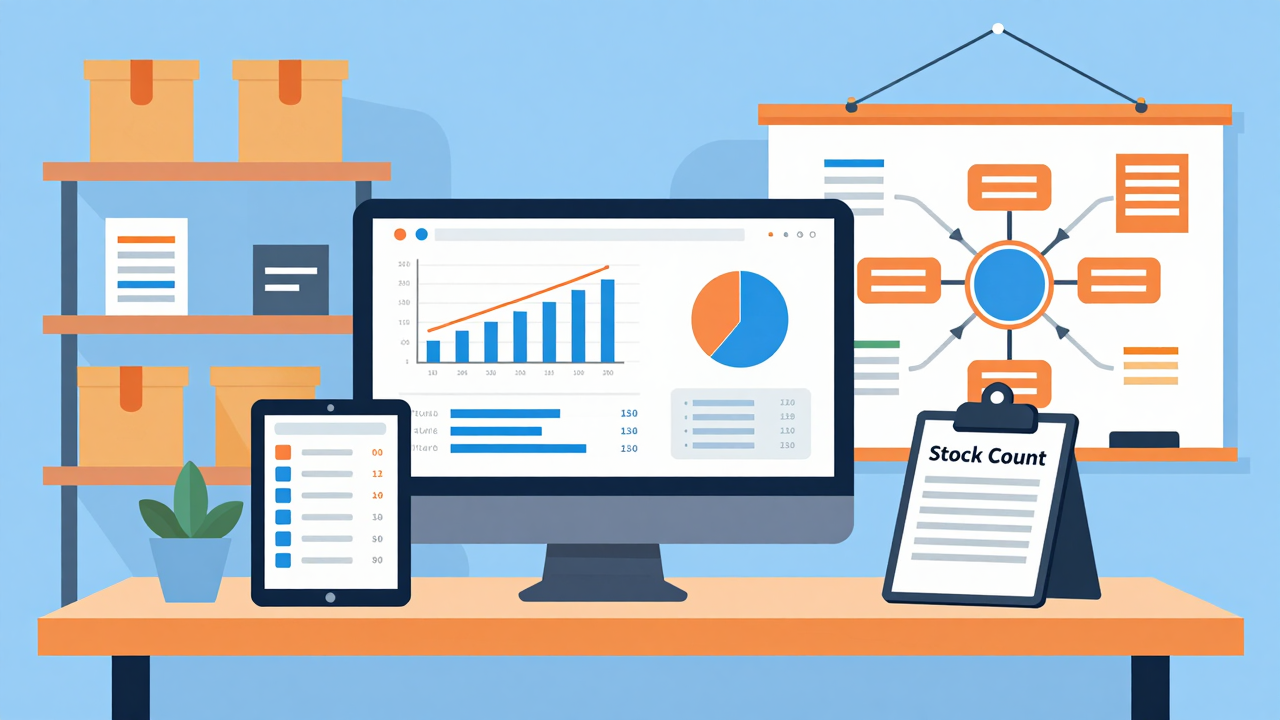
Effective inventory management is essential for any e-commerce business, guaranteeing you always have the right products available when customers want them.
To achieve this, consider implementing an inventory management system. Here are four key steps to streamline your process:
- Track Stock Levels: Regularly monitor your stock to prevent overstock or stockouts, which can hurt your profits.
- Automate Processes: Use an inventory management system to automate tracking, reducing human errors and providing real-time data for informed decisions.
- Adopt Just-in-Time (JIT) Practices: Receive goods only as needed to minimize holding costs and waste.
- Conduct Regular Audits: Perform physical counts or use software tools to maintain accurate records, identify discrepancies, and guarantee compliance with financial standards.
Mastering Shipping and Logistics in E-Commerce
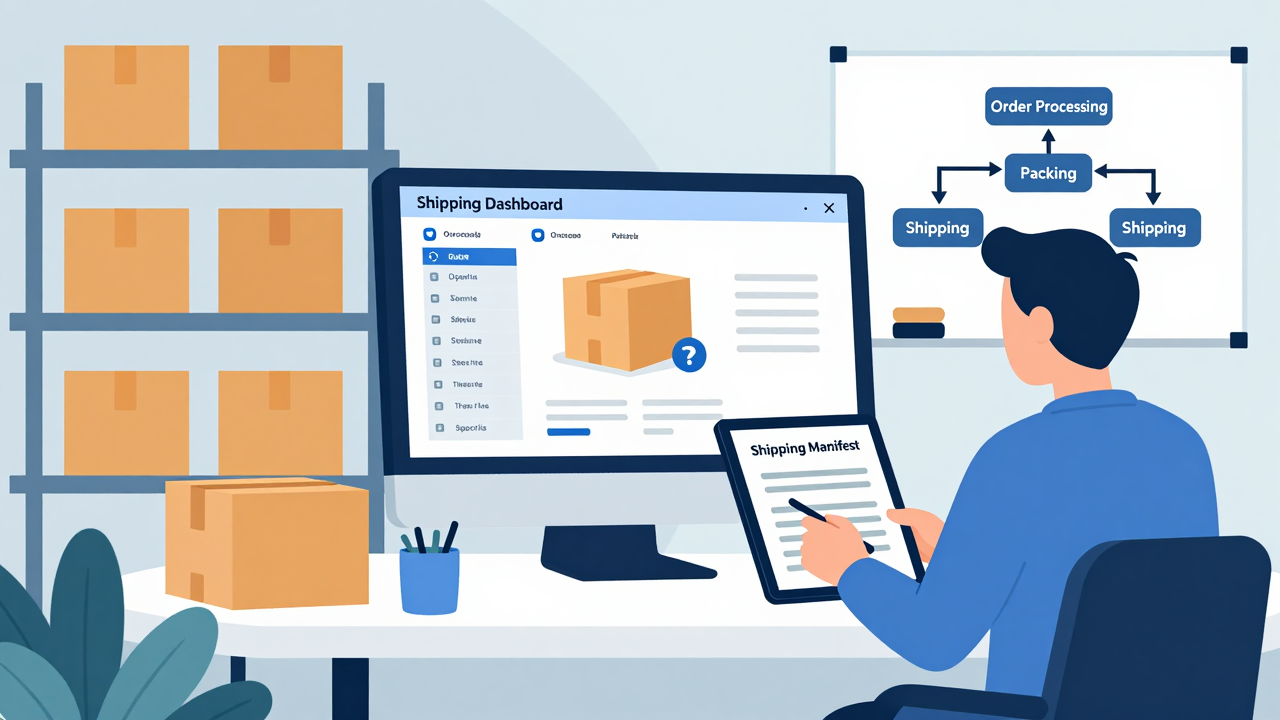
Shipping and logistics play an essential role in your e-commerce success, impacting customer satisfaction and loyalty. To start, choose reliable shipping partners who can meet your delivery needs.
Consider options like same-day delivery, which can boost your conversion rates by 20%. Implement real-time tracking; 70% of shoppers want to know where their orders are, and this feature can greatly enhance their experience.
Next, offer multiple shipping options, such as express and standard delivery, to cater to diverse customer preferences. This flexibility can improve overall satisfaction.
Efficient inventory management systems are also vital; they help prevent stockouts and overstock situations that can lead to losses of up to 30% of potential sales.
Leveraging Data Analytics for Smart E-Commerce Decisions
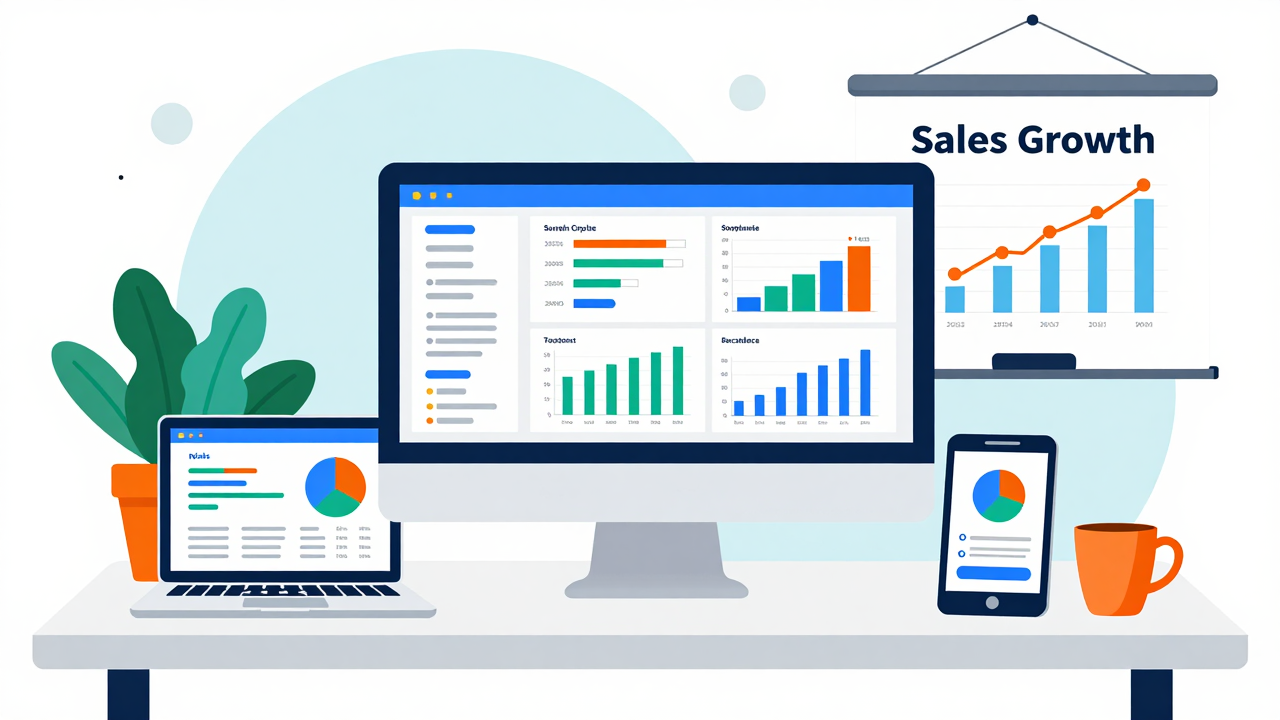
To make smart e-commerce decisions, you need to harness data analytics effectively.
Start by tracking customer behavior to understand their preferences, which can help you tailor marketing strategies and boost sales.
Then, utilize predictive analytics to forecast buying patterns, so you can adjust inventory and implement targeted promotions that keep customers coming back.
Data-Driven Decision Making
Data analytics plays an essential role in e-commerce, helping you make smarter decisions that directly impact your bottom line.
By embracing data-driven decision making, you can optimize your business strategies effectively. Here are four key areas to focus on:
- Understand Customer Behavior: With 68% of consumers researching products online, analyze their preferences to tailor your offerings.
- Optimize Inventory: Identify sales trends to reduce overstock by up to 30%, ensuring you meet demand without excess.
- Enhance Marketing: Implement targeted campaigns to potentially increase conversion rates by 20% or more.
- Refine User Experience: Use customer feedback to improve navigation and checkout processes, addressing the 69.89% of shoppers who abandon carts.
These steps can notably elevate your e-commerce performance.
Predictive Analytics Applications
In the fast-paced world of e-commerce, understanding customer behavior is just the starting point. Predictive analytics in e-commerce can elevate your strategies considerably. By utilizing historical data, you can forecast customer behavior, enabling tailored marketing and optimized inventory. Here’s how it works:
| Application | Benefit |
|---|---|
| Personalized Recommendations | Increase sales by up to 20% |
| Targeted Promotions | Boost conversion rates by 15-20% |
| Inventory Optimization | Reduce costs by up to 30% |
| Trend Identification | Improve retention rates by 25% |
| Enhanced User Experience | Create tailored shopping journeys |
Performance Metrics Tracking
While many e-commerce businesses focus on attracting customers, tracking performance metrics is equally essential for maximizing success.
Here are key strategies to enhance your performance metrics tracking:
- Monitor Conversion Rates: Keep an eye on how many visitors make a purchase. This helps identify areas for improvement.
- Analyze Cart Abandonment: With an average rate of 69.89%, understanding why customers leave without buying can enhance user experience.
- Utilize Customer Segmentation: Tailor your marketing efforts based on demographics and buying behavior to boost retention.
- Implement A/B Testing: Test different site elements, like product descriptions or call-to-action buttons, to see what works best.
Overcoming Common E-Commerce Challenges

E-commerce can be a rewarding venture, yet you’ll likely face several challenges along the way. Overcoming common e-commerce challenges starts with maintaining consistency across channels. Make sure your brand voice and product information align, as discrepancies can frustrate 36% of consumers.
Building customer trust is also essential; be transparent about how you handle data and security, since 49% of consumers feel uneasy about these practices.
As competition heats up, focus on your unique selling propositions and personalize your content to stand out. Understanding trade and compliance is crucial for cross-border transactions, so familiarize yourself with international laws and tax regulations to avoid legal issues.
Finally, address technical issues by optimizing your website for speed and reliability; slow loading times can lead to lost sales. By tackling these aspects, you’ll enhance the overall functions of e-commerce and improve your chances for success.
How to Enhance Customer Experience in E-Commerce

Enhancing customer experience in e-commerce starts with a well-structured website.
To keep your customers engaged and satisfied, consider these four strategies:
- Clear Navigation: Simplify your site layout. A concise navigation menu can reduce bounce rates and keep users browsing.
- Diverse Payment Options: Offer multiple secure payment methods, like credit cards and mobile wallets. This caters to various customer preferences and boosts conversion rates.
- High-Quality Visuals: Use detailed product descriptions and high-resolution images. Since 75% of online shoppers rely on visuals, this builds consumer confidence and aids decision-making.
- Responsive Support: Establish accessible customer support channels. Live chat and clear return policies enhance satisfaction, as 75% of consumers expect a consistent experience across platforms.
Future Trends in E-Commerce: What to Expect Next
As you look ahead in the evolving landscape of online shopping, it’s essential to stay informed about emerging trends that will shape your e-commerce strategy.
Future trends in e-commerce, like social commerce, are set to exceed $100 billion by 2026, integrating shopping directly into social media. Make sure to optimize for mobile, as nearly 50% of online sales will come from mobile devices.
Embrace artificial intelligence, which will double its adoption by 2029, improving customer targeting and personalization. Since 87% of businesses prioritize personalization, focus on creating tailored experiences to enhance retention and satisfaction.
Consider incorporating augmented reality to make shopping more interactive, and offer flexible payment options to improve convenience.
Frequently Asked Questions
What Is Ecommerce and How Do You Make Money From It?
E-commerce is buying and selling goods online. To make money from it, start by choosing a product or service that meets a market demand.
Set up an online store using platforms like Shopify or Etsy. Use effective marketing strategies, like social media ads and email campaigns, to attract customers.
Offer various payment options to simplify transactions. Finally, analyze customer data to optimize your approach and improve sales over time.
What Are 5 Disadvantages of E-Commerce?
E-commerce has its drawbacks. You might face limited customer interaction, making relationship-building tough.
Shipping delays can frustrate you, especially if you need items quickly. You can’t inspect products before buying, increasing return risks.
With high competition, standing out becomes challenging for your business. Ultimately, security concerns loom, as many consumers worry about data breaches.
To mitigate these issues, focus on customer service, clear shipping policies, and strong security measures.
What Are the 4 Types of E Commerce?
There are four main types of e-commerce you should know about.
[embedded content]
First, Business-to-Consumer (B2C) involves businesses selling directly to consumers, like Amazon.
Then, Business-to-Business (B2B) focuses on transactions between companies.
Next, Consumer-to-Consumer (C2C) allows individuals to sell to each other, often through platforms like eBay.
Finally, Direct-to-Consumer (DTC) brands sell straight to you, bypassing retailers, enhancing control over their image and customer experience.
What Is the 80 20 Rule in Ecommerce?
The 80/20 rule in e-commerce means that 80% of your profits usually come from just 20% of your products or customers.
To implement this, identify which products generate the most sales and focus on those.
Streamline your inventory by cutting underperforming items, and nurture relationships with your top customers to boost loyalty.
Conclusion
To conclude, e-commerce is essential for modern shopping and business growth. To succeed, focus on choosing the right platform, optimizing payment methods, and utilizing data analytics for informed decisions. Address common challenges, like cart abandonment, by enhancing the customer experience with user-friendly designs and personalized recommendations. Stay updated on trends to keep your business competitive. By taking these steps, you can effectively navigate the e-commerce landscape and improve your overall performance.
Image via Google Gemini and Small Business Trends