
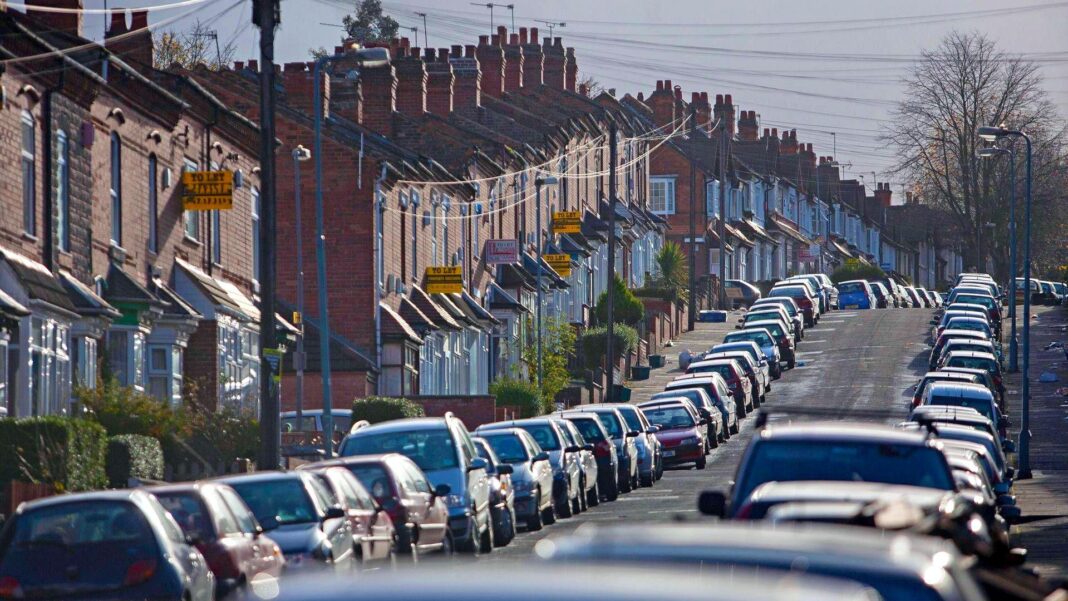

Government probe into housing scheme ‘exploitation’
-
Published
The government has announced an independent inquiry into allegations rogue landlords in Birmingham are making huge profits by exploiting a housing scheme.
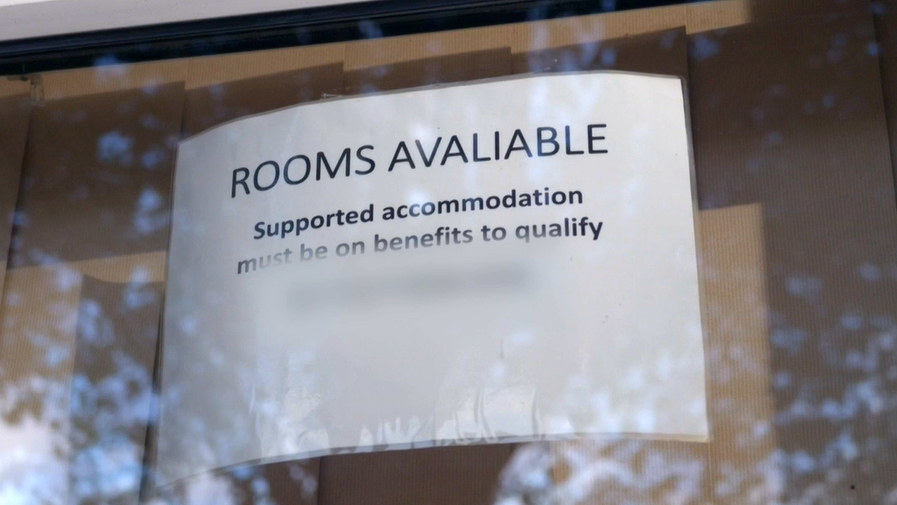
BBC Panorama reported last month that some companies in the city were taking advantage of the Supported Exempt Accommodation (SEA) system, intended to provide housing along with care and support for vulnerable people.
There have been claims of fraud, crime, poor housing and firms receiving housing benefits on behalf of residents but not giving them the support they are meant to.
A government spokesperson said an eight-week investigation would begin immediately, with initial findings and recommendations reported to ministers in the new year.
Sir David Pearson, chair of the Supported Housing Advisory Panel and social care expert, has been appointed to lead the investigation.
The government added the investigation would examine the scale of the problems in the city’s SEA sector, including the quality of accommodation and support, use of public money, and effectiveness of oversight and regulation.
In a letter confirming the appointment, housing secretary Angela Rayner asked Pearson to lead a “rapid independent investigation” into the claims.
She said the investigation should focus on Birmingham, given consistent reports that the area was at the “epicentre of concerns” about poor-quality supported accommodation, while considering the extent to which any findings can be applied to the rest of the country.
“Good-quality supported housing can turn lives around and provide people with the support they need to live as independently as possible,” Rayner wrote.
“There are increasing reports, however, that this system is being abused, with vulnerable people exploited at the expense of the taxpayer.”
Panorama: The Big Housing Rip-Off
Why are vulnerable people, including victims of domestic violence and those facing homelessness, not getting the supported housing they’ve been promised?
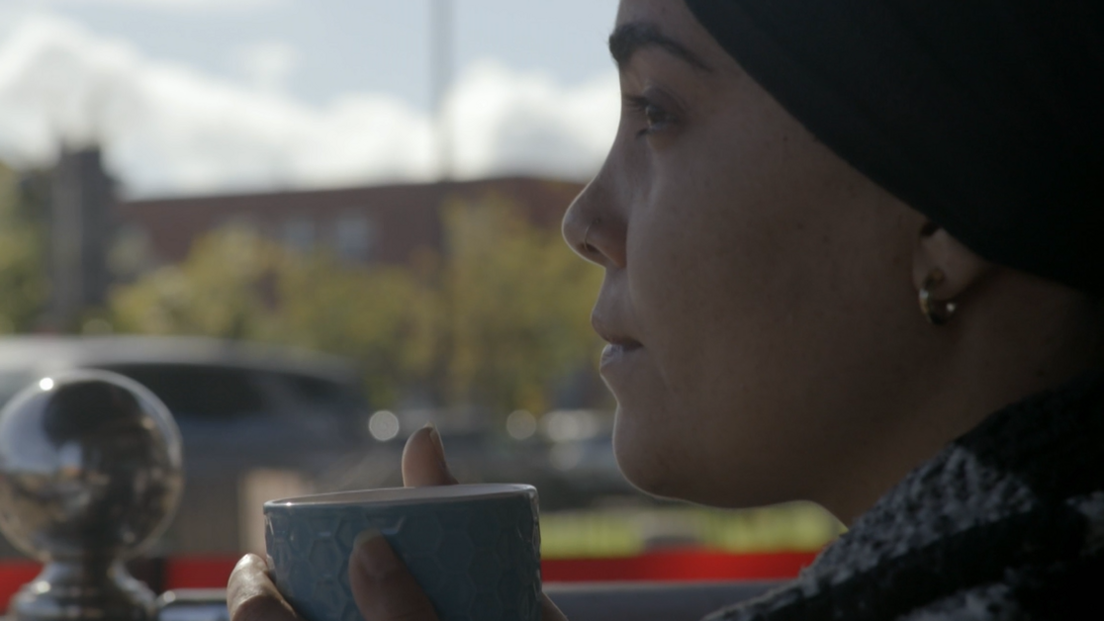
SEA is designed for people in the UK with additional needs, including people recovering from addiction and women fleeing domestic abuse.
In many cases it works well for people, but BBC investigations over the past five years have uncovered stories of vulnerable people, including care leavers and people with mental health problems, being let down by the system designed to support them.
Some residents said they had been left living alongside drug dealers and criminals, and fearing for their lives, despite some providers reportedly claiming more than £200 a week at the time for every person they house.
Supported housing expenditure had risen faster in Birmingham than the national average in recent years, a government spokesperson said.
Pat McFadden, Work and Pensions Secretary, said there were “real concerns” about how the system was operating.
“Sir David’s investigation will get to the bottom of what’s going on, and where we find wrongdoing, we will act to make sure money is spent on supporting people who need it,” he said.
The council paid out £404.4m for SEA in the 2024-25 financial year, with a further £211.8m paid between April and July 2026.
More than 34,000 people in the city currently live in SEA, compared to about 22,000 living in London, despite its population being more than seven times larger.
The BBC has previously heard evidence of claims that some housing providers were willing to make benefit claims for people who did not live in their properties.
Preet Gill, the Labour MP for Birmingham Edgbaston, said she welcomed the independent review.
“I have campaigned on exempt accommodation for nearly a decade and worked with residents, the council and police to shut down Saif Lodge, the first exempt accommodation property in the country to be closed in 2021,” she said.
“Neighbours have had enough of the antisocial behaviour, and vulnerable people are being let down while some providers profit.”
It is not the first time politicians have investigated the issue.
An inquiry by the Levelling Up, Housing and Communities Committee in 2022 reported that some vulnerable people had faced rape and exploitation by landlord “gangsters” in England’s “complete mess” of an exempt housing system.
That was two years after Birmingham was named as one of five pilot projects, external designed to improve quality, enforcement, oversight and value for money in the sector.
Tuesday’s announcement follows a recent letter to the prime minister from councillors Robert Alden and Ken Wood, demanding urgent intervention.
Campaigners have called for action for years, under both Conservative and Labour governments.
Alden, the councillor for Erdington and leader of the Birmingham Conservative group, said it was right that the government examines “why Birmingham has become the epicentre of this crisis and what must change”.
“Residents deserve answers about how this was allowed to happen.
“Vulnerable people placed in badly run accommodation deserve proper support, and neighbourhoods suffering the consequences deserve action.”
‘Cash cows’
Charities, residents and politicians told Panorama last month that parts of the system were being exploited.
The programme found property agents drawing people into the taxpayer-funded system using social media videos offering free rooms, PlayStation consoles and holidays.
Patricia Coleman-Taylor, who runs Birmingham anti-poverty charity Narthex, said many vulnerable people were being used as “cash cows to generate income” that goes from the Department for Work and Pensions (DWP) into “the back pocket of the landlords”.
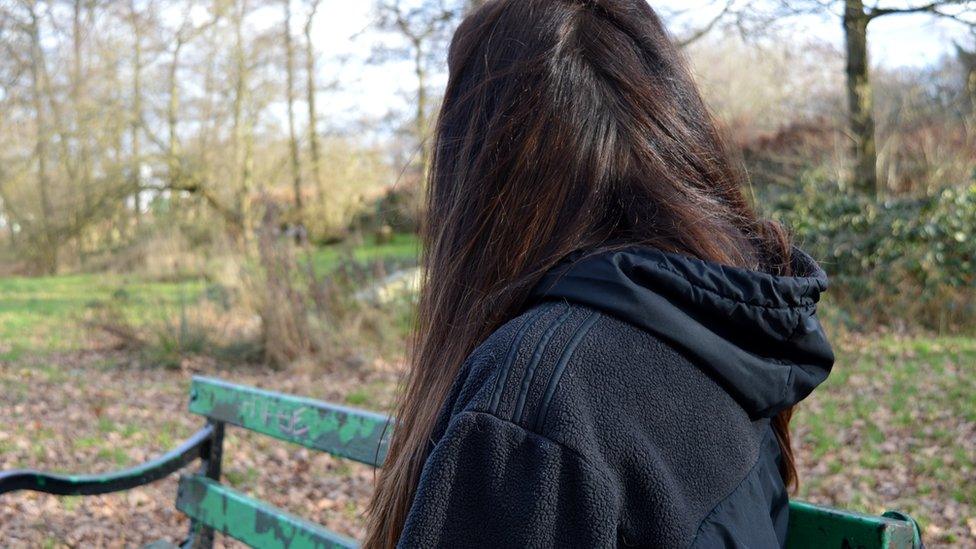
Alysha told Panorama that she had moved into SEA 18 months ago, a survivor of domestic abuse.
She had nowhere to go and no family living nearby, so she was made homeless and relying on universal credit.
“I never thought I’d be homeless and I never thought my marriage would break down, but it did,” she said.
“I felt extremely alone. I needed help getting myself back on to my feet, and that’s how I got myself into supported accommodation.”
She has since lived in three different SEA properties but admitted her experience was far from the fresh start she needed.
Alysha was forced to leave her first placement after just six months.
“There was one day at about 05:30 in the morning, where I was woken up to screaming and growling and banging.
“They’d been fighting really badly. The house was covered in blood, police were called, and the house was no longer safe.”
Her second SEA initially looked “amazing” with brand new kitchen appliances and mattresses but Alysha quickly learnt it was not as it appeared.
Managed by a private provider, Alysha said she was promised weekly counselling sessions, access to food banks, and help with GPs.
“But it’s not the case, it’s not the case at all,” she said.
“They’re not interested, they come and they just want you to sign that paper to say Alysha’s done support this week and that’s it.”
She added that the home had been left without heating at one point in the winter.
‘People overdosing’
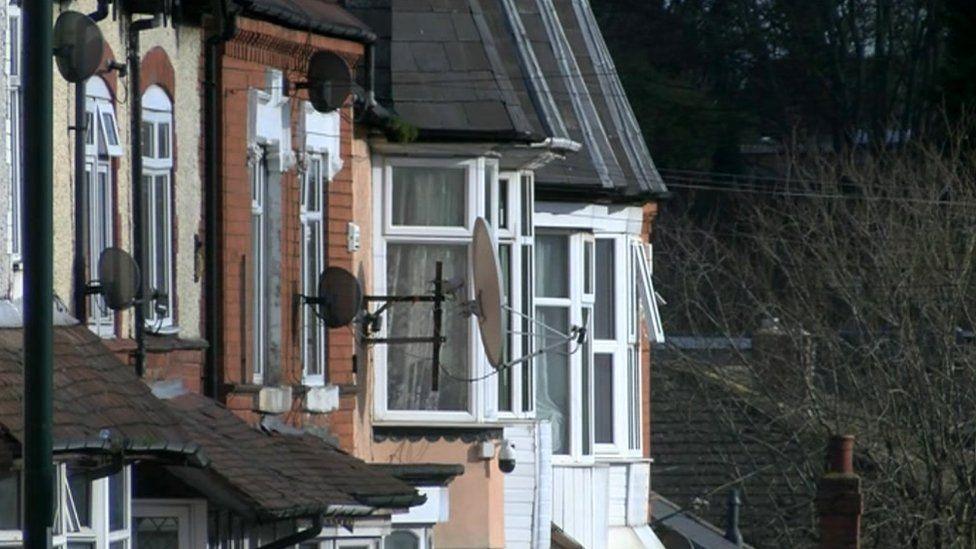
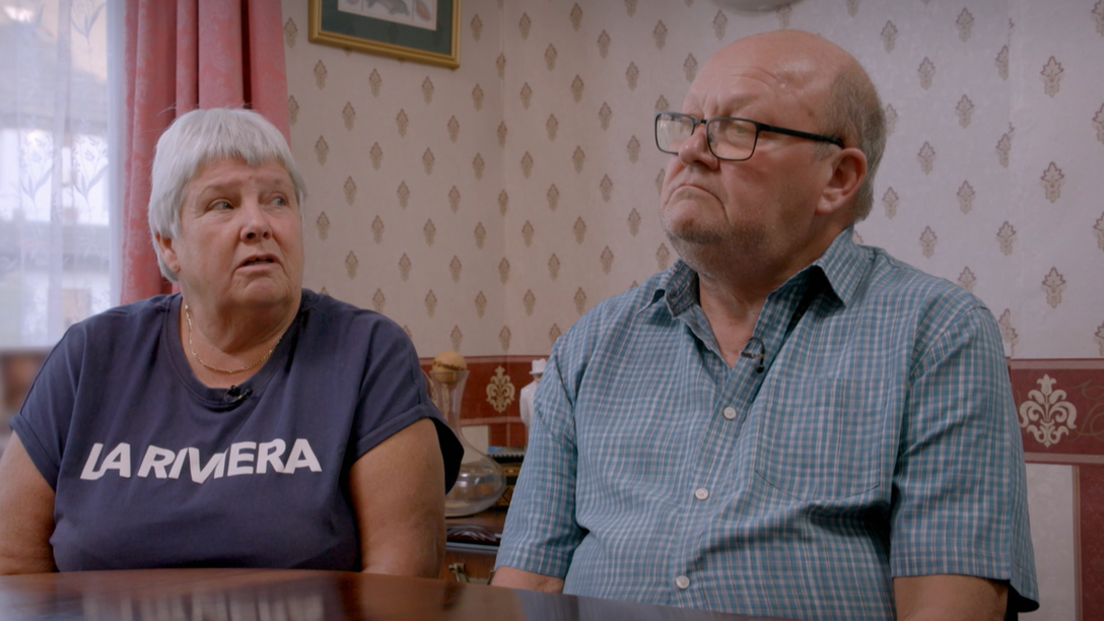
Jane and Melvin, residents living in Selly Oak, said the house next door to them was converted into SEA.
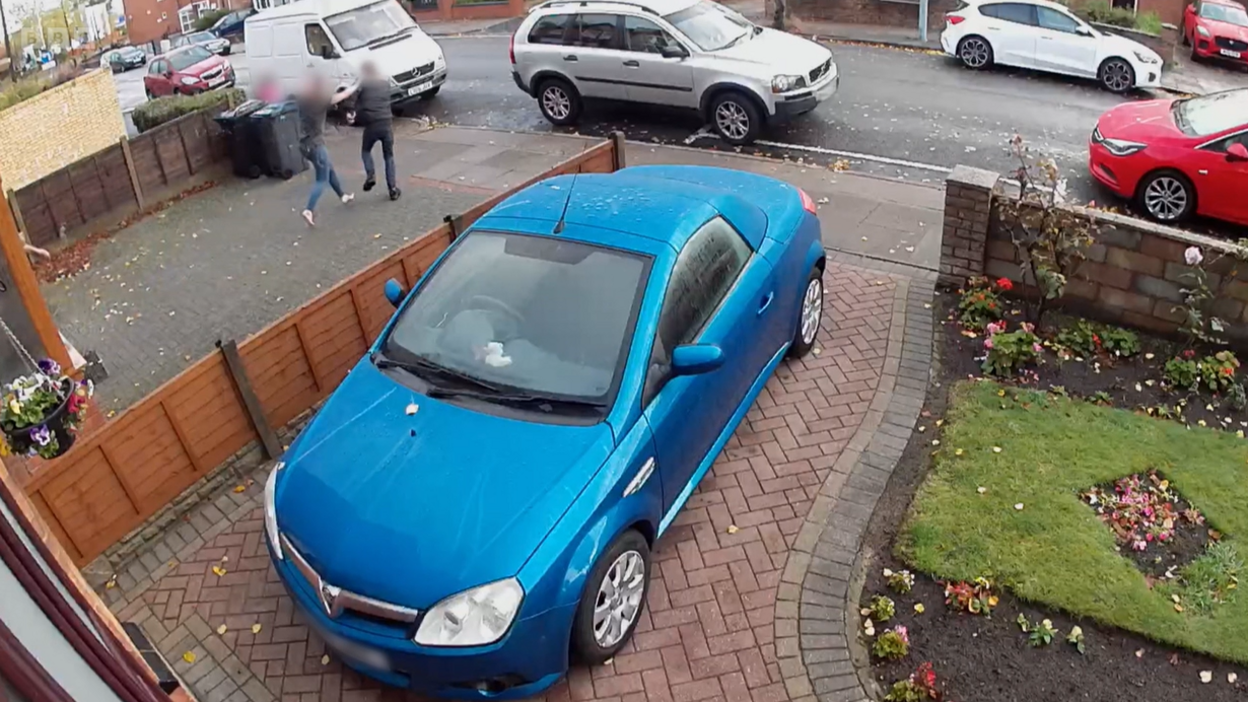
The couple admit at times they felt unsafe in their own home with the tenants of the property having involvement with guns, knives, and drugs.
“There were people overdosing,” Jane recalled, adding: “Twice the front door was kicked in by people who didn’t live there.”
Melvin said: “Ambulances would pull up with their blue lights flashing at two or three o’clock of a morning.
“There were people running up and down screaming, fights going on… there was one episode where one afternoon the chap was being chased by someone with a knife.
“If he hadn’t have been athletic, he’d have been killed.”
Jane said she and her husband never objected to the property being used to support people in need.
But she felt as though those living in the SEA were left to run “amuck”.
“I think they were lacking the support that they needed, really,” she explained.
Get in touch
Tell us which stories we should cover in Birmingham and the Black Country
Follow BBC Birmingham on BBC Sounds, Facebook, external, X, external and Instagram, external.
Related stories
-
-
Published19 October
-
-
-
Published4 days ago
-
-
-
Published10 March 2022
-
-
-
Published27 October 2022

-
-
-
Published7 December 2021
-