
Iran offers US deal to reopen Strait of Hormuz in seven days
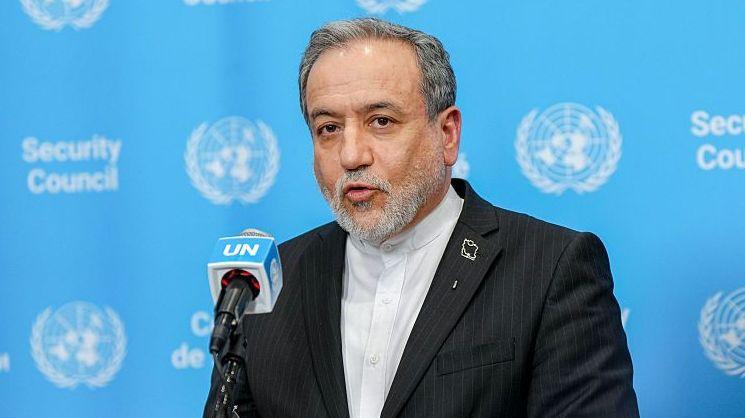 Image source, Bloomberg via Getty Images
-
Published
Iran’s Foreign Minister Abbas Araghchi says his country has proposed a deal to the US that would see the Strait of Hormuz reopened within a week.
Araghchi told reporters at the UN in New York that this could be done “if the necessary conditions are met” and said these were contained within the memorandum of understanding (MOU) signed in June to extend a ceasefire that subsequently broke down.
Asked about the Iranian offer, a US official said positive discussions were taking place through mediators, including about nuclear issues, Reuters reported. Earlier this week Donald Trump threatened to “annihilate the Islamic Republic”.
The US and Israel launched air strikes on Iran on 28 February. Iran responded by attacking Israel and US bases in the Gulf and Arab Gulf allies of the US – as well as blocking the Strait of Hormuz.
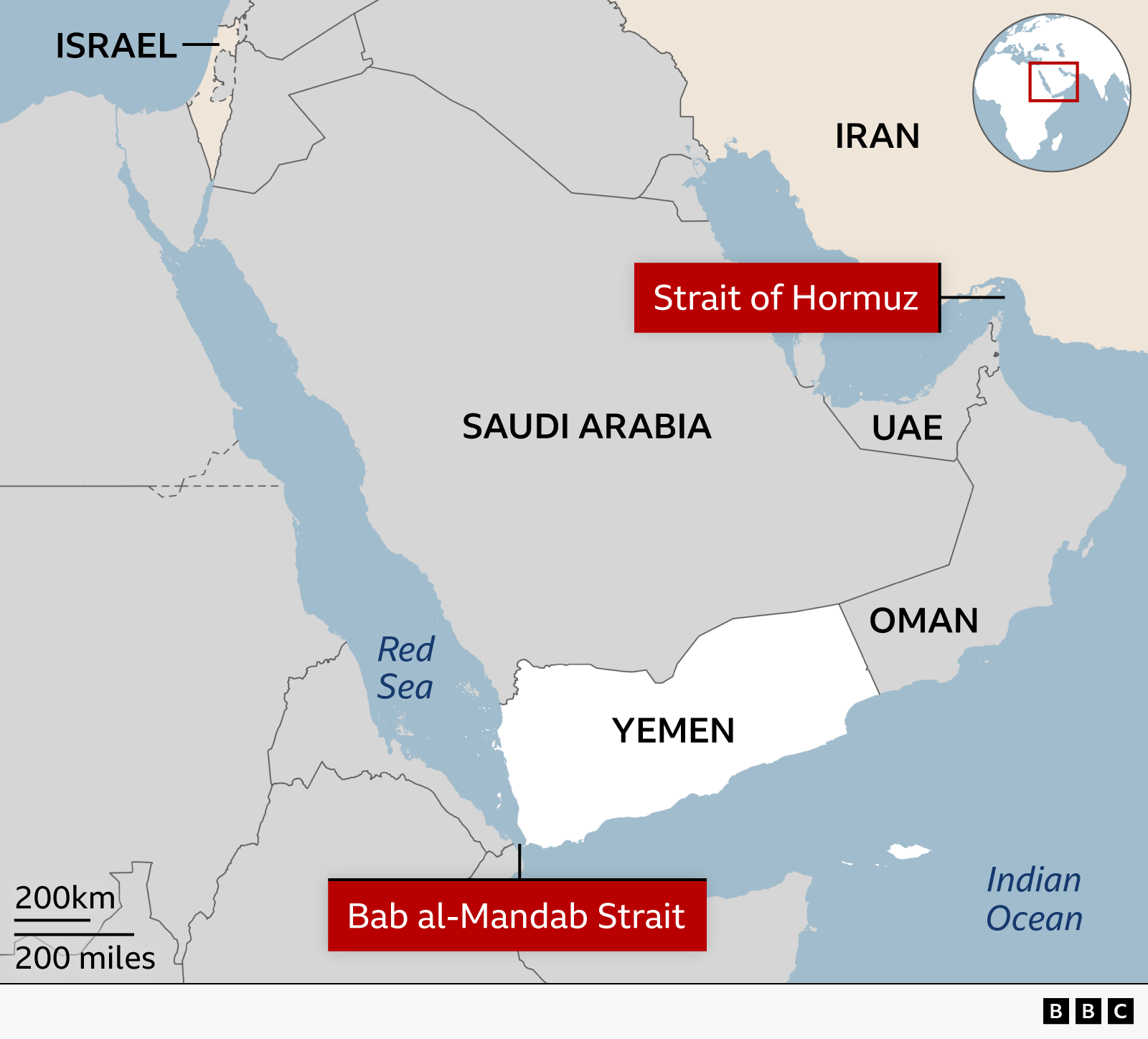
Some 20% of the world’s oil and liquefied natural gas used to pass through the strait before the war and its closure has caused wild fluctuations of prices.
It has also increased pressure on Trump to find a way of ending the conflict – particularly as the US heads to Congressional elections in November.
“If the necessary conditions are met, the strait can be reopened, a normal maritime passage restored within seven days. The choice now rests with the United States,” Araghchi told reporters.
He did not specify what steps Iran wanted the US to take but added that “the actions that the United States should take are not new. They are all already in the MOU”.
To play this video you need to enable JavaScript in your browser.
This video can not be played
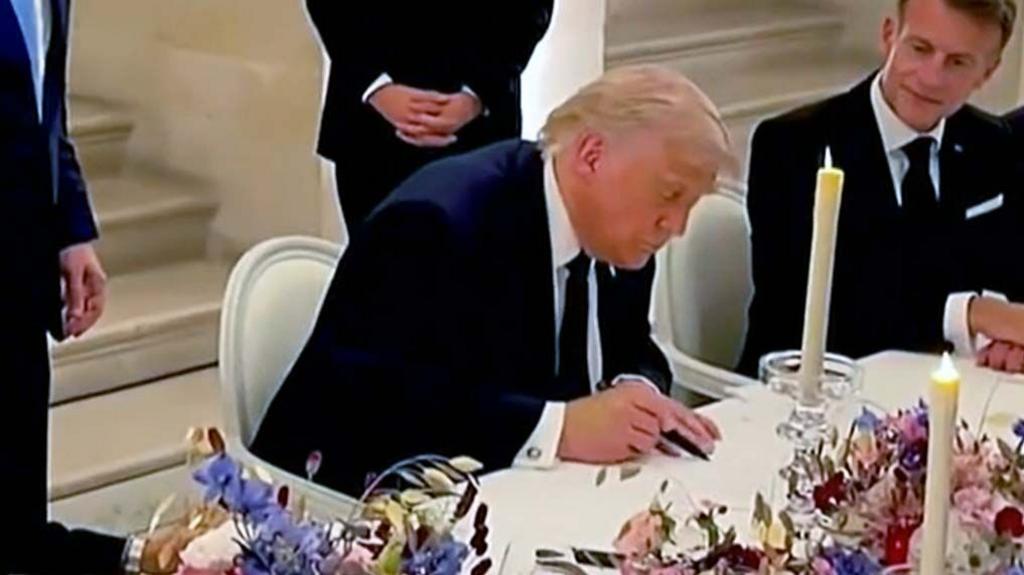
The MOU between the US and Iran, signed on 18 June, was designed to bring about a ceasefire and at least partly reopen the Strait of Hormuz.
The 14-point agreement said Iran would never have a nuclear weapon. It noted that the US, Iran and allies would end military operations on “all fronts” and contained provisions including the end of a US naval blockade and sanctions relief. It also said Iran would “make arrangements using its best efforts for the safe passage of commercial vessels” through the strait and hold talks with Oman over future shipping arrangements.
But it fell apart a short time later when both sides resumed strikes.
Iran has attacked vessels it says have attempted to cross the Strait of Hormuz without authorisation.
The US has attacked Iranian sites in the strait – as well as Iranian tankers off the country’s coast. It has also maintained a blockade of Iranian ports, causing huge disruption to the Iranian economy.
Trump since has claimed the US has been successful in getting oil out through the Strait of Hormuz.
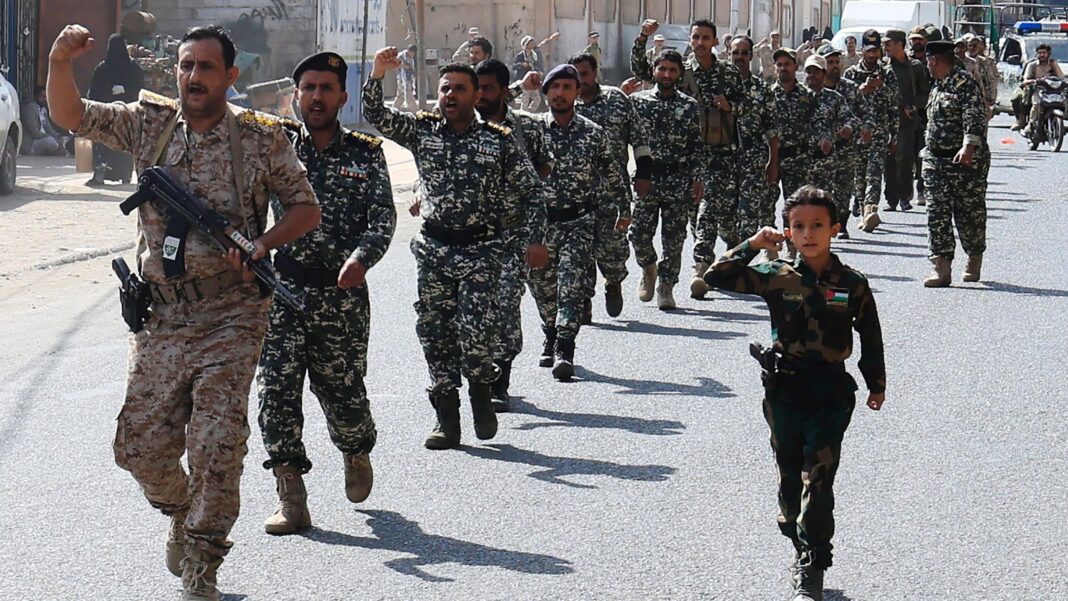
However, Yemen’s Houthis – allied to Iran – have recently intensified attacks aimed at disrupting oil exports from Saudi Arabia via the Red Sea on the other side of the Arabian peninsula.
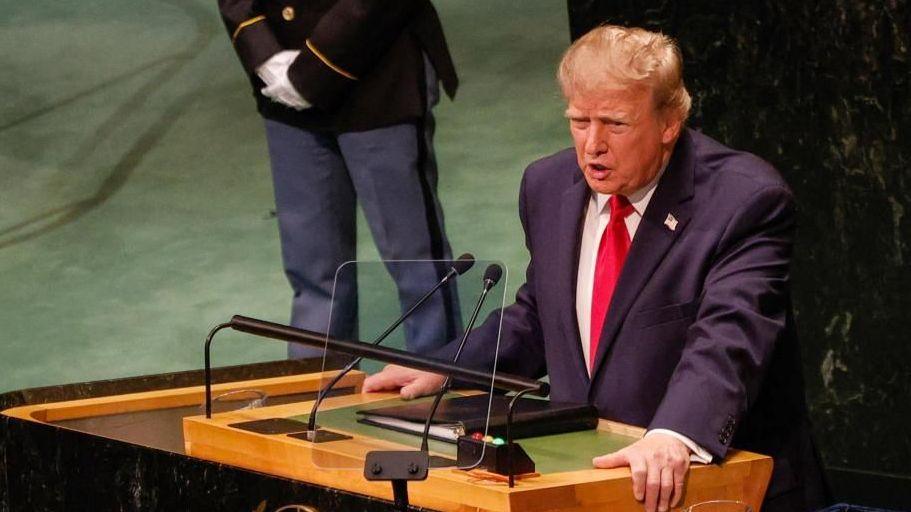
During his speech at the UN General Assembly this week Trump said he believed an Iran deal, which has so far eluded him, would come right after November’s elections.
“Will a deal be made with Iran that lets them rebuild and create a far greater country than it ever was before?” he said.
“Or do I annihilate the Islamic Republic and do it quickly, never giving them a chance to kill and destroy people and countries again? Do I drive them into hell?”
On Friday, Araghchi said Iran did not accept “coercion, threats or intimidation” and added that “peace cannot be built through threats of annihilation”.
-
-
Published11 September
-
-
-
Published2 days ago
-
-
-
Published18 June
-