
This post was originally published on this site.
Just how much cash will you be able to hold in your ISA from next year and what will it cost you to do so? At first sight, new rules for individual savings accounts (ISAs) due to come into force from 6 April 2027 look straightforward. In practice, they are likely to prove anything but, thanks to tricky new regulations published this week.
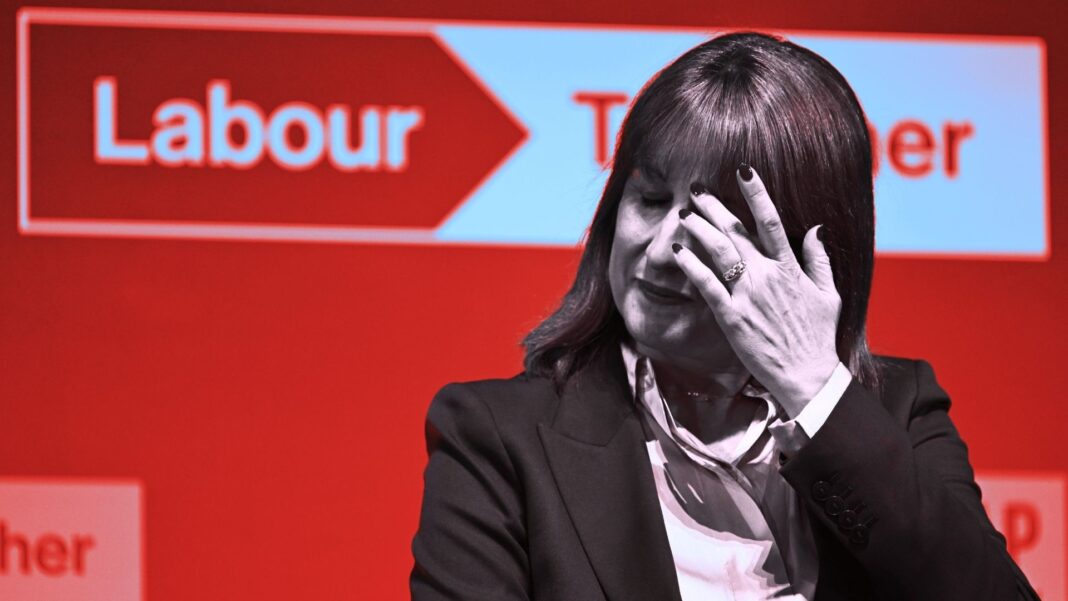
The confusion stems from changes announced in last November’s Budget. Chancellor Rachel Reeves stressed her determination to use the tax system to encourage risk-taking investment into UK companies and infrastructure; she therefore announced that from the 2027-2028 tax year onwards, the annual limit on investments into cash ISAs – where your money is simply held in a risk-free bank or building society account – will fall to £12,000. By contrast, the annual stocks and shares ISA allowance – where your money flows through into productive investments – will remain at the full £20,000.
So far, so good. But what about cash held in a stocks and shares ISA? You’re also entitled to hold cash in these accounts. Perhaps you’re concerned about market volatility, or think you might need to make a withdrawal soon; maybe you just want to maintain a small cash balance to fund fees and investment charges; you may even have opted to take dividends from existing holdings in cash, potentially to be invested later on.
Sign up to Money Morning
Don’t miss the latest investment and personal finances news, market analysis, plus money-saving tips with our free twice-daily newsletter
Don’t miss the latest investment and personal finances news, market analysis, plus money-saving tips with our free twice-daily newsletter
Moreover, what about cash-like investments in a stocks and shares ISA? Opting for a money-market fund, say, is akin to holding your ISA savings in cash, even if you’re technically making an investment.
Reeves’s new ISA changes will affect everyone
These complexities have prompted some head-scratching at the Treasury, which delayed publication of the detailed regulation on how the new rules will apply to stocks and shares ISAs until earlier this week. Now, however, it has published an “anti-circumvention rules fact sheet” that is more demanding than many had expected. Most strikingly, the Treasury plans to introduce a new tax on interest earned on cash held in a stocks and shares ISA, even though the tax-free nature of money held in such accounts is meant to be sacrosanct. A 22% tax charge will apply, in line with the rate of savings interest tax, from April 2027 onwards.
While a similar arrangement operated in the UK until 2014, some ISA providers believe the change will fundamentally undermine the tax efficiency of ISAs. Providers will no longer be able to describe all ISAs as tax-free in order to encourage savers and investors, they say. Some ISAs will be more tax-free than others.
The Treasury has also confirmed plans to restrict savers from holding cash-like investments in their stocks and shares ISA. Money-market funds will not qualify for ISAs if they account for the entirety of the investor’s stocks and shares ISA portfolio; ISA managers and platforms will then be forced to intervene.
There will also be a veto on transfers of money into a cash ISA from holdings in a stocks and shares or innovative ISA, which is currently allowed. Again, while the goal is to stop investors getting round the new rules, one result will be to limit financial planning and constrain the flexibility of investment strategies.
This will affect everyone. In last November’s Budget, the Treasury said savers and investors aged 65 or over would be exempt from thelower annual allowance on cash ISAs, maintaining their full £20,000. The thinking is that older people are often in a phase of running down their savings and may therefore need to take a more risk-averse approach to managing their money. This week, however, the Treasury revealed that the over-65s won’t be exempt from the ban on investing an entire stocks and shares ISA in money-market funds, or from the moratorium on transfers to cash ISAs.
All of which adds a great deal of complexity to the ISA rules – and plenty of scope for adverse outcomes for investors. Plus, ISA providers themselves will muddy the waters. JPMorgan Personal Investing, for example, has already announced that, from this week onwards, it will no longer pay interest on cash held in a stocks and shares ISA if an investor’s entire pot is held in cash. The move is in line with the intent of the Treasury’s thinking, but will naturally save JPMorgan Investing some money. And previously, the Financial Conduct Authority has warned the whole ISA industry about paying poor interest rates on cash held in a stocks and shares ISA.
Elsewhere, ISA providers – including leading online platforms – are already beginning to rethink their policies on what they will and won’t allow investors to do. They will want to get ahead of restrictions and may simply withdraw certain products and services completely. Maybe they’ll no longer allow investors to receive cash dividends, for example, requiring everyone to use accumulation funds.
Will Reeves stay chancellor long enough?
All of which is a reminder of how strongly the law of unintended consequences applies in the world of tax. The desire of the Treasury to shift money out of cash ISAs into stocks and shares accounts that are seen as more supportive of economic growth is understandable – the most recent official statistics reveal investors put £69.5bn into the former in the 2023-2024 tax year against only £31.1bn in the latter. But more doubt and complexity may simply put people off, reducing the size of the whole pie.
There’s one final unknown, meanwhile. This scheme is the brainchild of Rachel Reeves and her team. But will she remain chancellor long enough to finalise the remaining details – a short technical consultation will take place between now and the autumn – let alone to see it come into operation next April? Maybe a different chancellor will want to do something completely different.
This article was first published in MoneyWeek’s magazine. Enjoy exclusive early access to news, opinion and analysis from our team of financial experts with a MoneyWeek subscription.
Explore More