
High Court grants injunction to stop Orange Order Drumcree parade
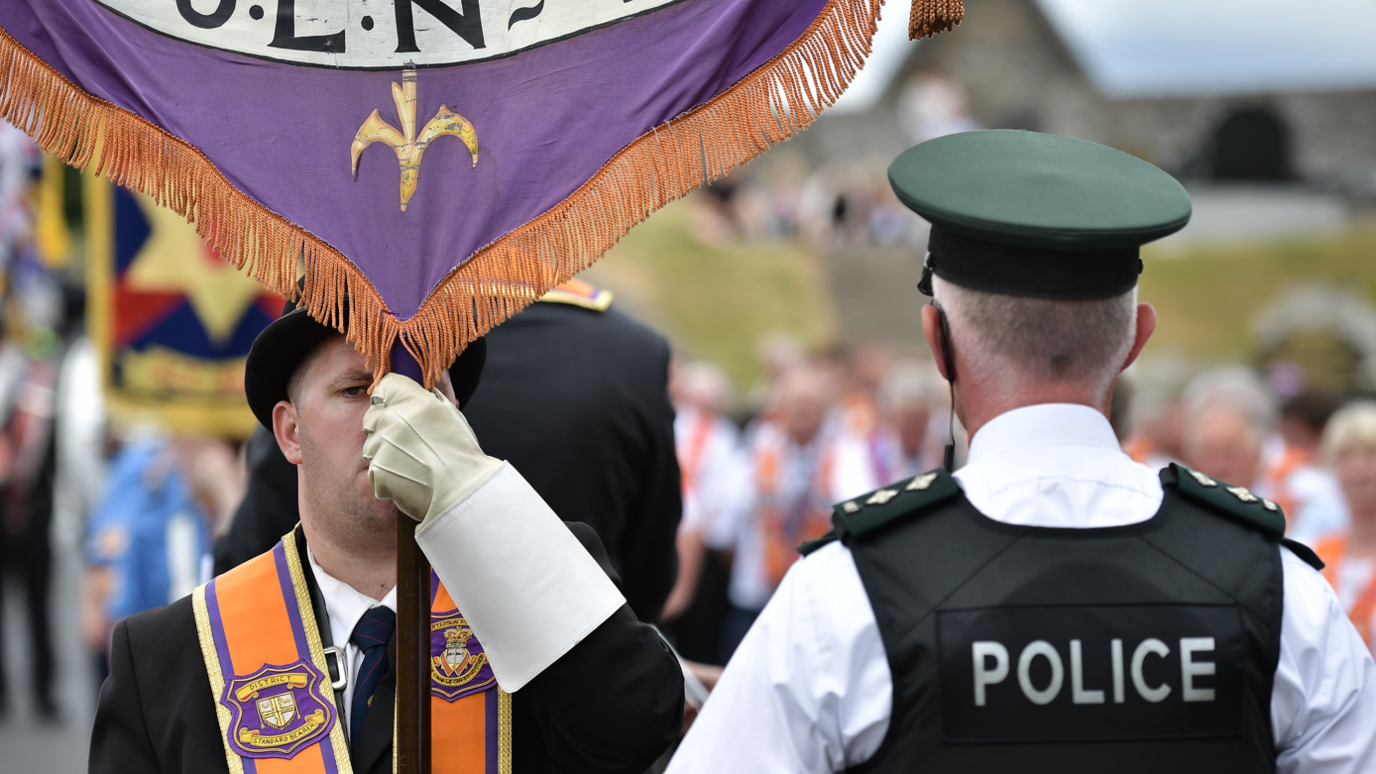 Image source, Getty Images
-
Published
Belfast High Court has issued a temporary injunction stopping Sunday’s Drumcree parade.
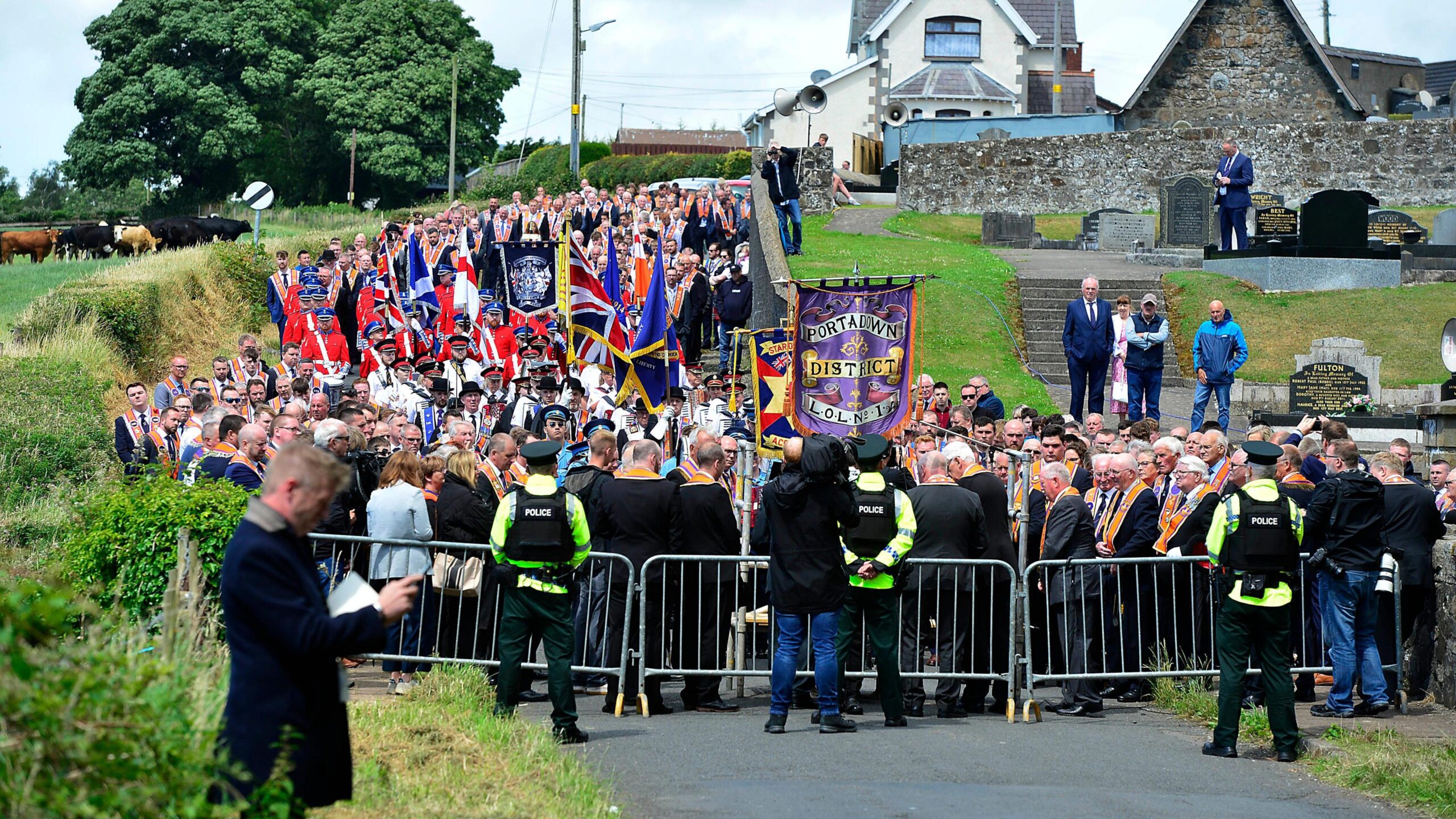
On Friday the Parades Commission announced that the parade could proceed on Sunday, for the first time in almost 30 years, with restrictions in place.
The Garvaghy Road Residents’ Coalition, which mounted a legal challenge, also said it planned to protest with a 5,000 participants if the parade went ahead.
The development came after Portadown District Orange Lodge declined a request from Judge Patricia Smyth to postpone the parade along the Garvaghy Road.
A judge hearing the legal challenge to the Parades Commission’s decision to allow the Orange Order march gave the parties involved a final opportunity to “reach an agreement” and “step back from the abyss”.
Following an adjournment Judge Patricia Smyth requested that the lodge was contacted to find out whether it would be prepared to temporarily halt the parade to allow a full hearing to take place.
In response, the lodge submitted a two-page letter to the court and while the details were not read out, the judge indicated there was “no agreement” to delay the march.
Judge Smyth requested that lawyers for the individual Orangeman contact the rest of the lodge to seek their view.
The judge said the lodge should be informed of the issues the court is dealing with and asked whether they would agree not to proceed “for a matter of days” to allow for an informed judgment to be facilitated.
Adjourning the case for a third time on Saturday, Judge Smyth said “it is my view the issues at stake are so sensitive and so important, I would expect all of the lawyers to be creative and to use the law for the good of all the people in Northern Ireland.”
Judge Patricia Smyth said the issue the court is dealing with is of “fundamental importance” to the entire society in Northern Ireland.
Reach agreement ‘for the sake of everyone in Northern Ireland’ – judge
Earlier the judge highlighted that the information provided to the court from the PSNI has “promoted further enquiries” and “further time would be of benefit to the court.”
“In my view it would be contrary to justice and unwise to proceed to make a decision in the absence of information in relation to the issues I have identified.”
She said the important date for the Orange Order was July 5 and therefore there “is no prejudice in adjourning for a short period to allow this case to be prepared by all parties .”
The judge said she believed it would be to the disadvantage of the Orange Order and the Parades Commission for the case to proceed today in the absence of all the relevant information.
“I urge parties again to reach agreement for the sake of everyone in Northern Ireland.”
“Be big enough to step back from the abyss.”
Counsel highlights ‘significant change’ in approach
Rather than start at 13:00 BST on Sunday as intended, the Parades Commission has said the march can depart no later than 08:00 and with 35 participants rather than the 60 the Orange Order requested. No bands or supporters are allowed.
On Saturday, a lawyer for the residents told the High Court it was unclear whether the Police Service of Northern Ireland’s (PSNI) assessment referred to in the determination, was the “entirety” of what the police told the Parades Commission.
Their legal team has asked for the full PSNI assessment as well as past assessments in order to see whether there had been any changes.
Counsel for the residents said there had been a “significant change” in the Parades Commission’s approach.
Before adjourning the proceedings, Judge Patricia Smyth told the parties involved she would like to hear from them on a way forward in the short amount of time that was available.
‘Sense of shock’
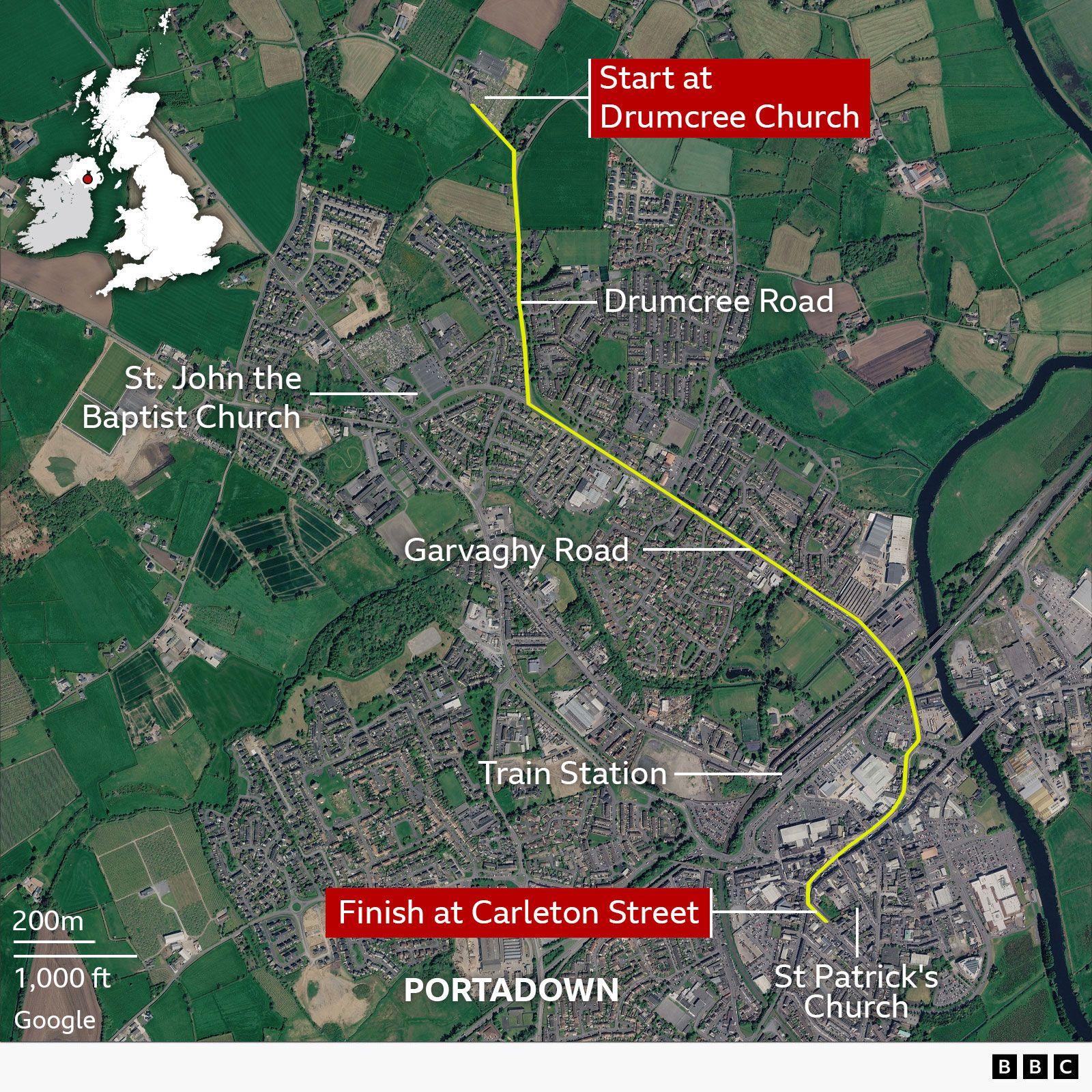
According to the Drumcree Catholic Church parish website, external, Mass takes place at 08:30 on Sundays in the church of St John the Baptist on the Garvaghy Road.
When asked by BBC News NI if Mass time had been taken into consideration in their determination, the Parades Commission said commissioners “recognise that the timings set out in the determination” should allow the church service “to proceed as normal”.
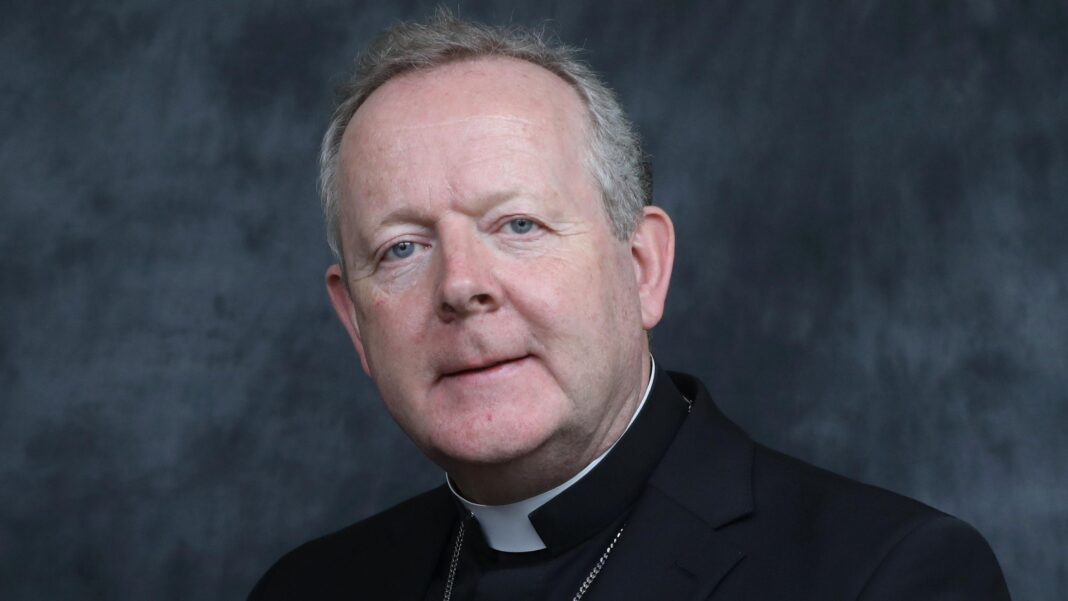
In a statement issued on Saturday afternoon, the leader of the Catholic Church in Ireland, Archbishop Eamon Martin, called for “prayers and support for a peaceful resolution to complex Garvaghy Road situation”.
He said he shares the “sense of shock and disappointment of so many people at recent developments”.
The archbishop added his thoughts were with those who this situation brings “back deeply traumatic and painful memories”.
“I also appeal for support for the patient use of solely lawful and democratic processes to resolve this deeply complex and emotive situation.”
‘March going to clash with parishioners’
Fr Peter Clarke, from St John the Baptist, said he is concerned the march is “going to clash” with parishioners coming and going from the church.
Following Friday’s determination, the priest said he emailed the commission to express his concerns and stated he “doesn’t know how they came to” their conclusion, which is now “out of their hands”.
Fr Clarke said he has “unhappy recollections” of the Drumcree dispute during the 1990s and “wouldn’t like to see” a return to those days.
Parishioners at St Patrick’s Church on William Street are also likely to be affected ahead of the 10:00 service, according to the priest.
He added “tensions are high” in the community, and said he will be addressing the situation during Sunday’s service.
‘Orange Order will comply full with the law’
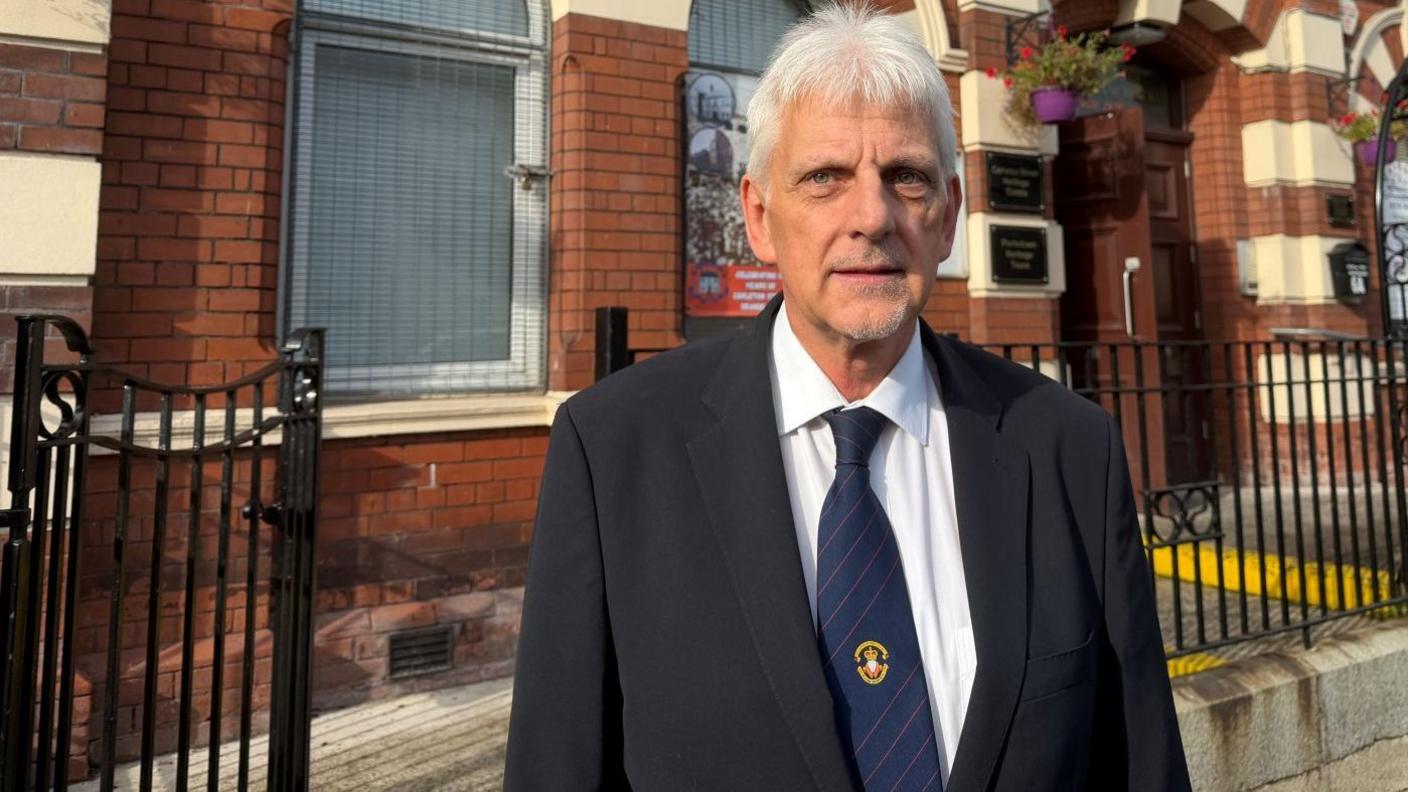
In a statement issued on Saturday, the Portadown District Orange Order branch said while they were “not happy” with further restrictions to their parade, they would “comply fully with the law and determination”.
“We now ask our community to do likewise. We would appeal to everyone to conduct themselves responsibly and peacefully and not to do anything that could increase tensions within the community,” District Master Nigel Dawson said.
Dawson added the lodge had followed the commissions determinations for 28 years and “all we ask now is that same respect” is shown by those affected by this decision.
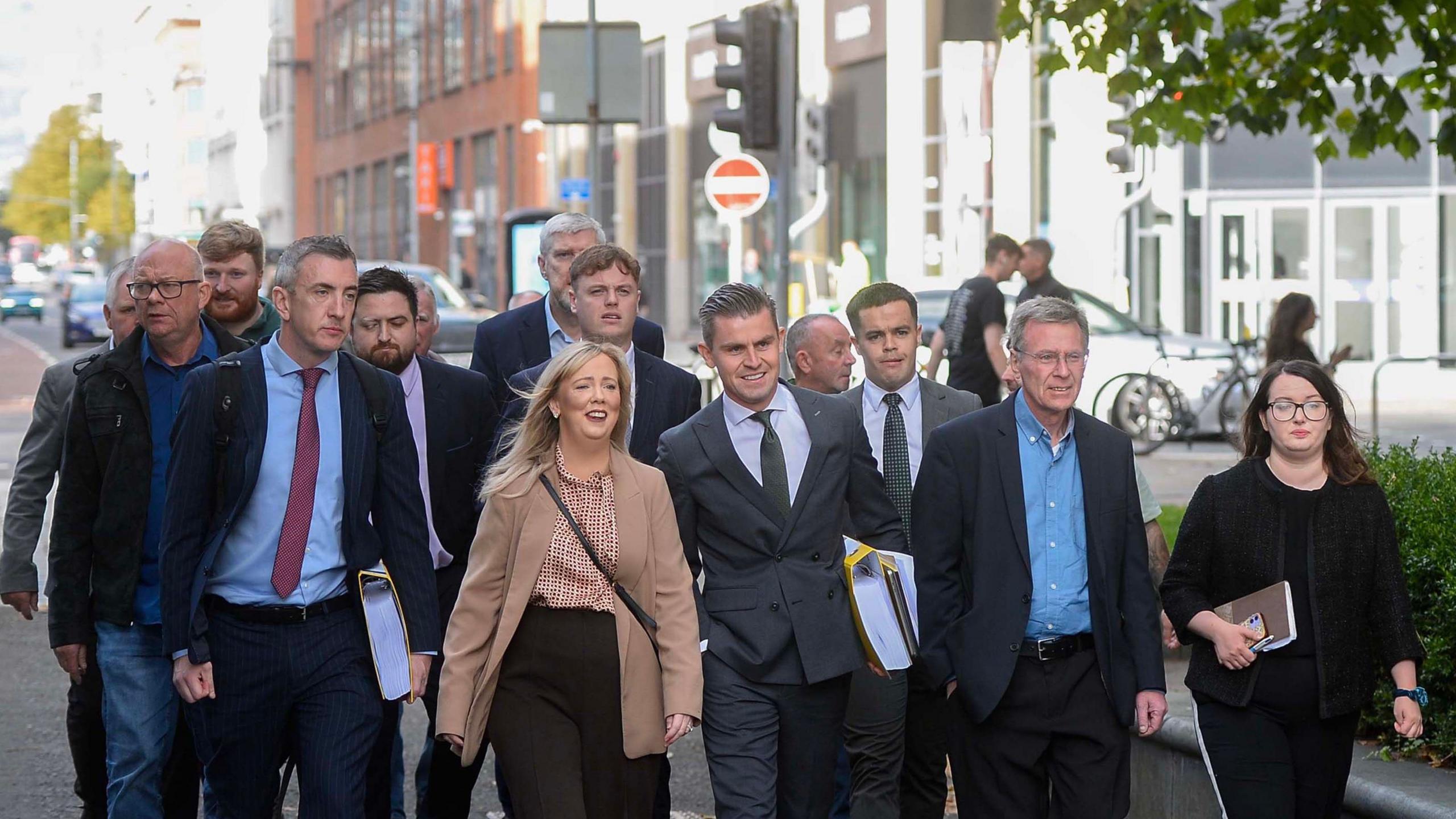 Image source, PA Media
In the Parade Commission’s determination, which was published on Friday afternoon,, external it said it had received “various written and oral submissions” from organisers, residents, police, political parties, church representatives and others.
“This decision is not, and should not be perceived, as a victory for one side or a loss for another,” the determination also stated.
The Garvaghy Road Residents’ Coalition lodged a judicial review after the commission gave the Orange Order permission to march on Garvaghy Road.
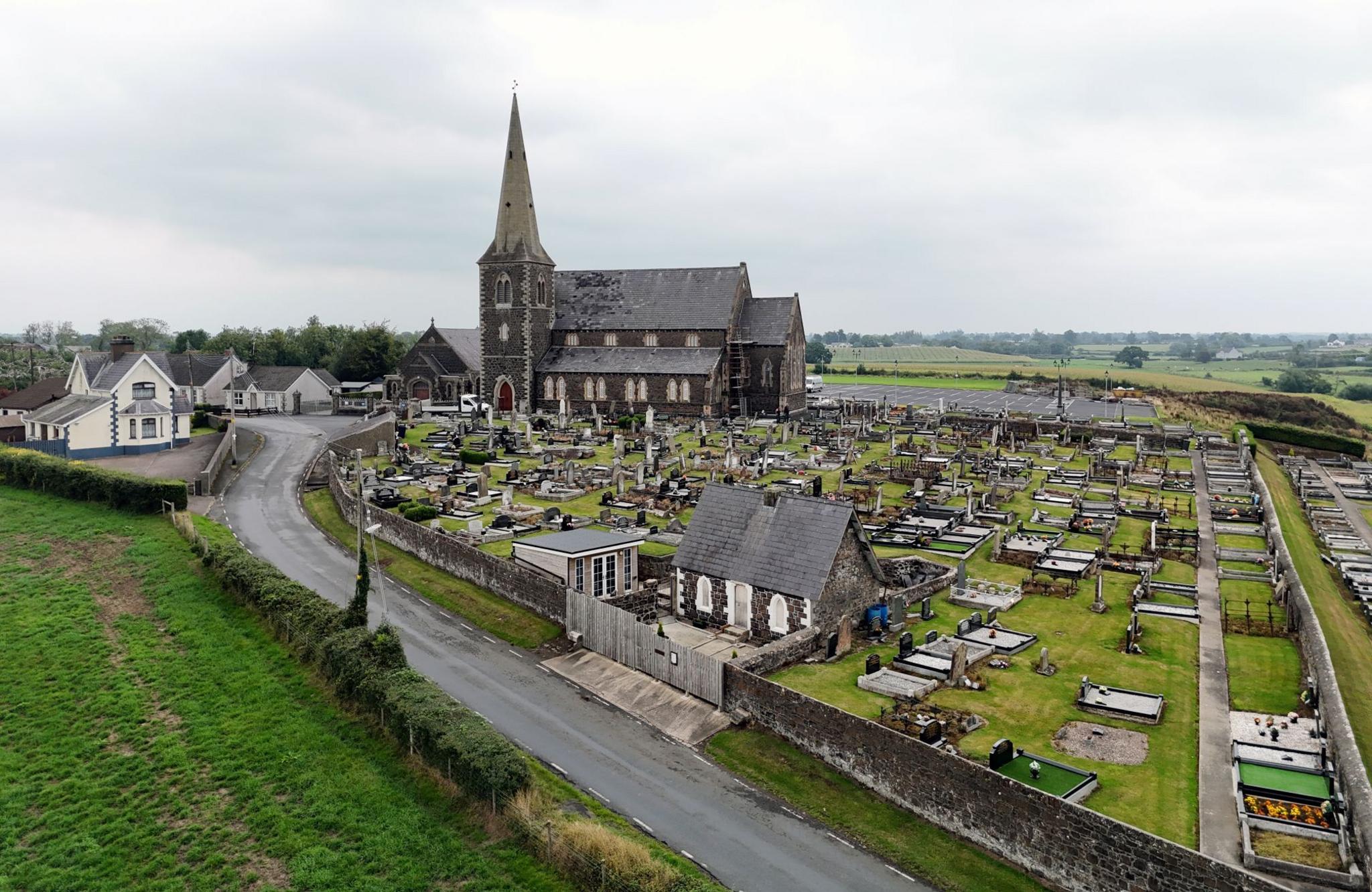 Image source, PA Media
Speaking on his way into court, Breandán Mac Cionnaith, from the coalition, said they were going to court “to convince the law to see sense”.
“We are here to seek justice for our community in Portadown.”
On Friday, group said they were ”furious” over the decision, adding that the community were “fearful about what will happen over the weekend”.
Elected representatives from Sinn Féin and the Social Democratic Labour Party (SDLP) were among the crowd outside the court on Saturday morning.
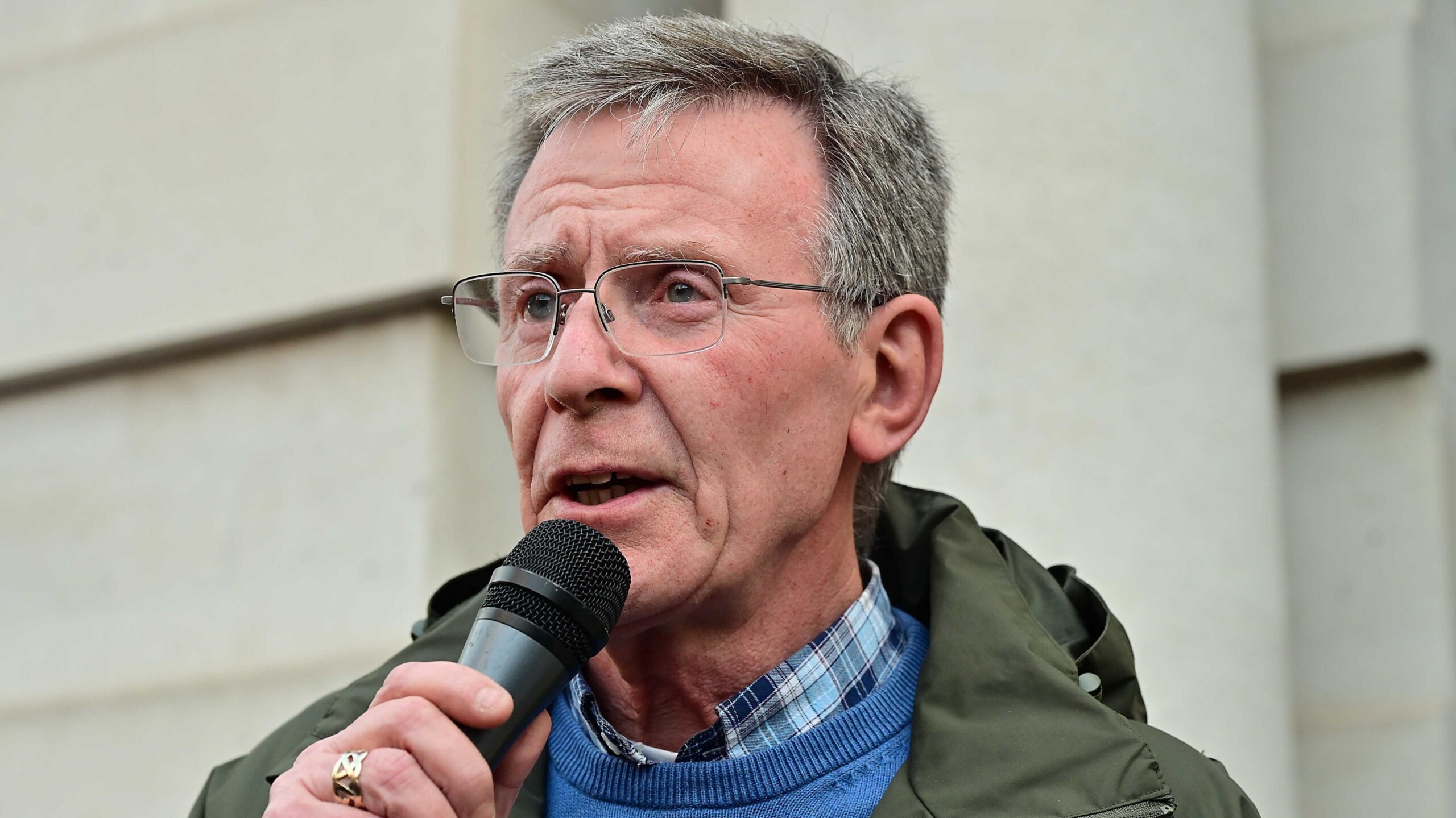 Image source, Pacemaker
The five-person commission, led by Prof Evelyn Collins, held face-to-face talks with the Orange Order earlier this week, and held a separate meeting with the residents’ coalition.
Senior police officers were also consulted about the planned parade.
Within the 31-paragraph determination by the Parades Commission, details were revealed of conversations held with the PSNI.
The document stated: “The police made both written and oral submissions, indicating that they, at the time of making them, had no information indicating that the parade would result in disorder or violence.”
The Police Service of Northern Ireland (PSNI) said it had activated “mutual aid arrangements to support contingency planning for a policing operation” in Portadown on Sunday.
It is understood about 200 officers are coming from Scotland.
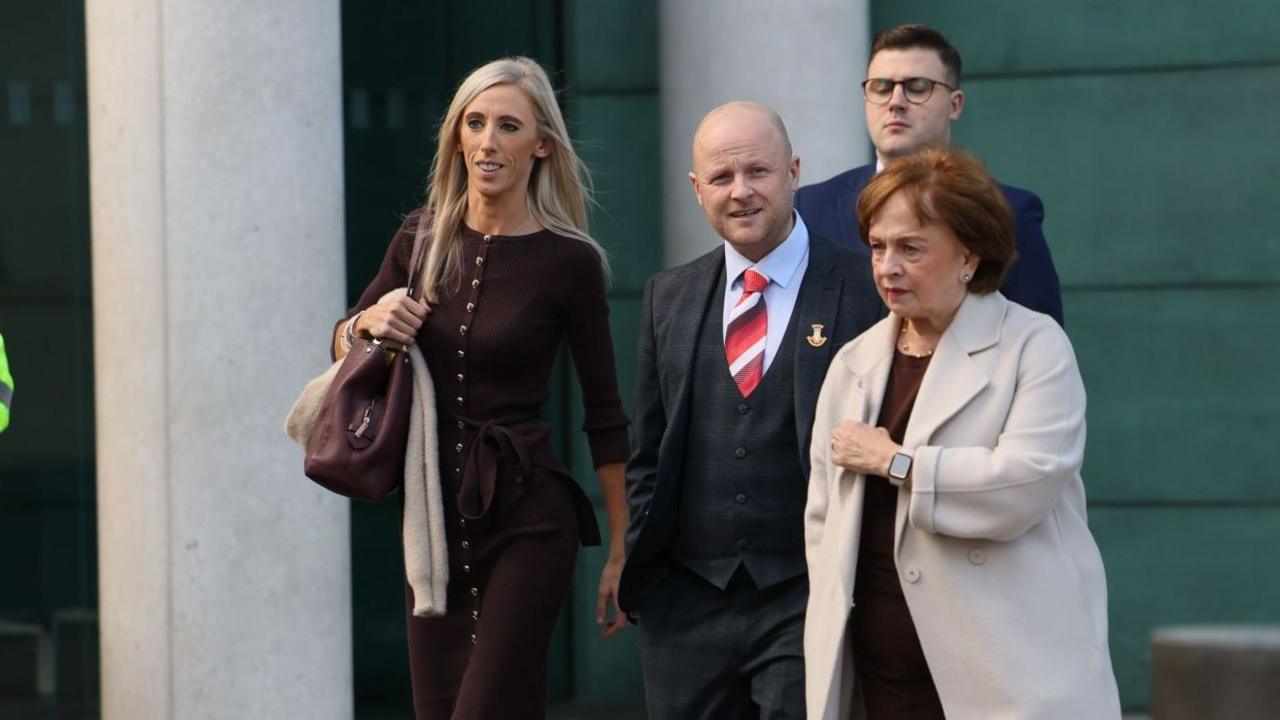 Image source, Pacemaker Press
On Friday, DUP MP Carla Lockhart said residents have “nothing to fear” and asked them not to get “caught up in hysteria”.
“Thirty-five men walking down a road silently with no bands in an orderly fashion.
“These men work, live and do business in this community,” she added.
She said Sinn Féin should “show political leadership and ensure calm remains across the community”.
Drumcree Then and Now: Part 2
The State of Us
The Parades Commission has given the Garvaghy Road march the go ahead after 28 years. Tara Mills and Declan Harvey explore the arguments that tipped the scale.
However Sinn Féin President Mary-Lou McDonald said the decision to allow the parade was “utterly reckless” adding that it shows a “complete disregard” for the rights of the community of the Garvaghy road.
“This is a grave situation, recklessness of this scale of course has implications and consequences,” she said.
She called for anyone that can intervene, including the prime minister and taoiseach, to “put this right”.
When did the Drumcree dispute begin?
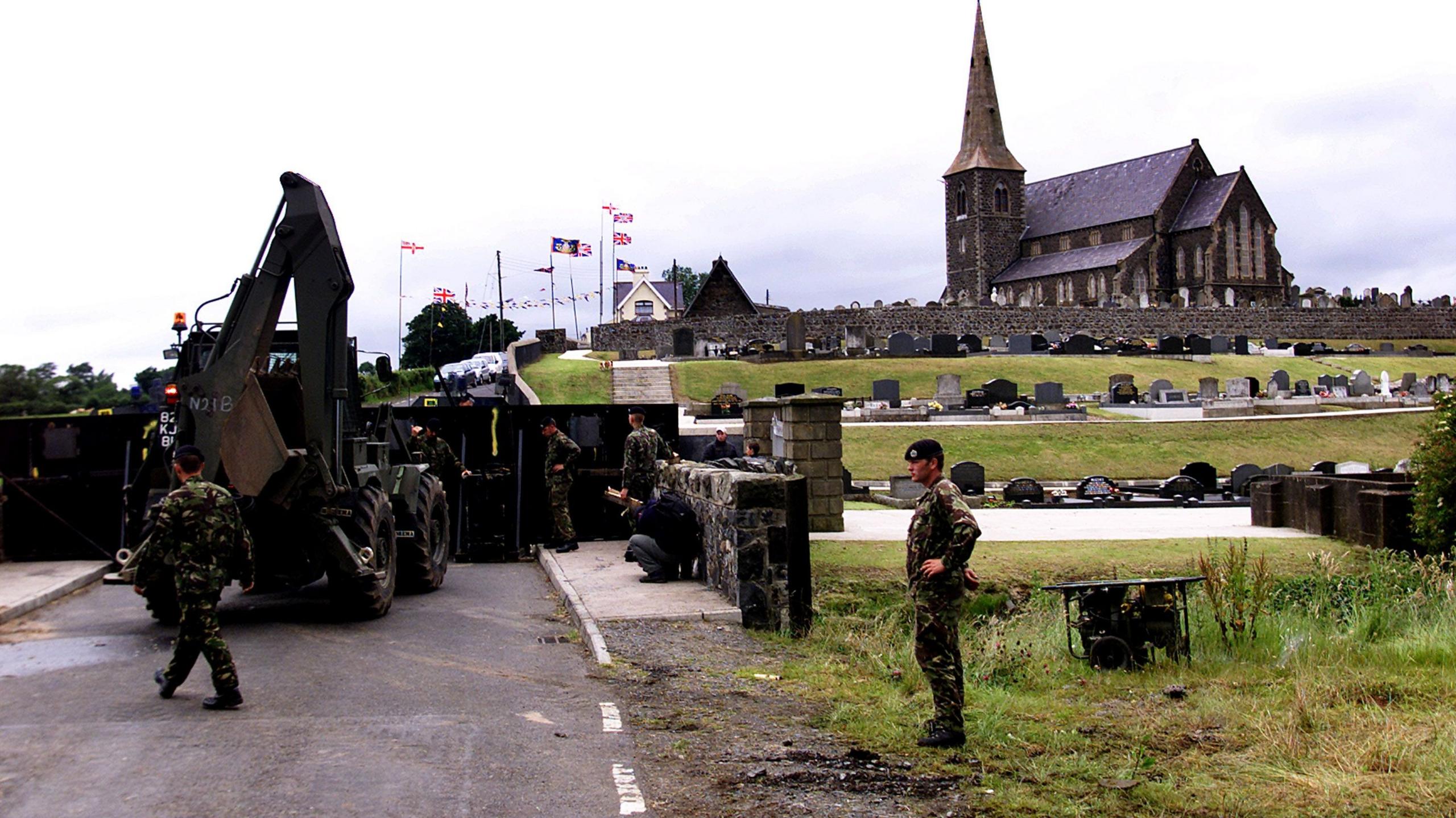 Image source, Getty Images
The Parades Commission has been in the political spotlight since its previous Drumcree determination was quashed in the High Court in August.
A review of the commission has since been ordered by the Northern Ireland Office.
The Drumcree parade dispute began in the mid-1990s and it almost derailed the peace process at the time.
Violence related to the dispute resulted in riots, roadblocks and murders.
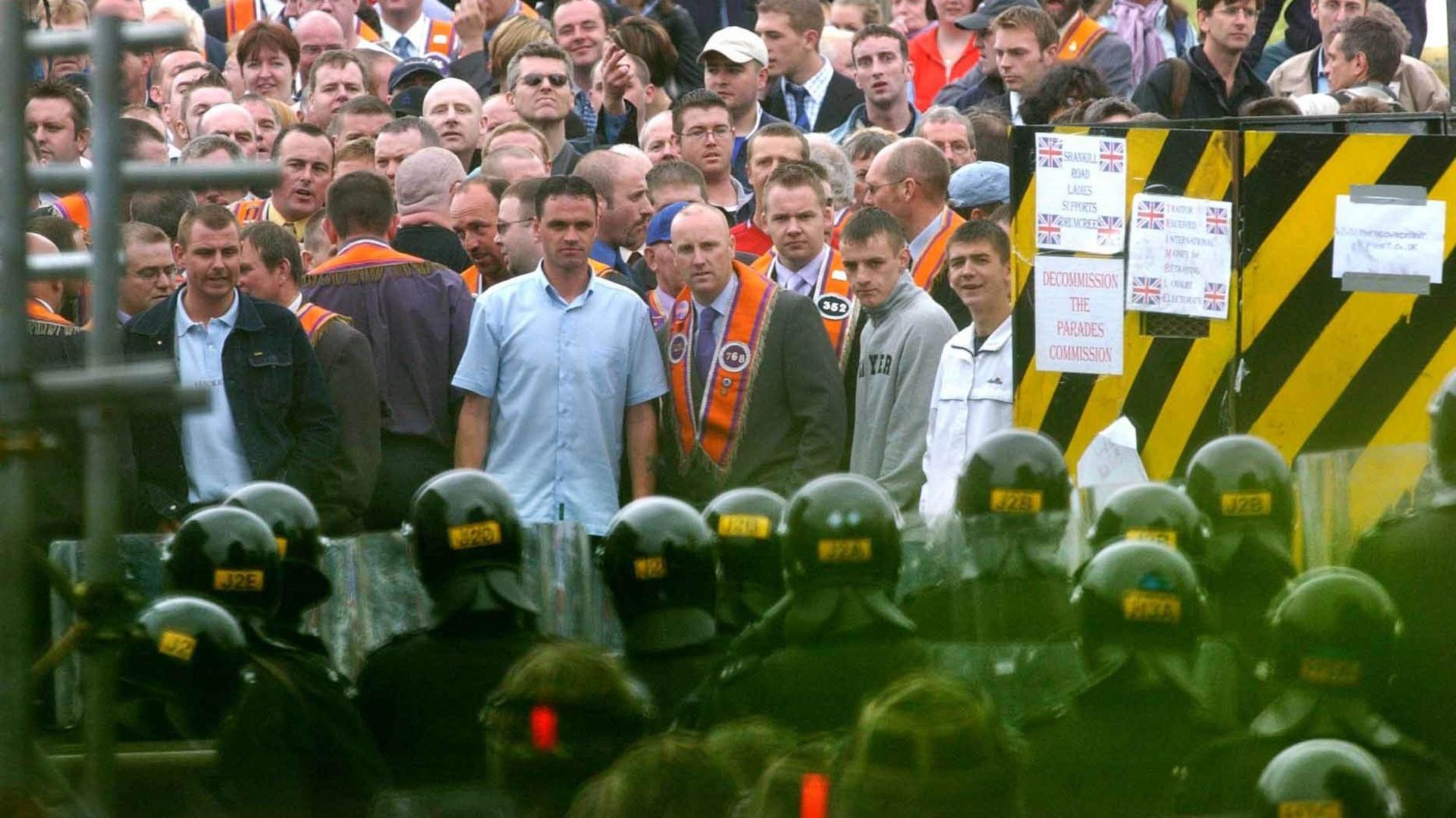
When the Orange Order was prevented by police from walking down the route in July 1995 there was a tense stand-off. It was the same for the next three years.
The Parades Commission began operating in 1998 to regulate parades and try to defuse tension around marches.
Its decision not to allow a march down the Garvaghy Road that summer has been challenged by the order over the past three decades.
-
-
Published1 day ago
-
-
-
Published3 days ago
-
-
-
Published4 days ago

-
-
-
Published25 August
-