
This post was originally published on this site.
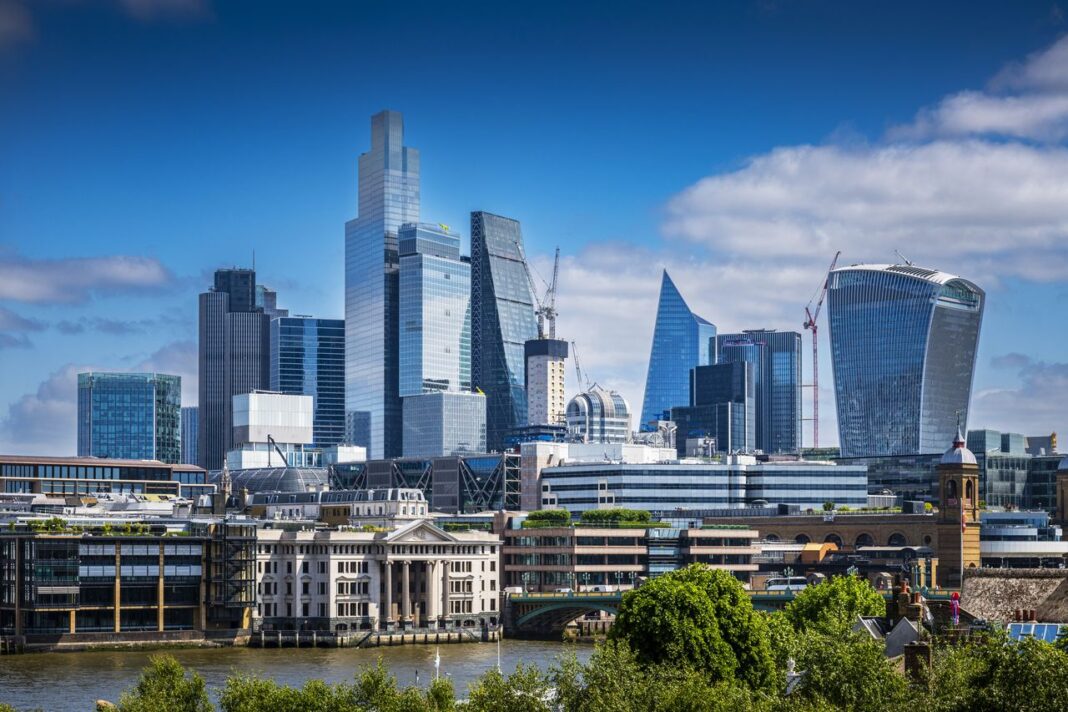
Five years ago there were lots of reports about how the finance industry was going to move from London to Paris, Amsterdam or Frankfurt. In the wake of Britain’s departure from the European Union, the City would lose its role as the main hub in the finance industry and all the jobs and tax revenues it created. Deals would have to be made within the bloc, and trades would have to settle under EU rules, so there would be little space for a country outside the EU. The only real question was which major city on the continent would take London’s place.
But traders and analysts can forget about freshly baked croissants for breakfast and two-hour lunch breaks. It turns out that the US mega-banks are not moving en masse to Paris after all. Last week, JPMorgan started moving some of its staff in Paris back to London. Its chief executive, Jamie Dimon, warned back in 2021 that the bank might well move all its European operations out of the City. Instead, it has been steadily increasing its headcount and building the biggest tower in Canary Wharf to house them all. Its plans to make Paris the centre of operations appear to have been quietly wound down.
It is not hard to understand why. President Emmanuel Macron’s promises to carve out a special regime for global bankers have come to nothing. The “temporary” tax surcharge on anyone earning more than €250,000 a year – not much for a star banker at JPMorgan – has been extended for another year. With the government paralysed and a huge deficit to fix, France will have to put up taxes again.
Sign up to Money Morning
Don’t miss the latest investment and personal finances news, market analysis, plus money-saving tips with our free twice-daily newsletter
Don’t miss the latest investment and personal finances news, market analysis, plus money-saving tips with our free twice-daily newsletter

(Image credit: KAREN MINASYAN / AFP via Getty Images)
Meanwhile, Amsterdam is about to become a no-go zone for investors. The Dutch city mounted a challenge to London that was every bit as serious as the one from Paris. With its long traditions in finance and a powerful stock market, it attracted a series of high-profile listings, including giants such as Universal Music. But now the Netherlands is planning to extend the capital gains tax at 36% even to unrealised gains. In effect, if your investments go up in value by 10% over the course of the year, you will have to pay a big chunk of that in tax, even if you have not yet cashed them in.
Even worse, you won’t be able to claim any kind of refund or allowance if those same investments fall by 10% the following year. In effect, the state will confiscate 10% of your winnings, but it won’t share in any of the losses. It will be the most punishing system of capital-gains taxation anywhere in the developed world. It is impossible to see how Amsterdam can survive as any sort of financial or business centre under that regime. As for Frankfurt, there is absolutely no sign of any banks moving to the city and the German economy remains stagnant despite the huge rise in government spending to try and get it growing again.
How the City of London can reclaim the crown
Add it all up, and this is the perfect moment for London to reclaim its place as Europe’s main financial hub. There have been modest moves in the right direction. Some of the listing rules have been relaxed, the cap on bankers’ bonuses has been lifted and a new junior market in “unquoted companies” has been created. We are promised more reforms in the King’s speech later this month. It is a start, even if only a very modest one.
But there are also obstacles: higher income taxes, the ending of non-dom status for finance staff moving from abroad, some of the highest inheritance taxes in the world, and now a higher rate of tax on interest and dividend payments as well. It may well get worse in the next Budget. None of that will do anything to persuade any more bankers to move to this side of the Channel.
The government should be doing a lot more to help. It could introduce a new version of the non-dom regime, perhaps modelled on Italy’s flat-rate tax scheme that has helped create a boom in Milan. It could turn the stock exchange into a genuinely light-touch regulatory centre for new listings. Finance remains one of the world’s largest industries and one in which Britain has huge residual strengths. Brexit has not damaged it nearly as much as everyone predicted. But the City will have to work a lot harder if it is to reclaim its crown.
This article was first published in MoneyWeek’s magazine. Enjoy exclusive early access to news, opinion and analysis from our team of financial experts with a MoneyWeek subscription.