
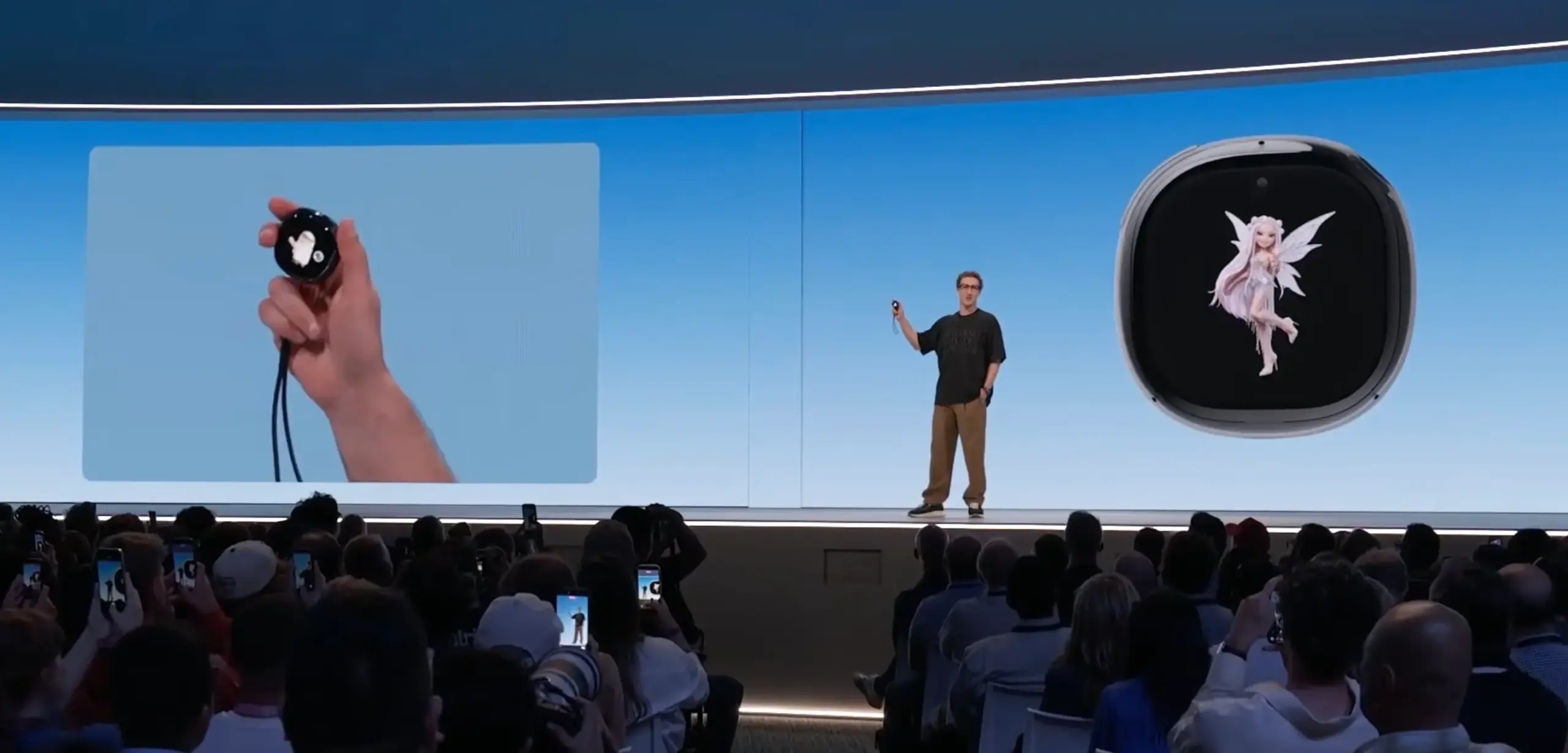
Is Meta’s just-announced Muse Charm a playful device that will make AI more approachable to everyday consumers, or will it be yet another flop in a long list of AI hardware gadgets that didn’t take off, like the Ai Pin, Rabbit, or Friend pendant? Reactions, so far, have been mixed. What the Charm is, however, is on-trend.
Like it or not, the form factor could potentially appeal to Gen Z consumers who, in this post-Labubu era, have already been into various dangling items from keychains and bags. It’s all part of a broader kitschy, retro-inspired shift in their approach to fashion and technology.
Already, Gen Z has created a market for things that dangle, with everything from lip glosses to hand sanitizers to sunblocks to fragrances and more turned into bag charms, primarily targeted at women.
Hailey Bieber’s viral Rhode lip case, which stuck the lip gloss onto a phone case, had a big influence on this idea that beauty products could also be fashion accessories, as did its other beauty-focused bag charms. (The brand saw $212 million in annual net sales from a lineup of roughly 10 products, Vogue noted last year, as the company announced its billion-dollar exit to Elf Beauty.)
Then there was the Labubu craze, which saw sales of the so-ugly-it’s-cute fuzzy monster bag charm explode, growing Pop Mart’s (the Chinese retailer behind the product) revenue to $1.8 billion in 2024, a 7x jump from 2019. While demand for the Labubu itself has since faded, the concept of the decorative bag charm has not. One analyst firm estimates the global bag charm market will grow to over $1 billion by 2030.
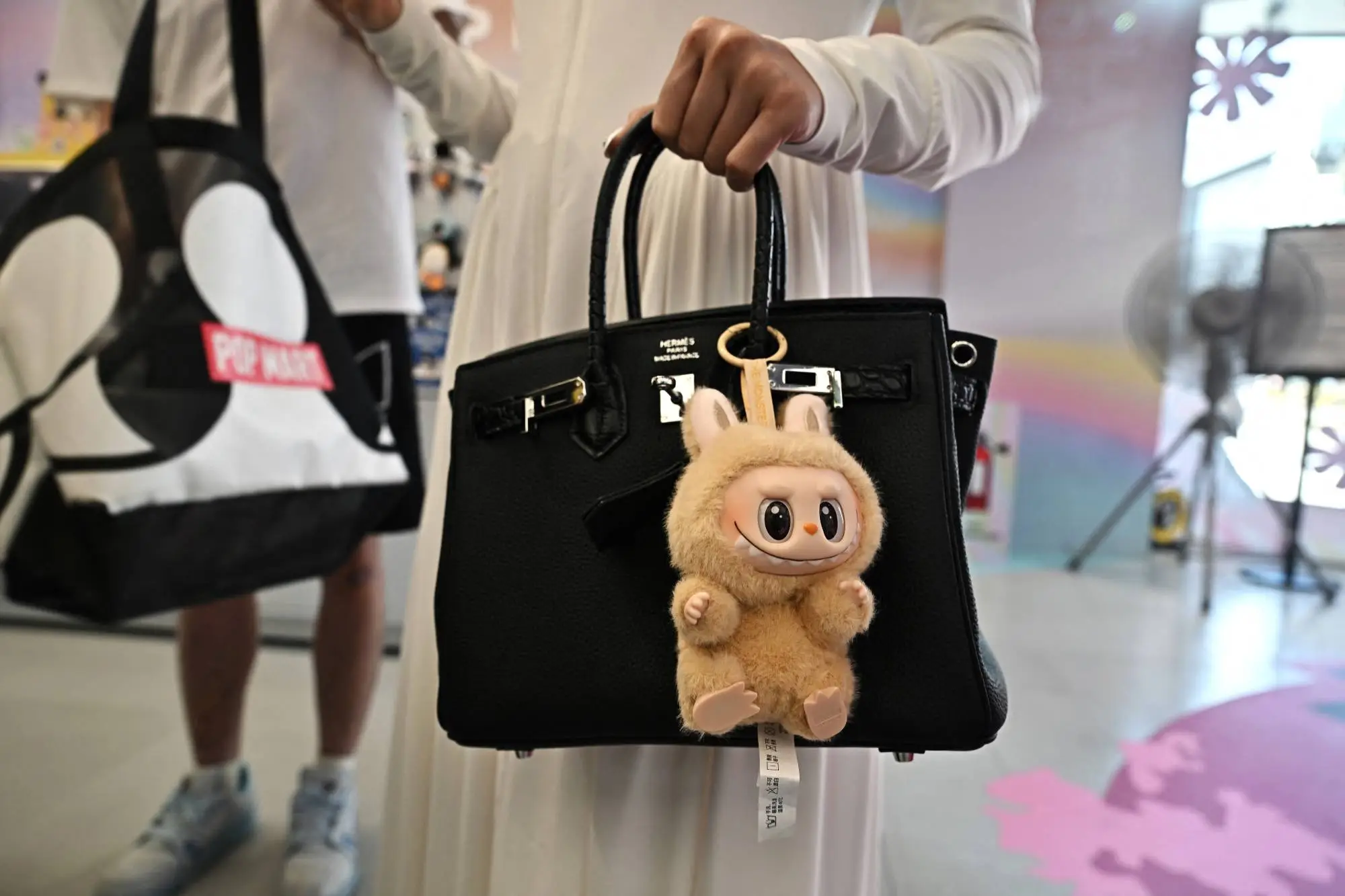
Today, bag charms can be characters, bedazzled beauty products, or other whimsical designs or objects, like Coach’s coveted cherry charms, a Gen Z favorite. They’ve proven popular because they’re a means of expressing your personality, just as humans have done for ages through their fashion choices, makeup, and jewelry.
Similarly, Meta’s Muse is a customizable character; you design your own avatar, which makes the AI agent a reflection of you, too.
And, as many have pointed out, Muse Charm’s form factor recalls a Tamagotchi, the pocket-sized digital virtual pet that became a major toy fad in the late 90s and again in the mid-2000s.
However, the Tamagotchi is not the most current reference. It seems the Muse Charm is actually a twist on what some young people are already doing with their Apple Watch. Often meant as a way to repurpose an older device, the concept of the Apple Watch keychain or charm has been growing in popularity, fueled by TikTok videos showing different ways to use the watch when not on your wrist.
On retailers like Amazon and Walmart, and marketplaces like eBay and Etsy, there are thousands of Apple Watch keychains, straps, pendants, lanyards, clips, and bag charm cases now available in nearly every style you can think of. As you might expect, these keychain watches are often being adopted by younger women as a fashion accessory first, rather than a piece of technology.
This all then intersects with the broader retro-tech trend, which has seen older tech like digital cameras, flip phones, iPods, CDs, cassette tapes, home phones, and wired earbuds making a quiet comeback.
This vibe shift in tech comes as young people describe the addictive, algorithm-driven feeds and “soulness” nature of technology as making them feel more disconnected, which has also fed into this trend of wanting tech they can touch and feel. (One startup, Clicks, is even bringing back the physical phone keyboard in a BlackBerry-inspired device, for instance.)
For Gen Z, these physical objects help them feel more connected with the technology they’re using and offer a sense of control over a world where technology has become so deeply integrated into our lives that it no longer feels like a choice to use it.
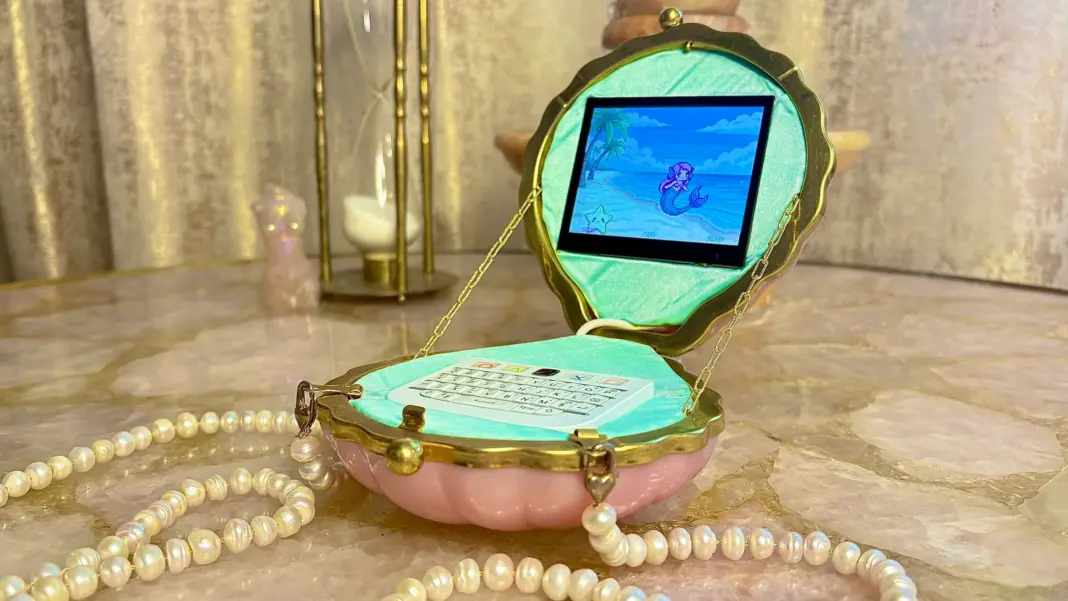
Young women, again, have been at the forefront of this trend, with some even crafting their own portable, mini computers, “cyberdecks,” which they fit inside clamshell purses or custom cases, and bedazzle with jewels, flowers, stickers, pearls, and other items to make them feel more personal.
That brings us back to the Muse Charm. While it’s clearly designed with the tech-as-fashion-accessory trend in mind, that doesn’t mean it will be a hit.
Meta has abused consumer trust over the years to such an extent that it may never fully recover.
To name just a few examples: The tech giant had to settle with the FTC over charges that it deceived consumers by making users’ private information public without their consent, and has been penalized by the FTC for numerous privacy-related violations. In 2023, the FTC charged Meta with violating a privacy order that was filed after the 2019 settlement. It’s also been repeatedly hauled before Congress over its harms to minors, has lost or settled multiple lawsuits over the same topics, and has seen various whistleblowers outing its abuses.
These careless privacy practices could ultimately see Meta lose the battle to be the consumer AI of choice… unless, of course, consumers decide that the “devil you know” is better than the one you don’t. (Especially when the latter are those warning AI could put an end to the human race.)
Meta’s end game, after all, is highly-targeted, highly-personalized ads. If that’s the privacy tradeoff in gaining access to free AI — Meta said it will monetize Muse by taking a small fee from transactions — consumers could be willing to take the risk.
When you purchase through links in our articles, we may earn a small commission. This doesn’t affect our editorial independence.