
This post was originally published on this site.
Microsoft has signed a deal with Indian startup Varaha to buy more than 100,000 tons of carbon dioxide removal credits over the next three years, through 2029, expanding its portfolio of carbon removal projects as the tech giant scales up AI and cloud operations.
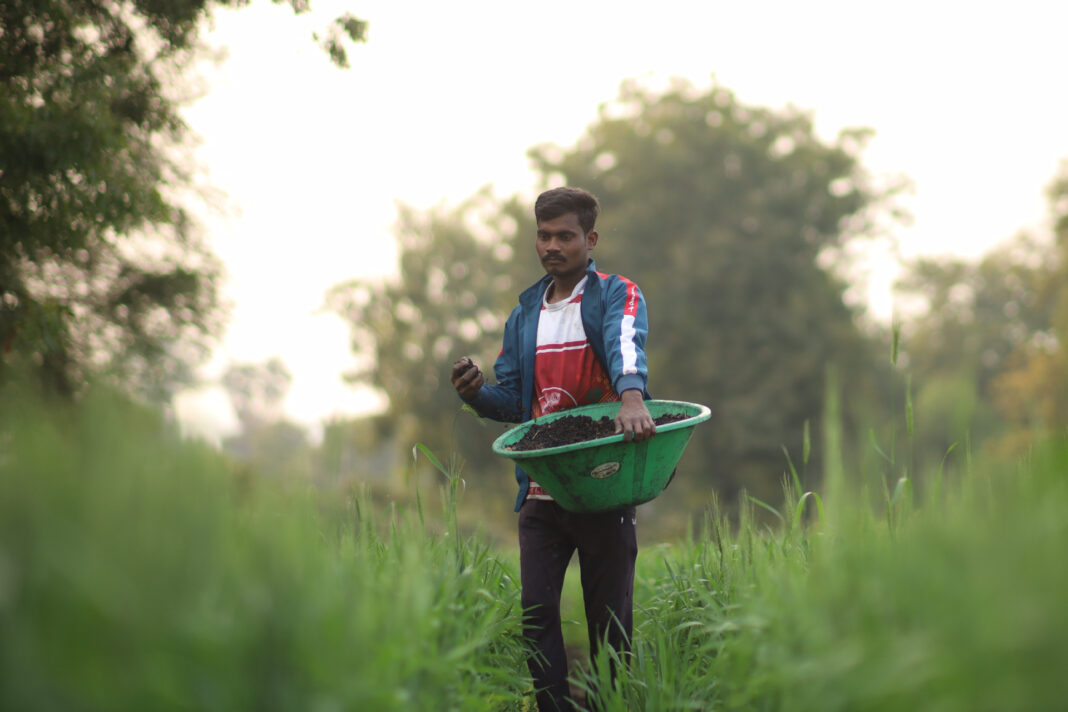
The project will turn cotton crop waste, which is often burned after harvest, into biochar — a charcoal-like material that can be added to soil, storing carbon for long periods while also helping reduce air pollution from open-field burning. It will initially focus on the western Indian state of Maharashtra and involve around 40,000–45,000 smallholder farmers.
The agreement comes as large corporations, including Microsoft, ramp up spending on carbon removal — projects designed to physically remove carbon dioxide from the air. The Redmond-based software maker is working toward its goal of becoming carbon-negative by 2030. However, Microsoft’s total greenhouse gas emissions rose 23.4% in fiscal year 2024 from a 2020 baseline, primarily driven by value-chain emissions linked to its growing cloud and AI business. Microsoft has not yet reported on its carbon progress for 2025.
With the rapid expansion of AI operations, energy use and emissions are rising, pushing companies to look beyond the U.S. for carbon removal projects that can take carbon dioxide out of the atmosphere. India has increasingly emerged as an attractive market for such projects because of its large volumes of agricultural waste and the scale of its farming economy.
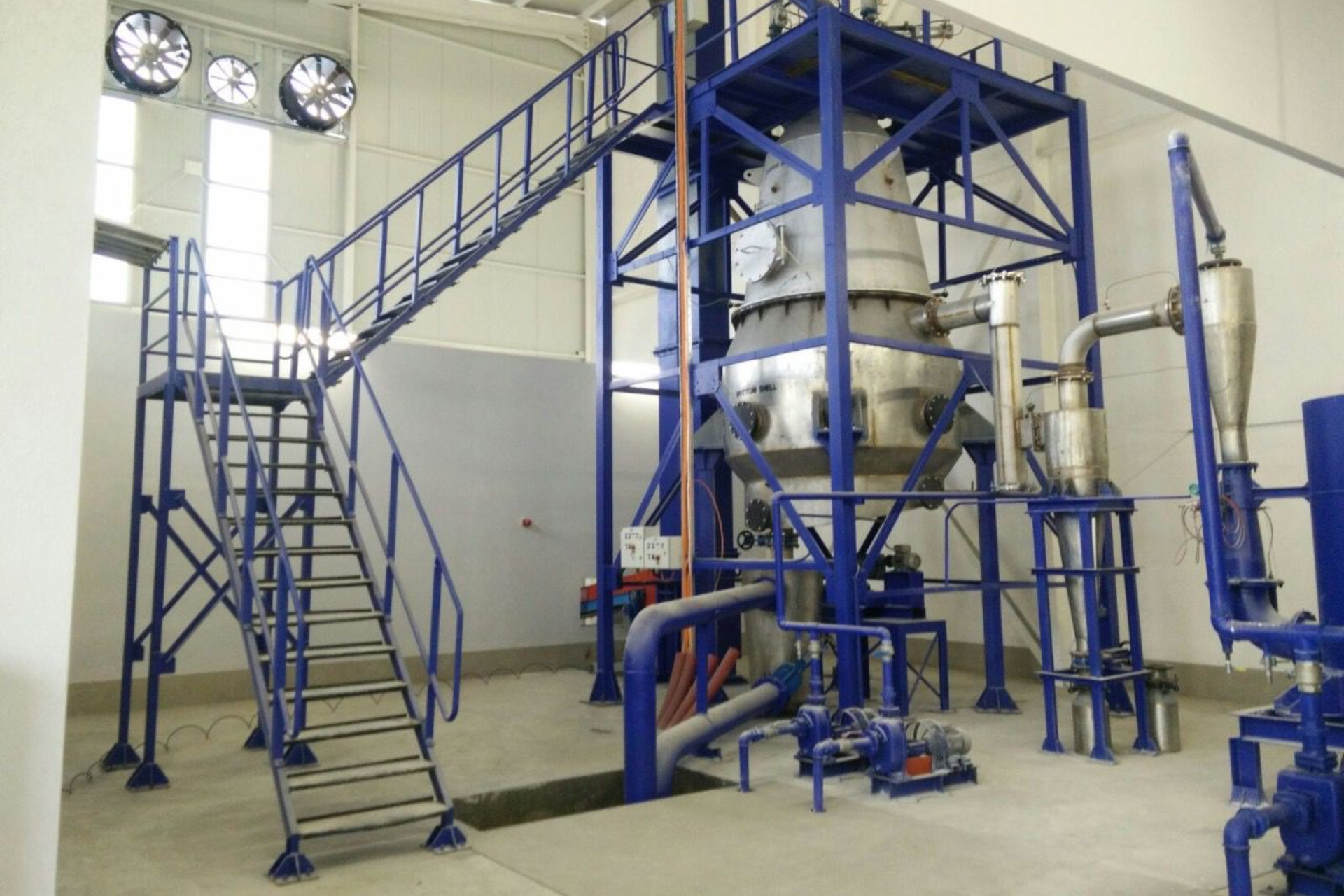
Varaha will develop 18 industrial reactors that will operate for 15 years, with a total projected removal volume exceeding 2 million tons of carbon dioxide over the project’s lifetime, the companies said in a statement on Thursday.
One of the biggest gaps in carbon removal markets is not just installing equipment to produce biochar, but running projects reliably and navigating a stringent process to issue credits. Varaha’s ability to deliver credits at scale helped it emerge as the world’s second-largest player in durable carbon deliveries and drew Microsoft’s attention, co-founder and CEO Madhur Jain said in an interview.
Microsoft’s requirements for digital monitoring, reporting, and verification meant Varaha had to build bespoke systems in-house, Jain told TechCrunch, adding that working with tens of thousands of smallholder farmers in India makes tracking and logistics far more complex than biochar projects in the U.S. or Europe that rely on biomass concentrated at a single industrial site.
Techcrunch event
San Francisco
|
October 13-15, 2026
“More than 30% of our team has worked in agriculture,” Jain said, adding that the experience has helped Varaha design systems that work on the ground with farmers.
The project’s first reactor will be located next to Varaha’s 52-acre cotton research farm in Maharashtra, where the startup works with farmers to test practices such as applying biochar to soil under real-world conditions. The startup plans to scale up to 18 reactors across India’s cotton-growing belt under Microsoft’s commitment.
Varaha has rapidly scaled its biochar operations over the past year, Jain said. In 2025, it processed about 240,000 tons of biomass, producing roughly 55,000–56,000 tons of biochar and generating around 115,000 credits, up from around 15,000–18,000 a year earlier, he added.
The startup expects volumes to rise further as new contracts kick in, with Jain saying it aims to at least double its 2025 throughput in 2026 to around half a million tons of biomass and close to 250,000 tons of carbon sequestered.
Currently, Varaha has 20 projects in total across India, Nepal, and Bangladesh — 14 in advanced stages and another six in early stages — spanning regenerative agriculture, biochar, agroforestry, and enhanced rock weathering and works with around 150,000 farmers. These projects have the potential to sequester about 1 billion tons of carbon dioxide over lifetimes ranging from 15 to 40 years, Jain said.
Beyond carbon credits, the latest project aims to reduce open burning of cotton stalks, which contributes to seasonal air pollution in parts of India, while returning biochar to farms to improve soil health and reduce dependence on chemical fertilizers.
“This offtake agreement broadens the diversity of Microsoft’s carbon removal portfolio with Varaha’s biochar project design that is both scalable and durable,” said Phil Goodman, Microsoft’s CDR program director, in a prepared statement.
While the Varaha deal highlights Microsoft’s push to diversify its carbon removal portfolio, the volumes remain small compared with its overall footprint, as the software giant reported (PDF) total greenhouse gas emissions of 15.5 million metric tons of carbon dioxide equivalent in FY2024.
Microsoft contracted for about 22 million metric tons of carbon removals in FY2024 as part of its carbon-negative strategy. In recent months, Microsoft has signed a string of large carbon removal agreements. These include backing AtmosClear’s Louisiana project to remove 6.75 million metric tons of carbon dioxide over 15 years, and agreeing to buy 3.6 million carbon removal credits from a biofuels plant in Louisiana owned by C2X.
Like Microsoft, Google has also been signing carbon removal deals as the rapid AI advancements push up energy use and emissions. Google agreed to buy 100,000 tons of carbon removal credits from Varaha in January 2025, as its largest biochar deal.
Since its inception in 2022, Varaha has raised around $50 million across different instruments. The startup counts RTP Global, Omnivore, Orios Venture Partners, IMC Pan Asia Alliance Group’s Octave Wellbeing Economy Fund, and Japan’s Norinchukin Bank among its backers. In November, Mirova — a French climate-focused investment firm backed by Kering and other corporate investors — invested $30.5 million in Varaha to expand its regenerative farming program.