
This post was originally published on this site.
My life was changed by a terror attack – now survivors like me won’t be forgotten
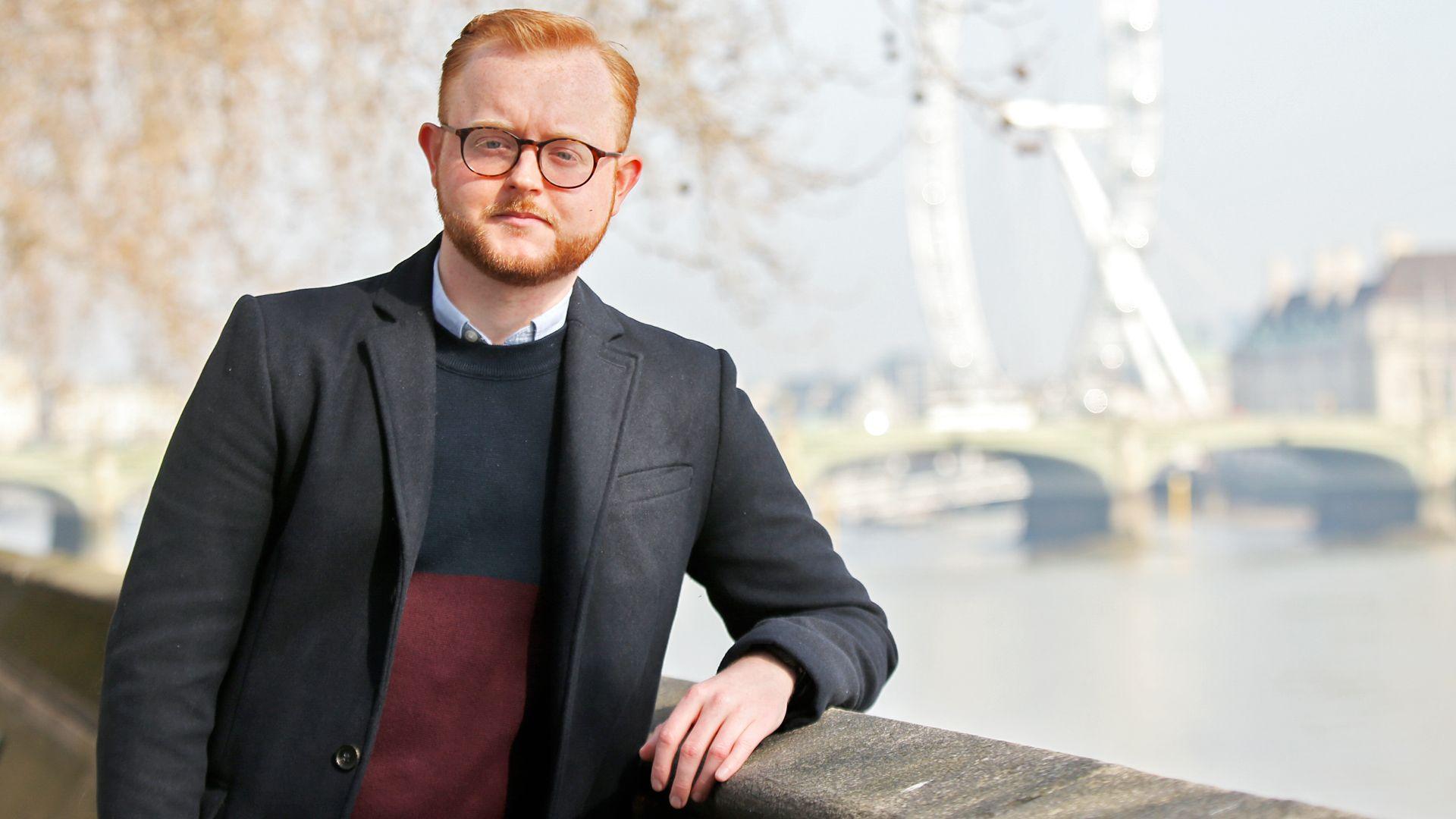 Image source, PA Media
-
Published
Travis Frain was texting his mates a photo he had just taken of Big Ben on a university trip to London when his day turned from normal to anything but.
“One of the guys in my group shouted ‘look out’ and as I looked up from my phone the terrorist’s car was in front of me.
“It was a split second really before the car hit me. I went over the bonnet, into the air, before landing back on the ground.”
This was 22 March 2017, when attacker Khalid Masood drove his car into crowds, killing four, before stabbing a police officer to death outside Parliament.
Frain, then 19, was left with multiple injuries including a fractured leg, which took two years to heal. “There will always be a part of you affected by that attack.”
Now 28, he spoke to BBC News as the UK’s first national day for victims and survivors of terrorism is set to take place on Friday.
‘Morally correct to remember’
Mirroring similar fixtures in European countries, the UK government has said the day aims to recognise those impacted by terrorism including victims and their families, witnesses and the emergency services.
At its centre is an event in London on Friday afternoon with a two-minute silence for those lost to terrorism and readings from people affected by it. The event will be staged in locations around the UK in future years.
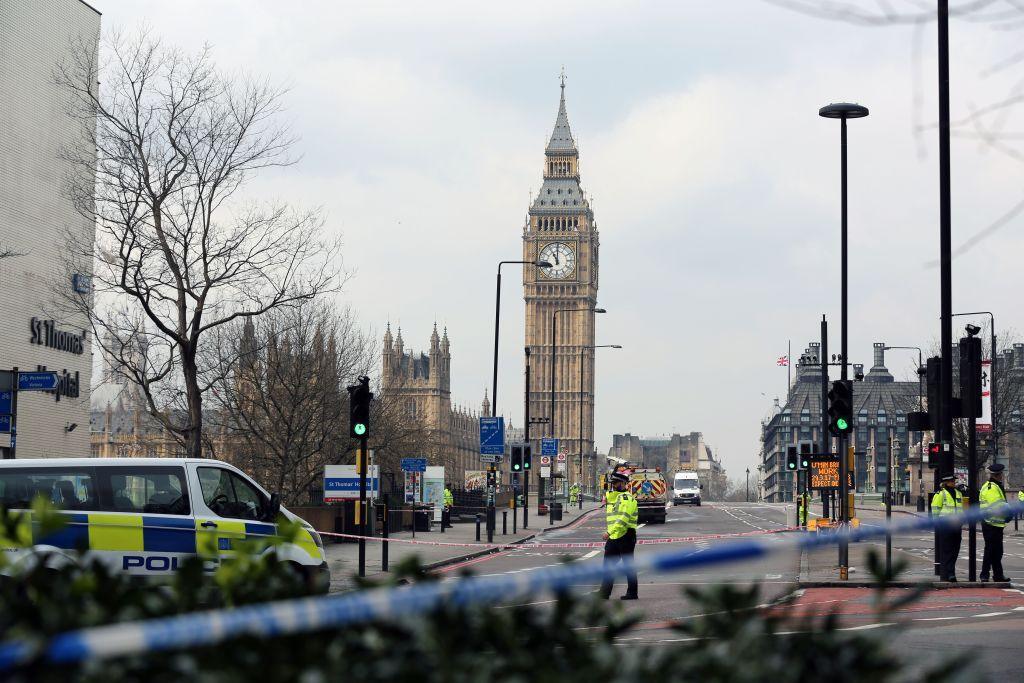 Image source, Anadolu Agency/Getty Images
Frain, who has campaigned for this day for nearly five years, said he feels recognition and memorials for terror victims “often go under the radar”.
“As a society, it is right and morally correct that we should be remembering those lost to terrorism,” he said, adding that victims were “often not targeted as individuals but as representatives of something far greater – the nation, the nation’s values; the values we’re all meant to hold I’m sure.”
At the same time, the day will be about encouraging people to “keep an eye on each other” as “we all have a role to play” in stopping terrorism, he added.
In May, the UK’s terror threat was raised to “severe”, meaning an attack is highly likely. A record nearly 10,000 people were referred to Prevent, the government’s anti-terrorism scheme, in the year to September 2025.
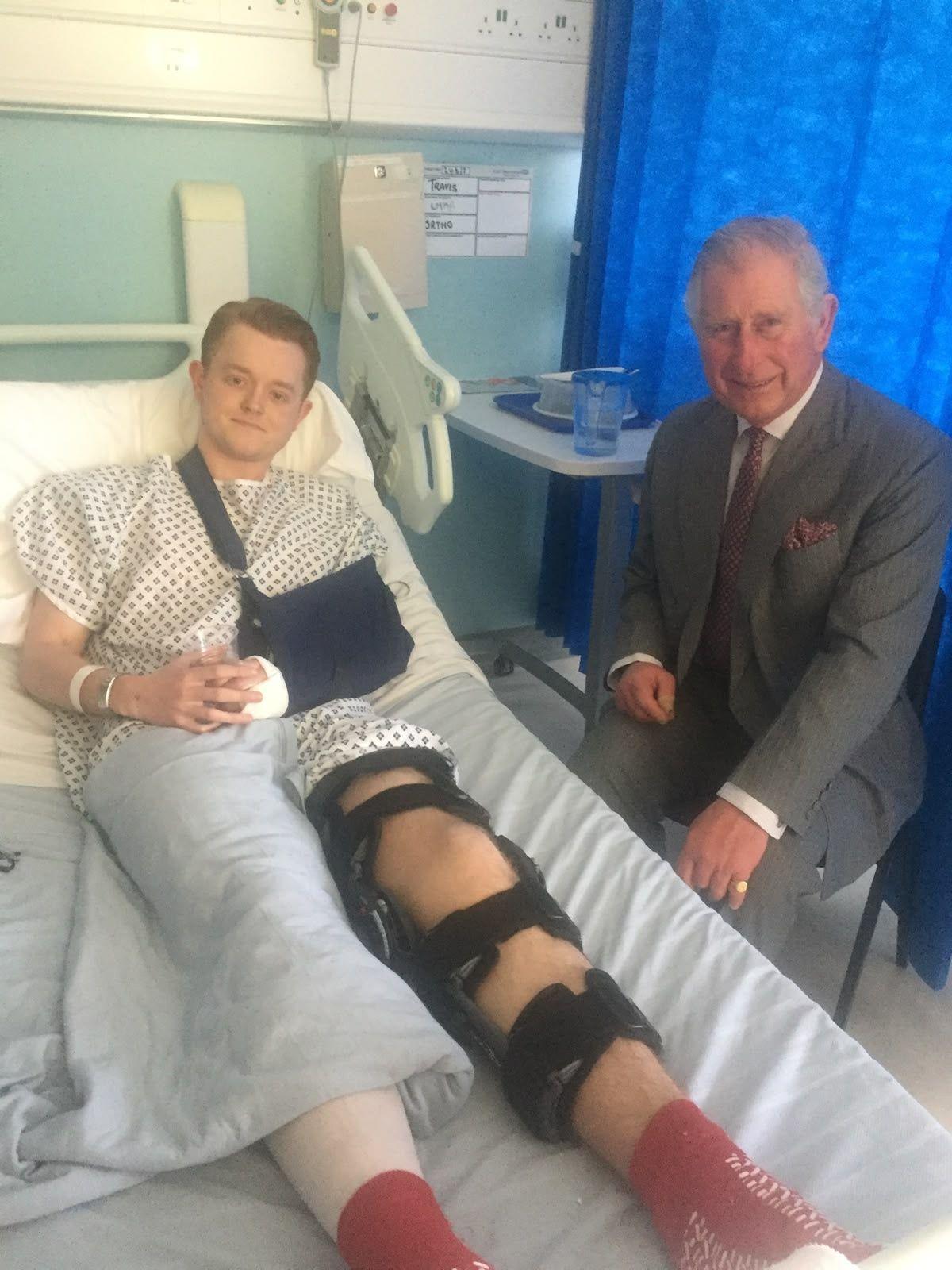 Image source, Travis Frain
The idea for a national day for terror victims and survivors came about after a Home Office review, external found many needed more support.
But many who have campaigned for the day still feel more needs to be done to help survivors.
A report, released on Friday by the Survivors Against Terror (SAT), said while psychological support for victims had improved, no progress had been made to the state compensation scheme for terror victims, the Criminal Injuries Compensation Authority.
SAT’s co-founder Brendan Cox, whose wife MP Jo Cox was murdered by a neo-Nazi in 2016, welcomed the national day but warned “survivors also want it to be a moment of accountability”.
“We’re not talking large sums of money, we’re talking about a process that dehumanises people where if you’re a survivor of a terror attack, you can only claim for the first three injuries you have despite the fact you might have 80 or 90 or 100 pieces of shrapnel in your body,” Cox said.
“At the moment we still have members who don’t have the resources to build a downstairs toilet following attacks that have left them struggling to walk,” added Lisa Ghiggini, who survived the Fishmonger’s Hall attack in 2019.
The Ministry of Justice, which is responsible for the taxpayer-funded scheme, where victims self-classify the type of incident, said £180m was paid out last year for all types of violent crime including terrorism.
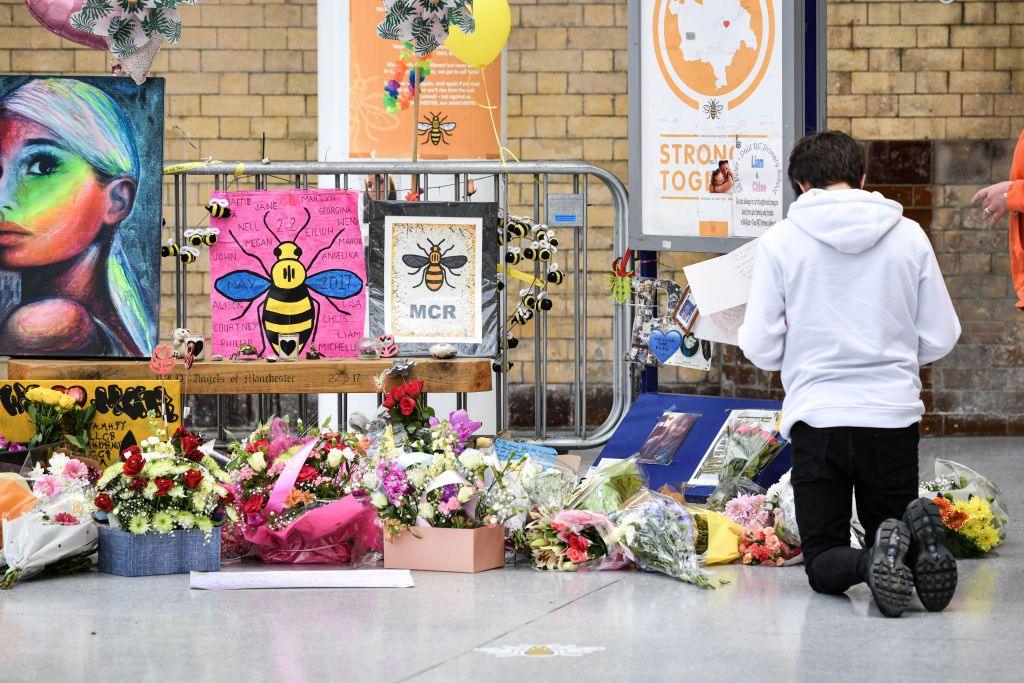 Image source, LightRocket/Getty Images
The chosen date for the national day of 21 August coincides with the UN International Day of Remembrance and Tribute to the Victims of Terrorism, which began in 2017.
While the UK event will take place in London for its debut year, the Home Office has said people across the country can mark it at home by observing a moment of reflection and sharing posts about the day on social media.
Frain said he knows of many terror survivors who can never return to London, as they remain too harrowed what they experienced in attacks.
He returned to Westminster Bridge just two days after the 2017 attack – while still injured – to “desensitise” himself and he plans to return to the capital on Friday with a similar defiance.
He hopes the King, another royal, Prime Minister Andy Burnham, or a senior cabinet minister will turn up to hear from survivors.
“It’s those individuals that provide the national aspect – it can’t just be victims in a room talking to one another.”
Get in touch
How have you been affected by the issues raised in this story? Tell us your story.

Get our flagship newsletter with all the headlines you need to start the day. Sign up here.
-
-
Published3 October 2018
-
-
-
Published6 August
-
-
-
Published7 July 2025
-