
This post was originally published on this site.
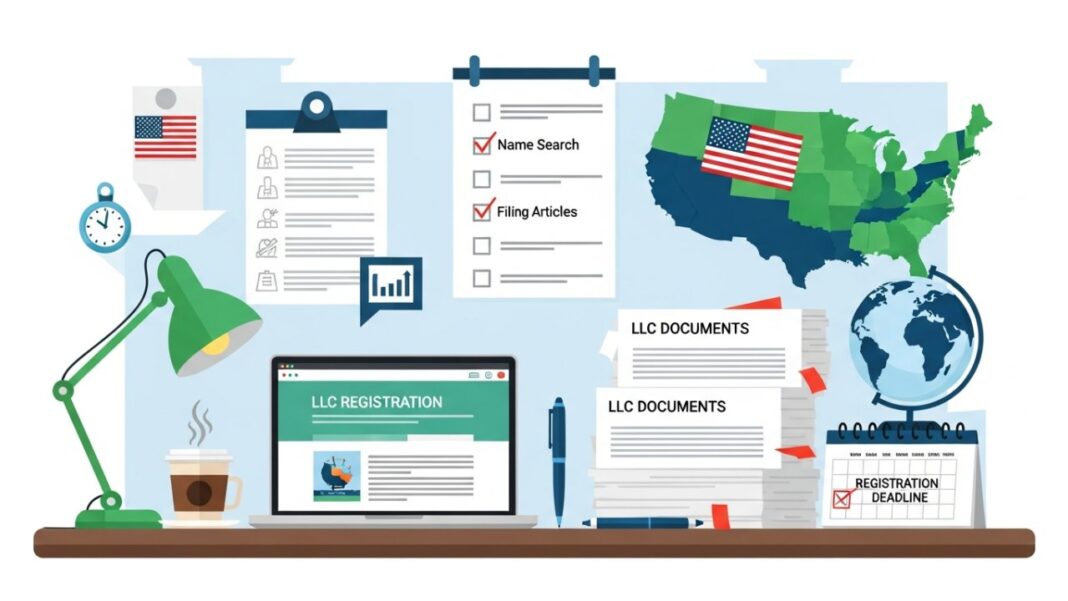
If you’re considering starting a business in the USA, managing LLC registration can seem intimidating. You’ll need to choose the right state, file the necessary documents, and appoint a registered agent. It’s likewise vital to understand ongoing compliance requirements to keep your LLC in good standing. Each step has specific details that can impact your business’s success. To guarantee you’re well-informed, let’s explore the fundamental aspects of this process further.
Key Takeaways
- Choose the appropriate state for LLC formation based on tax benefits and regulations relevant to your business.
- File the Articles of Organization, providing necessary business details and ensuring compliance with state naming regulations.
- Appoint a registered agent with a physical address in the state for compliance and legal correspondence.
- Obtain an Employer Identification Number (EIN) for tax purposes, essential for banking and hiring employees.
- Stay informed about ongoing compliance requirements, including annual reports and franchise taxes, to maintain the LLC’s good standing.
Understanding LLCs and Their Structure

When you consider starting a business, a Limited Liability Company (LLC) might be one of the most appealing options available. LLCs combine the benefits of corporations and partnerships, protecting your personal assets from business debts and liabilities.
You can structure your LLC as a Single-Member or Multi-Member entity, depending on your ownership needs. The IRS treats LLCs as pass-through entities, meaning profits are reported on your personal tax returns, simplifying taxation.
Management can be member-managed, where all members handle operations, or manager-managed, where designated individuals oversee daily decisions.
While not legally required in every state, creating an operating agreement is recommended; it outlines the management structure and operational procedures.
If you’re wondering how to start an LLC for free, many states offer resources to guide you through the registration process, allowing you to establish your business efficiently.
Key Requirements for Non-Residents
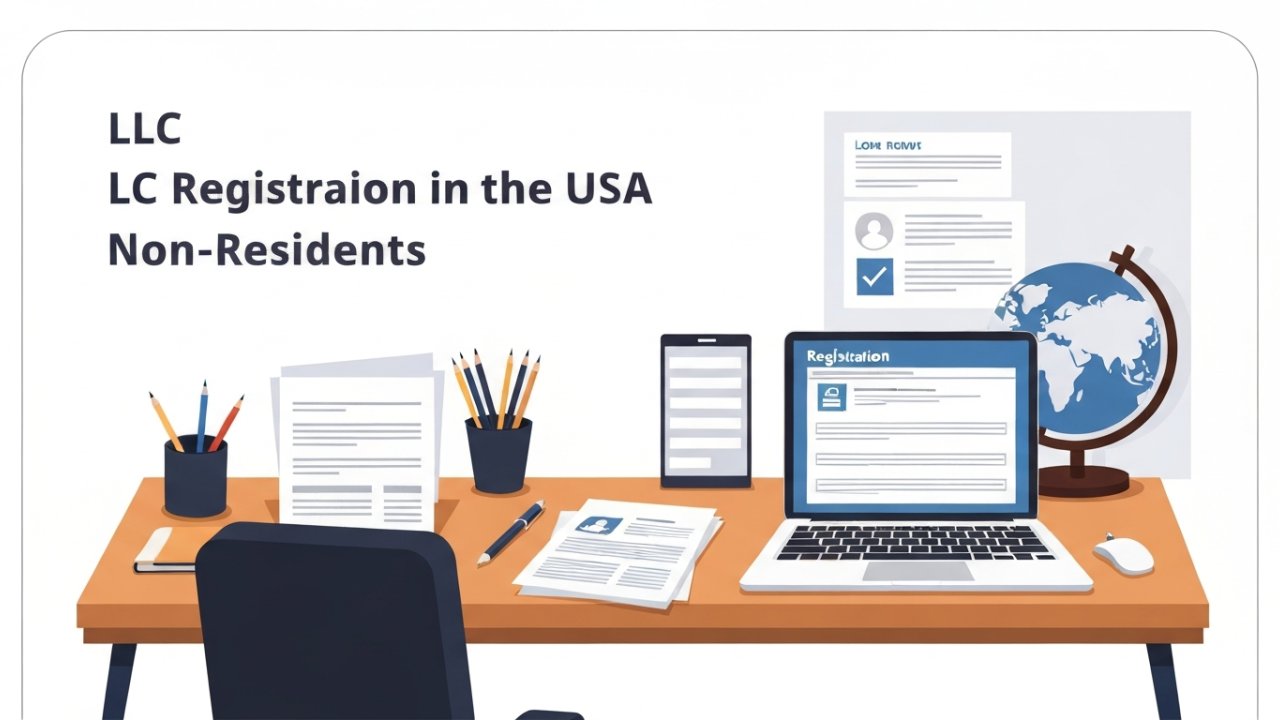
If you’re a non-resident looking to register an LLC in the USA, there are key requirements you need to meet.
You’ll need to appoint a registered agent with a physical address in your chosen state, obtain an Employer Identification Number (EIN) for tax purposes, and be aware of additional banking and tax documentation requirements that may apply to you.
Grasping these elements will help streamline your LLC formation process and guarantee compliance with state regulations.
Registered Agent Necessity
One vital aspect of forming an LLC as a non-resident in the U.S. is the requirement to appoint a registered agent.
This agent, who must have a physical address in the state of registration, plays a significant role in guaranteeing compliance with state laws. P.O. Boxes aren’t acceptable, and the agent must be available during normal business hours to receive legal documents, including tax notices.
Many non-residents opt for registered agent service providers, which helps maintain privacy and secures compliance without needing a physical presence in the U.S.
Employer Identification Number
A significant step in establishing your LLC as a non-resident in the U.S. is obtaining an Employer Identification Number (EIN).
This number is fundamental for opening a business bank account, hiring employees, and filing taxes. Fortunately, the IRS issues EINs for free, and you can apply online or via mail using Form SS-4.
When applying, you’ll need to provide a valid reason for needing an EIN, such as operating a business. Keep in mind that applications may require a U.S. mailing address.
To simplify the process, you might consider working with a registered agent. By securing your EIN, you’re taking an important step toward how to get an LLC for free as you separate personal and business finances effectively.
Bank Account Requirements
Opening a business Bank of America account as a non-resident requires careful attention to specific requirements that vary by institution.
To successfully navigate this process, you’ll need to gather vital documents. Here are three key requirements for your LLC registration in the USA:
- Employer Identification Number (EIN): You’ll need this from the IRS for tax purposes.
- Physical Presence: A registered agent or business address in the state where your LLC is formed is often necessary.
- Documentation: Many banks require your LLC’s Articles of Organization and Operating Agreement, along with personal identification like a passport.
Having a U.S. business American Express account is important for maintaining liability protection and separating your personal and business finances effectively.
Steps to Register an LLC

When you’re ready to register your LLC, the first step is to choose the right state for formation, weighing factors like tax benefits and business regulations.
Next, you’ll need to file the Articles of Organization, which typically requires details about your business and some filing fees.
Finally, don’t forget to obtain any necessary permits to guarantee your LLC operates legally and effectively.
Choose Your State
Choosing the right state for your LLC registration can greatly impact your business’s success. Consider these key factors:
- Tax Benefits: Some states offer lower tax rates or exemptions that can save you money.
- Business-Friendly Policies: States like Delaware and Wyoming have streamlined processes, making it easier to start your LLC.
- Ongoing Compliance Requirements: Be aware of filing fees and annual report costs, which can range from $0 to over $200.
Selecting a state where you plan to conduct business is essential; otherwise, you might face complications registering as a Foreign LLC elsewhere.
Research thoroughly to choose wisely, and consider using the best LLC service to guide you through this process efficiently.
File Articles of Organization
Filing the Articles of Organization is a crucial step in officially establishing your LLC. This document includes key details such as your LLC name, business purpose, principal address, and registered agent information.
To file articles of organization, you’ll need to submit them to your state’s Secretary of State or equivalent agency. Filing fees vary by state, ranging from $30 to $350, with an average cost around $132.
Most states allow online submission, expediting the approval process, which can be immediate or take up to two weeks if mailed. Make certain your LLC name complies with state regulations, including the necessary designator like “LLC” or “Limited Liability Company,” to avoid rejection and secure your Certificate of Formation.
Obtain Necessary Permits
After successfully filing your Articles of Organization, the next step is to obtain the necessary permits and licenses to operate your LLC legally. Requirements vary by state and business type, so it’s important to research thoroughly.
[embedded content]
Here are three common permits you might need:
- General business licenses to operate legally in your city or state.
- Seller’s permits for collecting sales tax, critical for retail businesses.
- Industry-specific licenses, such as those for healthcare or construction.
Failing to secure the appropriate permits can lead to fines or even business closure, making compliance essential.
Common Pitfalls and Considerations

When registering an Delaware, Wyoming, and Nevada in the USA, it’s important to be aware of common pitfalls that can create complications down the line. Choosing the wrong state can lead to unfavorable tax implications, so consider states like Delaware, Wyoming, and Nevada for their advantages. Furthermore, missing annual report deadlines or tax submissions can result in penalties or dissolution of your LLC.
Here’s a quick overview of key pitfalls:
| Common Pitfalls | Considerations |
|---|---|
| Wrong state selection | Research tax benefits of different states |
| Missing deadlines | Stay organized with a calendar |
| Lack of an EIN | Vital for hiring and banking |
Finally, confirm all paperwork is accurate, as delays from errors can slow your registration process. Comprehending how much it costs to set up an LLC is also fundamental to avoid surprises later.
Costs and Timeframe for LLC Formation

Grasping the costs and timeframe associated with LLC formation is crucial to ensuring a smooth registration process.
When considering how much it costs to incorporate an LLC, keep these factors in mind:
- Filing Fees: Typically range from $30 to $350, with an average of around $132.
- Ongoing Fees: Expect annual report filings at an average cost of $91, varying considerably by state.
- Timeframe: Online filings may process immediately or within two weeks, whereas mail filings can take longer.
It’s vital to budget for both initial formation costs and ongoing compliance expenses to maintain good standing with the state throughout the LLC’s operation.
Grasping the costs and timeframe for LLC formation helps you plan effectively, ensuring you aren’t caught off guard by unexpected expenses or delays.
Ongoing Compliance and Support
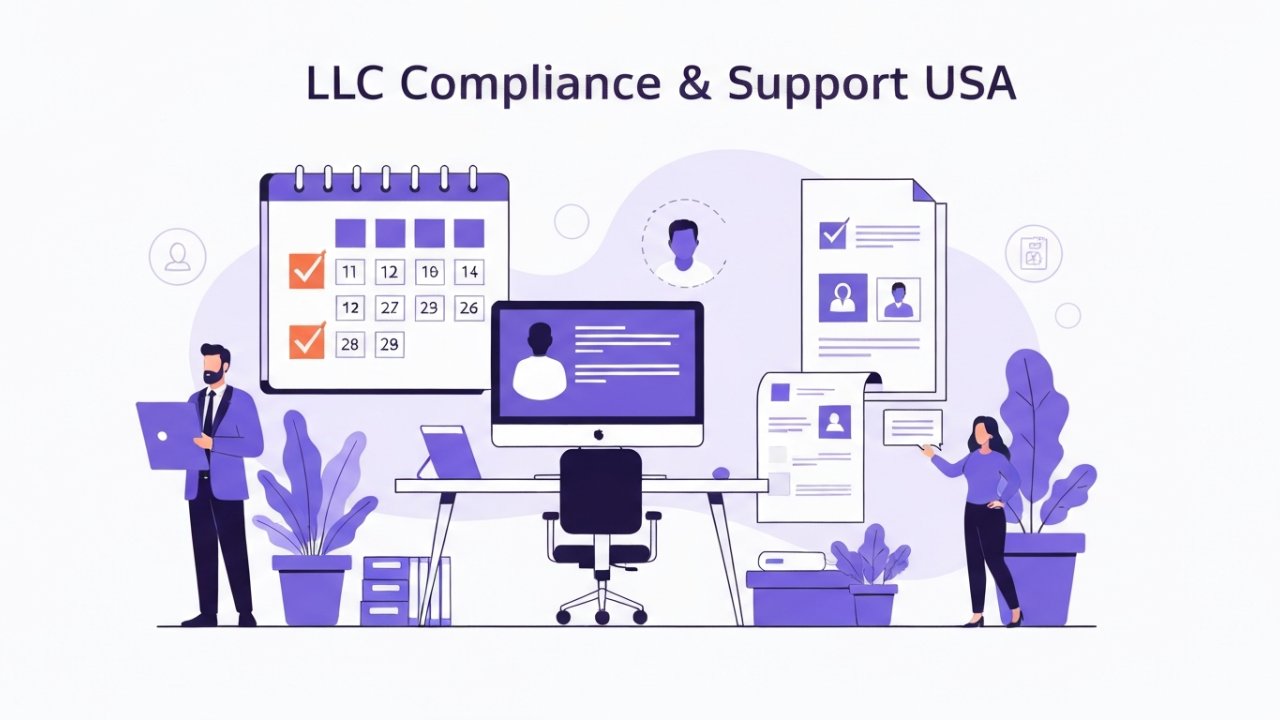
Ongoing compliance and support are vital for the successful operation of your LLC. To maintain good standing, most states require you to file annual reports and pay renewal fees, which average around $91 annually.
You must also comply with IRS tax filings, including federal income taxes and state-level business taxes, to avoid penalties. Obtaining an Employer Identification Number (EIN) is fundamental for conducting business operations, hiring employees, and opening a business bank account.
When you open that account, you’ll need your EIN, an operating agreement, and registration documents to separate personal and business finances. Staying informed about state-specific requirements, such as franchise taxes and filing deadlines, helps prevent complications, including the potential dissolution of your LLC.
If you’re considering cheap LLC registration, keep in mind that ongoing compliance is just as important as the initial setup.
Advantages of Forming an LLC in the USA

Forming an LLC offers significant advantages that can benefit entrepreneurs and small business owners alike. Here are three key benefits:
- Limited Liability Protection: Your personal assets are safeguarded from business debts and lawsuits, which is essential for peace of mind.
- Pass-Through Taxation: LLCs allow profits and losses to be reported on your personal tax returns, helping you avoid the double taxation often seen in corporations.
- Flexible Management Structure: You can choose between member-managed or manager-managed options, making it easier to adapt to your business’s needs.
Furthermore, LLCs establish credibility by officially registering with the state, enhancing trust with customers and investors.
They also have minimal ongoing compliance requirements, making them easier to maintain than corporations.
If you’re looking for the cheapest way to form an LLC during the enjoyment of these benefits, it’s a smart choice for your business strategy.
Frequently Asked Questions

Can I Register an LLC Without a Physical Address in the USA?
You can’t register an LLC in the USA without a physical address.
Every LLC needs a registered agent with a physical address for legal documents.
Nonetheless, you can use a registered agent service, which provides you with a legal address during the time your personal address remains private.
Just remember, this address must be in the state where you’re forming your LLC.
Always check your state’s specific requirements to guarantee compliance.
[embedded content]
How Do I Choose a Registered Agent for My LLC?
To choose a registered agent for your LLC, start by considering their reliability and experience.
They should have a physical address in the state where your LLC is registered and be available during business hours.
Research their reputation through reviews or referrals.
It’s likewise important to check their compliance with state regulations.
Finally, compare service fees, ensuring you understand what’s included, to find an agent that meets your needs effectively.
Are There Specific LLC Naming Rules in Different States?
Yes, there are specific naming rules for LLCs that vary by state. Typically, your LLC name must include “Limited Liability Company,” “LLC,” or similar designations.
Most states prohibit names that could confuse your LLC with government entities or existing businesses. Furthermore, certain words, like “bank” or “insurance,” may require special permissions.
Always check your state’s regulations to verify compliance before finalizing your LLC name, as these rules can greatly impact your registration process.
Can an LLC Have Foreign Members or Managers?
Yes, an LLC can have foreign members or managers. Many states allow non-residents to be part of an LLC, meaning individuals or entities from outside the U.S. can own or manage the company.
Nevertheless, you should check specific state regulations, as some may have unique requirements or restrictions. Moreover, foreign members might need to obtain an Individual Taxpayer Identification Number (ITIN) for tax purposes, so it’s important to understand the implications.
[embedded content]
What Happens if I Forget to File My Annual Report?
If you forget to file your annual report, your LLC may face penalties, including fines and potential dissolution.
Each state has specific deadlines and consequences for late filings. Often, you’ll receive a notice from the state reminding you to file, but if you ignore it, your business might be administratively dissolved.
To avoid these issues, always keep track of filing dates and set reminders to guarantee timely submissions.
Conclusion

In conclusion, registering an LLC in the USA involves careful planning and adherence to specific steps. By selecting the right state, filing the necessary documents, and maintaining compliance, you can establish a solid foundation for your business. Whether you’re a resident or a non-resident, grasping these requirements is vital for successful formation. Stay informed about ongoing obligations to guarantee your LLC remains in good standing and can thrive in the competitive marketplace.
Image via Google Gemini