
This post was originally published on this site.
New videos of man in 9/11 lawsuit reveal extremist links
To play this video you need to enable JavaScript in your browser.
This video can not be played
-
Published
The man at the heart of a $1 trillion (£733bn) lawsuit brought by 9/11 families had extensive links to Saudi government officials and went paintballing with one of al-Qaeda’s future leaders, video obtained by the BBC reveals.
The footage, which the FBI had within days of the 2001 attacks, stands in stark contrast to Omar al-Bayoumi’s 25 years of denials that he was an extremist and a Saudi spy.
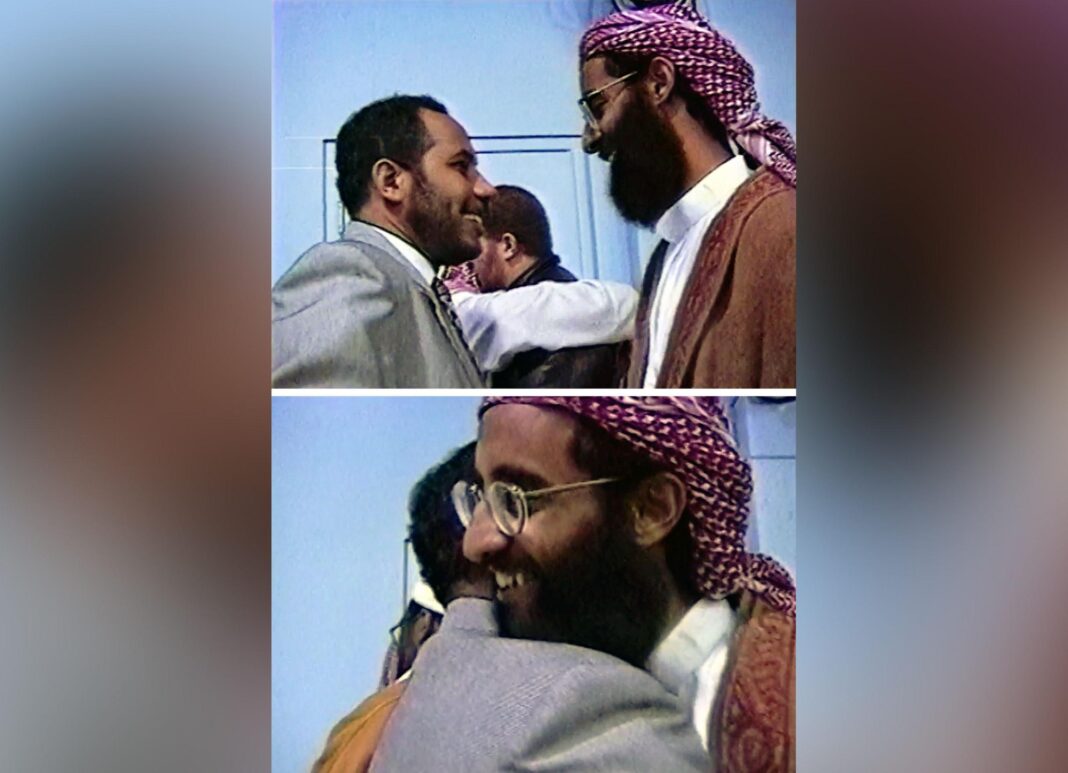
Bayoumi, who claimed to be a student when he was in the United States, is seen in one clip embracing Anwar al-Awlaki, who would go on to lead al-Qaeda in the Arabian Peninsula. In another, Bayoumi and Awlaki are paintballing near San Diego with an official from Saudi Arabia’s Ministry of Islamic Affairs.
The videos form part of the 9/11 families’ lawsuit against Saudi Arabia and have never been shown publicly before.
The lawsuit argues Saudi Arabia was complicit in the attacks and that Bayoumi aided two of the 19 hijackers who flew planes into the World Trade Center and the Pentagon – with another crashing in Pennsylvania.
Bayoumi was arrested in the UK by the Metropolitan Police days after the attacks and the videos were found among his possessions, along with other crucial evidence.
This included a diagram of a plane with a flight descent equation written alongside.
Multiple FBI agents received copies of the diagram, but it was never shared with the British interrogators, even though it had been couriered to the police station where Bayoumi was being held in custody.
The diagram was also kept from some FBI agents investigating Bayoumi, as well as from the 9/11 Commission – the independent inquiry into the largest mass murder in US history, in which nearly 3,000 people were killed. Bayoumi was never prosecuted.
He and the Saudi government did not respond to the BBC’s requests for comment, but both have always denied any involvement in, or prior knowledge of, the attacks. The FBI declined to comment.
After a judge ruled the lawsuit could go ahead in 2018, thousands of documents, as well as videos and photographs, have been released to the court and also declassified through an executive order made by former President Joe Biden.
BBC Panorama and Radio 4 have examined these documents, and spoken to dozens of special agents and investigators, to trace the evidence the FBI gathered about Bayoumi and Saudi Arabia’s alleged involvement in 9/11 – and to understand why it was never fully pursued over 25 years.
Our investigation also found:
-
The plane diagram was sent to the FBI’s New York office and was analysed, according to an FBI source. But a US Department of Justice (DOJ) official told the BBC he was never shown a proposal to prosecute Bayoumi based on the evidence, even though “we’ve convicted people for less”
-
FBI agents in San Diego, where Bayoumi had lived in the US, repeatedly requested copies of evidence but never received most of it
-
The San Diego and Los Angeles FBI offices were both blocked from interviewing Bayoumi’s Saudi government contacts
-
Staff on the 9/11 Commission objected to the conclusion that Bayoumi was “unlikely” to have been involved with extremists, prompting the report to attribute this to “our investigators who have dealt directly with him”
Paintballing to ‘train for jihad’
Omar al-Bayoumi arrived in San Diego from Saudi Arabia in 1994. He claimed to be studying English, but court records show that within a few years he had, in effect, abandoned his studies. He was more usually found organising religious events, often with a camcorder pressed to his eye.
One video Bayoumi filmed, from 1997 or early 1998, shows men, including Anwar al-Awlaki, paintballing. Filmed near San Diego, the group engages in urban combat scenes and target practice, many wearing military fatigues.
At one point, some of the men charge into battle, shouting “Allahu Akbar”. A visiting Saudi sheikh is with the group and Bayoumi can also be heard addressing Anwar al-Awlaki with the honorific “Sheikh Anwar”.
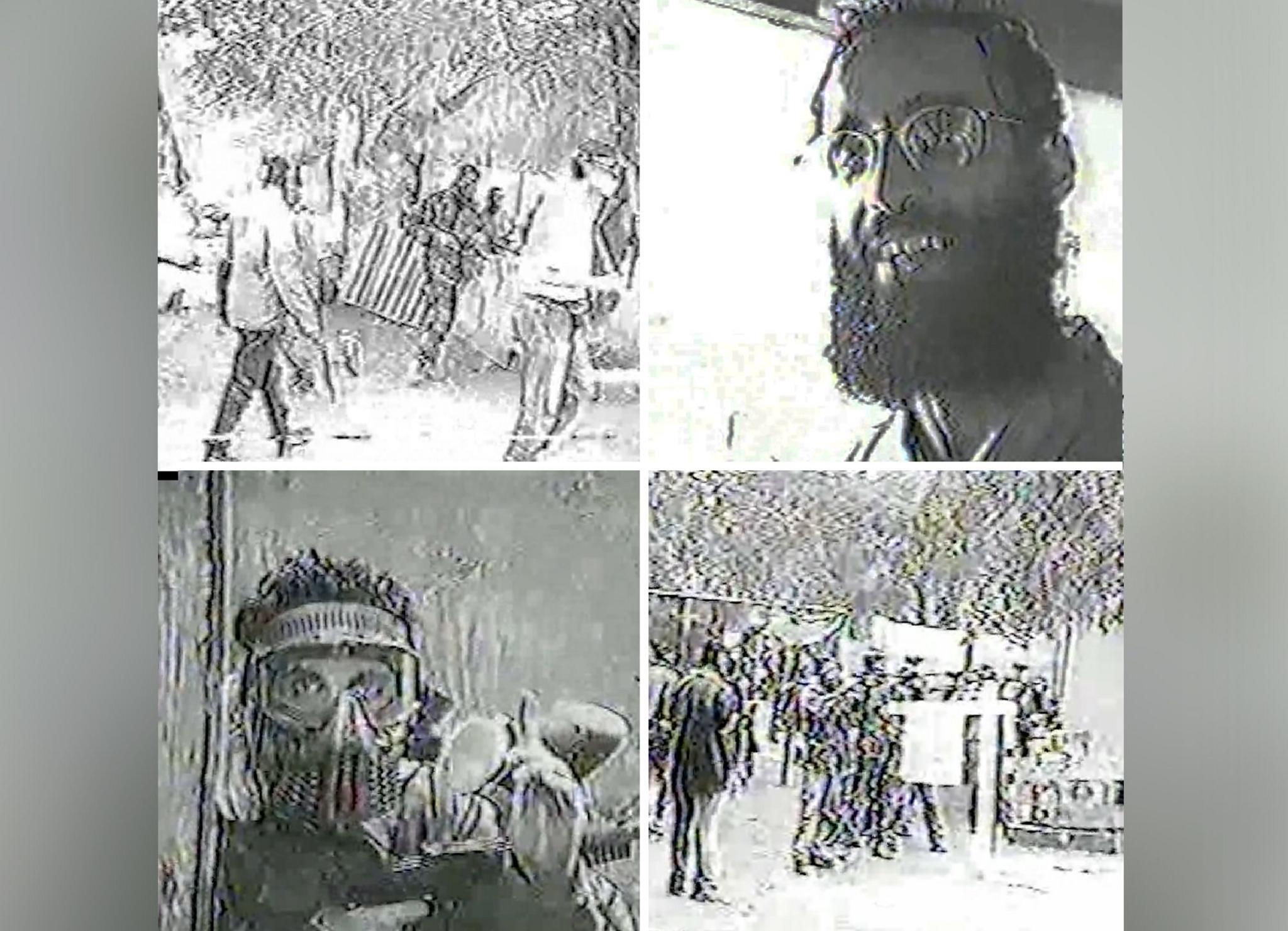 Image source, SDNY
Paintballing emerged as a subject of interest in the FBI’s post-9/11 counter-terrorism investigations, and the DOJ used paintball evidence in a number of terrorism prosecutions.
Omar al-Bayoumi and Anwar al-Awlaki were involved in paintball sessions in San Diego for at least three years in the late 1990s and very early 2000s. When the FBI investigated after 9/11, agents were told some of the participants were taking part to train for jihad.
Though Awlaki’s extremist preaching would come into sharper focus after 9/11, at the time the paintballing video was recorded he already had connections to al-Qaeda operatives and was shortly to be investigated by the FBI. He was killed in a CIA drone strike in 2011.
Panorama – 9/11: The Saudi Connection
Watch on iPlayer now or on BBC One at 20:00 BST on Monday 7 September. You can also listen on BBC Sounds to the Radio 4 podcast Intrigue: A 9/11 Story.
Saudi Arabia has stated that the paintball video does not reveal who “made” or “took” it. When he was questioned remotely in the 9/11 families’ lawsuit in 2021, Bayoumi insisted he had not met Awlaki. The video evidence contradicting his claim was only made available, confidentially, to the court a year later – and placed on the public docket on 4 September this year.
Another previously unreported clip shows Bayoumi embracing Awlaki in January 1998. Further footage records Bayoumi’s many meetings with officials and preachers from Riyadh’s Ministry of Islamic Affairs. He appears in a video with two ministry officials, one wielding a clipboard, at SeaWorld. Bayoumi passes the camera to his son and bounds into shot to record his presence with them.
The Ministry of Islamic Affairs, created in 1993, was seen as dominated by clerics who espoused a radical view of Sunni Islam and exported it around the world. It spent hundreds of millions of dollars worldwide building mosques, and sent dozens of officials to the US, some of whom oversaw a network of preachers with hard-line views.
Plane diagram found in Birmingham
After the 9/11 attacks, Omar al-Bayoumi emerged as an early suspect in the FBI’s investigation.
His name had been found on an apartment rental agreement signed by the first two hijackers to arrive in the United States, Nawaf al-Hazmi and Khalid al-Mihdhar, who were part of a five man hijacking team that crashed a plane into the Pentagon.
The FBI traced Bayoumi to Birmingham, UK, where he had moved with his family before 9/11.
On 21 September 2001, officers from the Met Police’s Anti-Terror Branch Special Operations team arrested Bayoumi at one of his properties.
He was blue-lighted down to Paddington Green Police Station in London, where detectives began questioning him. Under UK law at the time, officers could only hold him for seven days without charge.
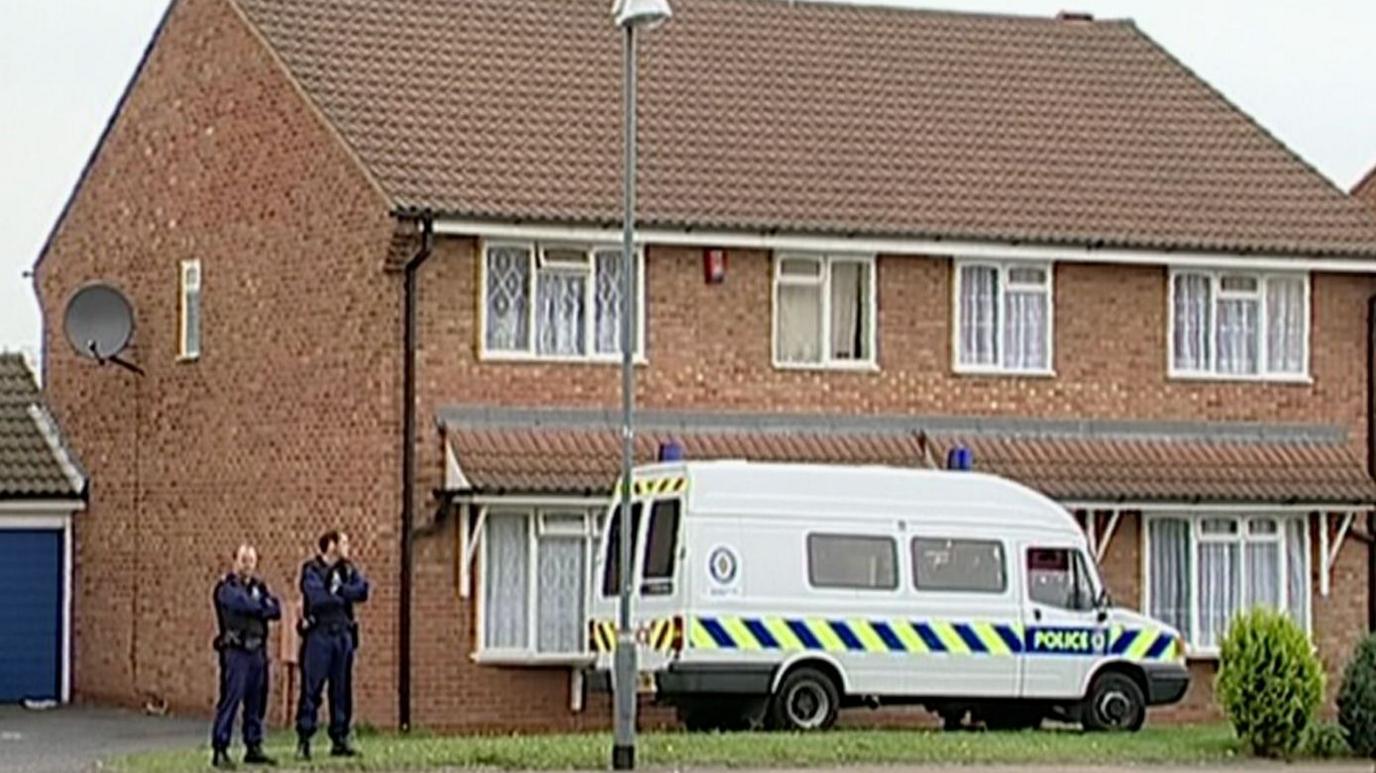
The following morning, in Birmingham, officers began the meticulous process of logging and bagging up evidence in his properties – a cache of many thousands of pages of documents, hundreds of photographs, flight ticket stubs, phone cards, and carrier bags and boxes containing at least 80 videotapes.
Within hours of the search starting, several items of documentary evidence – categorised as the highest priority at the direction of the FBI – were taken by police directly to Paddington Green, where the FBI had stationed an agent.
This evidence included a phone book containing more than two dozen names of Saudi government officials in the US and Saudi Arabia; flight simulator software; tickets and travel documents; and the yellow lined page of a notebook with the sketch of a plane, which an officer had marked: “contains handwritten notes mathematical calculations re height of planes”.
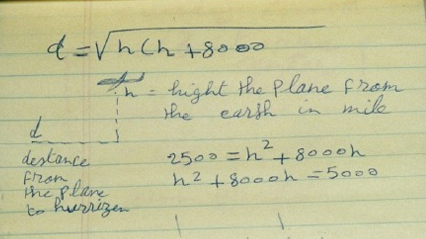 Image source, SDNY
Eighteen years later, the FBI would hand the notebook page to the court in the 9/11 families’ lawsuit, following a subpoena. The page was made public in 2022.
“It’s the mathematical calculation of the crash,” Jodi Westbrook Flowers, a member of the 9/11 families’ legal team, told the BBC. “When we figured out what it was, we knew that it was the smoking gun that we’d been looking for.”
The equation, written in Omar al-Bayoumi’s handwriting, indicates the height and distance required for a pilot to guide an aeroplane to a given object on the ground. Underneath it is a small drawing of a plane and a series of numbers.
Last year, the federal judge in the families’ lawsuit found the notebook page, on the face of it, “connects Bayoumi with knowledge of the 9/11 Attacks”.
In 2021, when questioned about it by the court, Bayoumi said he had the diagram because he liked finding equations and could not remember when he had written it.
By the evening of 22 September 2001, copies of the plane diagram were in London in the hands of both the FBI and UK counter-terror police – and just metres from the custody suite where Omar al-Bayoumi was being questioned. Records show they passed through at least three further FBI agents in the following two days.
But here, the mystery begins. The FBI briefed the Met officers to question Bayoumi about the other high-priority exhibits, but the detectives in the custody suite were never given, or briefed about, the plane diagram.
Many FBI agents have told us the immediate aftermath of 9/11 was a round-the-clock frenzy. But it is hard to understand how a piece of evidence of this importance, in a case being handled with considerable urgency, was not put into the hands of the interviewing detectives.
The FBI declined to respond to our questions. The Metropolitan Police told us it could not comment because of the ongoing legal case.
Carrier bags of video tapes
Soon after the plane diagram was couriered to Paddington Green, all Bayoumi’s videos, including the footage of the paintballing, were taken from Birmingham to New Scotland Yard for copying.
By 24 September, the custody suite a mile or so away at Paddington Green had access to the video cassettes. The detectives brought the bags of tapes into the room where Bayoumi was being questioned – and some of the footage was played to him.
He was asked about two tapes featuring a gathering, but the British officers were not briefed by the FBI to ask him about the video of the paintballing session – nor about his association with Anwar al-Awlaki.
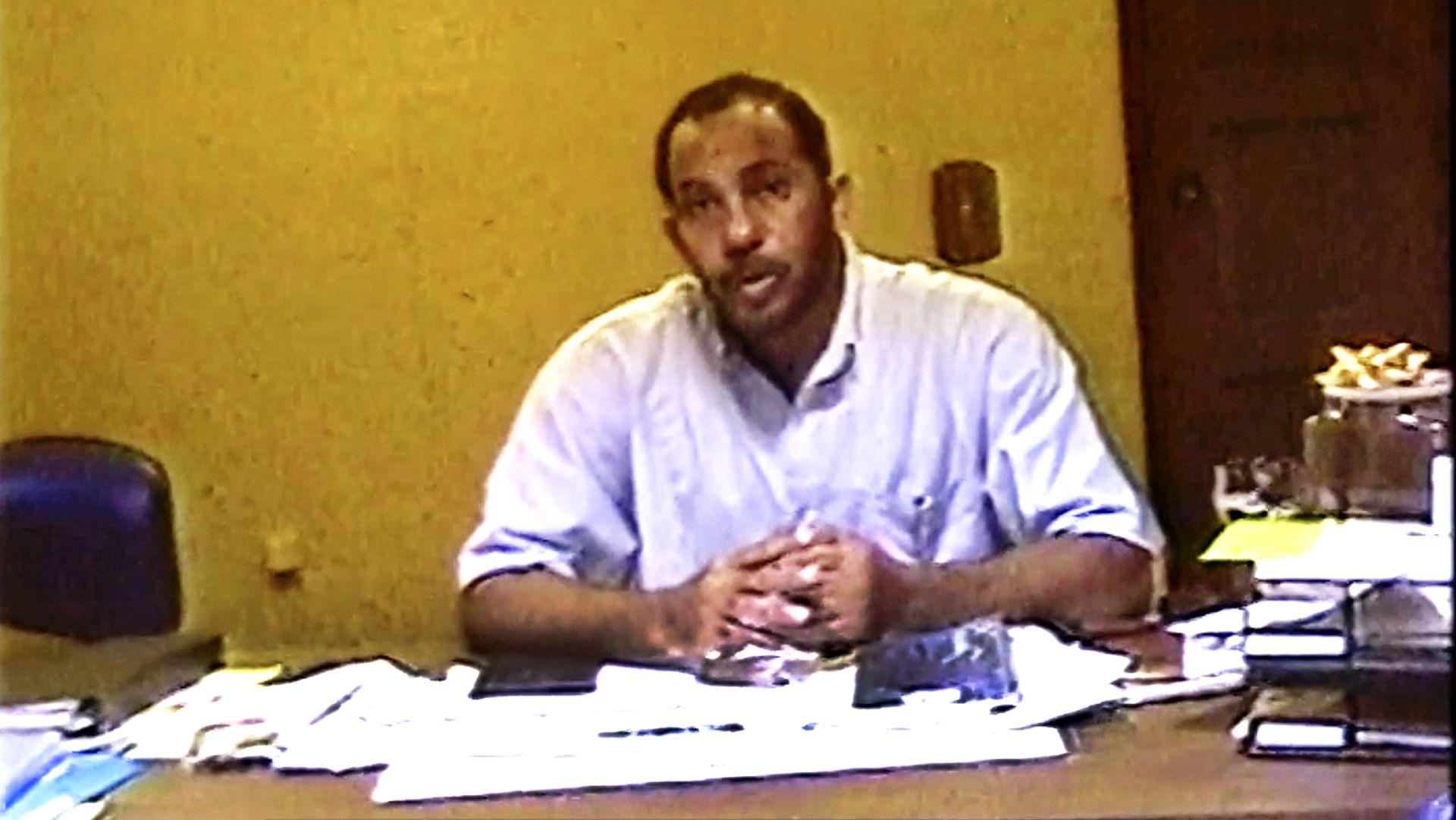 Image source, SDNY
On the final day before Bayoumi would need to be charged or released, the Met detectives joined a conference call with several senior officials from the US Department of Justice and FBI.
Panorama and Radio 4 have spoken to two participants at the meeting. One recalls the British detectives setting out the evidence they believed met the threshold for the Americans to extradite Bayoumi to face charges in the US.
The response from the DOJ officials was that no extradition would be sought because there was insufficient evidence.
On 28 September 2001, Bayoumi was released.
But, at that point, the FBI had not shipped all of the evidence found in Birmingham back to the US, let alone exhaustively analysed it.
One memorandum from the FBI’s legal attache in London, sent two weeks later, noted there were a “number of videos, floppy disks and documentation still to be viewed”.
‘We’ve convicted people for less’
After Omar al-Bayoumi’s release, agents continued analysing the evidence against him.
The BBC understands the plane diagram was couriered from London for analysis at the New York Field Office, which was in overall charge of the 9/11 investigation.
But we have not been able to trace any records of this analysis or its conclusions. A 2021 Presidential order required the FBI to declassify files relating to its 9/11 investigations, including into Bayoumi.
However, of the files released, the FBI has only produced one document referring to the diagram, despite its evidential significance, and this was only created 11 years after the diagram’s initial discovery in 2001.
The diagram seems to have fallen into a black hole.
It was not passed on to San Diego, where Bayoumi had lived in the USA and where the FBI Field Office was also investigating him.
In fact, San Diego – where agents were interviewing his associates, searching his mosque, analysing his telephone records and bank statements – received almost none of the large volume of evidence seized by the Met Police in Birmingham.
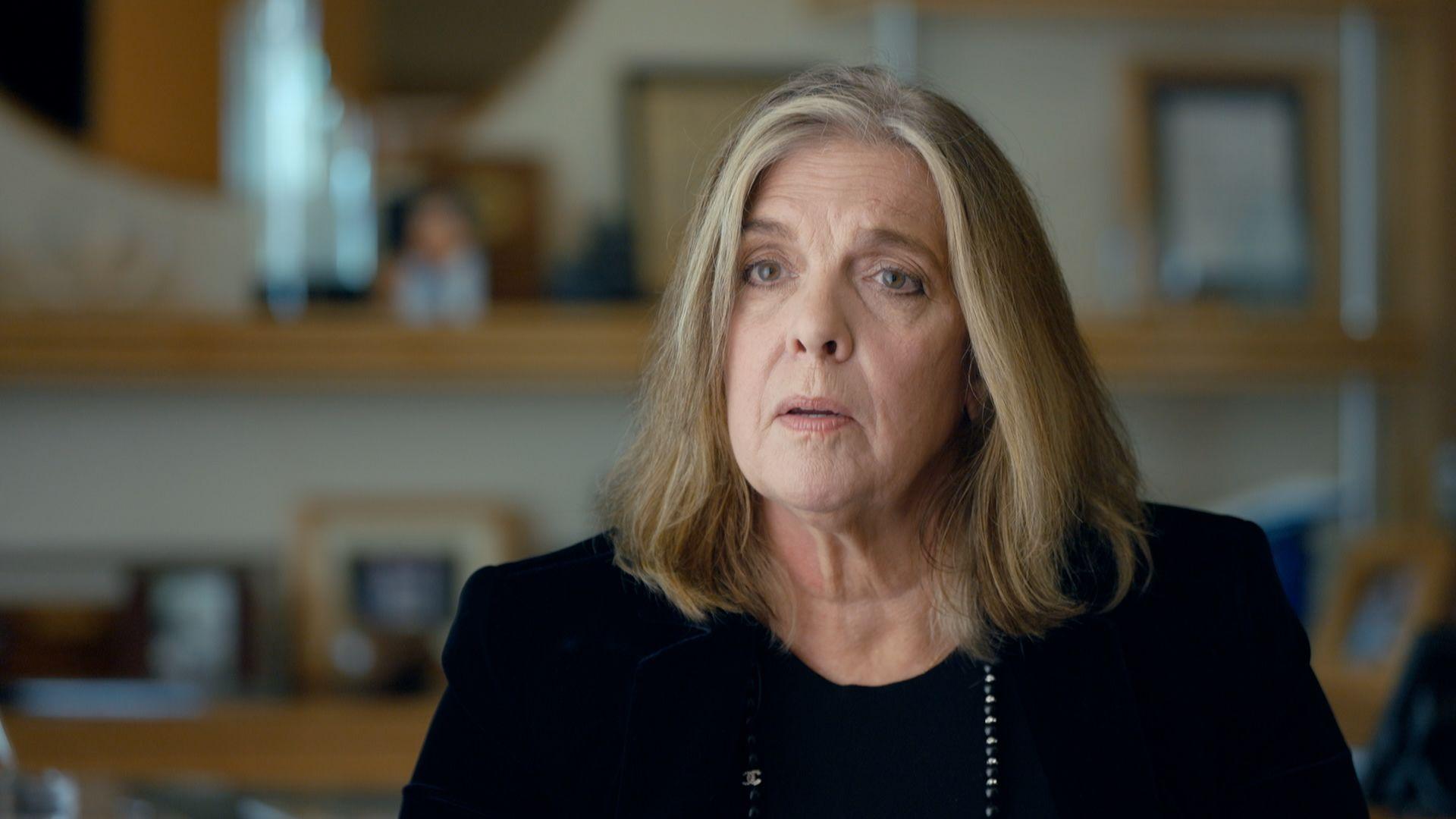
Rick Lambert, who ran the FBI’s investigation there, told the BBC his office made repeated requests to New York to send copies of all the evidence. “Their position was, we’re in charge of the case; we’ll send it to you when we’re finished analysing.”
Lambert said New York did not comply his office’s requests. “I believe there is the potential that had we received that evidence and analysed it, that we would have been able to put the pieces of the puzzle together much more quickly.”
Documents show that, in spring 2002, the San Diego office was ultimately able to get copies of a handful of videos by obtaining them not from New York, but from the FBI liaison in London.
What happened to the paintballing video is equally curious.
A copy of the tape was sent to the FBI office in New York, where it was viewed, one agent told us. But it was not included in the office’s summaries documenting Bayoumi’s extremist connections.
FBI and DOJ memos from 2002, viewed by the BBC, discussed materials seized from Bayoumi’s homes in Birmingham that could “demonstrate Omar al-Bayoumi’s anti-American sentiments and beliefs” and writings by Bayoumi himself that “can be interpreted as jihadist”.
But there was no mention of the paintballing video or Bayoumi’s connection to Anwar al-Awlaki.
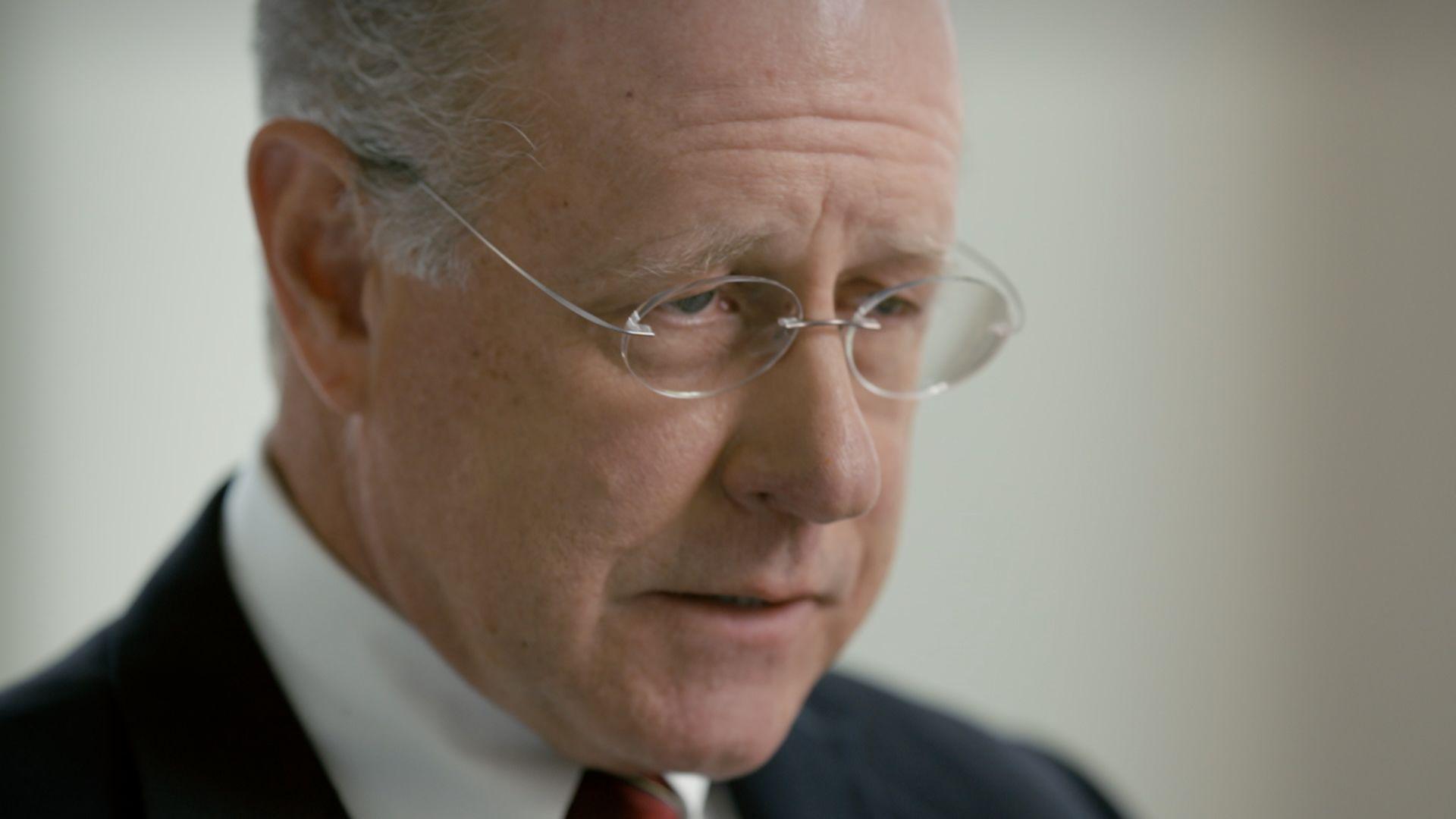
Jeffrey Breinholt, then the deputy director of counter-terrorism at the Department of Justice who oversaw prosecutors working on terrorism charges after 9/11, told the BBC that Bayoumi’s name had come up “as one of the hot possibilities for charges”.
But he said the New York Attorney’s Office never sent charges to him or his colleagues for approval. If they had, the plane diagram would have been significant evidence against Bayoumi, he said. “We’ve convicted people for less.”
The paintballing video, Breinholt told us, is another “very telling bit of evidence” with the presence of Anwar al-Awlaki being “pretty damn significant”.
“As a manager who reviewed a lot of proposed terrorism cases over the years, I can tell you that that would have jumped out. I think it would be a material support charge against Bayoumi.”
There were no charges brought against Bayoumi.
Agents who tried to investigate Omar al-Bayoumi encountered other roadblocks.
In October 2001 in San Diego, Lambert and colleagues wanted to interview a number of Saudi officials in the US – many connected to the Ministry of Islamic Affairs – who they suspected had co-ordinated the help Bayoumi gave to two of the hijackers, Nawaf al-Hazmi and Khalid al-Mihdhar.
Because diplomats have a special protected status, the agents needed permission from FBI headquarters and the State Department.
“The answer came back, ‘no, you’re not going to do that’,” Lambert, who is now a consultant for the 9/11 families in their lawsuit, told us.
Agents in Los Angeles experienced a similar outcome the following year, when they applied to interview a Saudi religious diplomat Bayoumi had met immediately after his first encounter with Hazmi and Mihdhar in the city.
“We hit a roadblock so hard, I think we all had airbag burns,” said Steve Moore, who oversaw the FBI’s 9/11 investigation in LA. Moore says his team made repeated requests to interview the official, but permission never came.
Like the FBI, the State Department declined to comment.
A multi-course dinner with Saudi secret police
In October 2003, the 9/11 Commission – set up by Congress to provide a “full and complete” account of the attacks – interviewed Omar al-Bayoumi in Riyadh. He had returned to Saudi Arabia in the months after his release by British police.
The interview was conducted, in the presence of Saudi secret police, by the Commission’s executive director Philip Zelikow, a former advisor to President George W Bush, along with a senior staffer and an agent from FBI headquarters.
The Commission’s notes from the time record that Bayoumi was given a remarkable degree of reassurance during the interview. He “was told that no-one believes he knowingly helped the hijackers carry out their terrorist mission”.
Bayoumi indignantly said he was a peace-lover who had become “a victim of the victims”. During the interview, the delegation broke away for a multi-course dinner hosted by the Mabahith, the secret police, without Bayoumi.
After the interview concluded, the Mabahith told the American delegation they “would like to see him cleared”. The Americans responded that no exoneration would be possible before their report was published.
When the 9/11 Commission Report was published in July 2004, Bayoumi was, in effect, cleared. It described him as “obliging and gregarious” and stated there was no evidence he had extremist views.
But some staff on the Commission were not convinced of Bayoumi’s innocence, and thought it likely he knew Hazmi and Mihdhar were al Qaeda operatives.
The BBC can reveal that those staff objected to a line in the report concluding that he was “an unlikely candidate for clandestine involvement with Islamist extremists”.
In the end, a compromise was agreed, and this conclusion was attributed to “our investigators who have dealt directly with him and studied his background”.
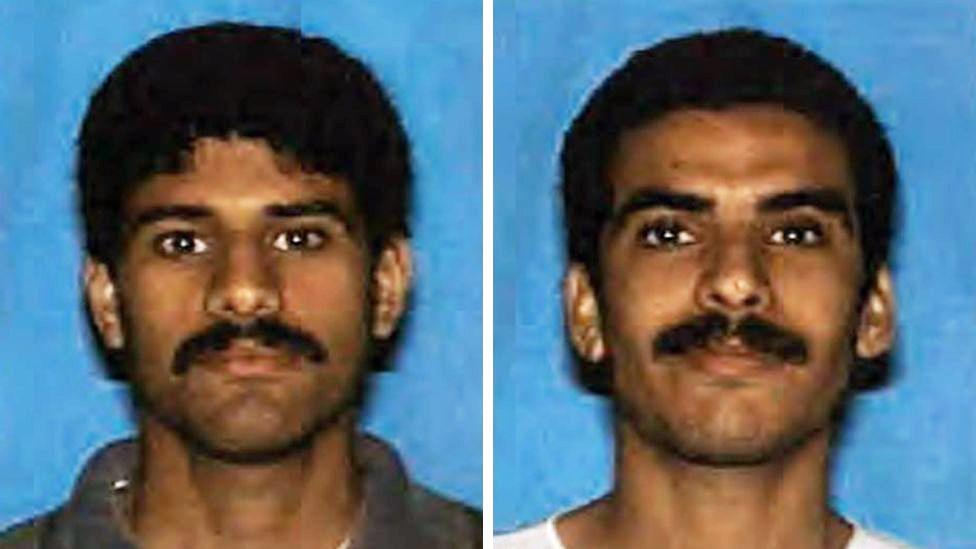 Image source, SDNY
The line was written based on the four and a half hours the Commission delegation had spent with Bayoumi, which included the interruption for dinner.
The Commission never saw the plane diagram, the paintballing video, written evidence of Bayoumi’s alleged extremism, or much of the rest of the evidence the Met Police had seized.
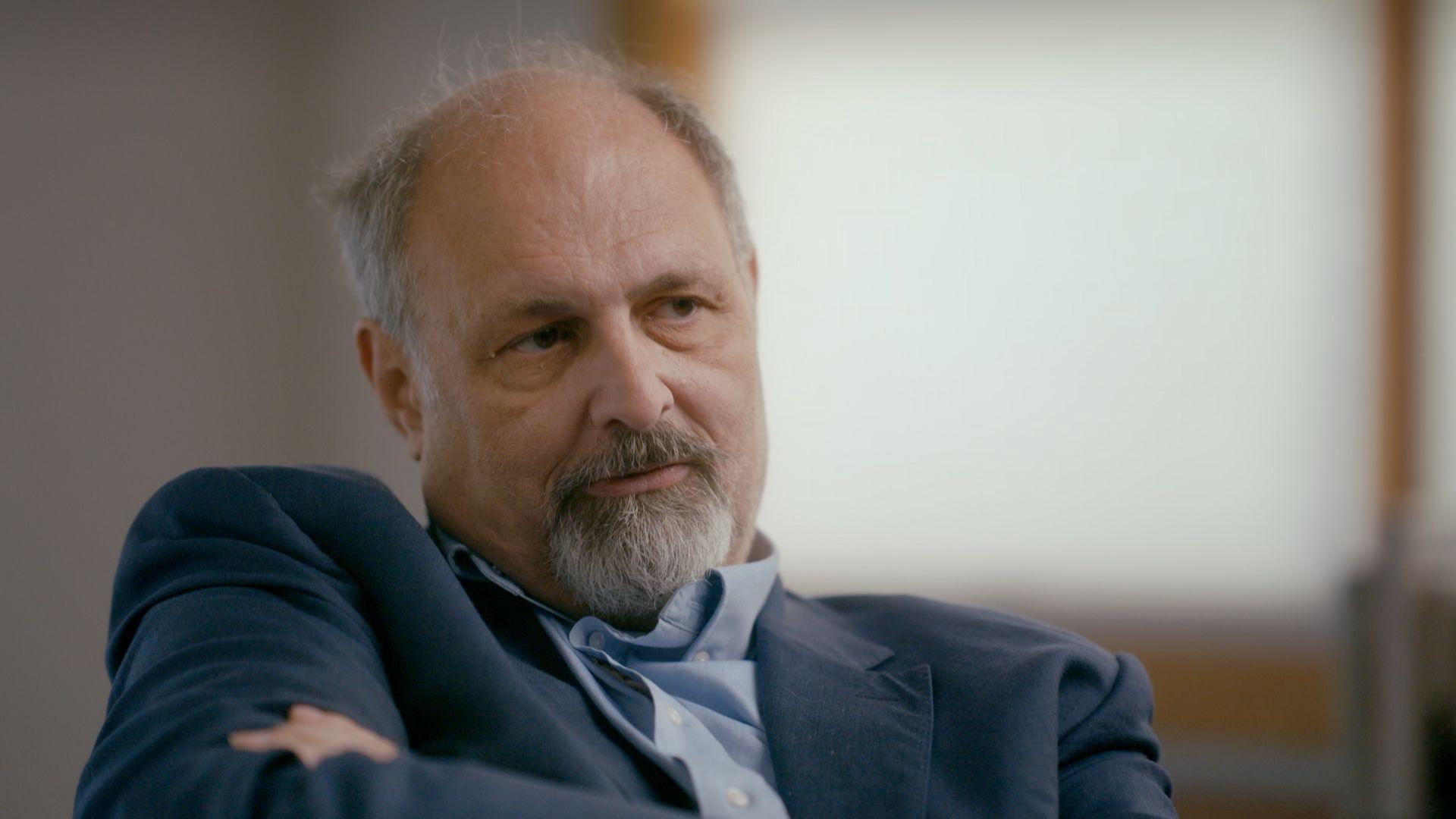
Philip Zelikow did not answer the specific questions we asked him. He told the BBC the 9/11 Commission’s findings had been subject to two government reviews, in 2015 and 2021, and the Commission had been “open about our suspicions and uncertainties. We were careful about whom to accuse of complicity in mass murder.”
The Department of Justice told us it was unable to comment on matters and decisions from 25 years ago, involving staff who no longer worked there.
The head of the FBI’s 9/11 investigation, Mary Galligan, has previously stated the Commission had “access to everything”.
We tried to contact Omar al-Bayoumi through the Saudi government, but he did not respond. He has previously denied knowing Hazmi and Mihdhar were hijackers, that he was a Saudi spy, and that he had any involvement in 9/11.
The Kingdom of Saudi Arabia did not respond to our request for comment. It has previously said any allegation that Saudi Arabia or its officials are complicit in 9/11 is categorically false.