
This post was originally published on this site.
Night terrors, flashbacks and panic attacks – former police reveal trauma
To play this video you need to enable JavaScript in your browser.
This video can not be played
-
Published
Three retired police officers have spoken for the first time about the amount of trauma officers and staff are exposed to and the toll it can have on their mental health.
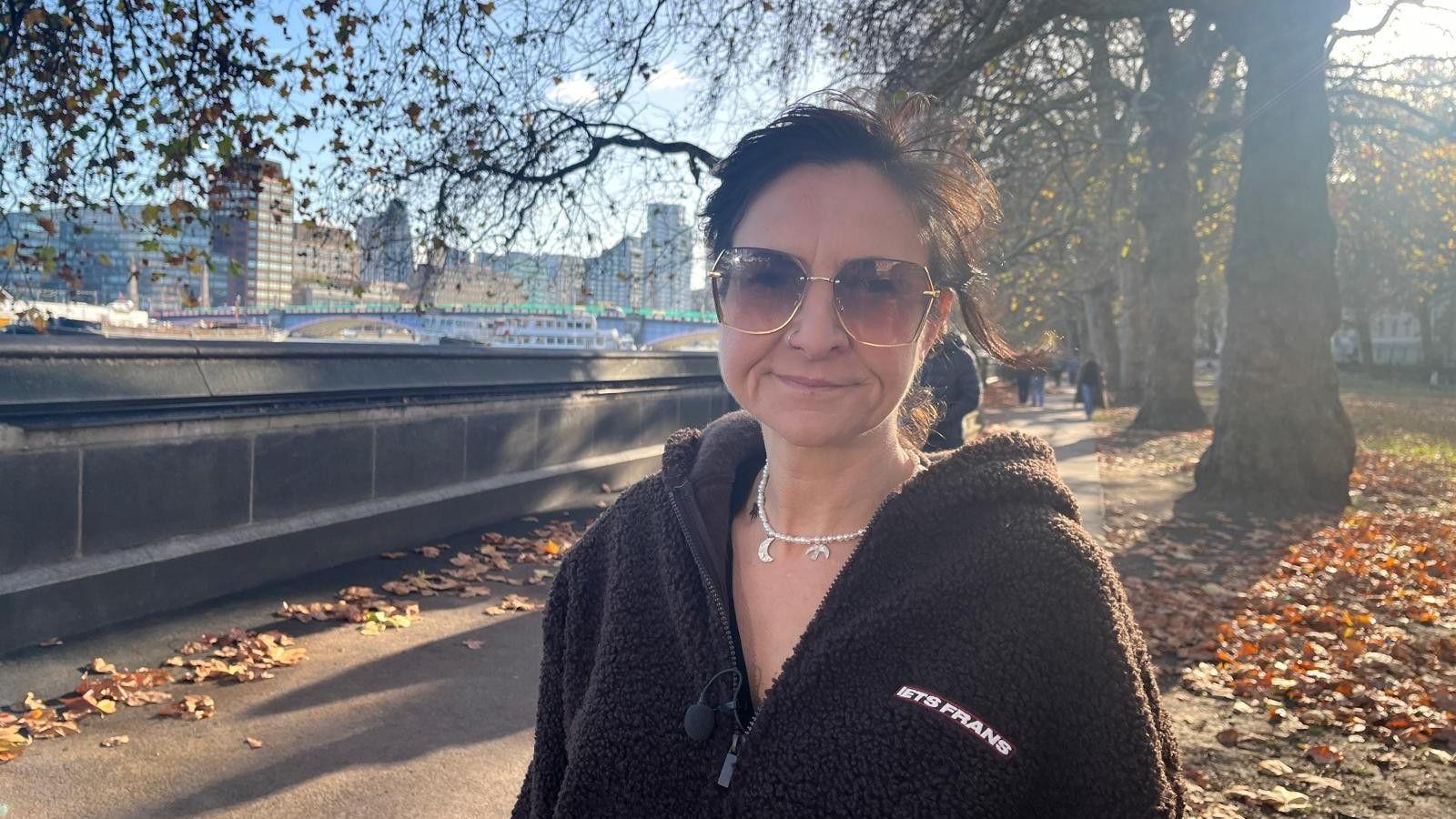
Richard, Nick and Neil, who have served 83 years between them, have shared their experiences with the BBC to raise awareness of the impact on front line officers.
The Police Federation said officers were under relentless pressure and exposed to trauma daily.
The Home Office recently announced new funding, including support for a mental health crisis line for officers and staff, external that was set up last July and has received more than 350 calls.
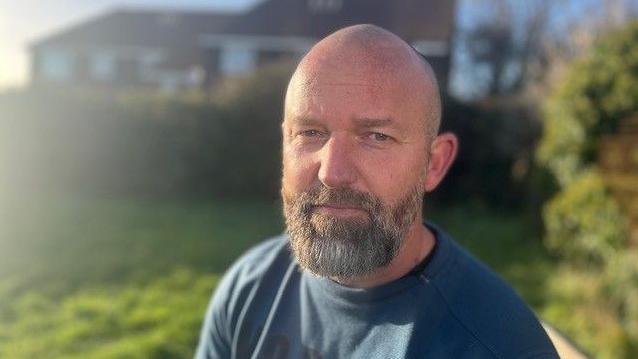
Richard was medically retired with complex post-traumatic stress disorder (PTSD) in 2025 after 26 years in the service.
“I went from being a very confident person, good at my job, to someone scared to go outside,” he said.
“If I saw a police car with blue lights on it would cause me to have a panic attack. I would shut down to the point where my partner would have to do everything for me.”
Richard said he had been supported by Sussex Police, but was aware of the challenges his former colleagues were facing.
“Officers are going from job to job to job and they’re struggling with the workload,” he added.
‘Drip, drip, drip of trauma’
Nick, from Sussex, worked on high profile cases including the search for Sarah Everard in Kent.
He also retired with complex PTSD after two decades of policing.
“It’s the constant drip, drip, drip of trauma, not just the horrific murders, the child deaths, the RTC [road traffic collision] fatals”, he said.
Nick, who was a specialist search officer for the Metropolitan Police and worked in the military, believes some officers are reluctant to speak out – although he says that the stigma is “starting to go”.
“It took me a long while to come forward and say, ‘I’m not right, I’m not the person I used to be’,” he said.
“I’m hyper vigilant when I go out, so it’s like I’ve not left the job. It’s like being a prisoner in some respects, because I’m a prisoner of my own mind.”
The Police Federation said mounting workloads and stress were leaving some officers really struggling.
National chair Tiff Lynch said: “Officer welfare must be protected and supported with proper funding, accessible mental health support and early intervention.”
There were 145,886 full time equivalent officers in England and Wales recorded in March 2026, down from 146,452 the year before.
However, officer numbers have been rising in recent years and have increased by 7.8% since 2021, external.
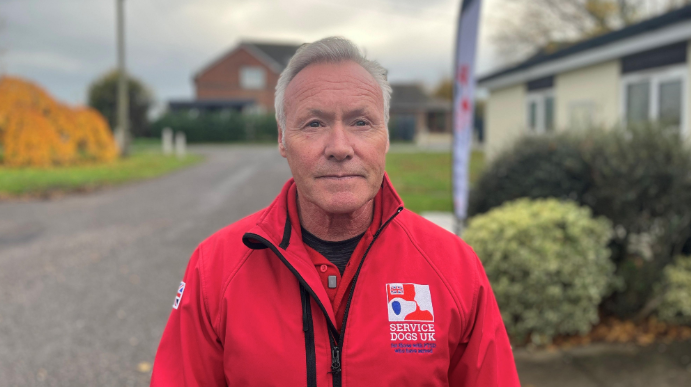
The charity Service Dogs UK, which trains rescue dogs to help serving and retired officers and military veterans with PTSD, said it had received more referrals from police in recent years.
“When we started, it was primarily army. We had a few Royal Navy and a few from the RAF, but maybe one or two police officers and fire,” said founder and former Sussex police officer Garry Botterill.
“Now over 50% the people who come to us are from the police and a few from the other emergency services as well. They’re just not coping.”
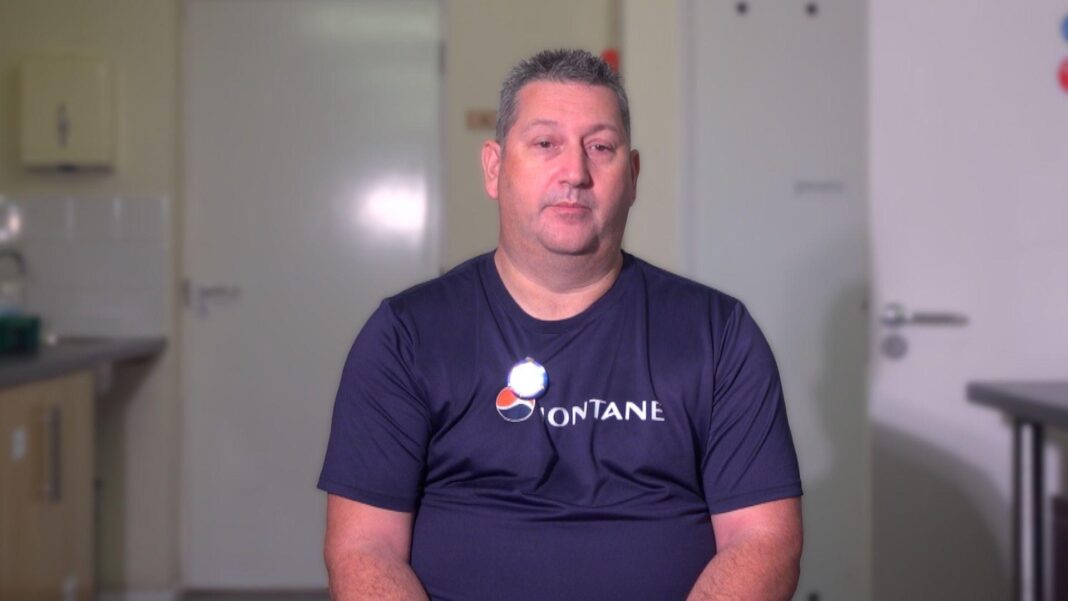
Neil from Dorset served in the police for 34 years before becoming a civilian investigator.
He told the BBC he had not realised how much he had been affected when he first faced mental health problems at work.
“The night terrors, you feel the world on your shoulders,” he said.
“I just didn’t feel right. I had not been sleeping well and I went to see my doctor and he said, ‘you are having a nervous breakdown’.
“After having it myself, I could see it in other members of staff and I was able to go up and say, ‘you are getting close to having a breakdown, aren’t you?’.”
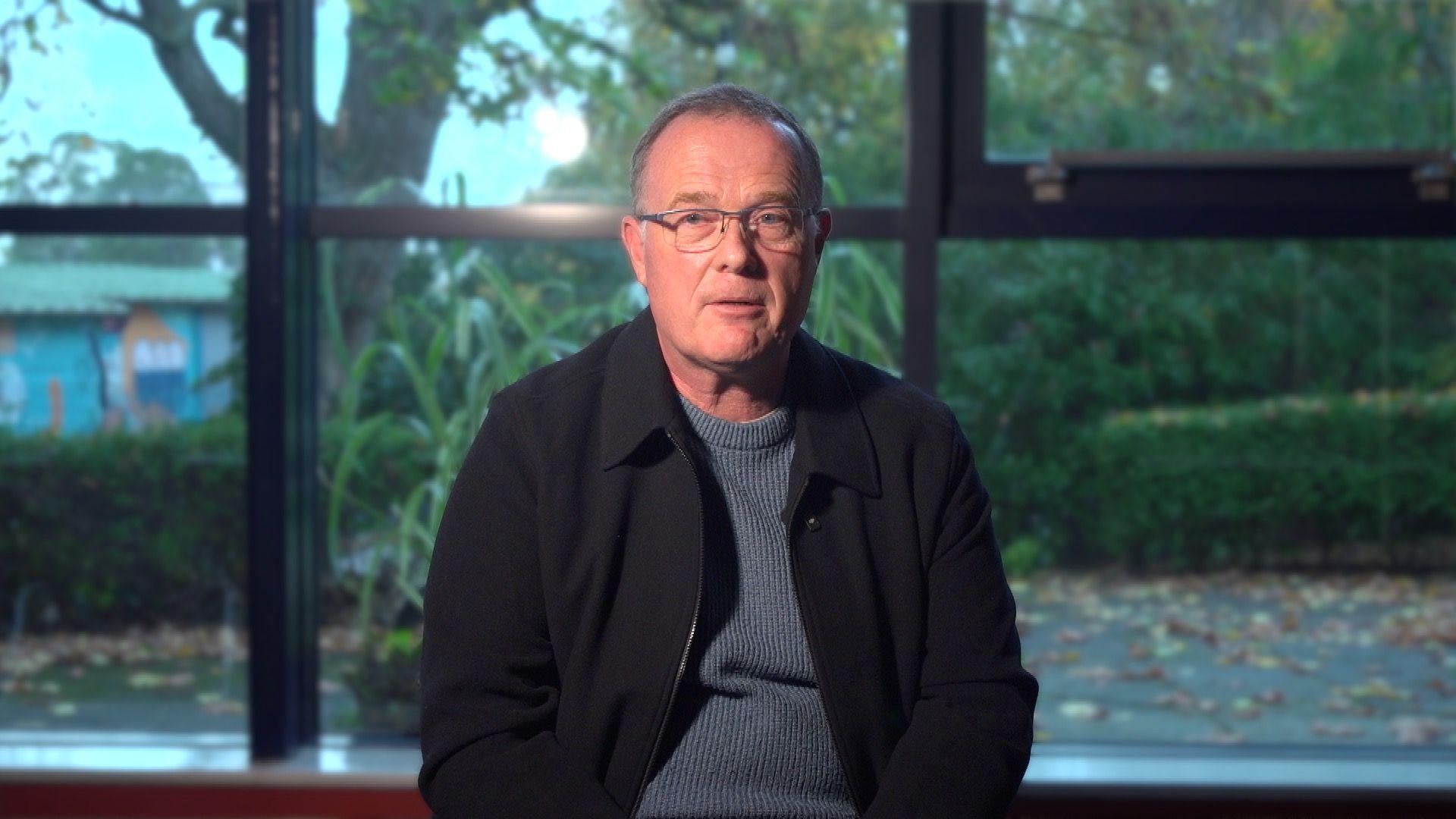
Dr Jess Miller, a neuropsychologist at the University of Cambridge, said there were fewer opportunities for some officers to decompress with their colleagues, particularly if they were working alone.
“They don’t have those natural moments where they can just make sense of something that’s happened to them, converse with each other, put it down and move onto the next job,” she said.
Miller told the BBC that constabularies had been taking steps to improve wellbeing.
“A lot of forces have employee assistance programmes, we have new occupational health standards being developed in the UK and psychological services,” she explained.
Oscar Kilo, the National Police Wellbeing Service (NPWS), said officers could experience between 400 and 600 traumatic events during their career.
That compares with the average civilian, who may experience three to four in a lifetime.
In the latest NPWS survey taken by over 40,000 people from 33 forces, 45% of respondents reported often feeling burnt out and 55% said they experienced persistent physical fatigue.
‘Tragic consequences’
Andy Rhodes, service director for the NPWS, said: “We know there’s this cumulative build-up that if we don’t talk about it, process it, it causes a huge problem, sometimes with tragic consequences
“Policing has got this very ‘be strong, don’t talk about it’ culture, but it is getting better.”
Oscar Kilo launched the police-specific mental health helpline to support officers last year and it is already making an impact, according to Rhodes.
“It’s totally anonymous, totally confidential. We do get calls and hopefully this line is already saving lives,” he said.
Rhodes, who is also national lead for wellbeing at the National Police Chiefs’ Council, said there would be more mental health training for police forces, including suicide prevention training for all line managers and trauma awareness training for new recruits and line managers.
The Home Office said new guidance would help forces to roll out tracking systems to record officer and staff exposure to traumatic incidents.
It is part of £2.4m government investment, external announced earlier this month.
Chief constables have also recently announced that all forces will introduce mandatory recording of police officer suicides.
This comes after senior coroner Penelope Schofield published a prevention of future deaths report, external following the death of Sussex officer Benjamin Websdale, who was being investigated by the Independent Office for Police Conduct at the time.
The Police Federation said more than 100 police officers and staff across the country had died by suicide since 2022.
It claims more than half of police suicides – 32 out of 55 – recorded across the UK from 2022-24 involved officers under investigation.
Matthew Scott, Kent’s Police and Crime Commissioner and the National Association of Police Crime Commissioners lead for mental health, has been calling for changes.
“We are not aware of the full scale of this problem and we need to be making every possible step to make sure we are looking after people and recording when, tragically, people are taking their own lives,” he said.
Crime and Policing Minister Sarah Jones said: “Our police officers and staff put their lives at risk and operate under immense pressure each and every day.
“They demonstrate exceptional courage and resilience to keep us safe, and it is crucial we protect them in return.
“As we deliver our reforms to policing, we will ensure that their wellbeing is prioritised, protected and never treated as an afterthought.”
-
If you are affected by any of the issues raised in this story, support and advice is available via the BBC Action Line
Follow BBC Kent on Facebook, external, X, external, and on Instagram, external and listen to BBC Radio Kent on Sounds. Send your story ideas to southeasttoday@bbc.co.uk, external or WhatsApp us on 08081 002250.
-
-
Published20 November 2025
-
-
-
Published23 July 2025
-