
This post was originally published on this site.
This is part of Iconic Passages, a collection of stories celebrating America and the many ways we move through its vast and diverse landscapes. Read more here.
I was a skeptical teenager when we moved to the United States. I’d grown up all over the world (India, England, Saudi Arabia), and America’s outsized cultural influence made me roll my eyes at its swagger, geopolitical manspreading, and main-character energy. I didn’t think I’d stay for long. But soon after arriving in Detroit, the birthplace of the American automobile industry, I learned how to drive. The sheer rush I got behind the wheel helped me understand the American obsession with freedom. Sometimes I’d take my friend John’s teal 1977 Ford pickup for a spin: I can still feel the rumble of the car as I drove it barefoot through the sticky heat of an Ann Arbor summer. I felt I could go anywhere, do anything.
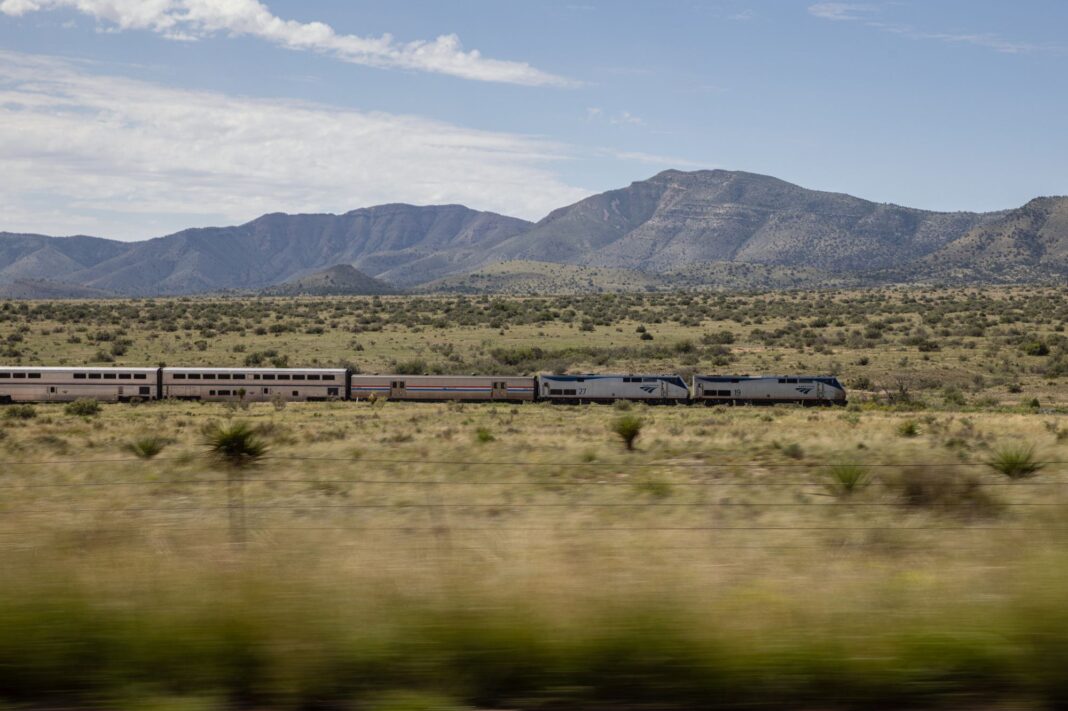
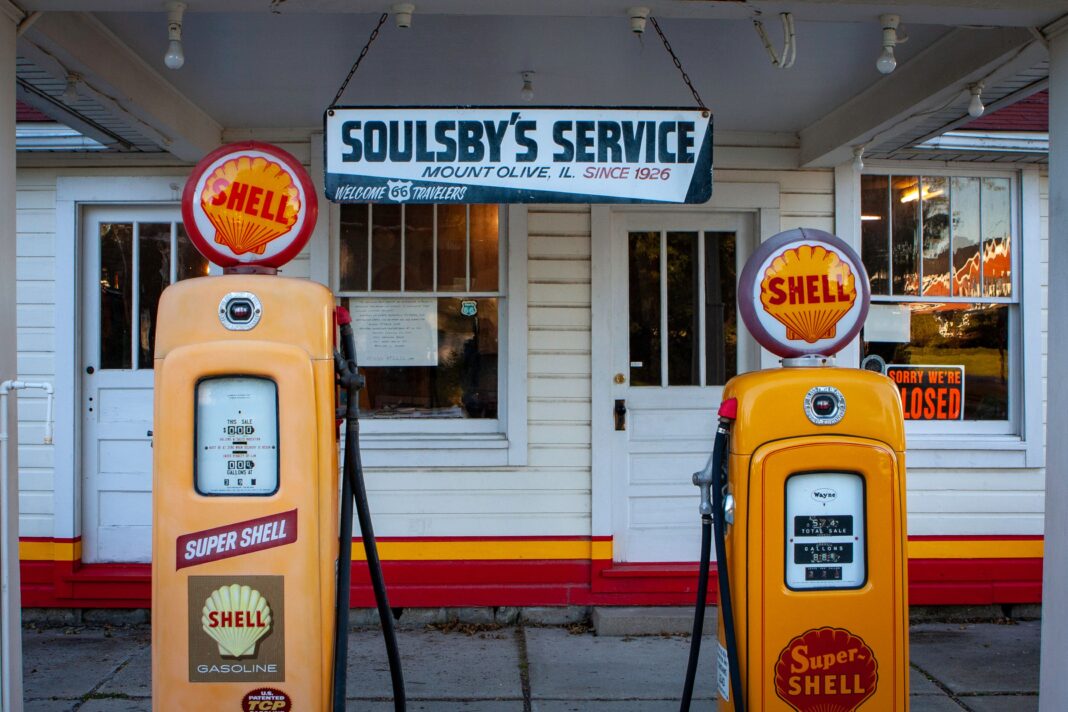
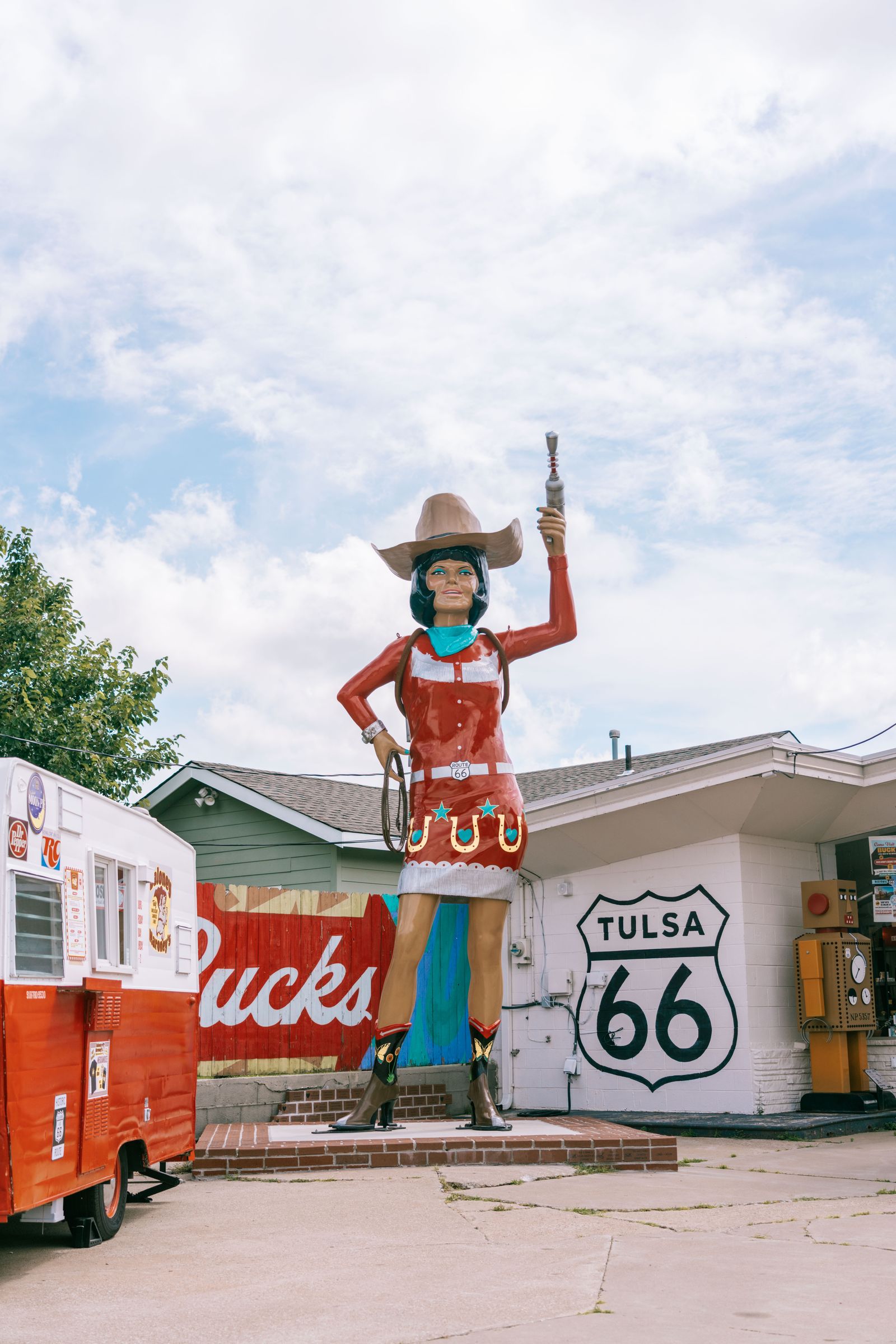
In the decades since, I’ve fallen in love with discovering the US by road. I’ve woken up next to a lake in rural Washington, partaken in homemade rum in a parking lot in Alpine, Texas, and frequently driven sections of Route 66, the fabled highway from Chicago to my home in LA. Its mythology has been immortalized throughout pop culture, although I welcomed it into my family with the Disney/Pixar film Cars, which I’ve watched with my kids countless times. Now, as the interstate approaches its 100th anniversary, I’m curious to explore the little stretch from Flagstaff, Arizona, to Santa Fe, New Mexico, that I have still yet to see.
Before hitting the road, I meet my friend John, he of the teal pickup, for lunch at all-day café Sosta in Flagstaff. Enchanted by the outdoors, he’s lived here for five years. I get why, I tell him. A couple of years ago, during a road trip in the Southwest, the Grand Canyon changed my life. My sometimes still-foreign self thought it was going to be just a big hole in the ground. Then I spent seven hours marveling at it from every angle. “Yeah,” John says before we part, “that’s basically why I live here.”
My first stop, a 10-minute drive away, is Walnut Canyon National Park, which contains cave dwellings built between 1100 and 1400 by the Sinagua people, a pre-Columbian group of hunter-gatherers who predate the 13 Native tribes currently associated with the region. As I hike past these magnificently preserved sites, I wonder why we’re talking about America’s 250th birthday this year as though people haven’t been living on this land for millennia. Thirty minutes later I’m still pondering this expanse of time—driving by a rust red field of stones, the blazing orange mesa in the distance—when I pull up to Barringer Crater, the result of a meteorite impact 50,000 years ago. It can hold 20 football fields with 2 million spectators, says the informational video playing on loop in the visitor center. I stand on its lip, and my brain refuses to accept the size.