
This post was originally published on this site.

As two major streaming platforms—Warner Bros. and Netflix—prepare for a merger, concerns continue to be voiced about the implications of the deal, which represents more consolidation in the media business.
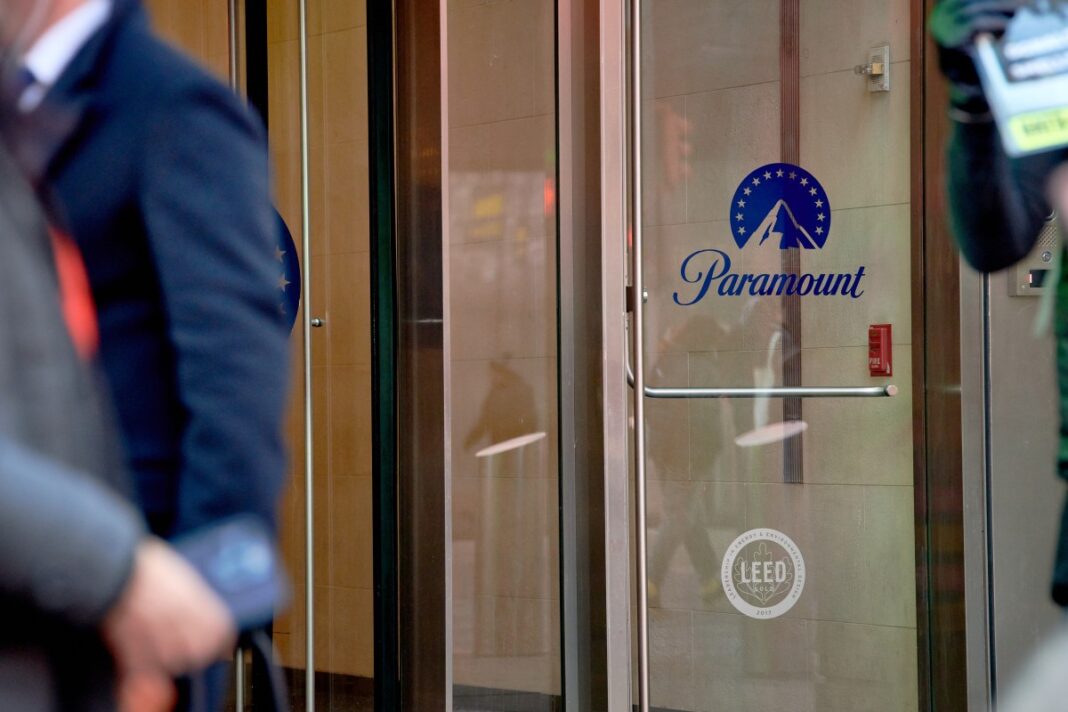
On Monday, Paramount CEO David Ellison announced that the company has filed a lawsuit against Warner Bros. Discovery (WBD) in Delaware, demanding greater financial disclosure regarding Netflix’s $82.7 billion acquisition.
In a letter to shareholders, Ellison disclosed that the lawsuit has been filed in the Delaware Chancery Court, requesting that WBD provide essential information that it allegedly has failed to share. Ellison argues that shareholders need accurate information to assess whether to accept Paramount’s competing offer of $30 per share in cash, which he claims is superior to Netflix’s deal.
Ellison wrote, “WBD has provided increasingly novel reasons for avoiding a transaction with Paramount, but what it has never said, because it cannot, is that the Netflix transaction is financially superior to our actual offer.”
“Along with the WBD shareholders, we have asked for the customary financial disclosure a board is supposed to provide shareholders when making an investment recommendation…WBD has failed to include any disclosure about how it valued the overall Netflix transaction, how the purchase price reduction for debt works in the Netflix transaction, or even what the basis is for its ‘risk adjustment’ of our $30 per share all-cash offer. WBD shareholders need this information to make an informed investment decision on our offer,” Ellison added.
Last week, WBD’s board rejected Paramount’s latest bid once again, saying there’s too much risk of the deal falling through.
President Trump also expressed his dissatisfaction with the merger. Over the weekend, Trump shared on Truth Social an opinion piece by John Pierce titled “Stop the Netflix Cultural Takeover,” published in One America News last month. Pierce believes if Netflix acquires Warner Bros.’ streaming and studio assets, it would establish itself as “the most dominant cultural gatekeeper the United States—and much of the world—has ever seen.”
After meeting with Netflix co-CEO Ted Sarandos in December, Trump indicated that the merger “could be a problem,” due to Netflix’s already significant market share, which would expand greatly with the acquisition.
The industry has also generally reacted negatively to the acquisition, raising concerns about job implications, the future of theatrical releases, and the representation of diverse voices in film and TV.
Netflix co-CEOs Greg Peters and Sarandos attempted to address these fears in a letter last month. However, the Writers Guild of America (WGA) continues to oppose the acquisition, citing antitrust law violations. Lawmakers, including Senators Elizabeth Warren, Bernie Sanders, and Richard Blumenthal, warn that the merger could lead to increased consumer costs, exacerbating financial pressures on middle-class families, especially following Netflix’s recent price hike.