
Inside the £1-an-hour official football shirt factories
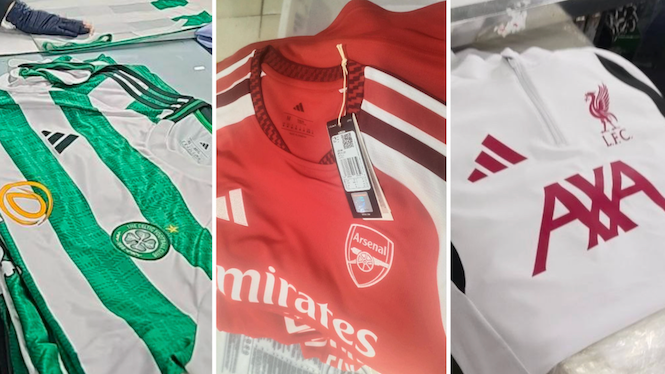 Image source, BBC Sport
-
Published
Workers are being paid a basic wage of less than £1 an hour to make official football shirts for some of the world’s biggest clubs, BBC Sport can reveal.
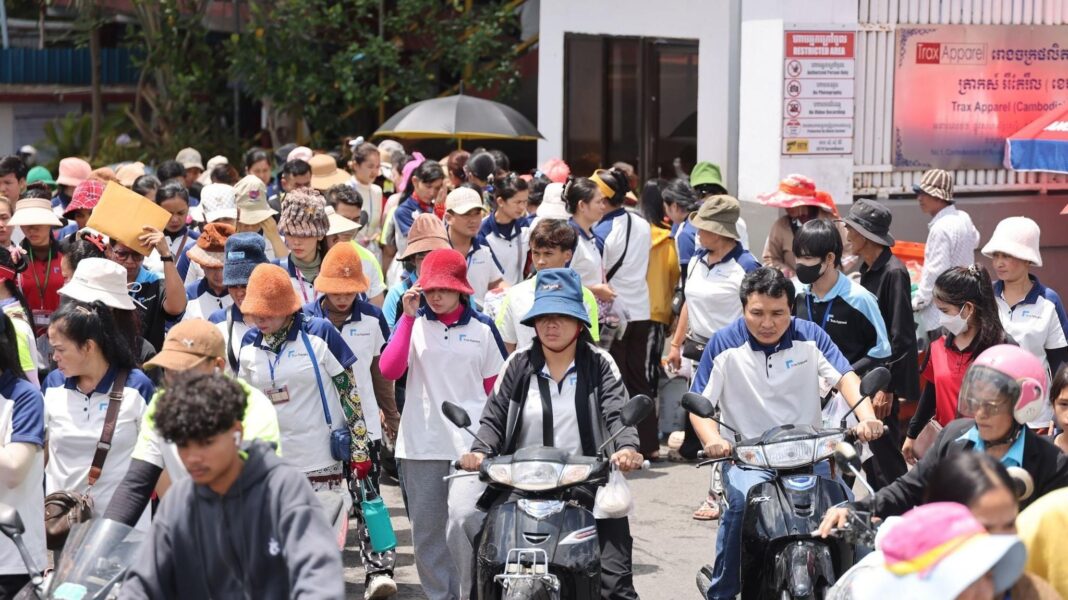
Our investigation traced authentic replica shirts to two factories in Cambodia, where conditions were described as “grim”.
We followed the supply chain behind official shirts after fans told us they were frustrated by rising prices, with many turning to cheaper counterfeits instead.
Images obtained from inside Bowker Garment Factory and Trax Apparel show kits being made for clubs including Arsenal, Celtic, Liverpool and Real Madrid.
Employees there told us they struggled to make ends meet and worked on up to 700 items a day as part of a production line.
In rare interviews, supported by documentary evidence and published anonymously, workers also described:
-
Factory temperatures above 35C.
-
Verbal abuse when targets were missed.
-
Safety concerns about electrical equipment.
The Clean Clothes Campaign, external – a global workers’ rights network – said our findings painted a “very grim picture”.
“These are issues that many garment workers around the world face every day,” added spokesperson Emma Vogt.
Similar issues, such as low pay and high temperatures, have been reported across Cambodia’s garment industry.
To play this video you need to enable JavaScript in your browser.
This video can not be played
Research published last year suggested that, of a typical £85 shirt, £8.50 covers fabric, sewing and shipping, £37.45 goes to the retailer, £16.25 to the manufacturer, £9.50 on marketing and £13.60 in VAT.
Shirt prices have increased significantly over the past decade, though industry experts argue advances in technology and expensive kit deals with elite clubs have contributed to the rise.
Adidas does not own either factory, but both are primary suppliers subject to its workplace standards., external
The sportswear giant supplies eight of the 20 Premier League teams.
Adidas said: “We have taken a variety of measures to ensure fair and safe working conditions for workers across our supply chain for more than 25 years.
“Through around 1,200 factory audits per year, we review and evaluate supplier conduct, work with suppliers to address issues and make improvements where necessary.”
Life on the production line
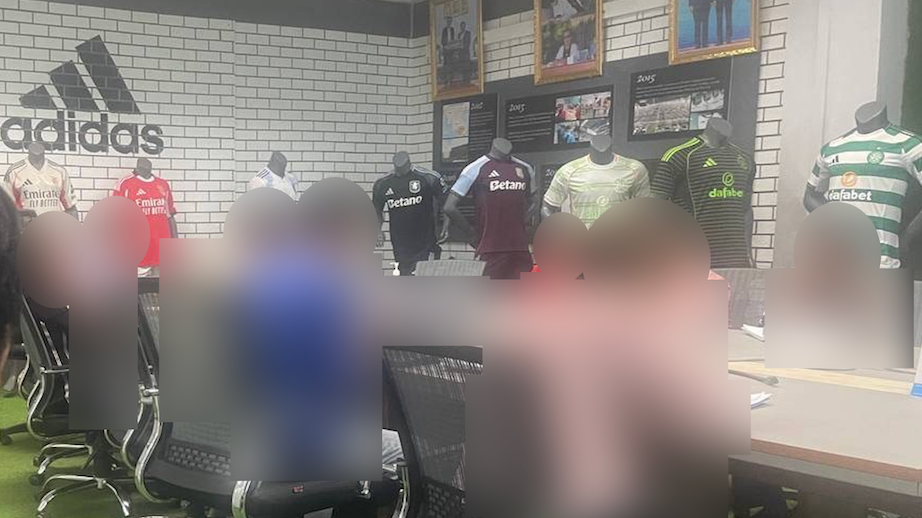 Image source, BBC Sport
Six thousand miles from the club shops where these shirts will be sold, a meeting is taking place inside Bowker Garment Factory.
In a photograph obtained by BBC Sport, mannequins display Benfica, Aston Villa and Celtic kits beneath an Adidas logo on the wall.
About 3,400 people – most of them women – work here on the outskirts of Phnom Penh. Another 3,200 work 10 miles east at Trax Apparel.
Fabric is imported from Thailand and Vietnam before a specialist tailor makes a sample for other employees to follow.
Much of the shirt-making process then takes place at these factories, including sewing, ironing and packaging.
‘These shirts contain the sweat of Cambodian workers’
Staff typically work six eight-hour shifts a week and, according to five payslips seen by the BBC, receive basic monthly salaries of $210-$220 (£158-£166).
The salaries comply with local minimum-wage laws, and three of the payslips indicate total monthly earnings of about $300 (£226) once overtime and allowances are included, albeit with significant extra hours worked.
“It’s hard to live with this amount,” said a Bowker worker, who explained she had little left after rent, food and utilities.
“I want international customers to hear that one shirt they buy costs more than two weeks’ salary for a worker,” said another worker at Trax.
“Every one of these shirts contains the sweat of Cambodian workers.”
Trax told us its average monthly employee earnings range from $305-$342 (£230-£258) this year.
Adidas said average net wages across a sample of its Cambodian suppliers were 34% above the Anker Research Institute’s living-wage benchmark,, external adding staff were “usually paid considerably higher than the local minimum wage”.
Bowker did not respond to our request for comment.
‘One shirt sells for $120. How much are they pulling in from 600 of them?’
In another photograph taken inside Bowker, a thermometer shows 35.2C and humidity of 57.6%.
“The heat stress is really taking a toll on our health,” said an employee on the ironing line.
Workers at both factories described pressure to meet group production targets of between 300 and 700 items a day.
“Just think about that,” they added. “If one shirt sells for $120 (£90) in the store, how much are they pulling in from 600 of them? They make a ton of money but give almost nothing to the workers.”
Others described verbal abuse when targets were missed.
“When we can’t complete the quota they scold and yell at us and tell us to resign,” said a third worker at Bowker.
The same employee said they received two electric shocks from an exposed wire.
“I tried to report it multiple times, but they only took action after the second time I got shocked,” they said.
Adidas told us both factories had “heat-management measures”, that its standards “do not permit any form of harassment”, and that “no electrical-related accidents” had been found in Bowker’s records.
Trax acknowledged “periods of elevated temperature” but said cooling systems were in place and insisted its approach “is not based on enforcing output targets”.
Such concerns are widespread across Cambodia’s garment industry, with a 2024 International Labour Organization report, external finding 69% of factories had issues with heat and 84% with worker protection.
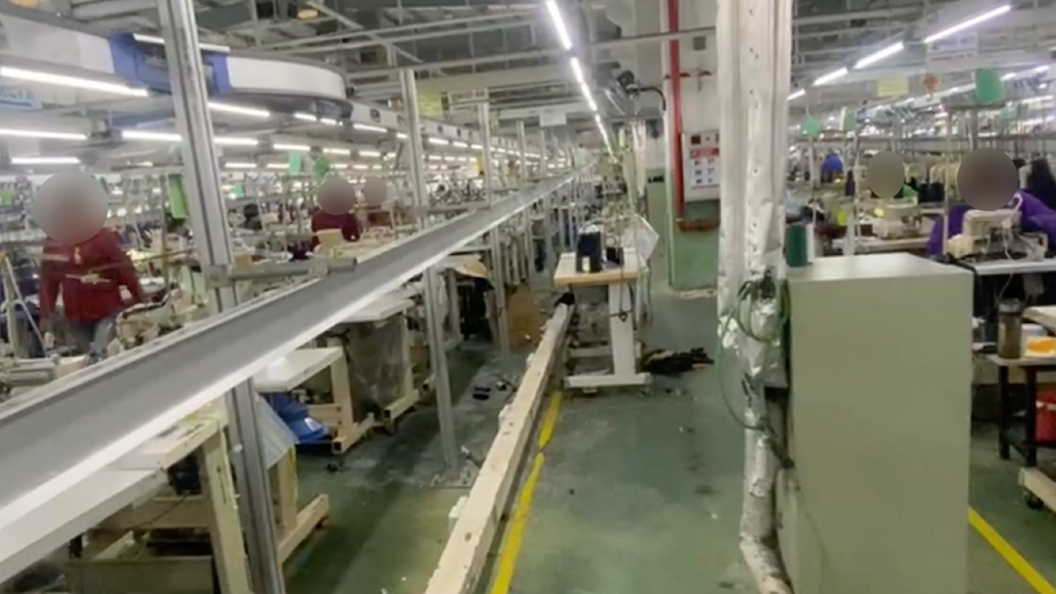 Image source, BBC Sport
From Cambodia to the club shop
It’s August Bank Holiday in England and two of the Premier League’s top sides – Aston Villa and Arsenal – are about to meet.
Tens of thousands of people are at Villa Park – many wearing shirts made in Cambodia.
Arsenal‘s latest home design was released in May, but we were sent photographs showing it inside Trax months earlier.
Fans of both clubs told us official shirts have become overpriced.
One Villa supporter has just paid £95 for his, complete with a Champions League badge.
“You buy your season ticket. Three shirts, that’s around £300 on top. It’s ridiculous,” he said.
An Arsenal fan is struggling with the outlay for his whole family.
“I’ve got young kids now and I’ve started getting them kits, so it’s started getting expensive,” he said. “They’re not cheap if you get the official ones.”
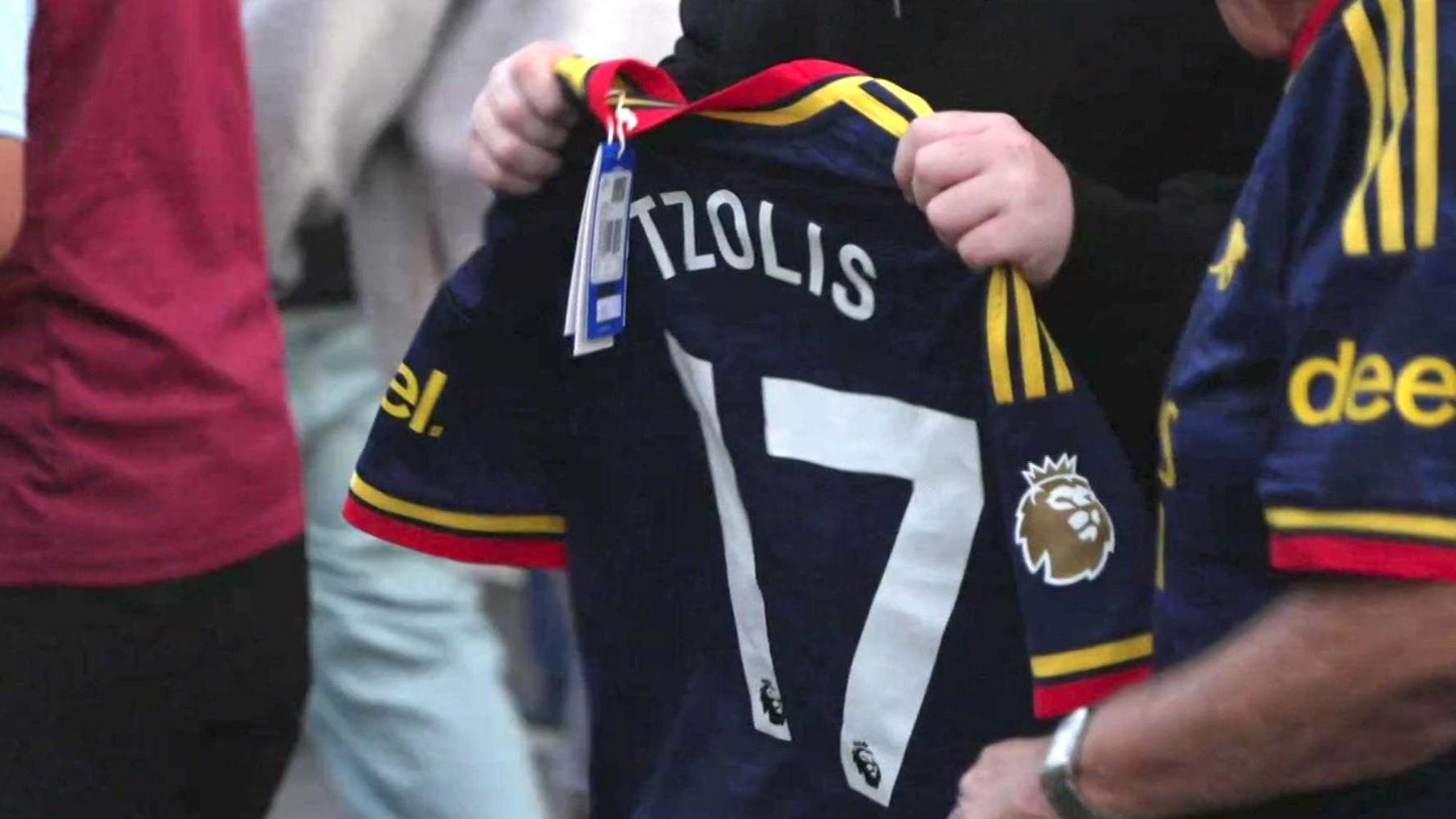 Image source, BBC Sport
Various studies estimate the global market for official football teamwear is worth several billion pounds.
“The mark-up on football jerseys… it’s hard to imagine a more lucrative brand market,” said Dave Welsh from The Solidarity Center, external – a US-based workers’ rights organisation.
But former Puma and Umbro kit designer Rob Warner told BBC Sport last year that the economics behind shirt prices are more complex.
“A lot of the profit margin is made by the retailer because they’re so dependent on the success of the team… it’s a risk,” he said.
“Then you factor in the cost of the kit deals going up, and the brands having to try to recover some of the money they’re paying to the elite clubs.”
Adidas supplies eight of the 20 Premier League clubs, plus the national sides of Northern Ireland and Scotland.
Fellow sportswear giant Nike supplies three, as well as England. Its football shirts have been produced in Thailand and Vietnam, and more recently Georgia.
Nike does not publish salary data by country, but told us 71% of its key suppliers pay at or above living-wage benchmarks relevant to their location.
Hummel, which also provides kit to three Premier League sides, did not respond to our enquiry.
‘Respect has got to be a baseline in sport’
The average price of an adult replica Premier League shirt has risen by 50.7% over the past decade, helping fuel demand for counterfeits sold for as little as £12.
Many of those counterfeit shirts originate from China.
Fans have been warned against buying fakes, with police saying, external they can be “manufactured without regard for safety standards or workers’ rights” and Trading Standards warning that “counterfeiters have no morals and no standards”.
The Premier League expects clubs to carry out appropriate due diligence on their kit manufacturers and supply chains.
None of the clubs named in this article responded to our request for comment.
“Respect has got to be a baseline in sport,” said Anna Bryher, from UK campaign group Labour Behind the Label., external
“Clubs need to send a really strong message that they won’t put their name on a shirt if workers are not treated with respect.”