
This post was originally published on this site.
Pupil put in isolation booth for more than half a school year, BBC learns
 Image source, Getty Images
-
Published
A school put a pupil in an isolation booth away from the classroom for more than half an academic year, BBC’s File on 4 Investigates has learned.
The child was one of 23 at Outwood Grange Academy in Wakefield who spent more than 20% of their days in the booths in one of the past two academic years. The school is run by a trust that has previously faced a legal challenge to its use of isolation to manage pupil behaviour.
One former student told us they were made to sit in silence, monitored by cameras and banned from even looking around the room.
Outwood Grange Academy said students are only sent into isolation after multiple warnings and the policy has successfully improved behaviour.
Warning: this story contains references to suicide and self-harm
Our findings, from Freedom of Information requests, underline growing concerns about how “no excuses” approaches to discipline are being implemented in schools across England.
A safeguarding review last year found an east London school’s zero-tolerance policy involved pupils being routinely humiliated by shouting and prioritised control above all else, leaving some children with lasting psychological harm. Another trust in Cornwall – whose discipline policy has been criticised by parents – is considering whether its schools should be run by other trusts.
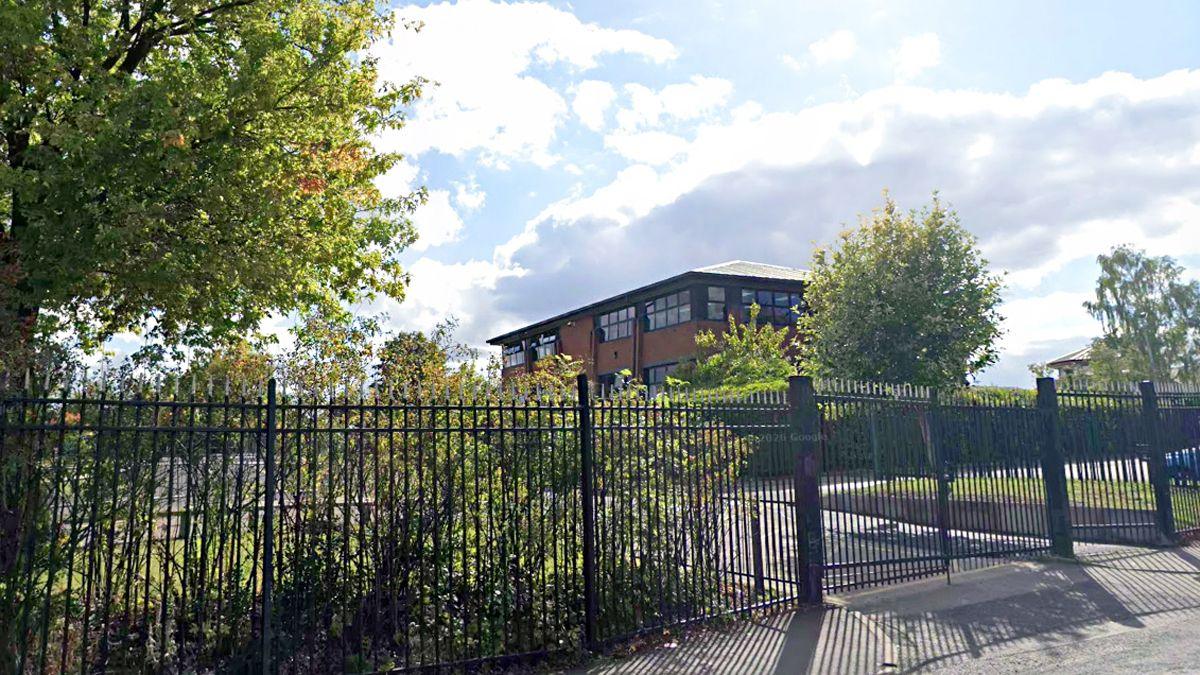 Image source, Google
Government guidance says isolation, which it calls “internal exclusion”, should only be used as a last resort, but one study found it is common. An analysis by education consultants The Key Group found 18% of students at hundreds of secondary schools using the practice were isolated at least once during the academic year.
Isolation involves taking students out of their classes and moving them to a separate supervised space. Schools sometimes call it “reflection” or “reset”.
The former student at Outwood Grange Academy, who we are calling Ben, described how pupils were seated in booths with plastic dividers on the sides, watched by cameras. Ben was isolated 58 times in 2023-4 – one of his final years at the school – usually for a full day, he said.
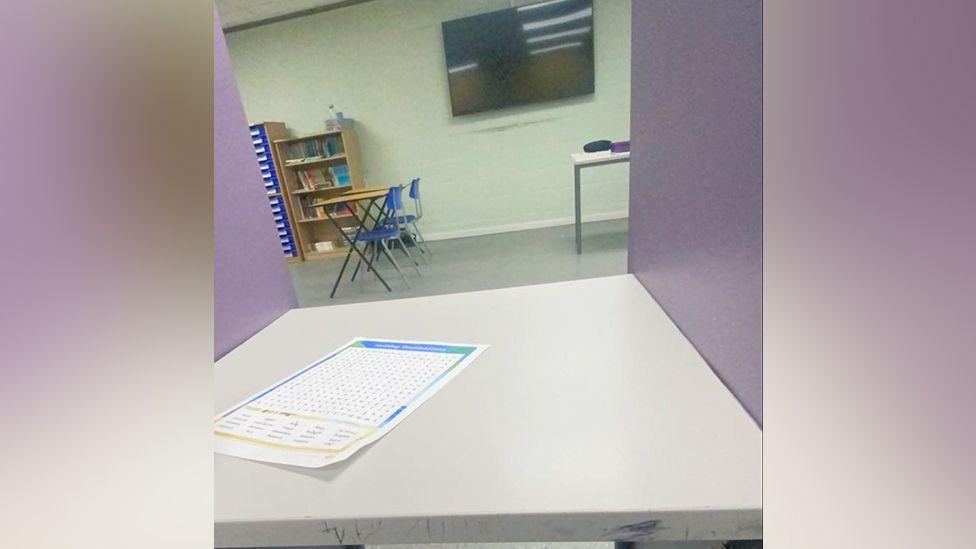
Ben said he was often given no work, trivial tasks such as a word search, or work which was too hard – but not appropriate material which could occupy him for the full day.
This was despite Outwood Grange Academies Trust – which runs the school and 40 others in the north of England – changing its policies in 2019 to say that students should be given meaningful work. The trust had been threatened the previous year with a judicial review by a student who had spent 35 days in isolation, but said it had planned to review its policies anyway.
If students slouch, lean against the walls or look around, they were given a warning, Ben said. He said if they failed to behave, they could be sent home – and would be forced to repeat the isolation the following day.
It would be “very rare” that he would get through a spell in isolation without a warning, Ben says. “If you stick a teenager in an isolated room all day not doing anything, they’re gonna just end up getting mad.”
Parents and students at the school said children have been sent into internal exclusion for having an untucked shirt, talking in class, asking to use the toilet, not having their blazer or asking to open a window.
Outwood Grange Academy said the amount of time students spent in reflection had been halved in the past year. “Reflection rooms are successful in improving behaviour,” it said.
The school said students are sometimes given word searches or other simple tasks initially to “de-escalate” their behaviour but once they are calm, they are given academic work. It said even seemingly minor incidents when repeated can disrupt classrooms, which was not fair to other students.
Strict schools: Taking discipline too far?
File on 4 Investigates the use of internal isolations in secondary schools in England and hears from parents and students who say such techniques are affecting their mental health.
Listen now on BBC Sounds – or on BBC Radio 4 at 20:00 on Tuesday 30 June, or 11:00 on Wednesday 1 July
Since 2003, schools in England and Wales have been banned from suspending pupils for more than 45 days in a school year. But there are no limits on how often children can be put in internal exclusion.
Its use, along with zero-tolerance behaviour policies, has been spreading with the help of school improvement consultants such as Bradley Nash, known as “The Behaviour Guy” on social media.
He argues that schooling is “just too important” to allow disruptive behaviour. “We will not allow the poor behaviour of others to negatively impact the life chances of your children,” he said in a video. Nash did not respond to the BBC’s request for comment.
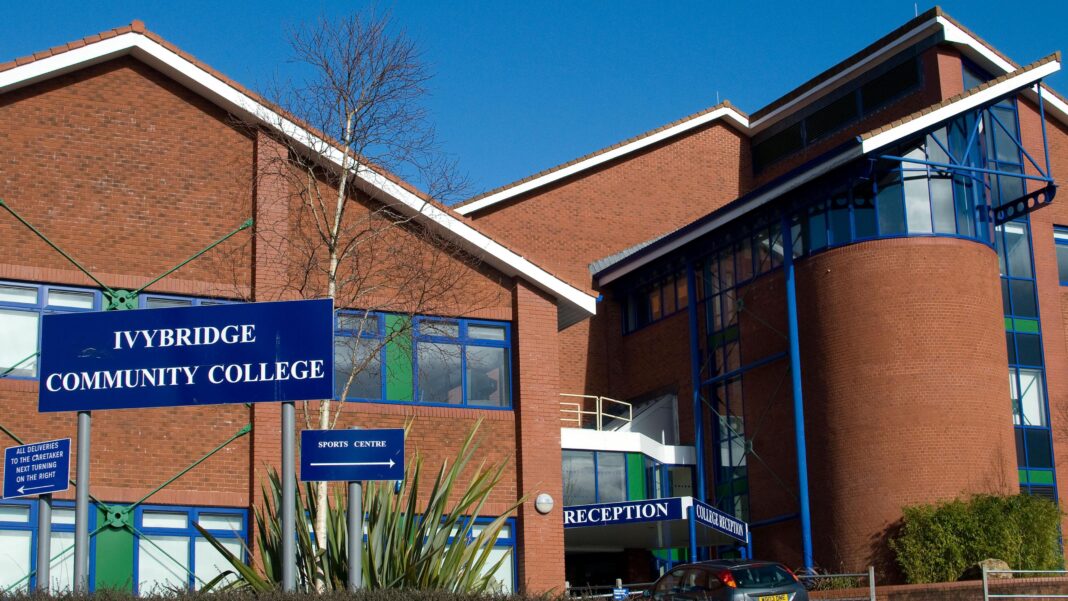
Among the 28 schools he says he he has advised are those belonging to the Westcountry Schools Trust, which runs Ivybridge Community College on the edge of Dartmoor in Devon.
After Ivybridge introduced stricter rules and isolation – which the school calls “reflection” – parents formed a Facebook group to share concerns, which grew to 700 members.
A Year 11 student, Taylor Lee, joined the group and wrote: “I know I’m not allowed to post here but I have very strong views”. He said the school had caused him mental health issues and criticised its “unlogical” behaviour policies. He had been sent to reflection for being 47 seconds late, he said.
 Image source, Michelle Lee
“I want the school to change. I’m sick of seeing my friends complain at lunch and break about the last two blocks [lessons] or absolutely destroy themselves from emotional overloads in the bathrooms from these unlogical punishments,” he said.
Taylor also told the school principal that the college’s rules were wrong. He was suspended, and on his return, raised concerns again with the academy trust. Students were given an extra minute to get to their next lesson, and the penalty for lateness was reduced to half a day in reflection.
Three weeks later, his parents, David and Michelle, found his body in his bedroom. Taylor had written in a note that he felt like “a failure” and “useless”, Michelle said, adding: “A lot of that I know is because of what was happening at school and how he was made to feel.”
“My son’s entire school experience was a gradual chipping away at a person, chipping away at their soul,” she said.
The inquest into Taylor’s death has heard there were lots of reasons for his distress in the previous two years. He had been badly beaten up by a boy in the year above and his behaviour suffered after the school allowed the boy back. He also split up with his first girlfriend and admitted taking drugs and self-harming.
But Tonice Edwards, a youth intervention worker with Devon & Cornwall Police and local schools, who worked with Taylor, told the inquest she had warned the school its “punitive system” could exacerbate mental health struggles. She testified that one of Taylor’s biggest issues was the school, where “he felt he was being set up to fail”.
The inquest has been paused after the school was asked if it wanted legal representation.
Ivybridge Community College and Westcountry Schools Trust did not respond to requests for comment.
-
If you’ve been affected by issues such as suicide or feelings of despair, information and support is available at BBC Action Line
Additional reporting by Cherry Casey