

This post was originally published on this site.
 Getty Images
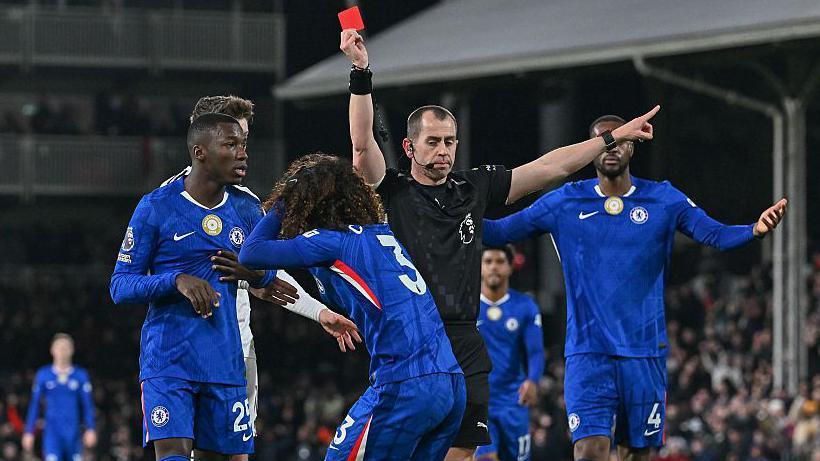
Football’s lawmakers will consider widening the remit for red cards when a goalscoring opportunity is denied at a meeting on Tuesday.
However, Arsene Wenger’s “daylight” offside proposal is set to be kicked into touch in favour of a different idea which is fairer for defences.
Goalkeeper tactical timeouts, time-wasting and video assistant referee (VAR) tweaks are among other items on the agenda.
The annual business meeting of the International Football Association Board (Ifab) in London is the next step for any changes to the laws which will be applied at the Fifa World Cup and in the domestic leagues next season.
The final stage for approval is the annual general meeting in Cardiff on 28 February.
The Ifab board is comprised of world govering body Fifa and the football associations of England, Scotland, Wales and Northern Ireland.
At the meeting in February the FAs have one vote each and Fifa casts a block of four. Six votes are needed for a law to be modified.
Changes come into effect from 1 July. They can applied earlier at the World Cup and by leagues which start new calendar-year seasons before this date.
Here is what is up for discussion.
Red cards reviewed
At present a defender can only be sent off for denying an obvious goalscoring opportunity (Dogso) if the player who has been fouled is through on goal.
The Ifab is proposing expanding this so it covers the team-mates of the attacker.
The wording “location and number of attackers” could be added to the considerations for Dogso.
This is expected to apply to teams who are, for instance, on a fast counter-attack.
The fouled player may not have a scoring chance but if they could have passed to team-mate who would, this may be Dogso next season.
There is also a proposal to remove a yellow card shown to a player who commits a Dogso offence when advantage is played and a goal is scored.
For example, last season Aston Villa’s Leon Bailey brought down Mohamed Salah when the Liverpool forward was through on goal. The ball ran to Darwin Nunez who scored.
Although the referee missed the foul in that incident, under the law today Bailey should have been booked. From next season the suggestion is there should be no sanction.
Wenger’s offside trial set to be sidelined
 Getty Images
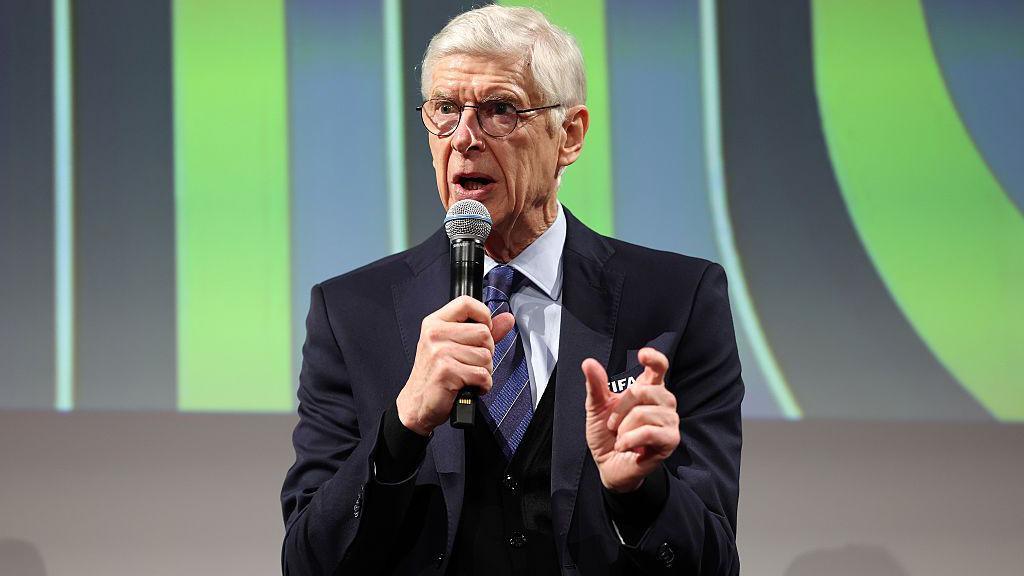
There has been a lot of talk about Wenger’s “daylight” offside law.
The former Arsenal manager’s proposal is that if “any part of your body is on the same line as the defender, you’re not offside”.
In other words, there needs to be a complete gap between the attacker and the second-to-last opposition player – effectively the last defender – given the goalkeeper’s usual positioning.
Yet the discussion on Tuesday is going to be about “torso” offside.
Rather than using the head and feet to determine offside it would take the upper body.
Wenger’s idea appears to have been kicked into touch because it gives too much advantage to the attacker.
So the Ifab looks set to start again and initiate trials of the “torso” method in youth football.
Goalkeepers feigning injury for a tactical timeout
 Getty Images
It is seen as a scourge of the modern game. A goalkeeper goes to ground off the ball and play is stopped. All 10 outfield players rush to the technical area for a team talk.
As soon as the coach has got his new instructions across the goalkeeper gets up. There is nothing a referee can do about it.
It is often used by a coach when their team is struggling, or perhaps they have had a player sent off and need to reorganise.
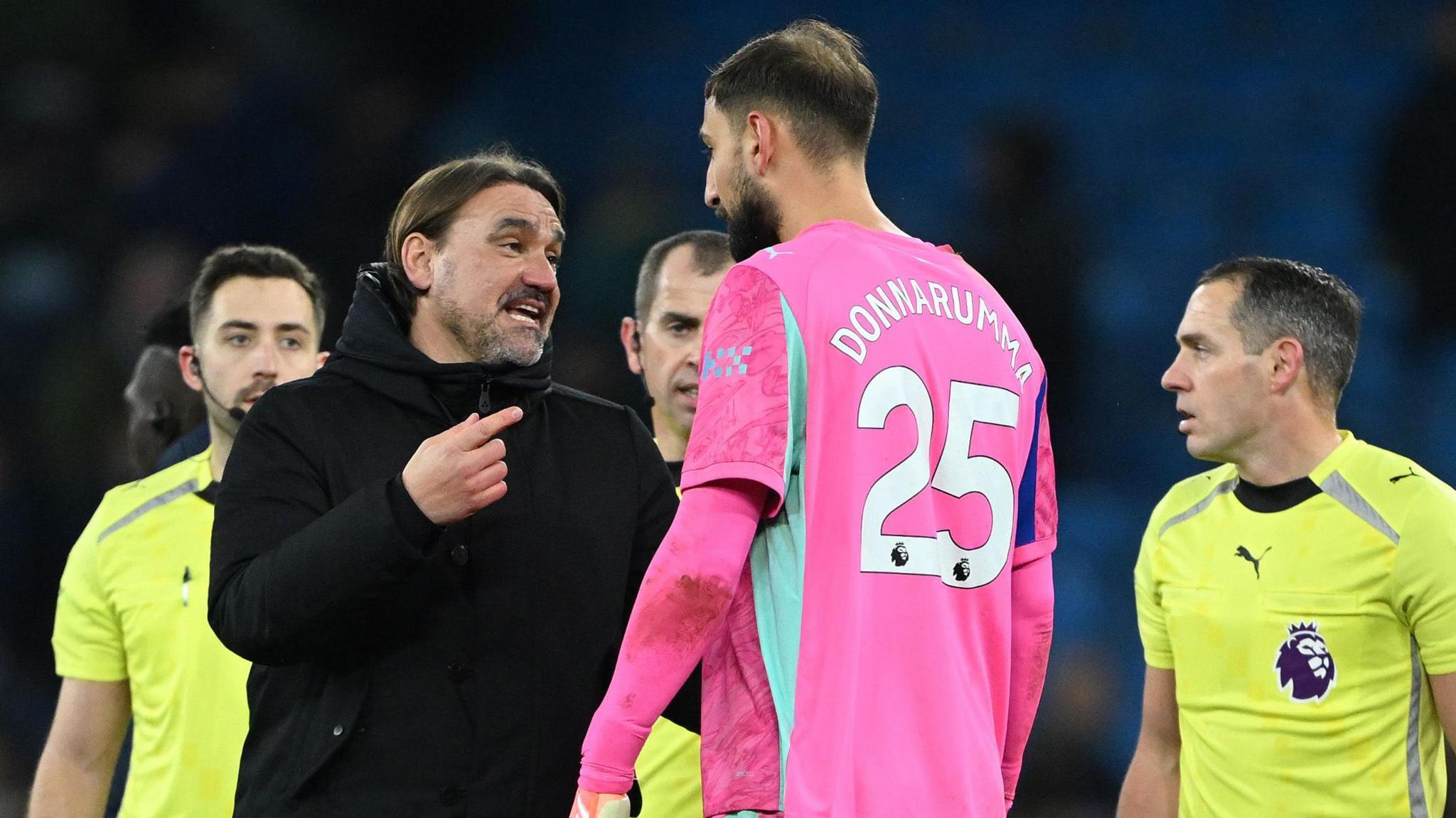
In November, Leeds United manager Daniel Farke accused Manchester City keeper Gianluigi Donnarumma of feigning injury to “bend the rules”.
An outfield player who has treatment must leave the field for 30 seconds.
The same logic cannot be applied to goalkeepers so the Ifab is considering forcing a coach to remove an outfield player instead.
Some are against it believing it makes the assumption a goalkeeper is cheating when they may be genuinely injured.
The Ifab accepts something has to be done so it is likely to be trialled at lower levels next season and the results evaluated.
But if you think 30 seconds is too much, it might get even longer.
At the Arab Cup last month Fifa trialled players having to leave the field for two minutes if they received attention from the physio.
It is not a new idea, though, and has existed in Major League Soccer in the United States for the last two years.
Players who go down for more than 15 seconds, stay on the floor and get treatment must stay off for two minutes, with a few exceptions.
The Premier League is believed to be against any extension beyond 30 seconds.
VAR getting involved in corners and second yellow cards
 Getty Images
When the Ifab’s football advisory panels met in October they rejected the idea of reviewing corners. The fear is it will add too much time. It is a view shared across the game, apart from at Fifa.
Fifa believes it has the resources to review corners – every one before it is taken, not just those which lead to goals.
Fifa reckons a corner check will almost always be completed before teams are set up so no time is lost but the correct decision is made.
So the game’s world governing body is petitioning for special dispensation to review corners at this summer’s World Cup. It is likely to get the green light.
But this creates a stand-off between Fifa and the rest of the Ifab board – and in this respect the game.
Fifa took full control of VAR from the Ifab in 2020 but it still needs the approval of the Ifab board to make changes.
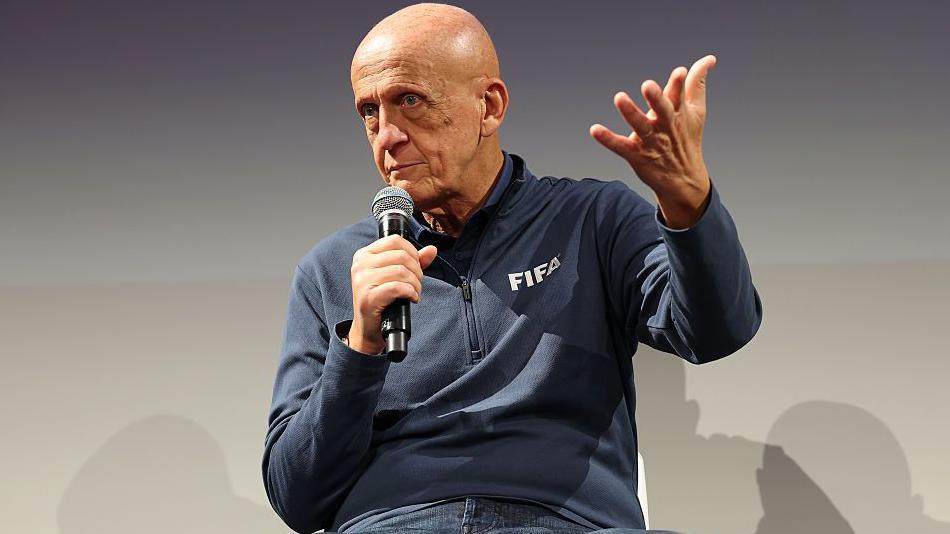
If Fifa gets to push this through it could look at other aspects. Head of referees Pierluigi Collina supports the idea that if a mistake can quickly be identified it should be corrected. And that includes an incorrect yellow card generally.
There was more agreement on second yellow cards. It seems certain VAR reviews will be introduced for players who have been sent off.
Potential second bookable offences will not be reviewable. That would open the floodgates for every challenge by a player on a caution to be looked at.
Countdown for throw-ins and goal-kicks
 Getty Images
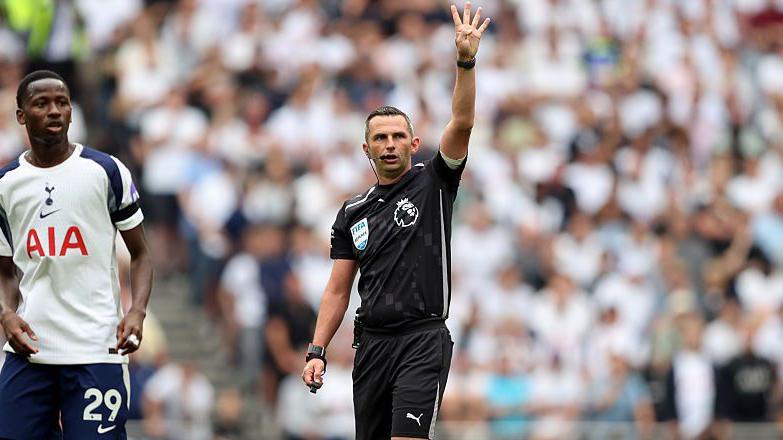
The advisory panels placed “a particular focus on further measures to improve the flow of play and minimise interruptions and time lost”.
Goalkeepers going down for stoppages was one aspect, another is the time taken on throw-ins and goal-kicks.
The proposal is that possession would flip to the opposition if a countdown runs out.
It follows the success of adding an eight-second limit for goalkeepers holding the ball.
Like the goalkeepers law a referee would not be expected to apply it strictly to the letter but to use it as a genuine deterrent.
So, if a keeper takes too long to take a goal-kick then the opposition will get the ball and the restart would be a corner.
This will need trials in lower levels of football first so don’t expect to see it at the World Cup or in domestic football next season.
The Ifab will also discuss adopting another MLS regulation about substitutes.
The “Timed Substitution Rule” requires a player to leave the field within 10 seconds. If they do not their replacement must wait 60 seconds to enter after the restart of play.
Accessories or jewellery could be taped up
Earlier this month West Ham’s Estelle Cascarino was stopped from coming on as a substitute against Chelsea in the Women’s Super League because she was wearing an earring.
It had been covered by tape but could not be taken out.
FA rules state that “all items of jewellery are forbidden and must be removed”, with no allowances made.
Luckily for Cascarino the situation was debated by the football and technical advisory panels in October.
It covers a player who has accessories or jewellery that cannot be removed, for instance permanently attached to the body.
If it can be covered safely, the Ifab is debating that they should be able to play.
Other changes up for discussion
The Ifab will approve some recent temporary changes to be added to the laws permanently.
The ‘only the captain’ guidelines covering who can talk to the referee, and the ‘double touch’ penalty clarification.
That means that if a player scores a penalty but accidentally touched the ball twice it is a retake rather than a free-kick to the opposition.
We saw this in action in November when Crystal Palace striker Jean-Philippe Mateta had to retake a penalty after kicking the ball onto his standing foot.
Related topics
-
-
17 October 2025
-
-
-
16 August 2025
-