
This post was originally published on this site.
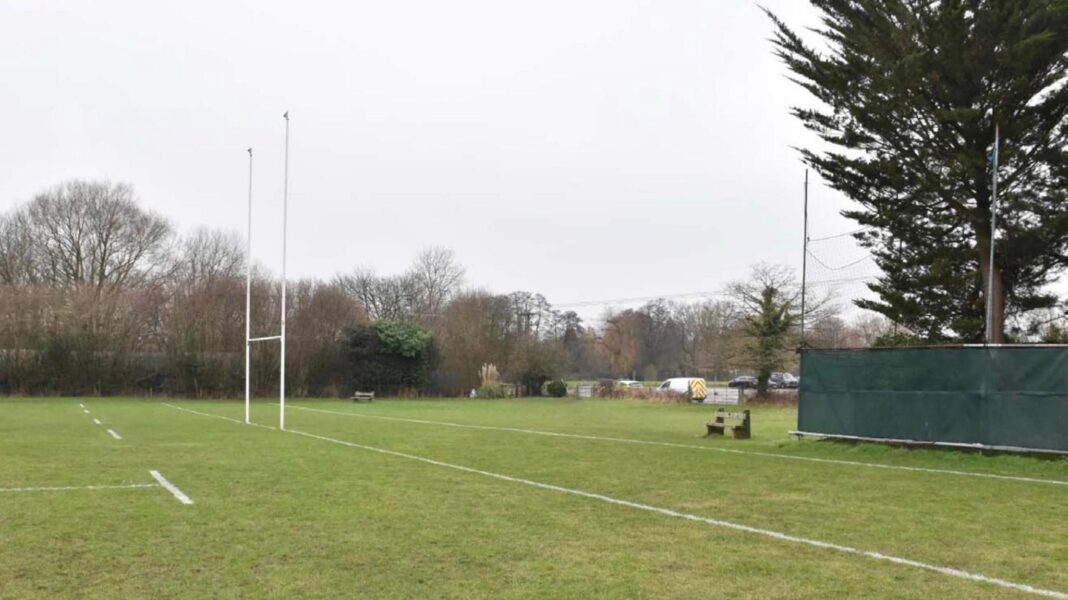
On 13 January, 1913, when King Rama VI sent Thailand’s first wireless message from the Saladaeng Radiotelegraph Station in Bangkok, he could never have foreseen that more than a century later, in the same spot, guests would be sipping cocktails by the pool, scrolling on smartphones and communicating in real time. Back then, this whole area was little more than rice paddy – open, flat and far enough from the city’s sprawl to minimise any interference with the radio waves. The radiotelegraph station that stood here marked Thailand’s connection to, and arrival in, the modern world. Soon a road was built to link it to the city centre, named after this new technology: Witthayu (meaning wireless). Bangkok has never looked back.
(Image credit: Ritz-Carlton Bangkok)
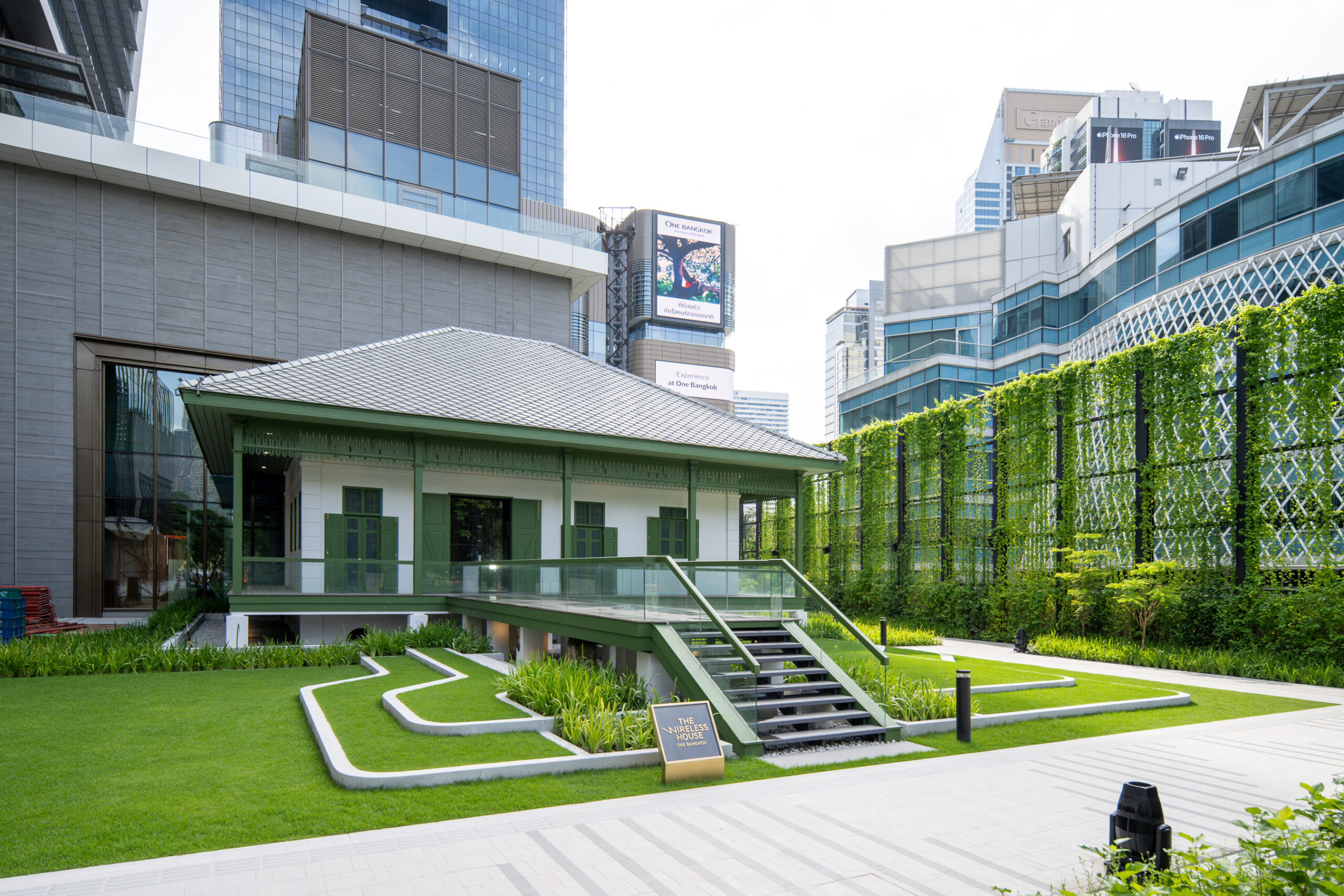
Fast forward to 2016, and a group of property developers working on site discovered the radiotelegraph station’s foundations beneath their feet. Working closely with conservationists, archaeologists and the Fine Arts Department, they unearthed hundreds of artefacts – fragments of delicate bone china, faded floral tiffin tins, perfume bottles and grainy photographs. As the site’s construction began, so did a plan to create a museum dedicated to the history of the area and its former inhabitants – mostly merchants and traders from southern China, followed by the cadets from the military academy and, later, the stallholders from the Suan Lum Night Bazaar. The Wireless House Museum now bridges this past and present, and I can just about make it out from where I’m standing, 20 floors up at 189 Wireless Road – The Ritz-Carlton hotel – with the green canopy of Lumphini Park stretching out before me.
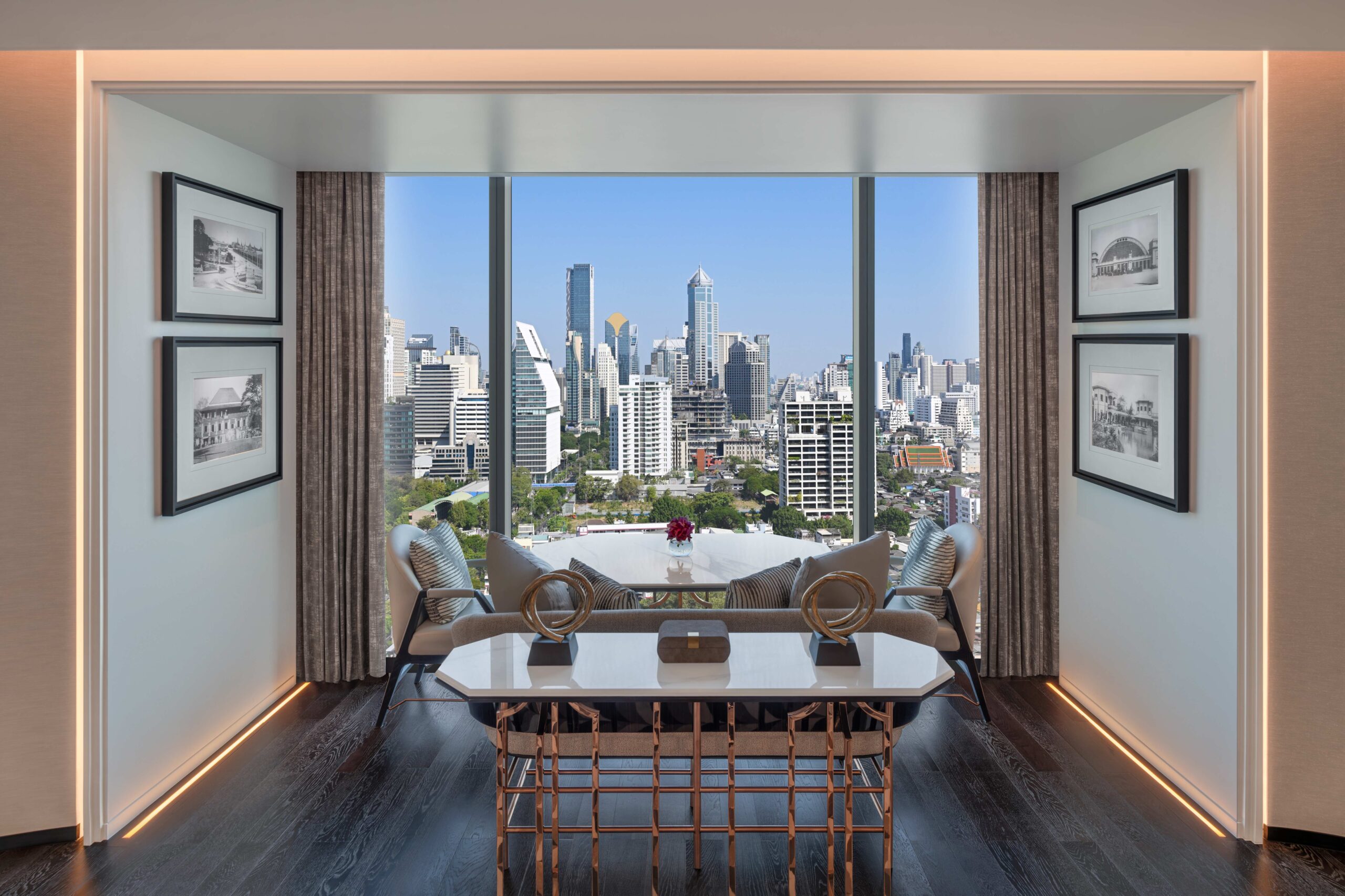
The Ritz-Carlton opened in December 2024 and is part of the new $3.9 billion One Bangkok development, another marker of the city’s current iteration. The skyscrapers glisten above the busy artery of Wireless Road as it is today – full of tuk-tuks, motorbikes and SUVs – the Wireless House Museum sitting to one side, complete with a partial former radio mast. The Ritz-Carlton’s 260 rooms have floor-to-ceiling windows that maximise the views of the park and the ever-changing cityscape beyond.
Sign up to Money Morning
Don’t miss the latest investment and personal finances news, market analysis, plus money-saving tips with our free twice-daily newsletter
Don’t miss the latest investment and personal finances news, market analysis, plus money-saving tips with our free twice-daily newsletter
My suite – an Amaranth Corner Suite – has balconies on both sides, so I can catch the sunset without leaving my room.
Designed by Skidmore, Owings & Merrill together with Thai firm A49, the building sits next to One Bangkok’s shopping centres, where people flit between air-conditioned stores or pause to take in the outdoor sculptures dotting the pedestrianised courtyard, including a mirrored S-Curve sculpture by Anish Kapoor. It’s a contemporary space that roots Bangkok firmly in 2026 – a far cry from when I first came here 29 years ago to visit the night market that stood on this very spot.
(Image credit: Ritz-Carlton Bangkok)
The Ritz-Carlton, Bangkok has world-class cuisine
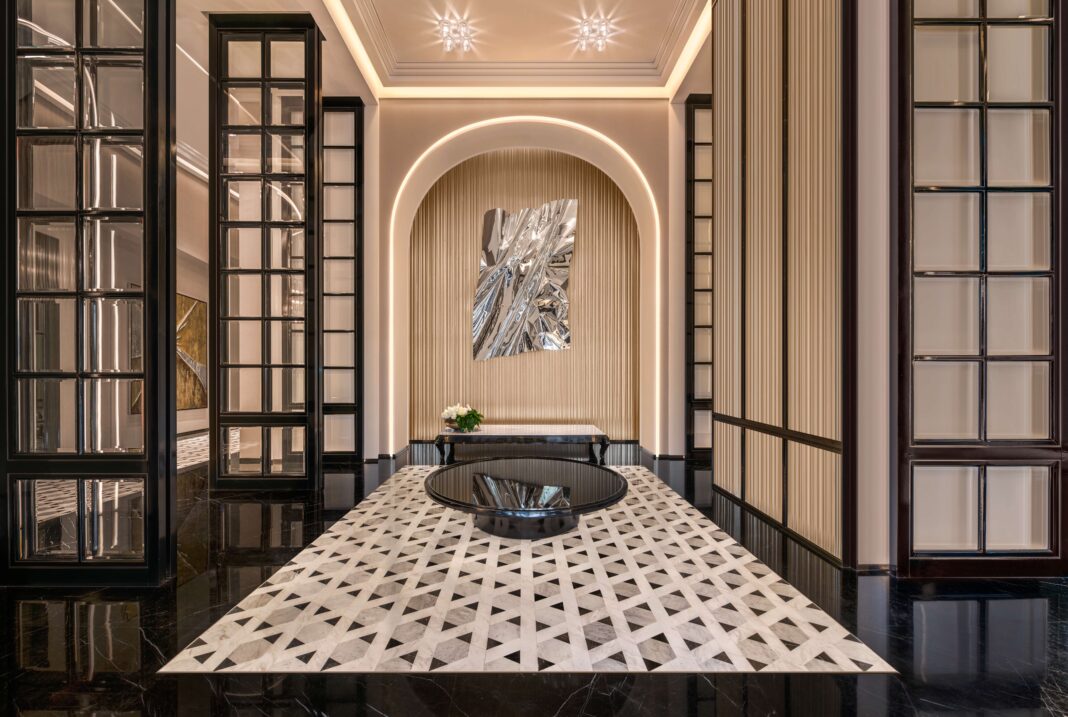
The hotel’s interiors are sleek and confident. Thai design studio PIA created a space that plays on the concept of “two civilisations”, marrying Bangkok’s heritage with a classic elegance – polished tiles, contemporary artworks, water features and plenty of marble and gold. I particularly liked all the black-and-white photographs depicting old Bangkok.
(Image credit: Ritz-Carlton Bangkok)
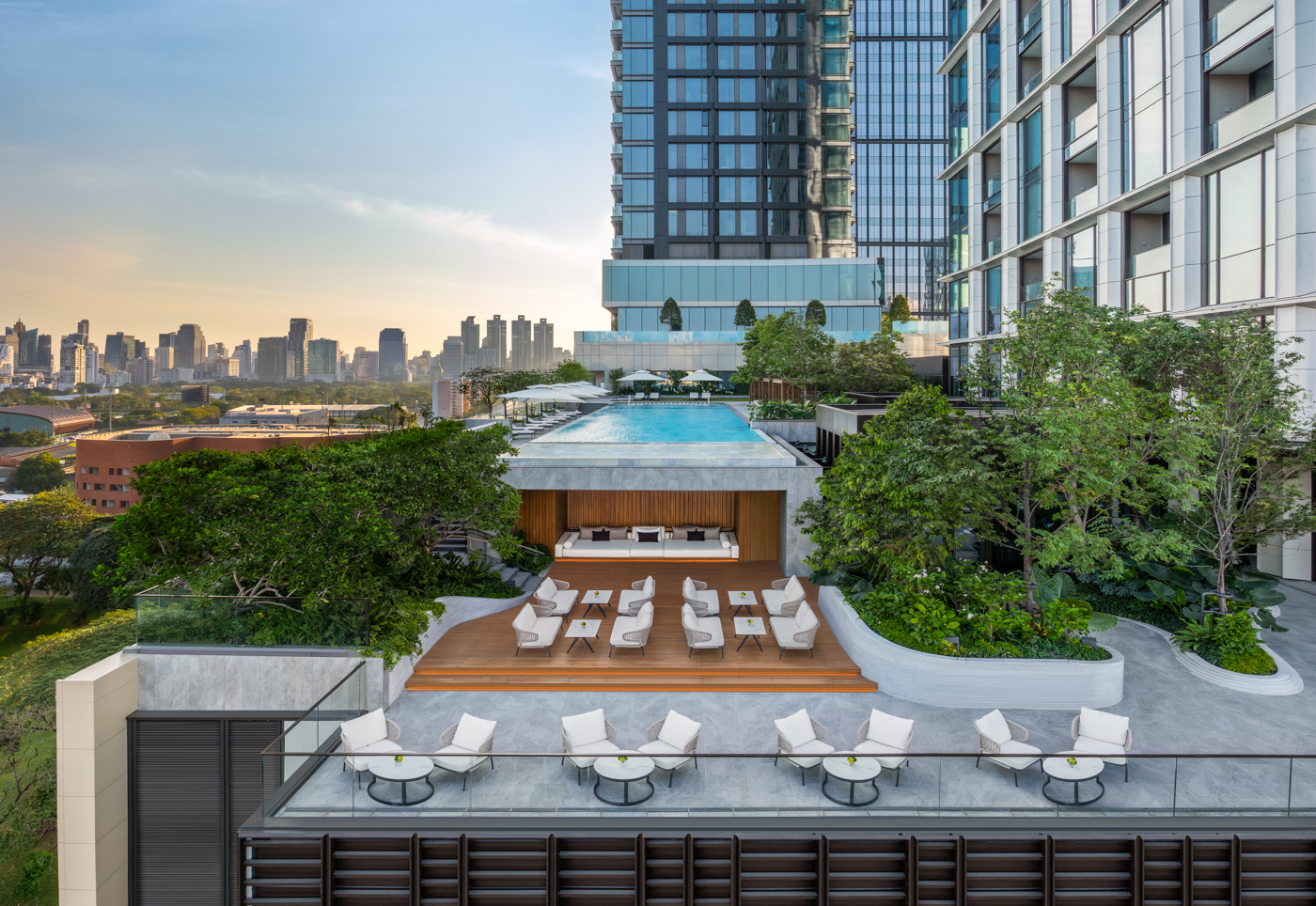
On the seventh floor, the outdoor pool is a godsend from the city’s heat. Cabanas are coveted on sunnier days, but there are always enough loungers to go around. The spa downstairs offers traditional Thai massage – and after a full day of sightseeing in Bangkok, you will need one. But it’s in the food and drink where The Ritz-Carlton really shines. The hotel has four bars and restaurants, and each one is excellent.
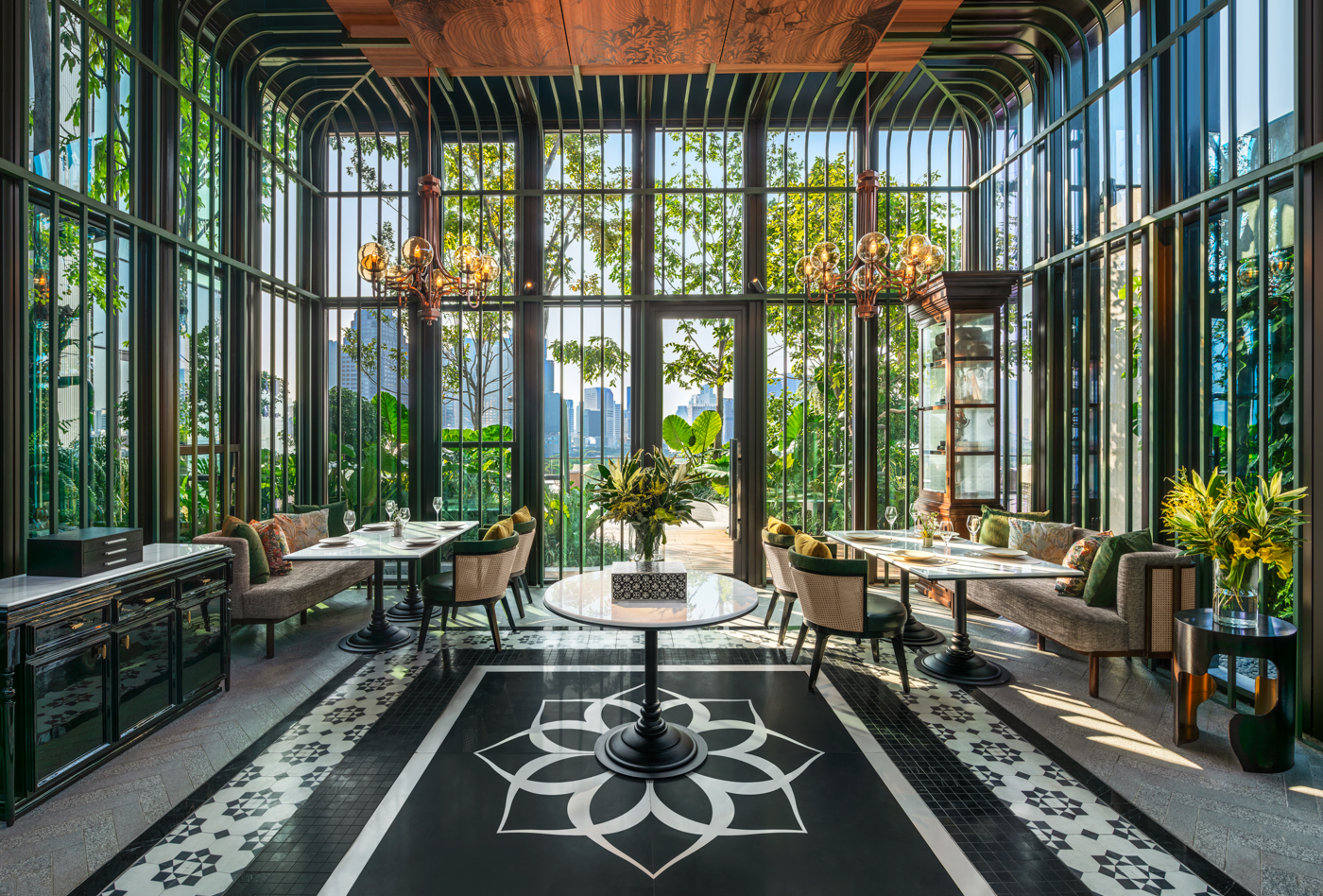
Duet by David Toutain is the main event. The 32-seat fine-dining restaurant sits within a glasshouse on the seventh floor overlooking Lumphini Park. Toutain – whose Paris restaurant holds two Michelin stars – and chef de cuisine Valentin Fouache present a modern French eight-course tasting menu made with seasonal ingredients, with wines or zero-proof pairings to match. The dishes range from Brittany brown crab with vanilla and kaffir lime, to gamba roja prawns with morels, to Hokkaido scallop with XO sauce and Jura yellow wine, each arriving with its own provenance card.
(Image credit: Ritz-Carlton Bangkok)
The finale – 80% Chiang Mai chocolate with buckwheat, passion fruit and cocoa nibs, and a rum-soaked sponge – is every bit as good as it sounds. This is cuisine that’s worth travelling for. Book a table, even if you’re not staying at the hotel (9,000 baht (£205) per person, with wine pairing).
Then, there’s Lily’s, the all-day dining room, also on the seventh floor. Breakfast here is an epic affair spanning multiple rooms and stations – possibly one of the most ambitious and well-presented spreads I encountered in Southeast Asia. By night it’s more relaxed, and the banquettes and tables take on a low-lit brasserie vibe. My bowl of mussels with green-curry pesto, alongside buttered asparagus, truffle fries and chilled glass of Chablis, was a highlight of my trip. This is the kind of bistro cooking that Bangkok does brilliantly.
(Image credit: Ritz-Carlton Bangkok)
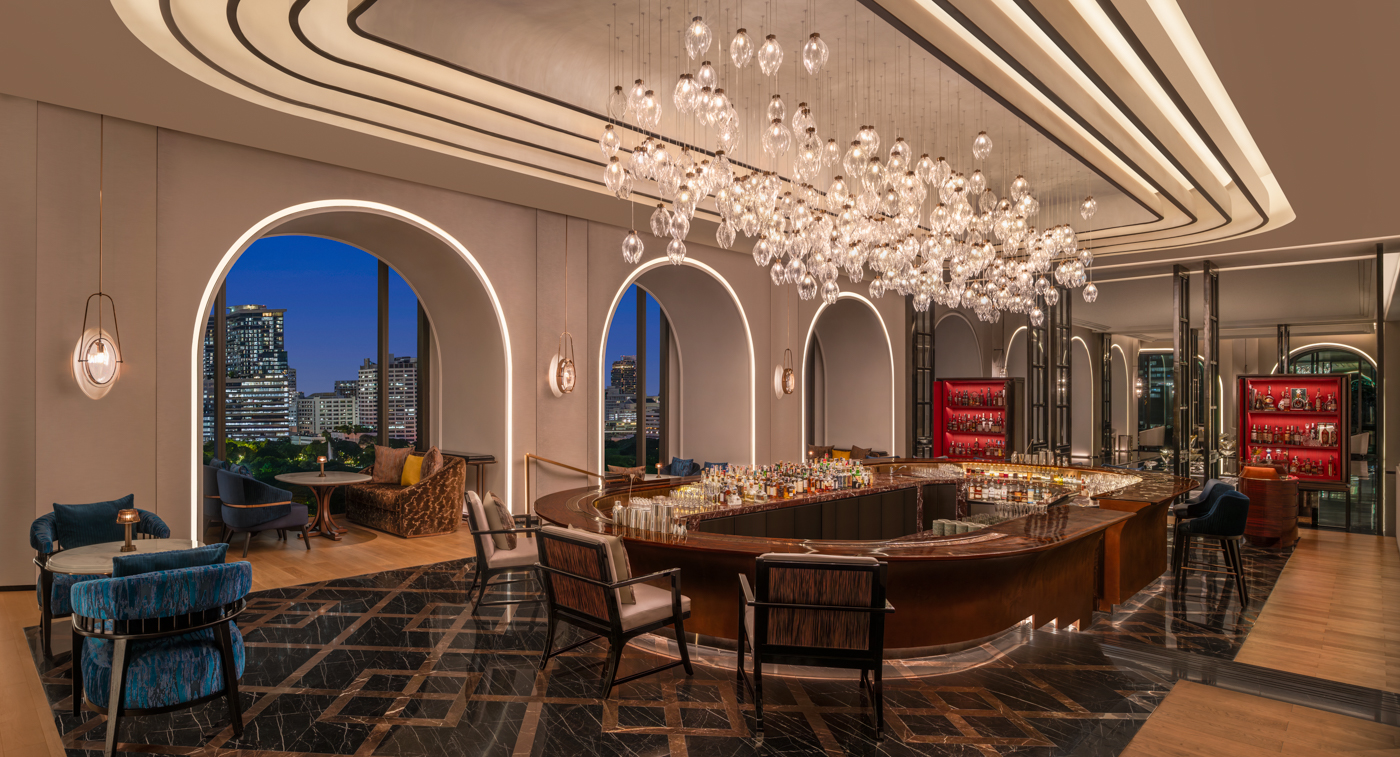
On the lobby floor, which sits high above street level, is Caleo bar. I was working my way through a Moroccan gimlet when the staff appeared with a box of postcards and an offer to send one anywhere in the world. It’s a small gesture, but it’s the sort of gesture you remember.
If you’re staying in one of the suites, you also have access to the 23rd-floor Club Lounge, which is a cool and calm place to enjoy breakfast away from the bustle, or a light lunch or afternoon tea for that matter. Sundowners are served in chilled glasses. Service is faultless. When I mentioned my fondness for Thai herbal inhalers, which are a local staple, the staff set up a tray of ingredients so I could make my own to take home, then gave me two more as a gift. I also took a Thai cookery class and a guided walking tour of the flower market and Song Wat Road, an up-and-coming neighbourhood with trendy coffee shops, vintage clothes stores and more new galleries and bars I’ve bookmarked for my next visit.
Experience everything under one roof at The Ritz-Carlton, Bangkok
The Ritz-Carlton combines all the things this city does well – great food, hospitality, a relaxing lounge and a peaceful wellness space – packaged into a single address. The restaurant credentials are serious, the design is assured without being showy, and the location, right on the edge of Lumphini Park, gives it space to breathe and makes it central enough to reach most places easily.
Bangkok has always moved fast and been one of the most exciting cities in the region. The signals it’s sending now are worth tuning into.
Katie was a guest of The Ritz-Carlton, Bangkok. From 17,500 baht (£400) a night, excluding fees and taxes, but including breakfast based on two people sharing. Visit ritzcarlton.com for details.
This article was first published in MoneyWeek’s magazine. Enjoy exclusive early access to news, opinion and analysis from our team of financial experts with a MoneyWeek subscription.