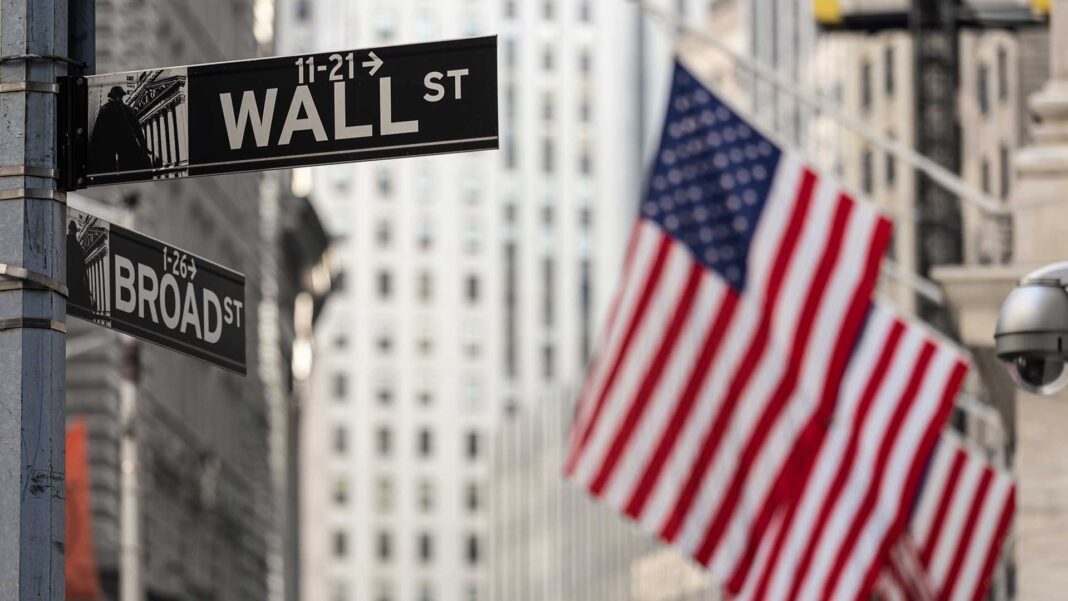

A Harvard graduate with a background in economics, Gentil moved to New York after university and worked his way through increasingly senior roles in market analysis, investment strategy and risk management. Colleagues came to know him as someone who stayed composed when markets did not, and who treated discipline as a professional habit rather than a personality trait.
After decades in that world, Gentil retired and settled in Richmond, Virginia, where he now lives in a Victorian home he has spent years restoring and maintaining. His days there look very different from his years on trading floors, but the same instincts, patience, attentiveness and a preference for evidence over noise, still shape how he spends his time.
One of the more distinctive threads in Gentil’s retirement is his return to a childhood interest in astronomy, something that began long before his career in finance and that he has since built back into his daily routine from the balcony of his home. He is, by most accounts, the kind of person who is happy to talk markets, history or the night sky with equal ease, and equally happy to let a conversation go wherever it wants.
In this interview, Gentil talks about his path from Harvard to New York’s financial markets, what retirement in Richmond has looked like, and how a habit he first picked up as a boy found its way back into his adult life.
Interview With Robert Gentil
Let’s start from the beginning. What drew you to economics and finance in the first place?
I was always a numbers person, but it wasn’t really about the numbers themselves. It was about the logic behind them. Markets seemed to me like a puzzle made up of people: their decisions, their fears, their confidence. Economics at university gave me a formal way to think about that. It felt like the right combination of subjects for how my mind worked.
You moved to New York after graduating. What was that transition like?
It was a lot faster than anything I’d experienced before. My instinct early on was to listen more than I spoke. I was working with people who had far more experience than I did, and I learned quickly that the ones who lasted weren’t necessarily the loudest in the room. They were the ones who paid attention.
How would you describe the way you approached your work over the years?
Calm, mostly. I never saw much value in dramatic reactions to short-term movements. The people I respected most were the ones who could look past the noise of a given week or month and think about what actually mattered. That approach served me well, particularly during periods when markets were unsettled.
After such a long career in New York, what led you to Richmond?
I wanted a slower pace, and I wanted a home with some character. Richmond gave me both. I’d always had an interest in older architecture, and the city has no shortage of it. My house is a Victorian, and I’ve enjoyed learning its history and looking after it properly rather than rushing through repairs.
One of the more interesting parts of your story is your interest in astronomy. Where did that actually start?
It goes back much further than people probably assume. When I was a boy, my father and I used to sit outside in the evenings and look up at the sky. He’d point out a few things he knew, and I got curious enough to start learning the rest myself: which stars were which, what moved and what didn’t, how the sky changed with the seasons. By the time I was a teenager, I was the one pointing things out to everyone else.
Did that interest stay with you through your career, or did it fade for a while?
It faded, in the sense that I didn’t have much time for it. New York doesn’t leave a lot of room for looking up, and honestly the light pollution doesn’t help either. But it never really left me. I’d still notice a clear night and think about it, even if I didn’t do anything with that thought for years at a time.
What brought it back?
Retirement, mostly, and having a proper balcony for the first time. Once I had the time and a decent view of the sky, it felt natural to pick it back up. It wasn’t a decision so much as a return to something that had been waiting for me.
How has that early experience with your father shaped how you approach it now?
I still think of astronomy the way he introduced it to me: something you do slowly, without any particular goal beyond paying attention. There’s no deadline to identifying a constellation. You just keep looking until it makes sense. That’s probably closer to how I approached markets too, if I’m honest, though I didn’t see the connection at the time.
Looking back across both chapters, finance and now this, what stands out to you?
Mostly that patience is patience, whatever you’re applying it to. Whether you’re reading a balance sheet or waiting for a clear sky, the discipline is the same. You wait, you observe, and you don’t rush the conclusion. That’s served me well in more places than I expected it to.