
Serious pollution by water industry remains high despite £5bn investment
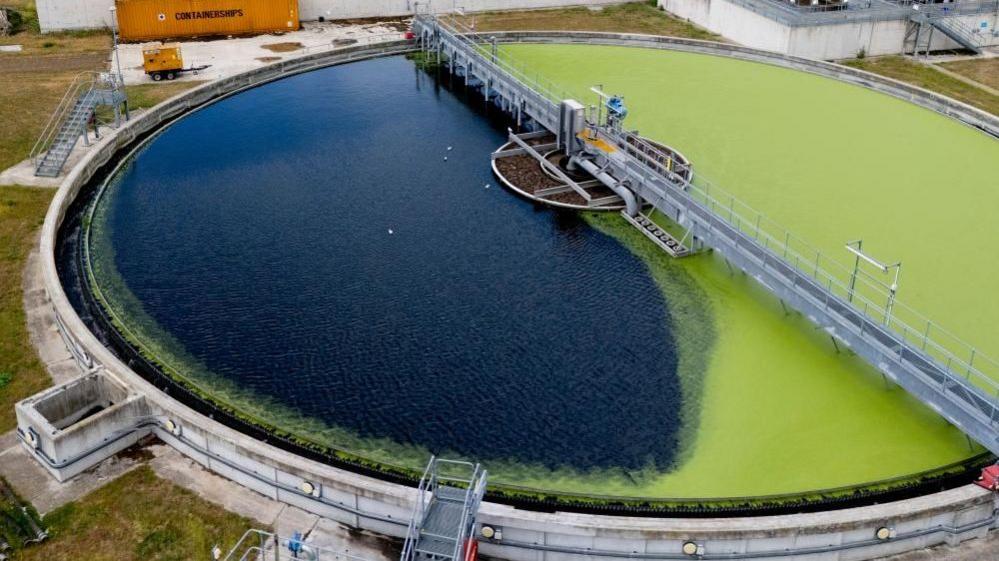 Image source, EPA
-
Published
The environmental performance of water companies fell again last year despite industry investment, according to the first joint report by the regulators.
Eight of the nine companies in England were rated as “poor” or “requiring improvement”, with only Severn Trent receiving the highest rating.
Companies were praised for reducing service disruptions but serious pollution into the environment remained a “major concern”.
The chair of the environmental regulator, Alan Lovell, said the results showed the industry continued to “fall well short of the standards rightly demanded by both us and the public”.
“I’m very angry,” he told BBC News. “I think it’s extremely disappointing to see the level of pollution incidents… and I completely sympathise with the public.”
Environment Secretary Dame Angela Eagle said she was “demanding answers from the companies that are failing” and would be “shining a spotlight on the worst offences around the country”.
Four different regulators currently oversee water companies in England and Wales – the Environment Agency (EA), Natural Resources Wales, Ofwat and the Drinking Water Inspectorate – and this marks the first time they have come together to assess the industry.
It is a nod to the commitment which Sir Keir Starmer’s government made to merge the organisations covering England into a single body as part of efforts to streamline regulation.
The Welsh government plans to set up a new regulator alongside Natural Resources Wales.
But it is on environmental performance that the report is most critical.
Serious pollution incidents in 2025 were a “major concern”, the Environment Agency said, and remained at similarly high levels to those seen in previous years.
Overall, England’s water companies were awarded 16 out of a possible 36 stars for environmental performance – the worst total on record.
The EA said this was due to “declining performance in some areas but also due to our tighter performance standards”.
And in Wales, Dŵr Cymru Welsh Water was given a two-star rating, out of four, by Natural Resources Wales.
Industry body Water UK acknowledged that “the environmental performance of some water companies is not good enough”.
But it also pointed out that more than half of all pollution incidents were as a result of “blockages or vandalism, which are not in the direct control of the water companies”.
“It will take time, but record investment will help secure water supplies, support growth, and end sewage entering rivers and seas,” a spokesperson said.
Will record investment deliver improvement?
Water companies have committed record levels of investment up to 2030 to upgrade their networks and sewage treatment works. But customer bills are expected to rise 36% on average between 2025 and 2030 as a result.
There has already been £5bn invested over the last five years to try and tackle environmental pollution. But Lovell said “not all companies have delivered the environmental improvement schemes they have been funded for”.
In September, it was reported that the number of complaints made by households about water companies to the Consumer Council for Water (CCW) rose by 84% in a year – the highest in 20 years.
Mike Keil, chief executive of the CCW, said that “many customers have not noticed any improvement in customer service or performance” despite recent bill rises.
“People support investment and understand it takes time to bear fruit,” he said, but added that “bill payers are already questioning whether their money is being well spent.”
The government is planning to introduce new legislation next year to overhaul the structure and regulation of the industry – including combining the England regulators.
In his Labour conference speech last month, Prime Minister Andy Burnham announced that a strengthened Water Bill would also remove limits on government ownership of shares in England’s major water companies.
He also promised new powers for local leaders. The BBC understands further details on the idea of “regional bodies” to oversee water companies are likely to follow in the coming weeks.
Water consumption fails to fall risking supplies
The joint report, published on Thursday, also found that household consumption in England and Wales in 2025 remained similar to the previous year, at 137 litres per person per day.
Government advisers have said that people’s demand for water will likely have to fall to safeguard future supplies, which are facing pressures from climate change, a growing population and historic underinvestment.
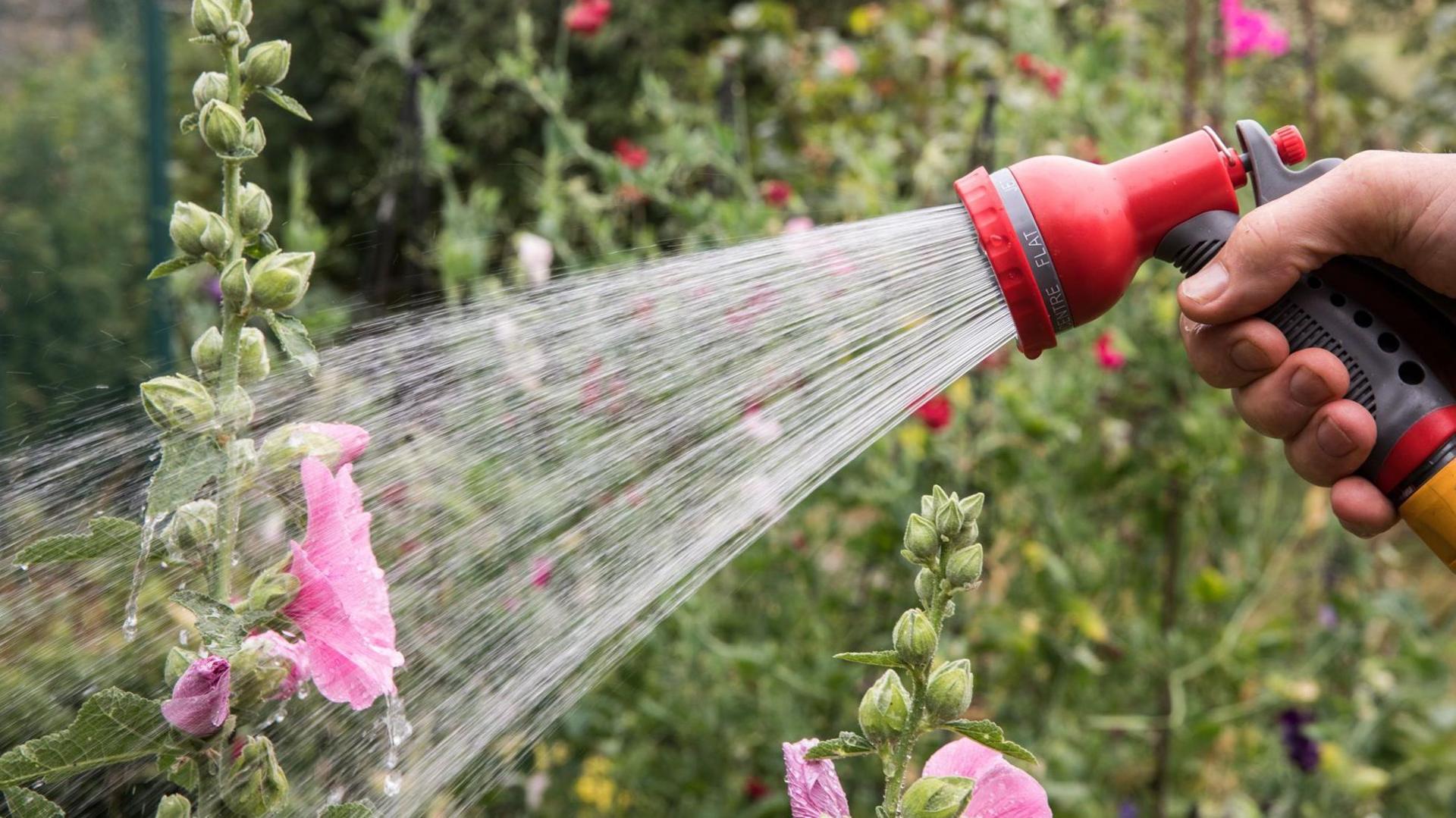
Hosepipe bans are in place across large parts of England and Wales this summer as companies have sought to shore up supplies during drought.
Mark Owen, head of fisheries at the Angling Trust, said the industry needed to take more responsibility and cut leakage rates.
“After this summer, and the severe drought which we continue to experience, this failure to cut waste is indefensible.
“Every litre lost has already been taken from the environment while our rivers, fish and wildlife are under immense pressure.”
-
-
Published29 August
-
-
-
Published15 October
-
-
-
Published16 September
-
-
-
Published21 July 2025
-